Aesthetic Integration
VP systems help projects respond to surrounding architecture while staying aligned with the customer’s vision and goals.


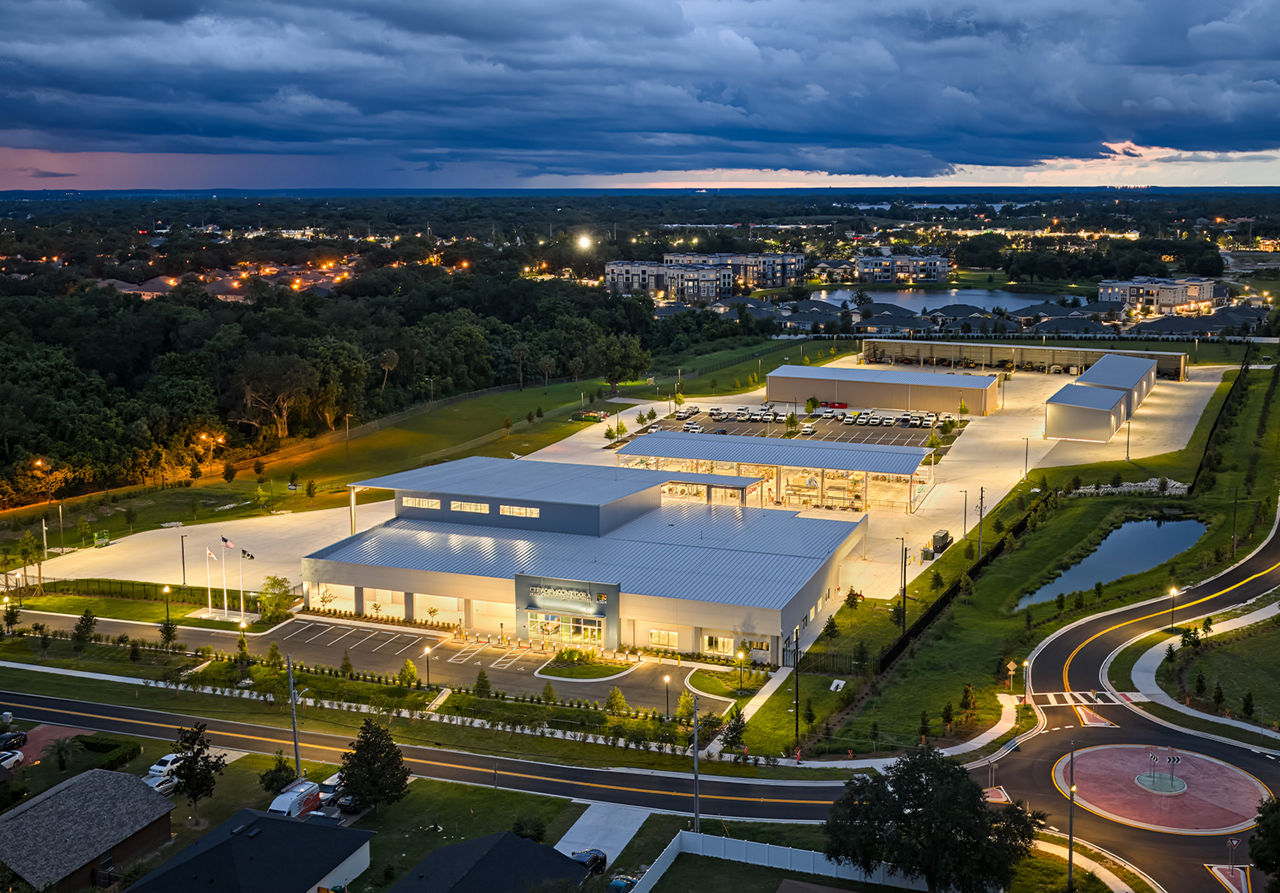
Engineered components, designed to the specifics of the project and fabricated before they ship. See what a VP PEMB makes possible.
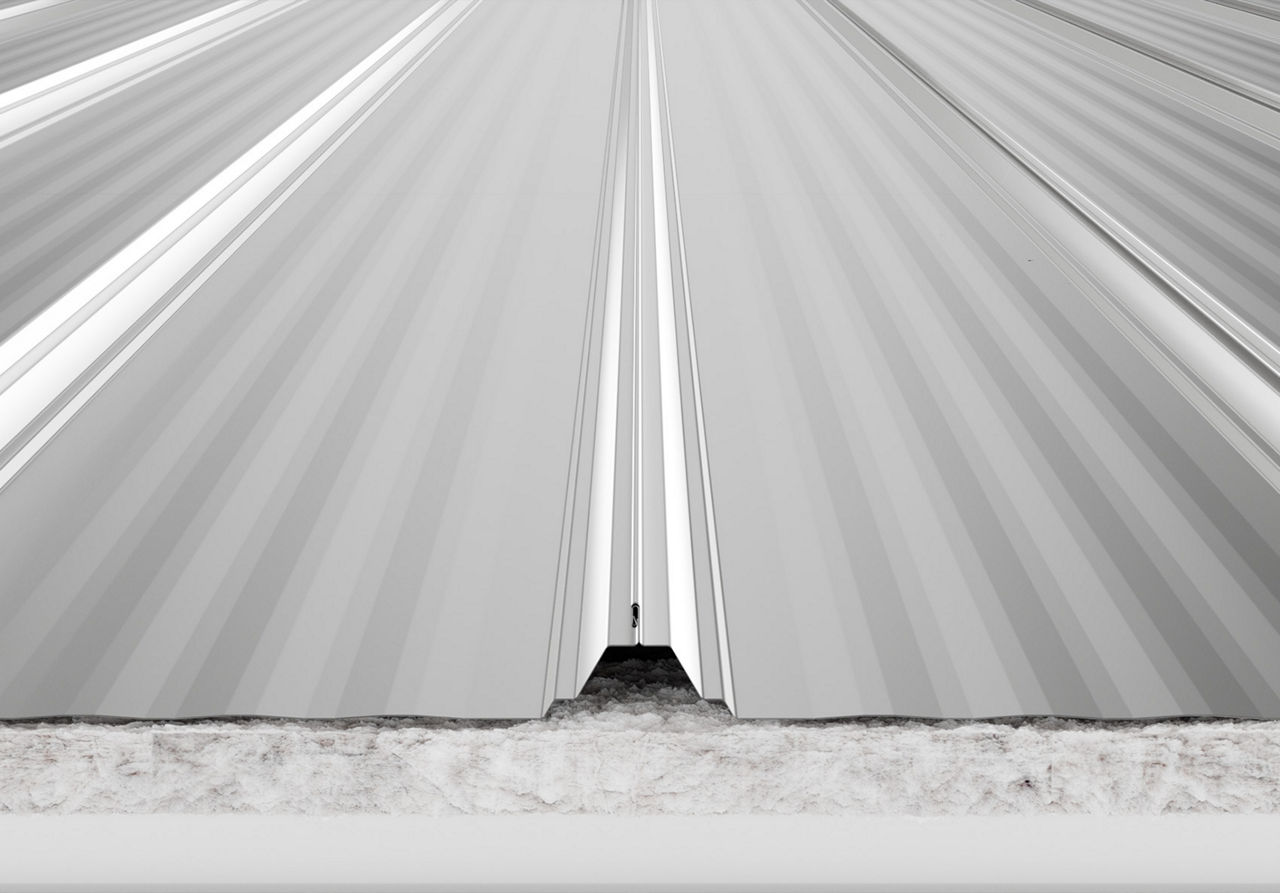
The standing seam roof with millions of square feet in service, machine-seamed into a single protective membrane.
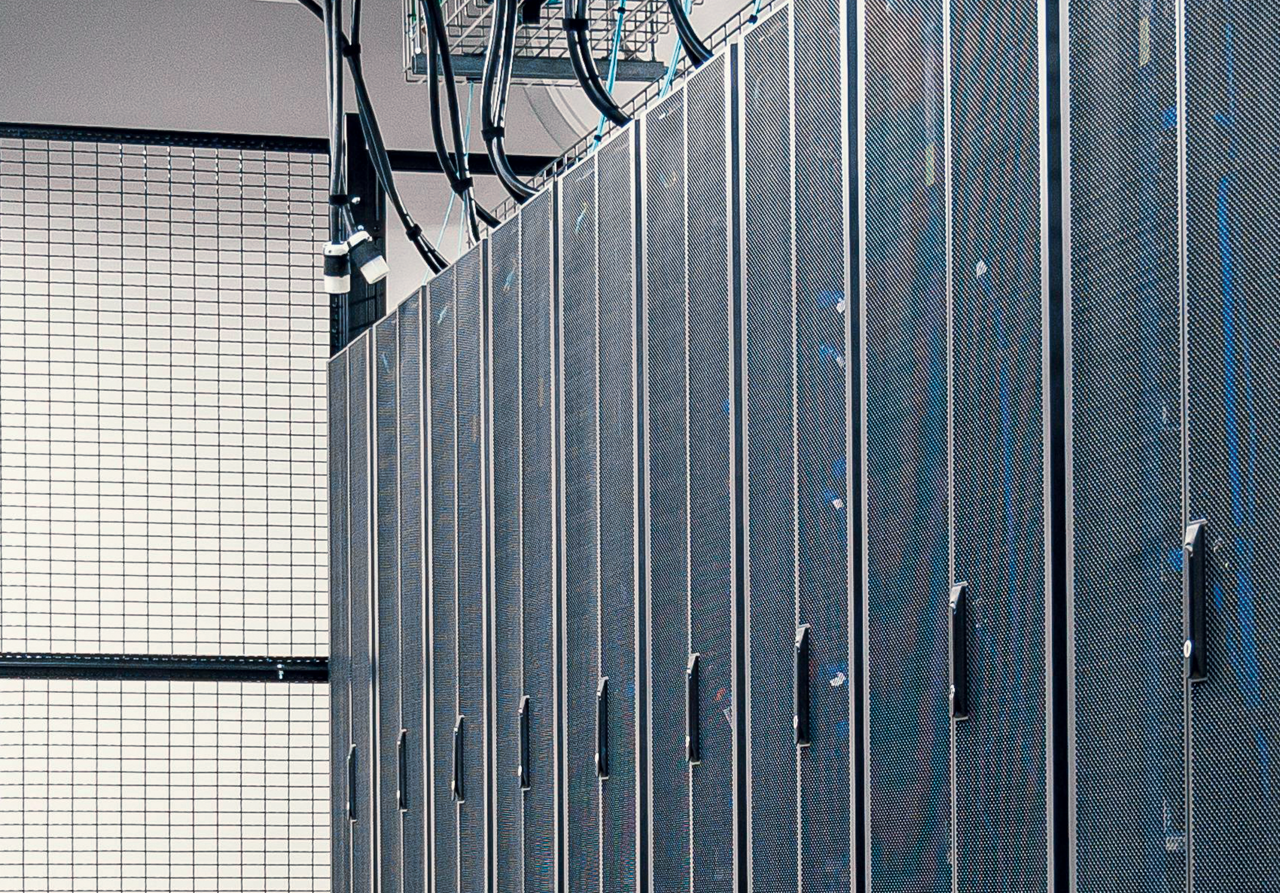
Mission-critical work calls for proven structural solutions. VP has shaped data center campuses across North America for the developers building the digital backbone.

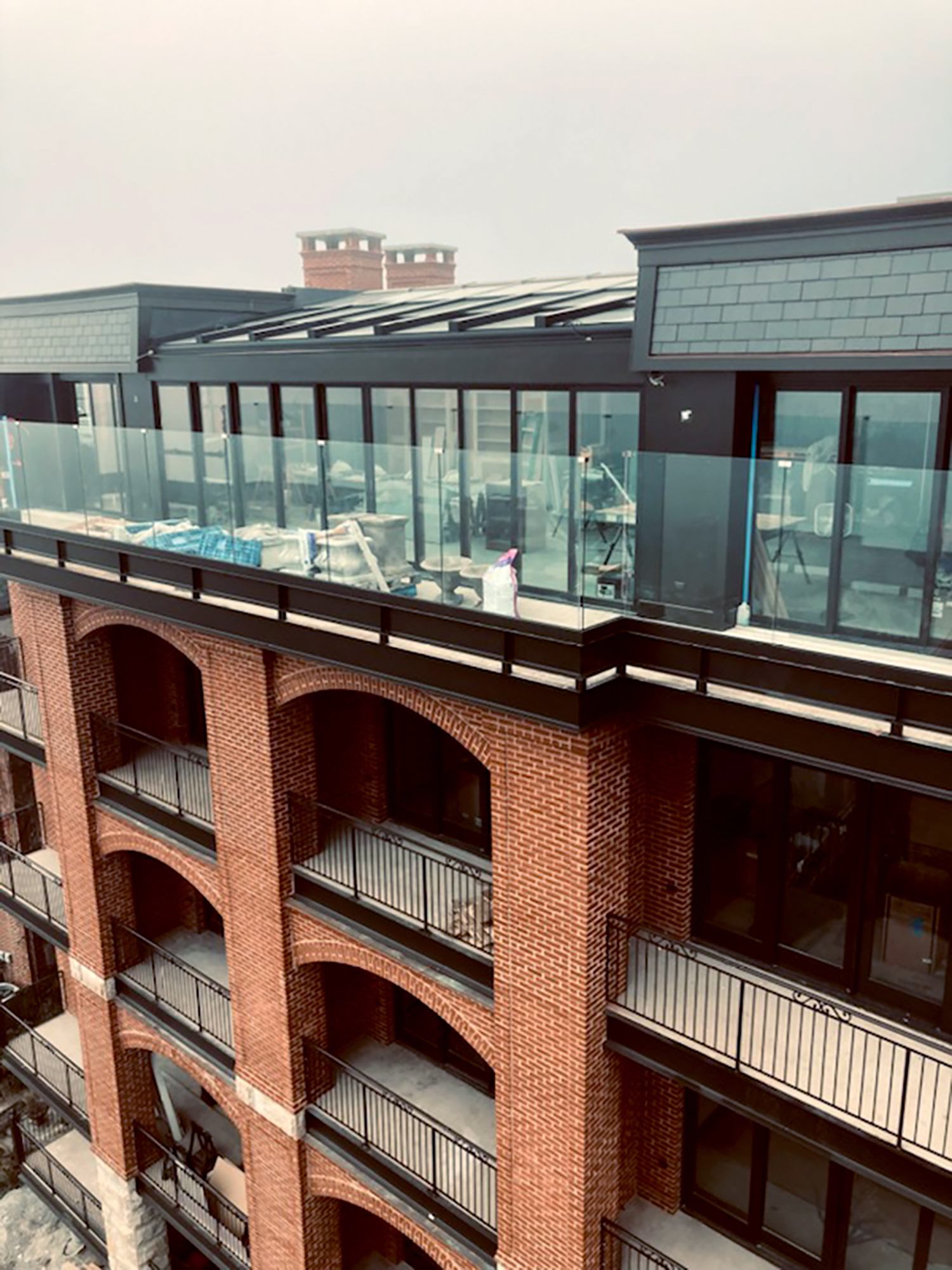
Expanding an existing property into a cohesive hotel required working within structures that were neither level nor square. The challenge was aligning new construction with unpredictable existing conditions.
Through detailed measurement and coordinated design, the team developed a solution that integrates new and existing elements with precision. The result is a facility that feels unified while maintaining structural performance and construction efficiency.
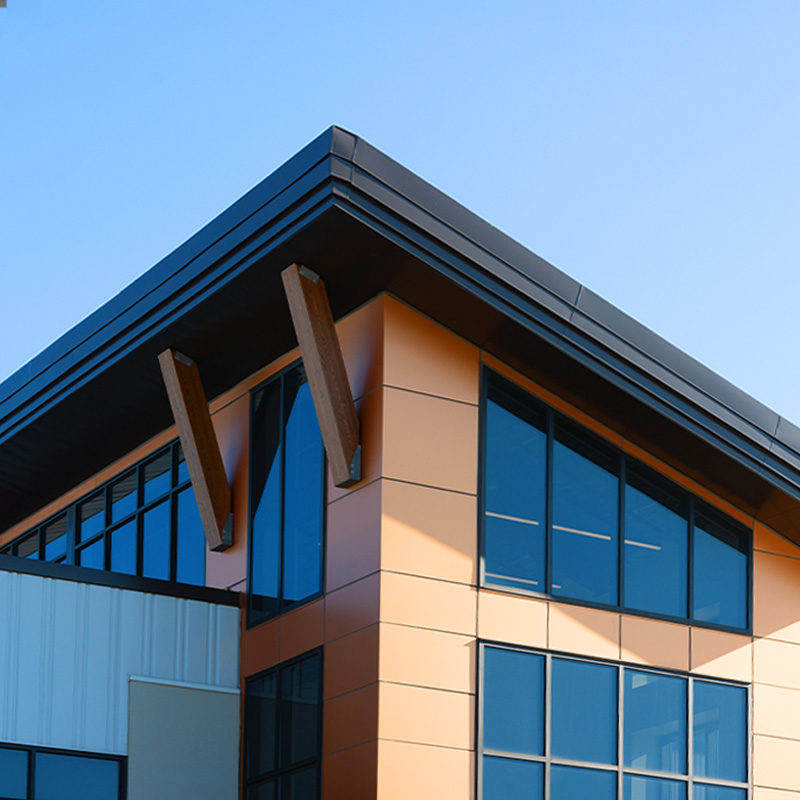
VP systems help projects respond to surrounding architecture while staying aligned with the customer’s vision and goals.
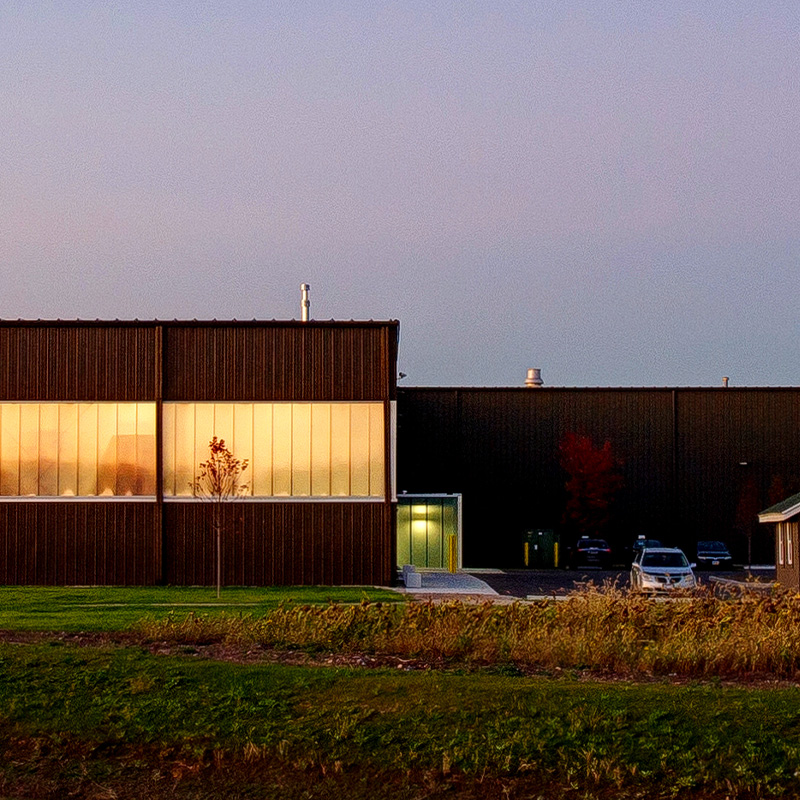
From trims to textures, every design detail can be personalized to a project vision.
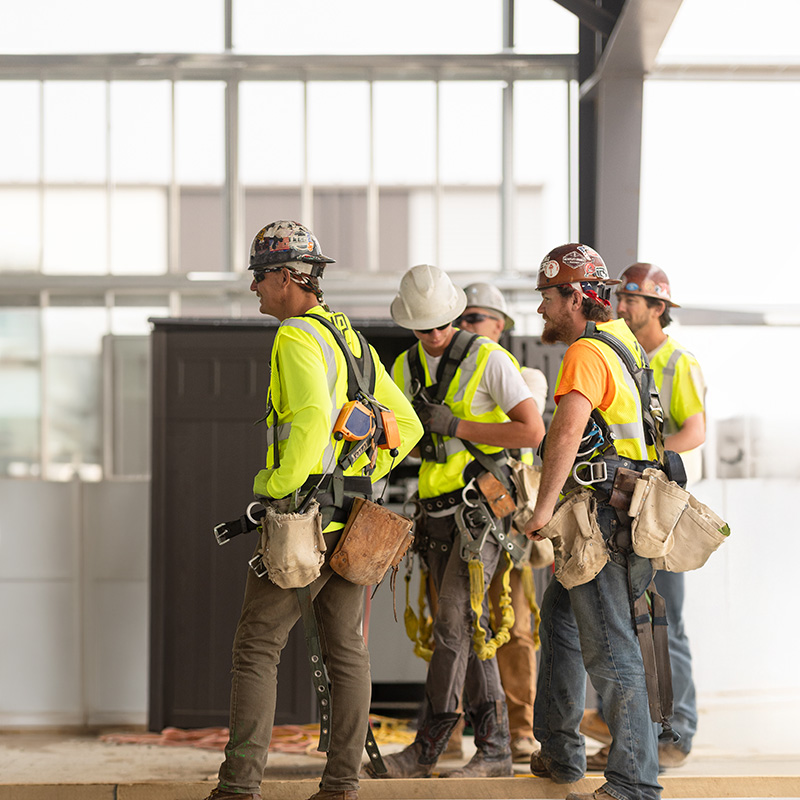
Integrated detailing help teams align systems accurately before materials ever reach the jobsite.
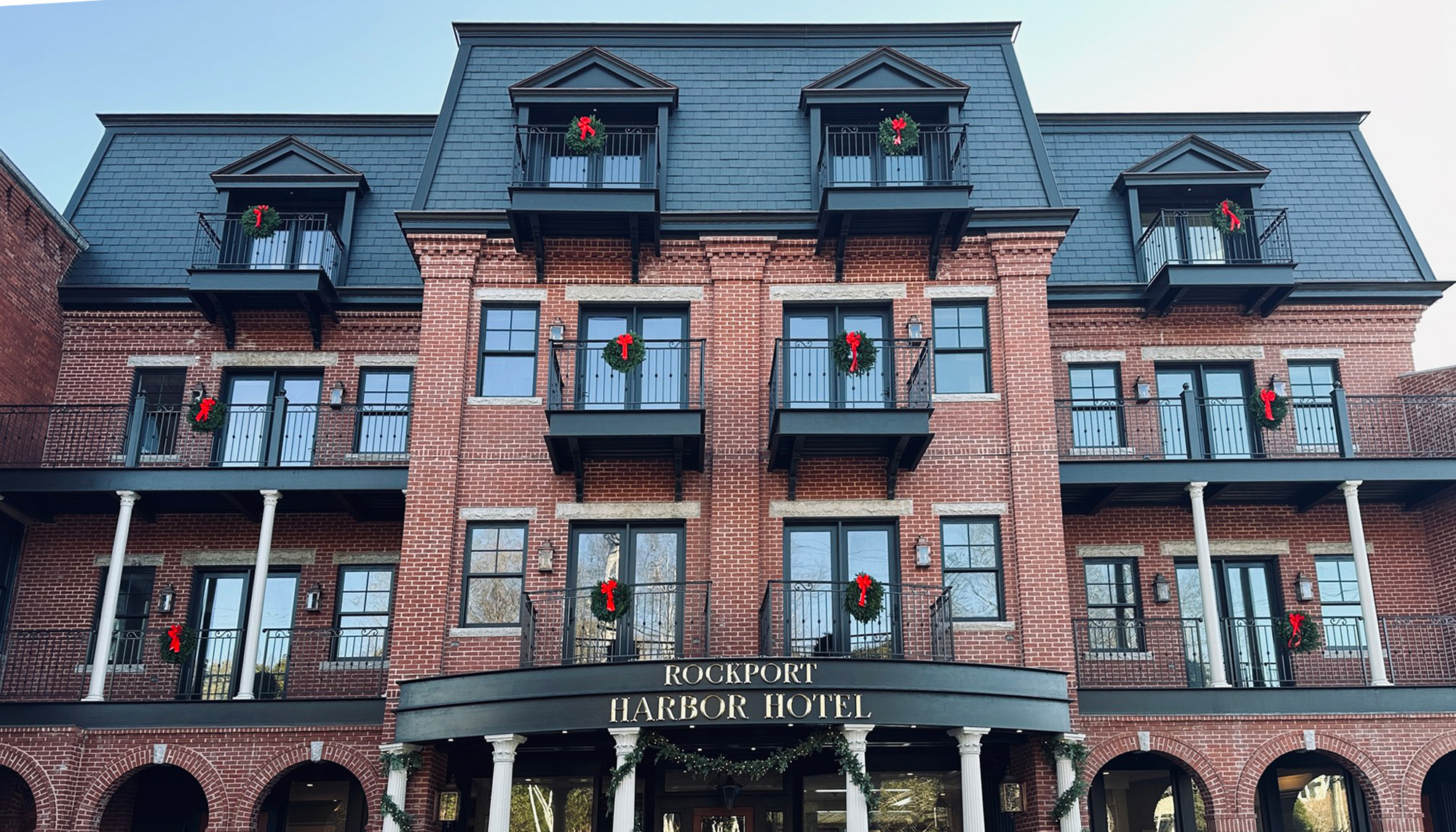
Rockport Harbor Hotel
Bringing separate buildings together sounds straightforward—until the existing structures don’t line up.
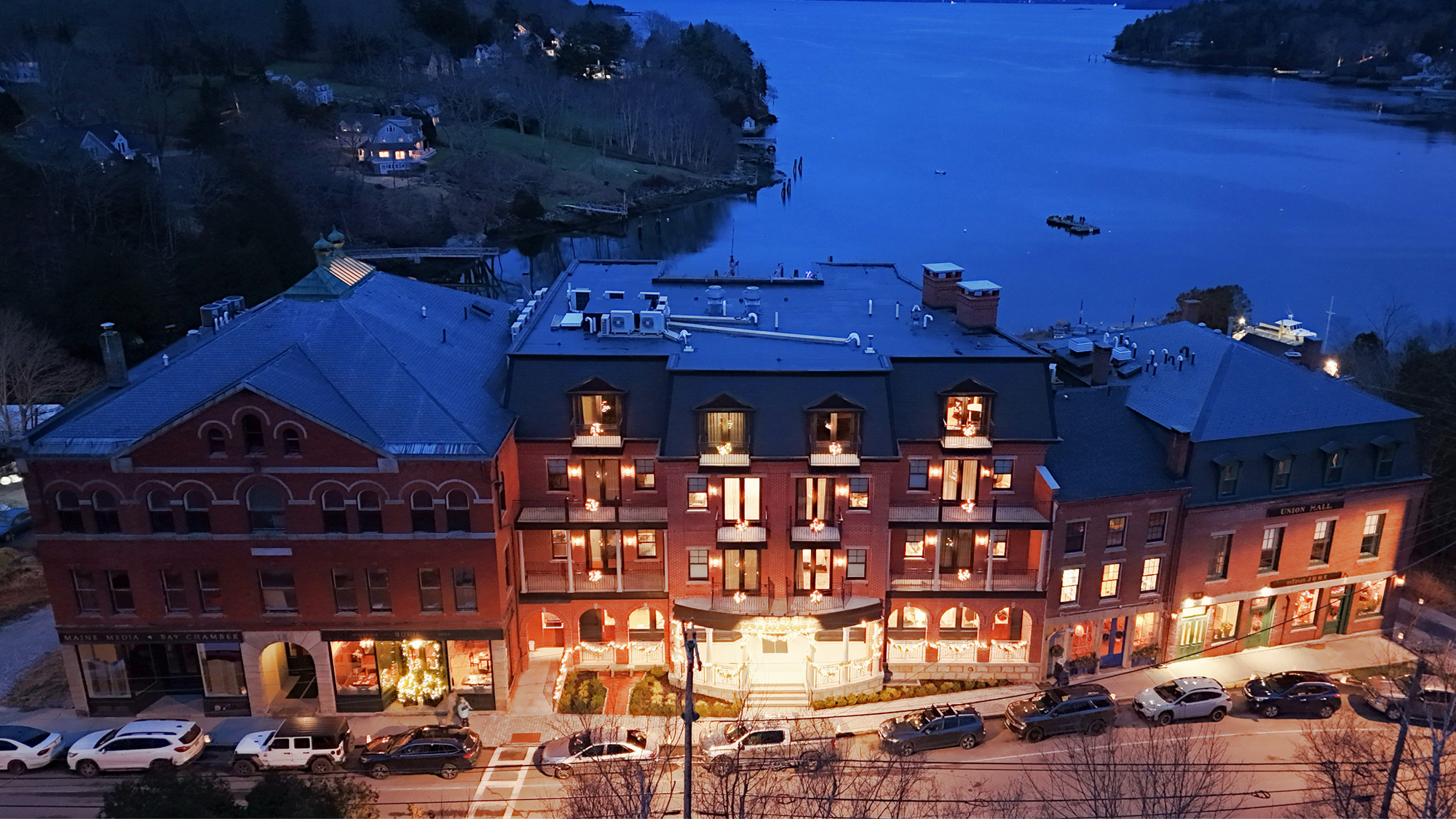
At the Rockport Harbor Hotel in Rockport, Maine, the project centered on more than renovation. It required building a new structure between two existing buildings that were neither square nor level. That meant every connection point had to be carefully considered before steel ever arrived on site.
Rather than forcing the design to fit assumptions, the team started with what was there.
Working with Maine Coast Construction, a Varco Pruden™ Builder, along with the project’s architect and structural engineer, the Varco Pruden Conventional Steel Services team focused on capturing accurate field measurements and elevations. Those details became the foundation for the design, allowing the new structure to align with the realities of the existing buildings.
The goal was not to correct the original construction. It was to work with it.
The new 25,333-square-foot hotel addition connects and extends the existing structures, creating a cohesive environment for guests while maintaining the character of the original buildings.
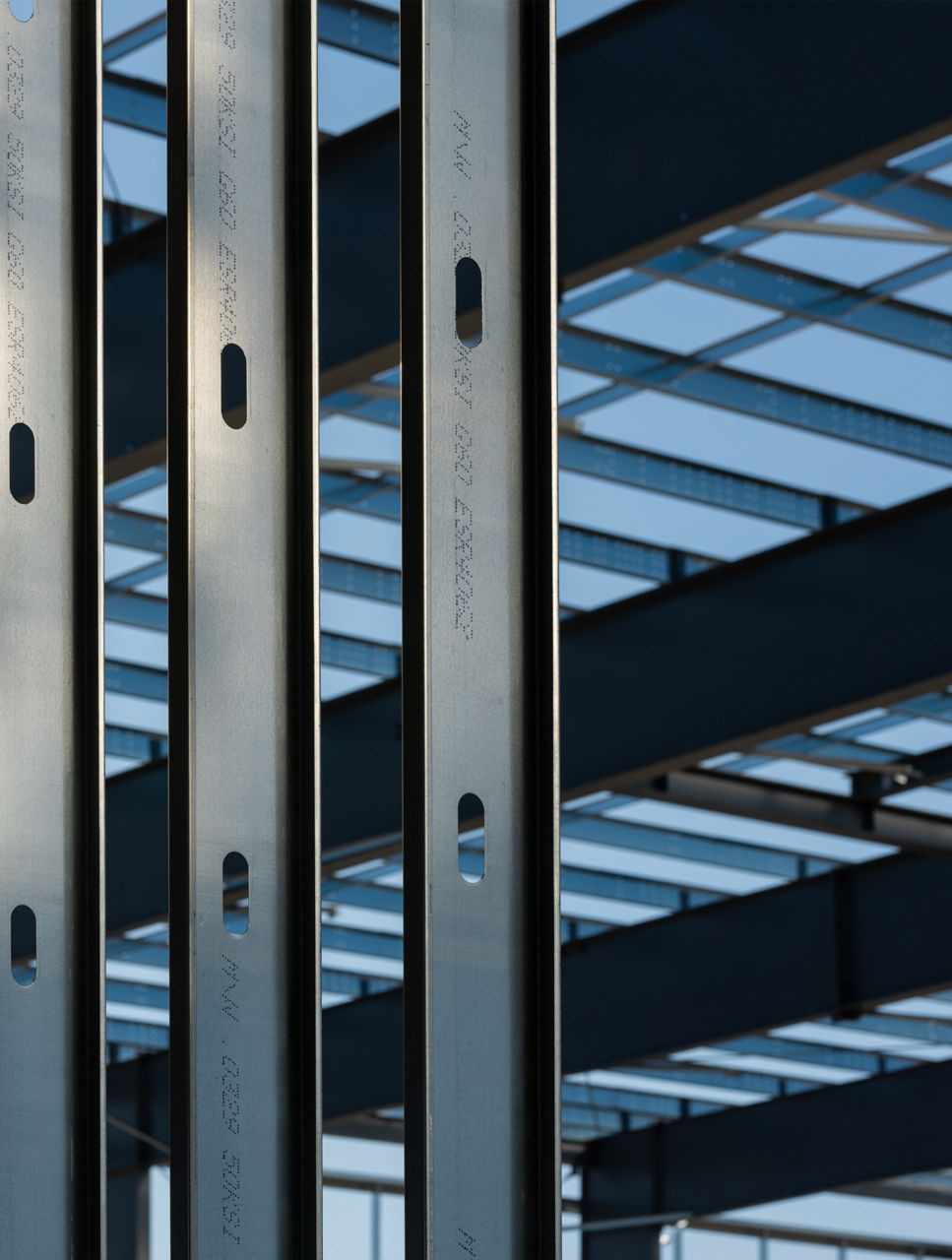
To support that integration, the structural system was designed to minimize on-site fabrication. Steel components were detailed to fit the measured conditions, reducing the need for field adjustments and helping the project stay on track.
This approach required close coordination across teams. Design decisions, structural detailing and construction sequencing all needed to align to ensure that each piece fit as intended once delivered.
The result is a building that feels continuous, even though it was developed across different timelines and conditions.
Recognized as a 2024 Hall of Fame winner in the Conventional category, the project reflects how careful planning and collaboration can turn irregular conditions into a resolved solution.
In the end, the success of the project isn’t just in how the buildings connect. It’s in how naturally they do.
Tell us what you’re solving for. Share your challenges, timeline and aspirations, and we'll bring the engineering insight and practical creativity to shape ambitious, lasting structures, together.