Flexible Interiors
Column spacing and clearspan framing create wide-open, usable interior space.


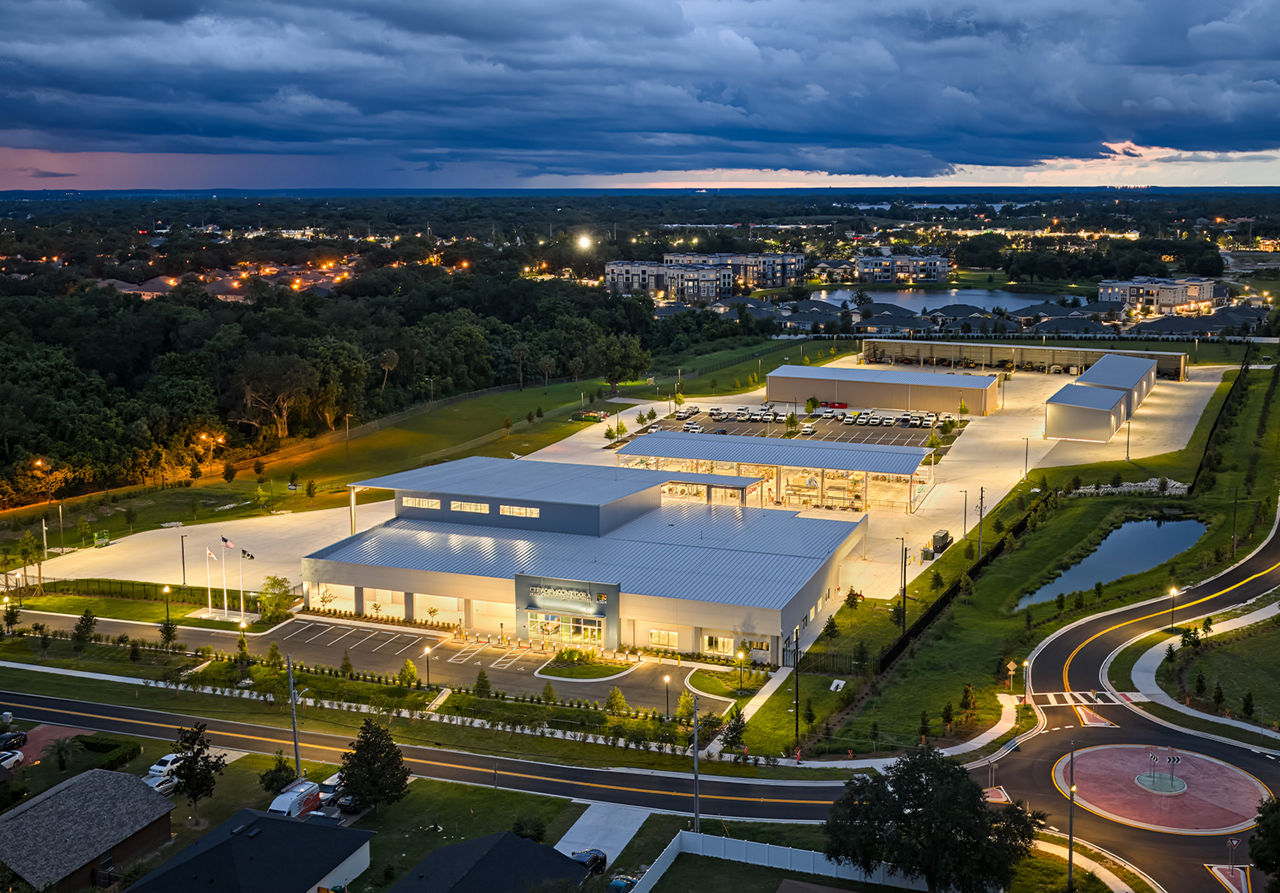
Engineered components, designed to the specifics of the project and fabricated before they ship. See what a VP PEMB makes possible.
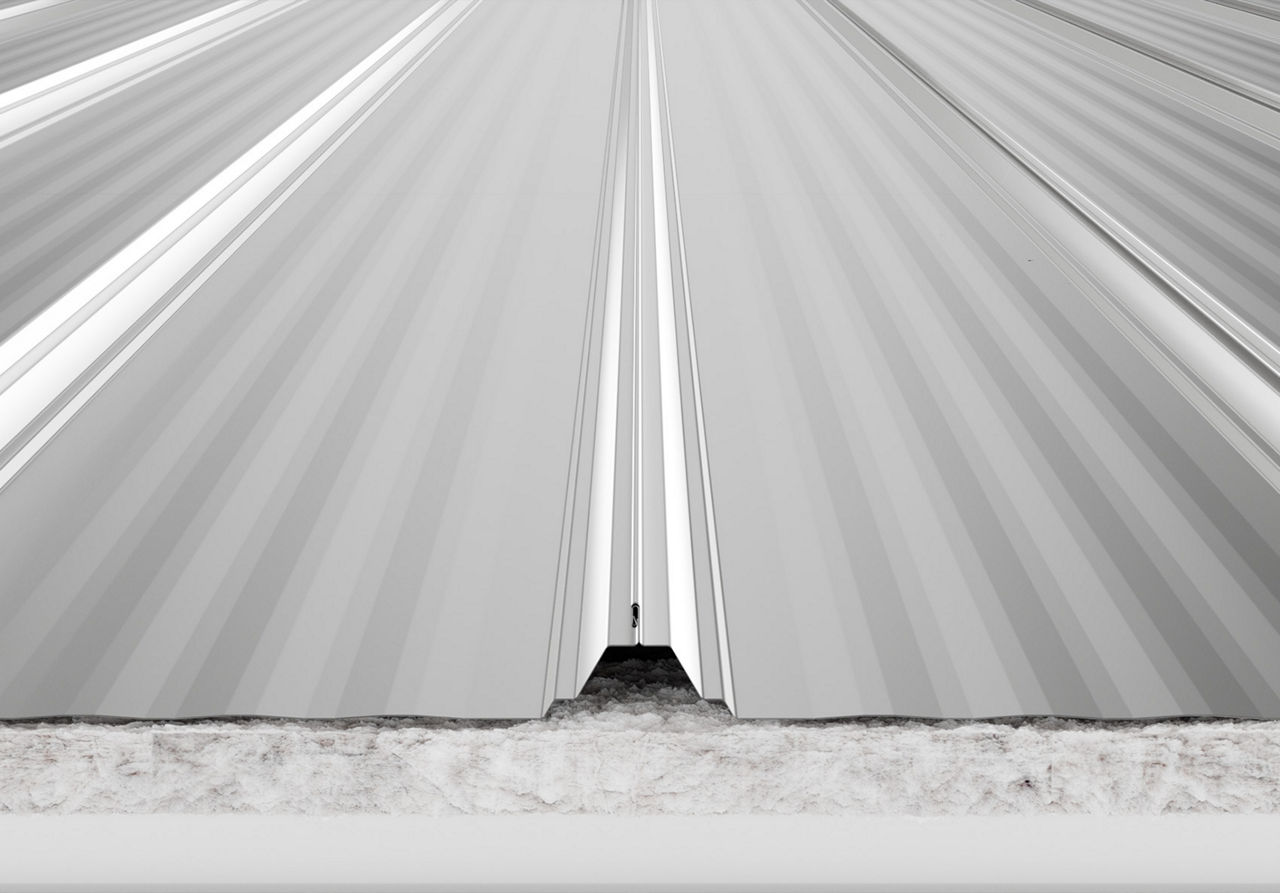
The standing seam roof with millions of square feet in service, machine-seamed into a single protective membrane.
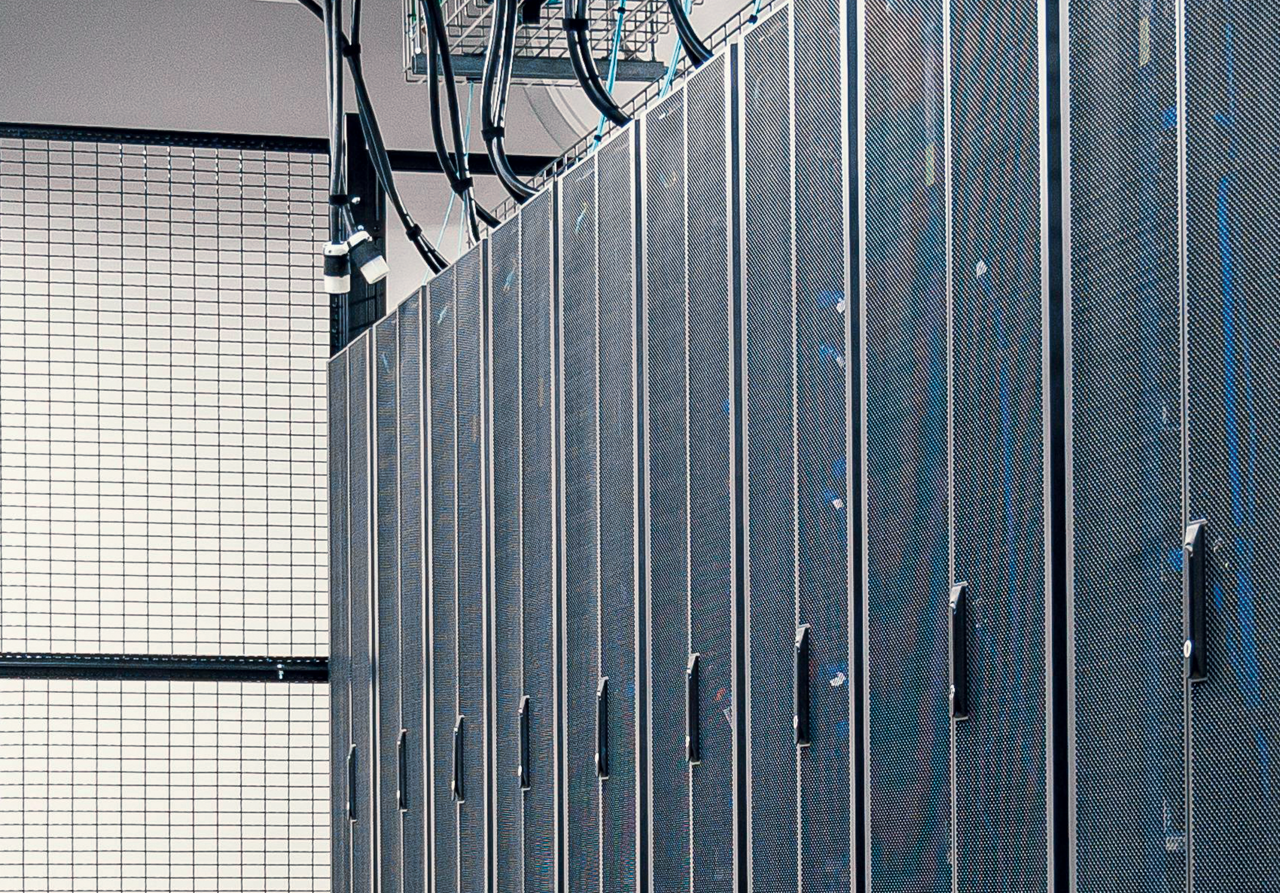
Mission-critical work calls for proven structural solutions. VP has shaped data center campuses across North America for the developers building the digital backbone.

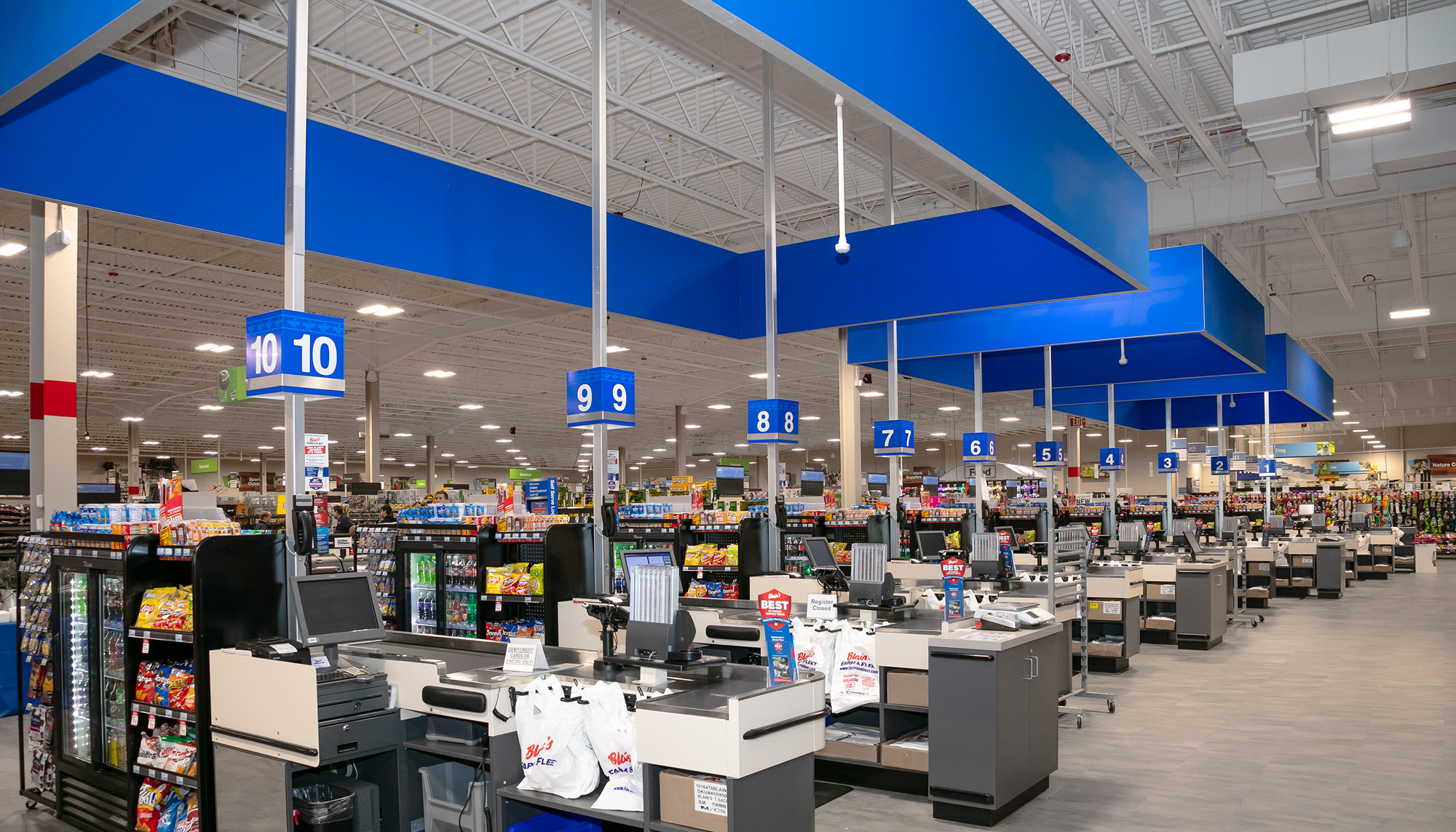
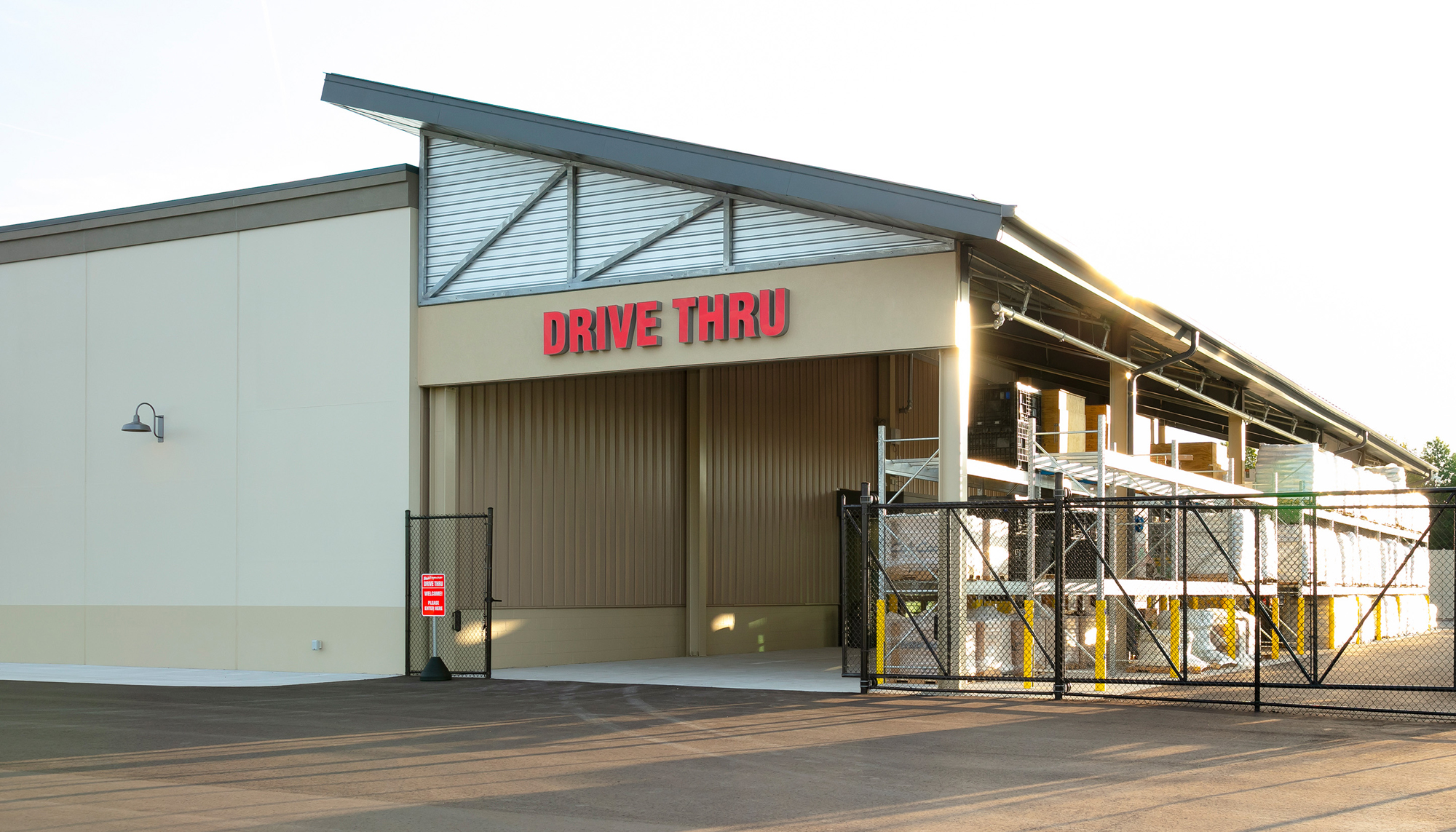
Designing a large-format retail facility required balancing open interior space with consistent lighting and structural efficiency. The building needed to support high customer traffic while maintaining flexibility for layout and operations.
Through coordinated structural design and integrated daylighting, the team delivered a space that enhances visibility and usability. The result is a retail environment that supports both customer experience and long-term operational performance.
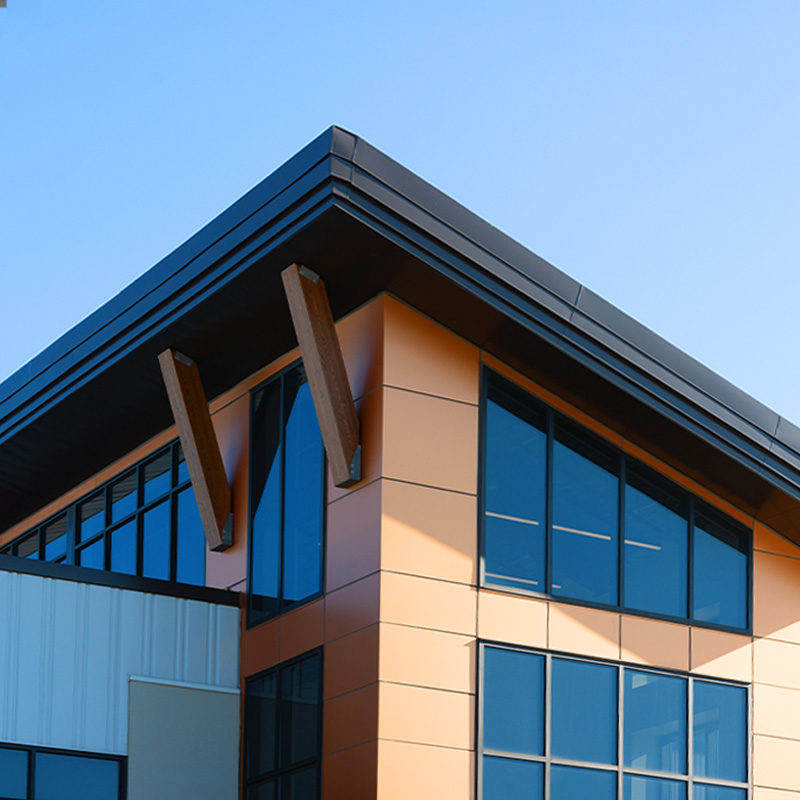
Column spacing and clearspan framing create wide-open, usable interior space.
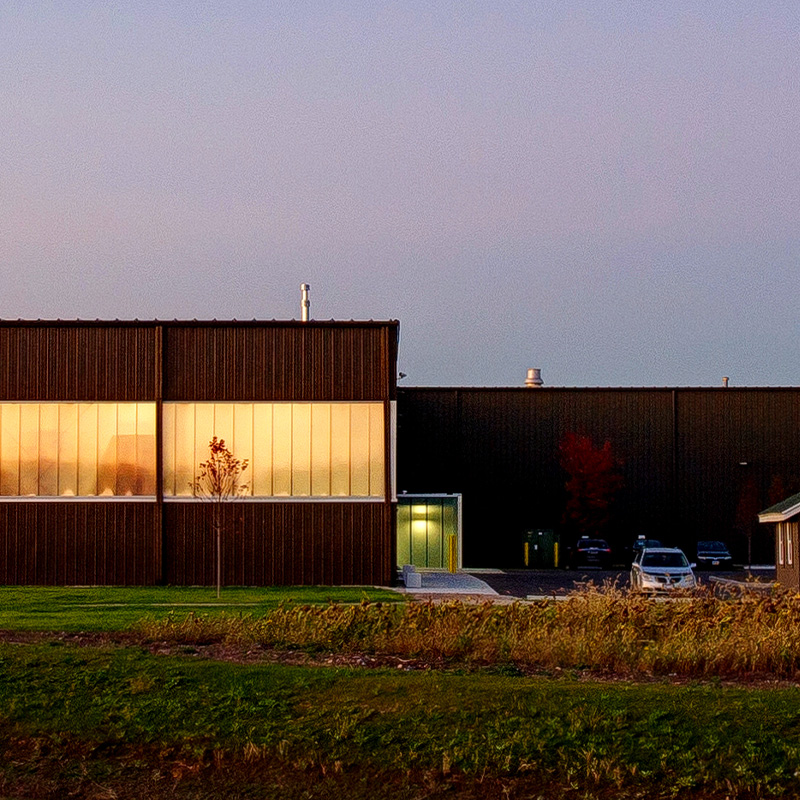
Long-term weather resistance, simplified maintenance and coordinated performance across the entire building envelope.
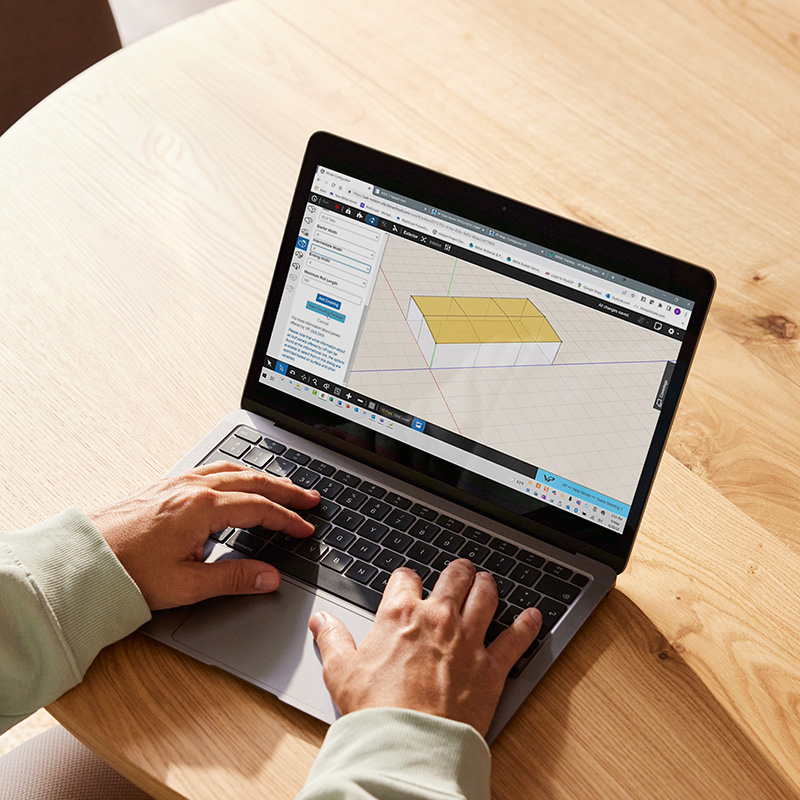
Efficient systems help owners improve building performance and reduce long-term operating costs.
Blain’s Farm and Fleet
Retail buildings at this size come with a clear expectation: Keep the space open, accessible and easy to navigate.
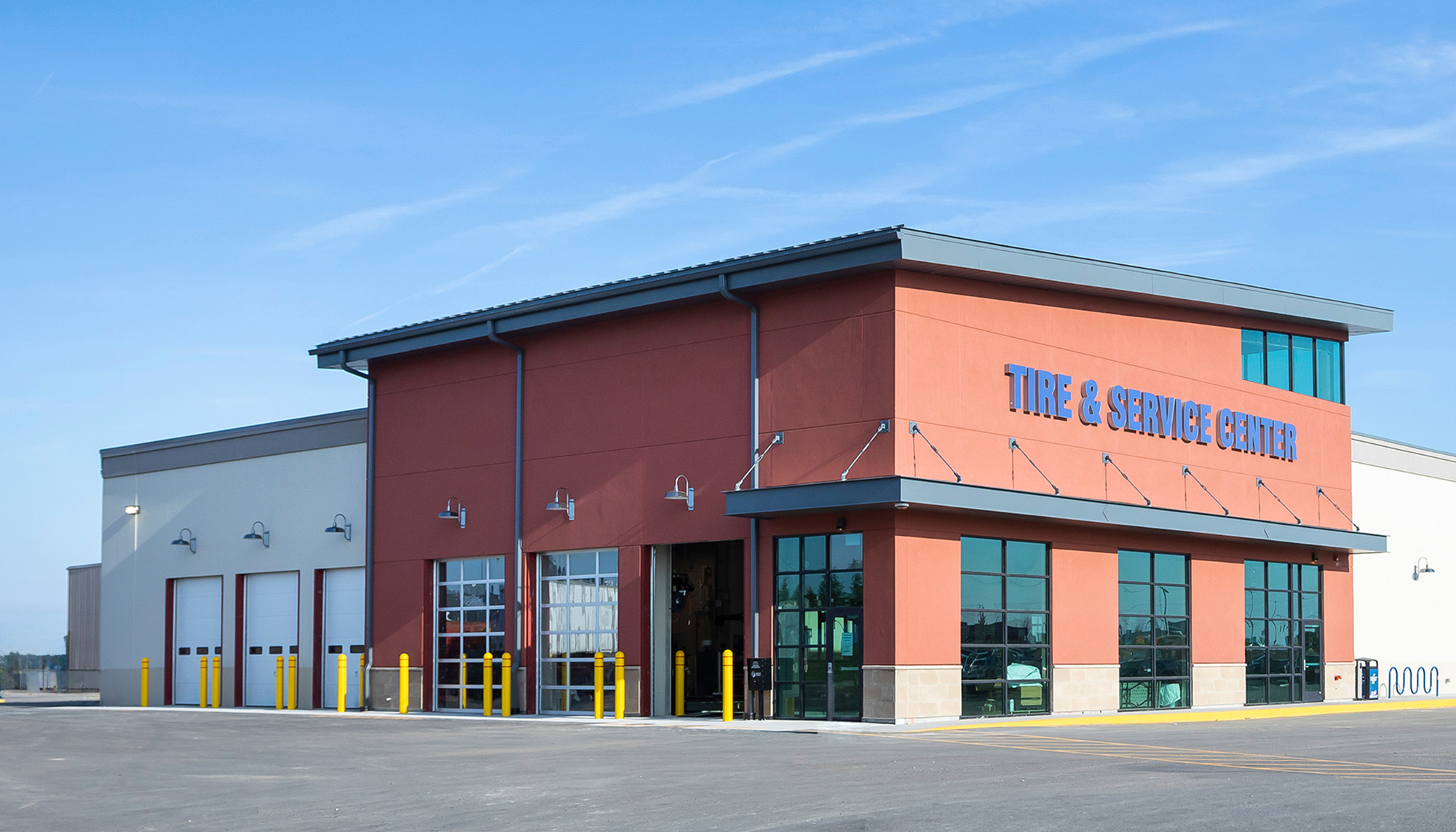
For this 124,250-square-foot facility completed in October 2014, Epic Construction, a Varco Pruden™ Builder, focused on delivering that clarity from the ground up. The goal was to create an environment that supports both customer movement and operational flexibility without introducing unnecessary complexity.
A Continuous Beam framing system, paired with bar joists, provides the open interior layout needed for retail use. With fewer interruptions across the floor, the space can adapt to changing layouts, displays and tenant needs over time.

Daylighting plays a central role in how the building performs.
With 244 skylights distributed across the roof, natural light reaches deep into the interior, improving visibility and reducing reliance on artificial lighting during daytime hours. This creates a more consistent environment for both customers and staff while supporting energy efficiency.
The SSR™ Roof System provides long-term durability, helping protect the building while integrating seamlessly with the daylighting strategy. Tilt-up concrete exterior walls offer a solid, durable perimeter suited for high-traffic retail environments, while conventional framing supports architectural elements such as light towers and the two-story entry vestibule.
The entry itself establishes a clear point of arrival, giving the building presence without overcomplicating the design.
Together, these elements create a space that is straightforward, adaptable and built to perform under daily use.
Tell us what you’re solving for. Share your challenges, timeline and aspirations, and we'll bring the engineering insight and practical creativity to shape ambitious, lasting structures, together.