Durable Performance
Engineered through collaborative design processes that help buildings perform reliably under demanding operational conditions.


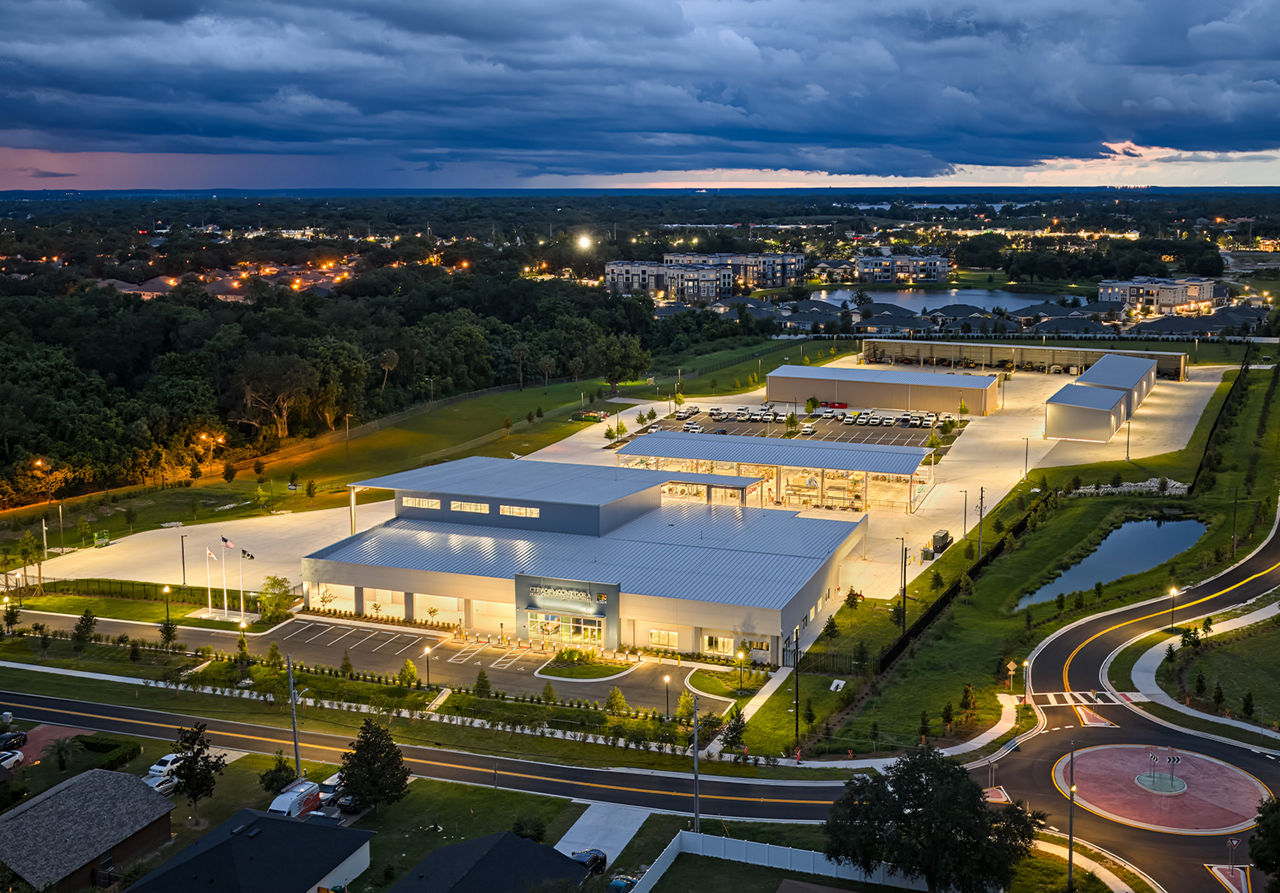
Engineered components, designed to the specifics of the project and fabricated before they ship. See what a VP PEMB makes possible.
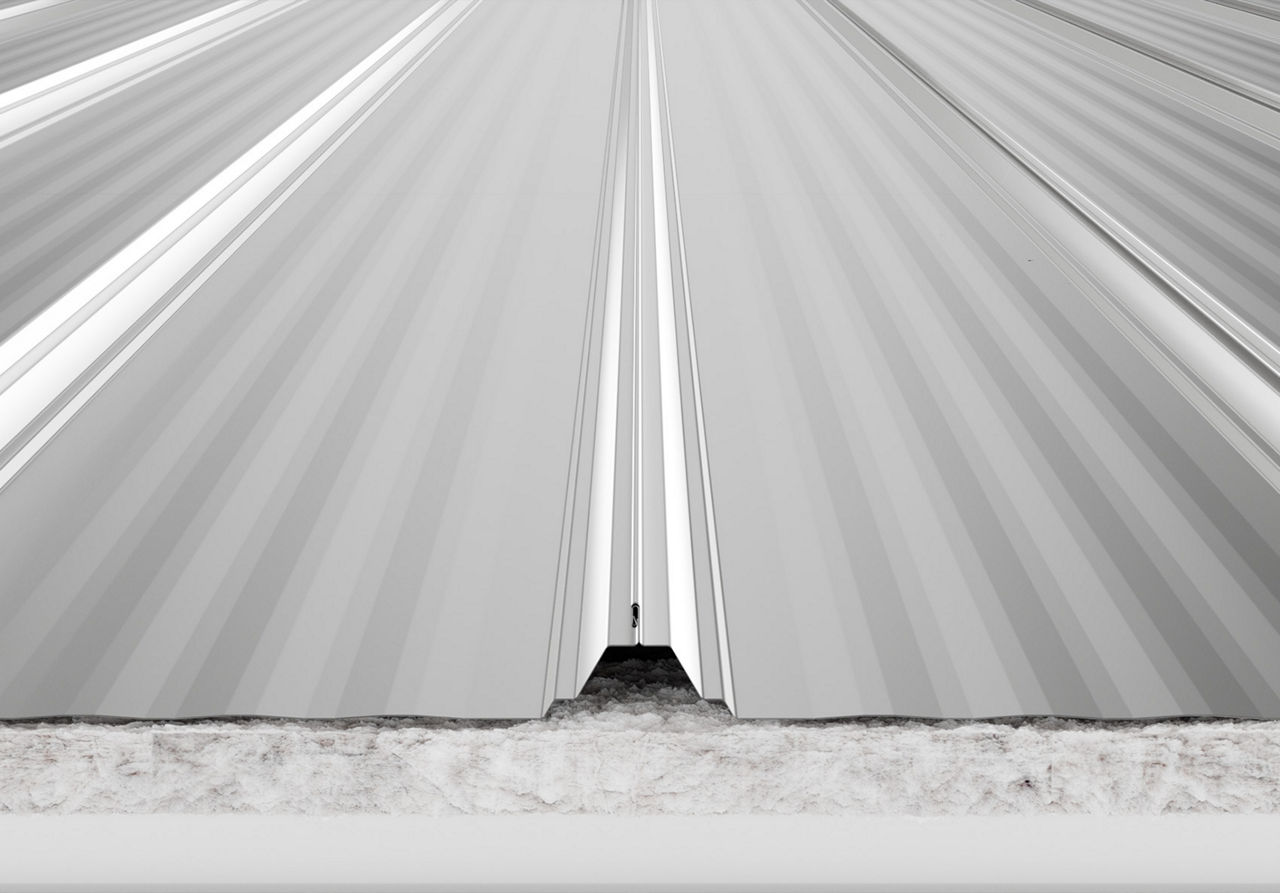
The standing seam roof with millions of square feet in service, machine-seamed into a single protective membrane.
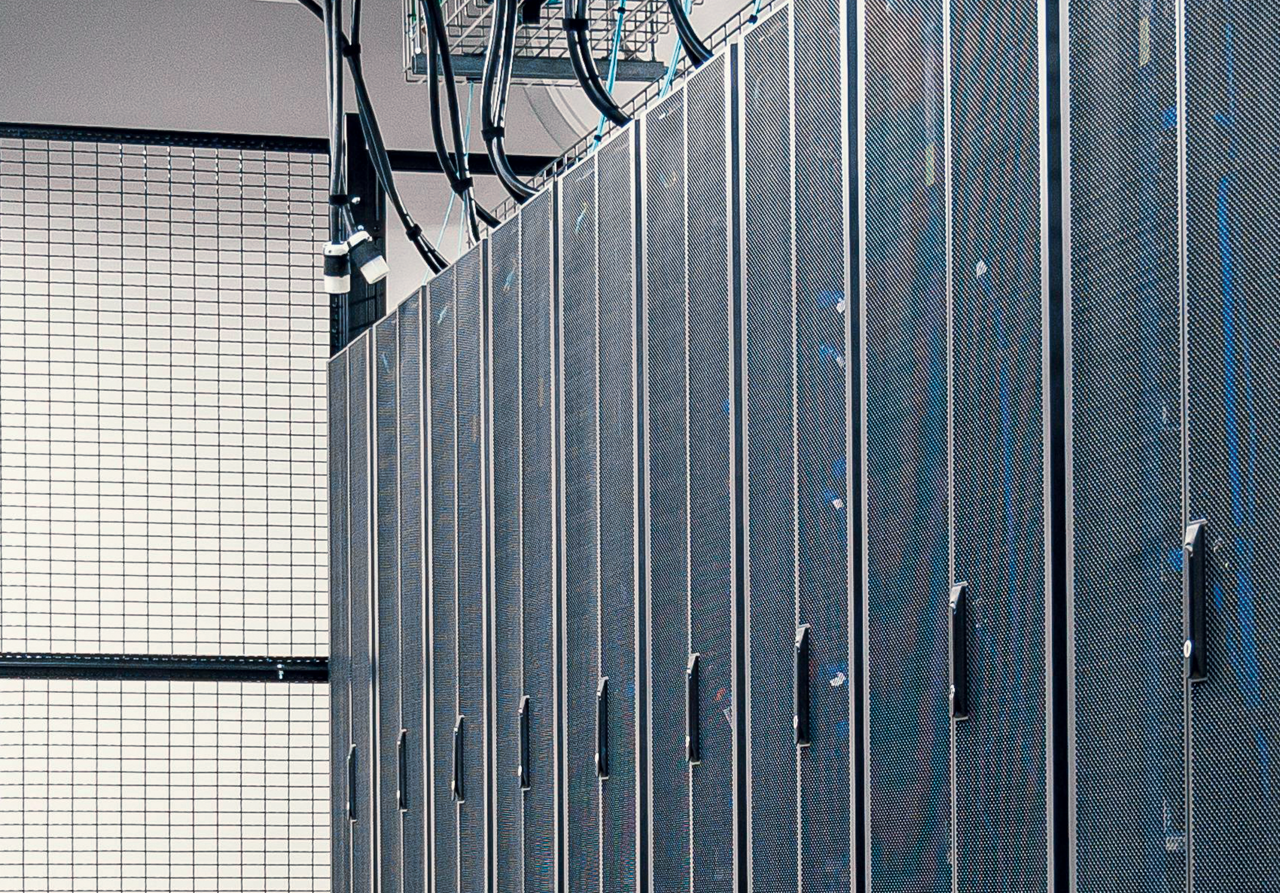
Mission-critical work calls for proven structural solutions. VP has shaped data center campuses across North America for the developers building the digital backbone.

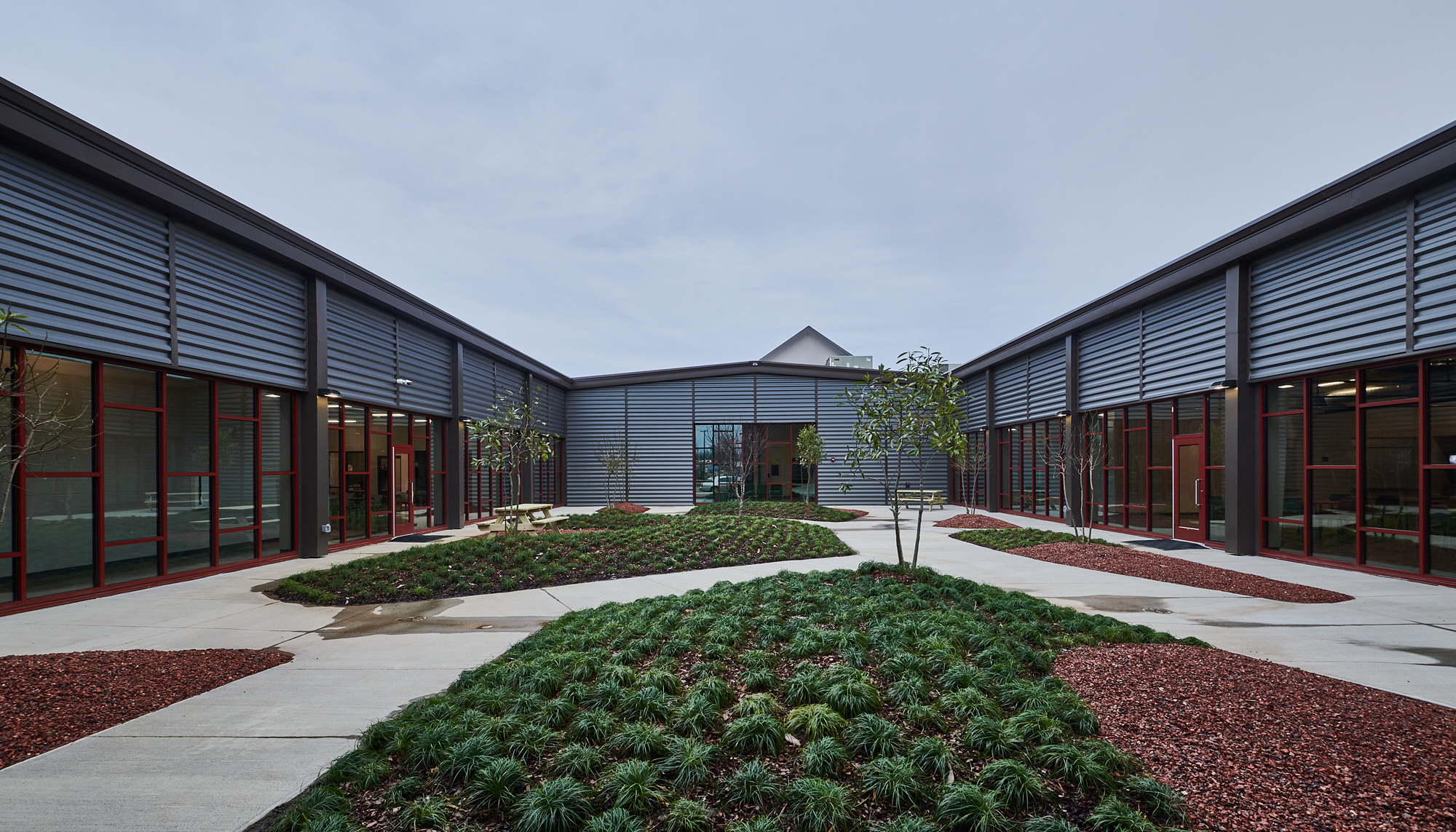
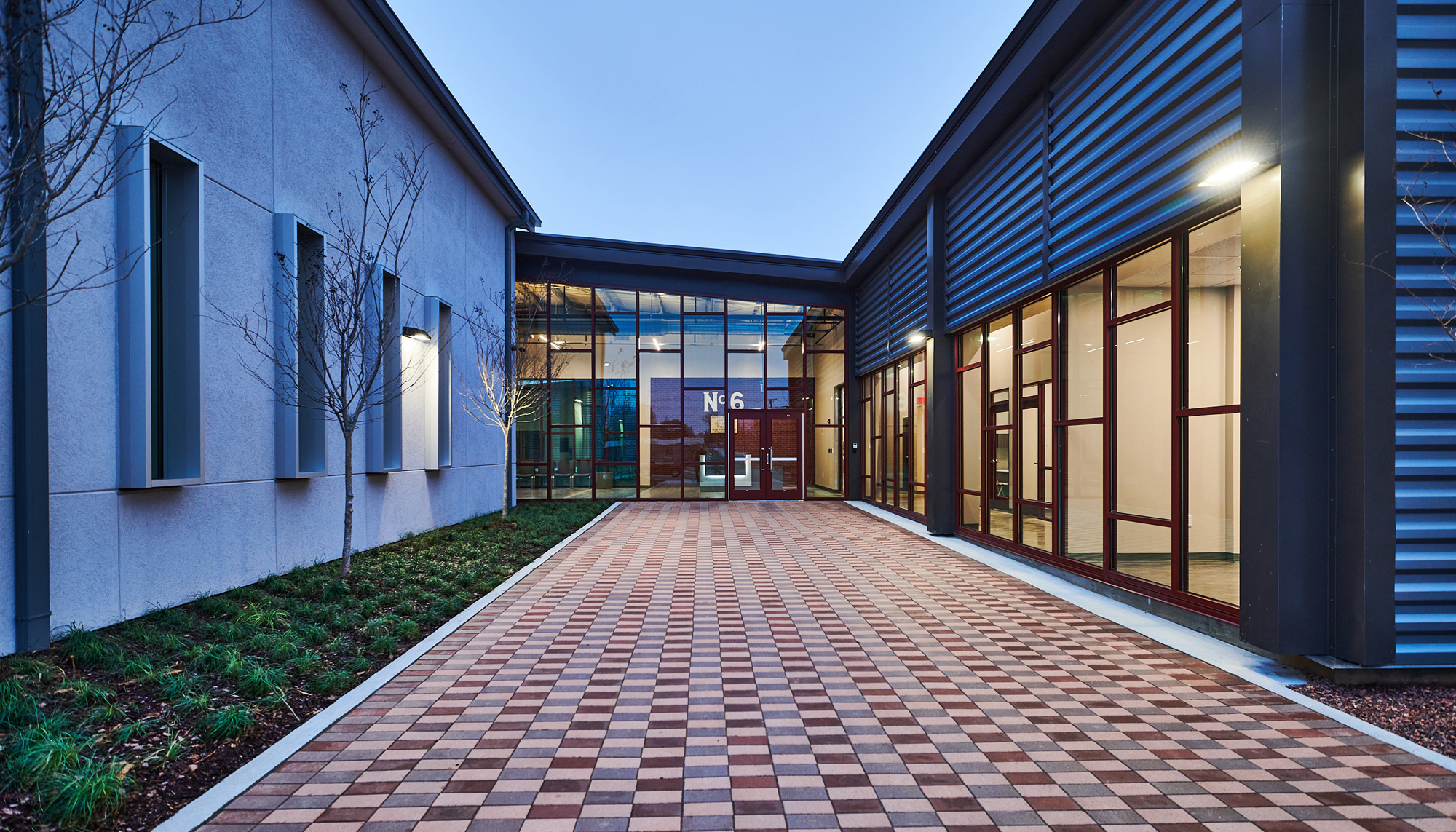
Replacing an outdated facility required balancing durability, cost and a supportive environment for residents. The project also faced site constraints, weather challenges and community concerns.
Through coordinated design and efficient building systems, the team delivered a facility that meets operational needs while creating a more welcoming experience. The result is a space that supports essential services and strengthens its role within the surrounding community.
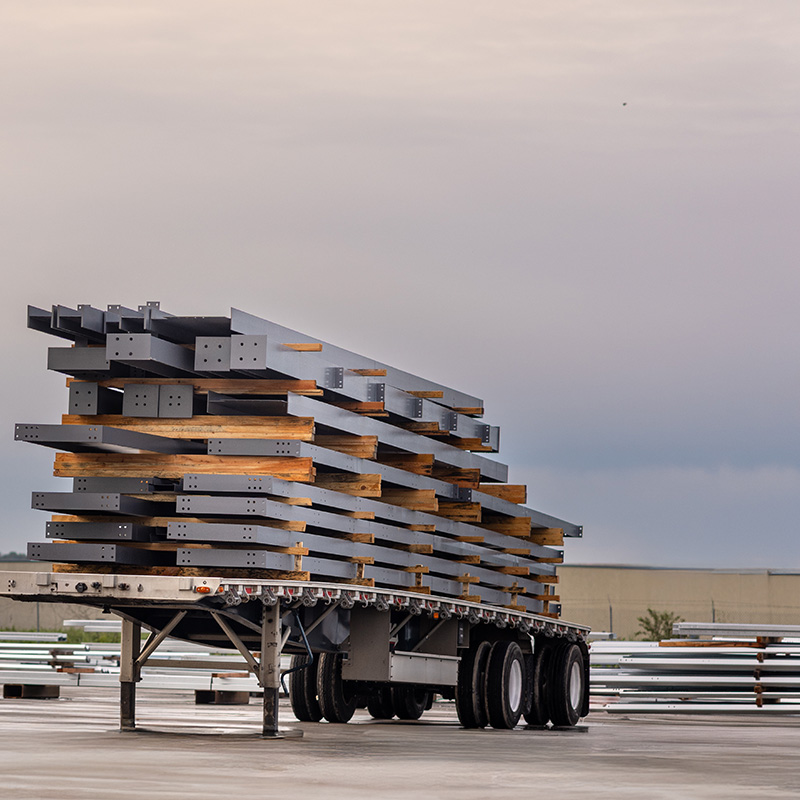
Engineered through collaborative design processes that help buildings perform reliably under demanding operational conditions.
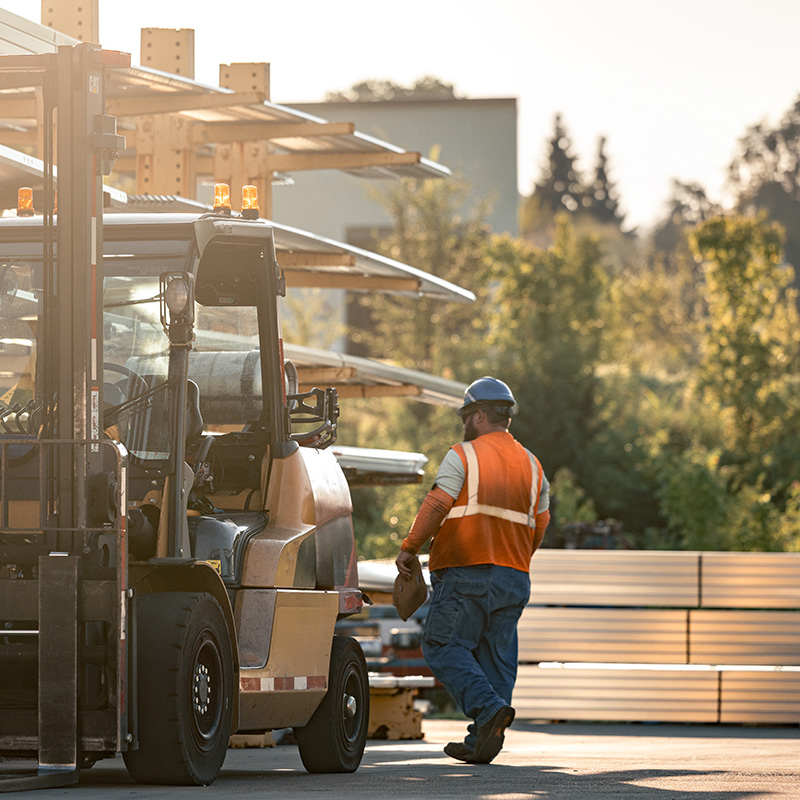
Early visibility and coordinated planning help teams reduce surprises and maintain budget alignment.
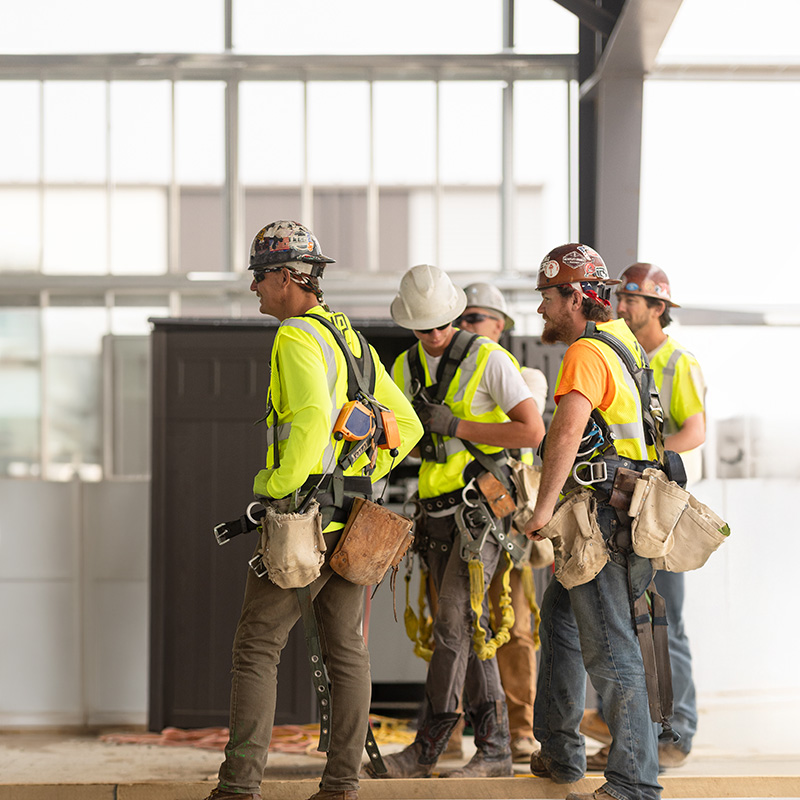
VP systems help projects respond to surrounding architecture while staying aligned with the customer’s vision and goals.
Firehouse Shelter – New Facility
Some projects are measured by scale. Others are measured by what they make possible.
In Birmingham, AL, Firehouse Ministries set out to replace an aging facility that had long served the city’s homeless population. The original building, a former fire station. had reached its limits. Space was tight. Code requirements were becoming more difficult to meet. And the organization needed room to expand its services.
The goal for the new facility was clear: create a space that could handle daily demand, hold up under constant use and still feel welcoming to the people who rely on it.
That balance shaped every decision moving forward.
The new 28,000-square-foot shelter needed to do more than provide beds. It had to support meals, medical services, education and day-to-day care all within a single environment.
At the same time, durability was non-negotiable. The building would see continuous use, requiring materials and systems that could perform over time without constant maintenance.
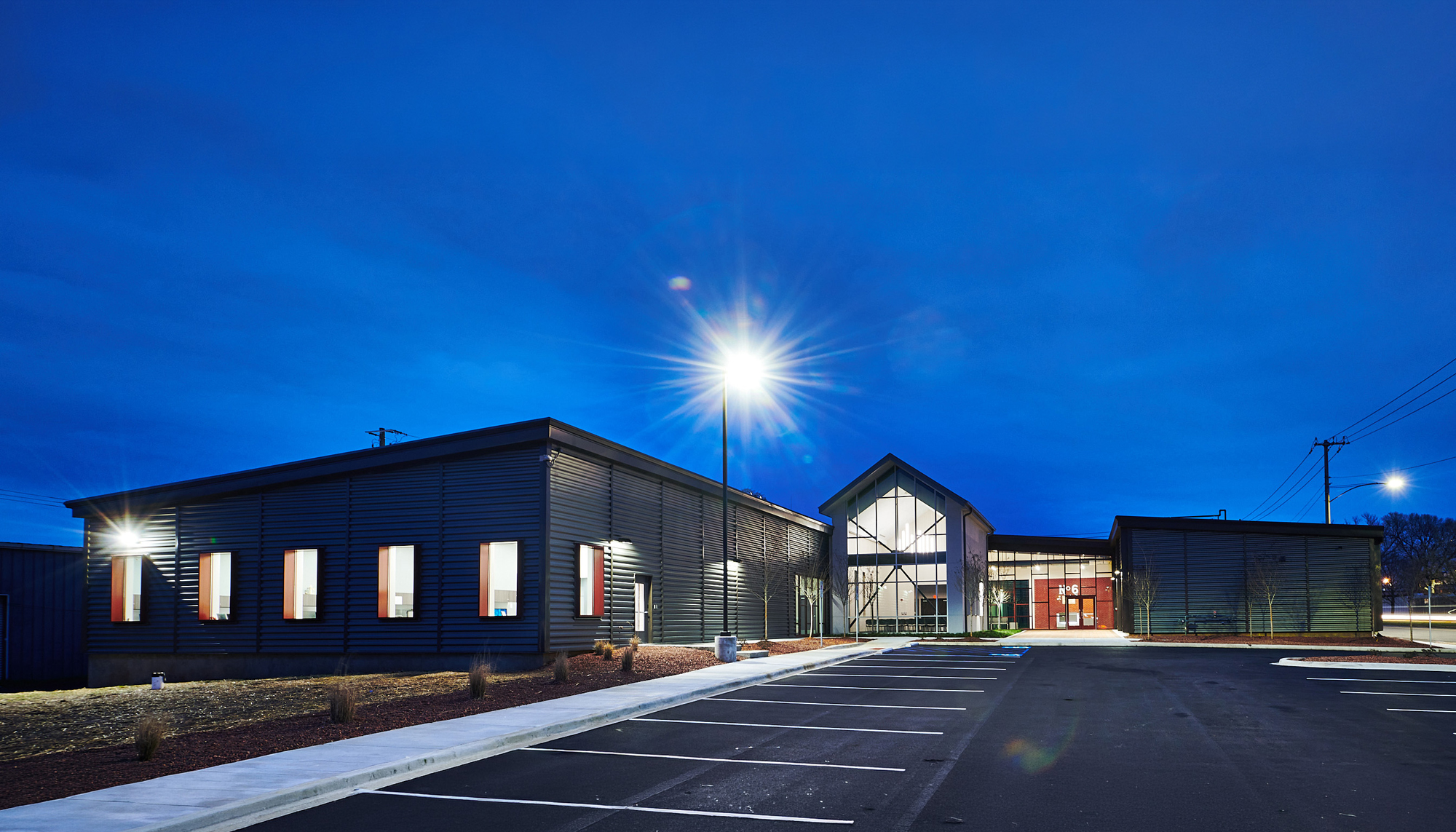
“The owner needed durability but didn’t want the building to look like a prison,” said Craig Fowler, Dunn Building Company’s Tennessee Valley area manager. “We were able to achieve both goals by cladding this building with insulated metal panels (IMPs). The ribbed panels were turned to run horizontally, creating lines that are aesthetically pleasing, without sacrificing any of that durability.”
That approach carries through the entire building.
The ThermaClad™ Wall System and SSR™ Roof System work together to create a durable, energy-efficient envelope. These systems help maintain interior conditions while reducing long-term operational costs—an important factor for a nonprofit organization.
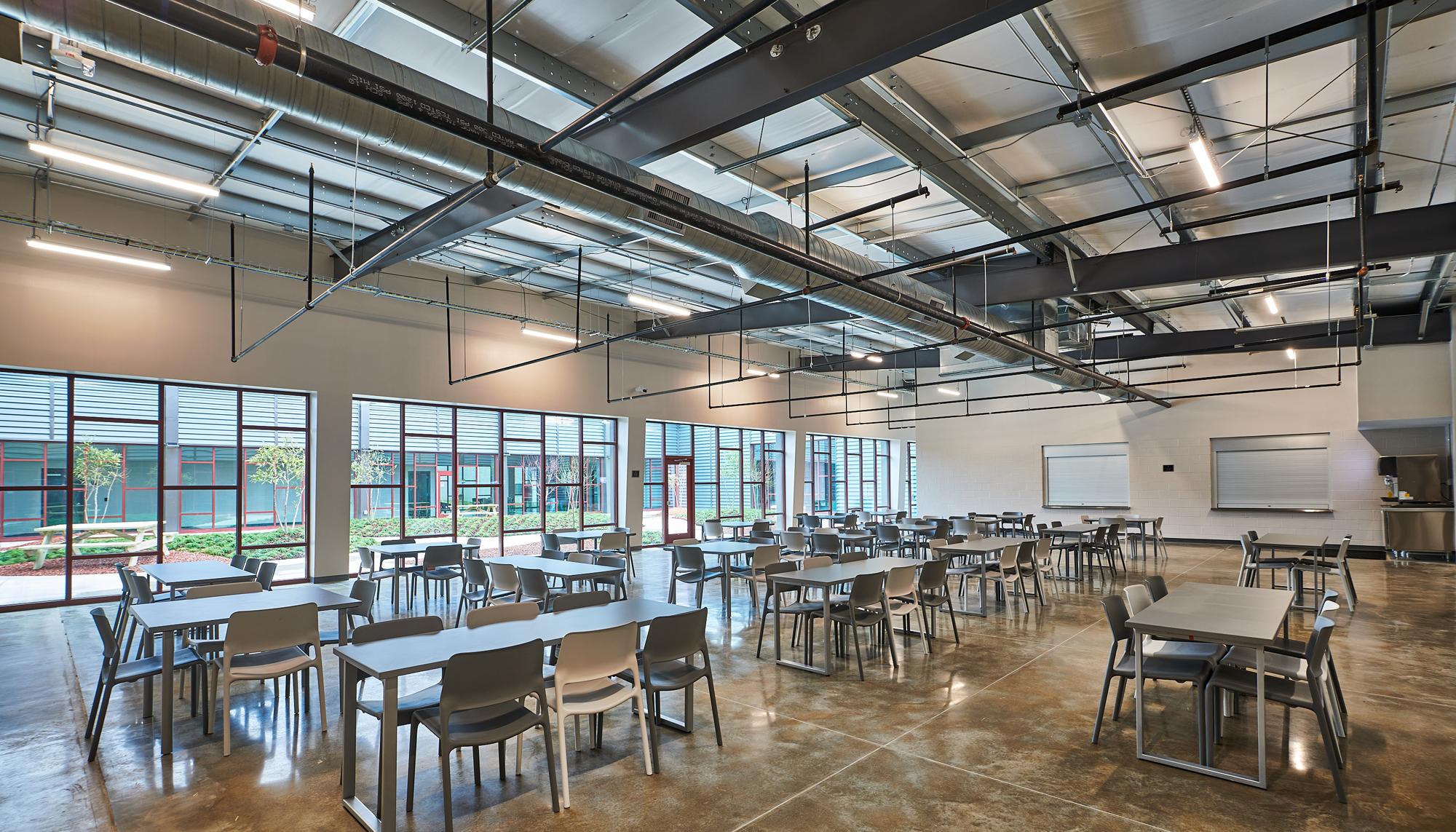
Inside, polished and epoxy-coated concrete floors provide a surface that is easy to clean and maintain. Floor drains and integrated wash-down systems support daily upkeep, ensuring that the facility can operate efficiently without adding complexity for staff.
Every material choice supports the same outcome: a building that performs reliably while remaining approachable.
The project didn’t begin with ideal conditions.
Construction started with limited space on site, with the building positioned close to property lines on three sides. There was little room for staging materials, which meant deliveries had to be carefully scheduled and, at times, unloaded directly from the street.
“We had to schedule items to arrive on site as they were needed for installation and avoid having too much stored material,” Fowler said. “We also stacked materials as we didn’t have the room to spread them out.”
Weather added another layer of complexity.
Seventeen of the first 35 days of construction brought rain, creating challenges for site preparation. The native soil, a heavy clay, became unstable under those conditions. To keep the project moving, the team replaced it with a sandier building pad. It was an added step, but one that ensured long-term stability.
Even with these adjustments, coordination remained critical. From framing to panel installation, each phase had to align with limited space and changing conditions.
Horizontal panel installation required additional framing and precise layout to ensure that architectural lines remained consistent. At the same time, roof penetrations for mechanical systems had to be coordinated with structural elements to maintain performance.
None of these challenges were unexpected. But addressing them required a level of planning and communication that carried through the entire project.
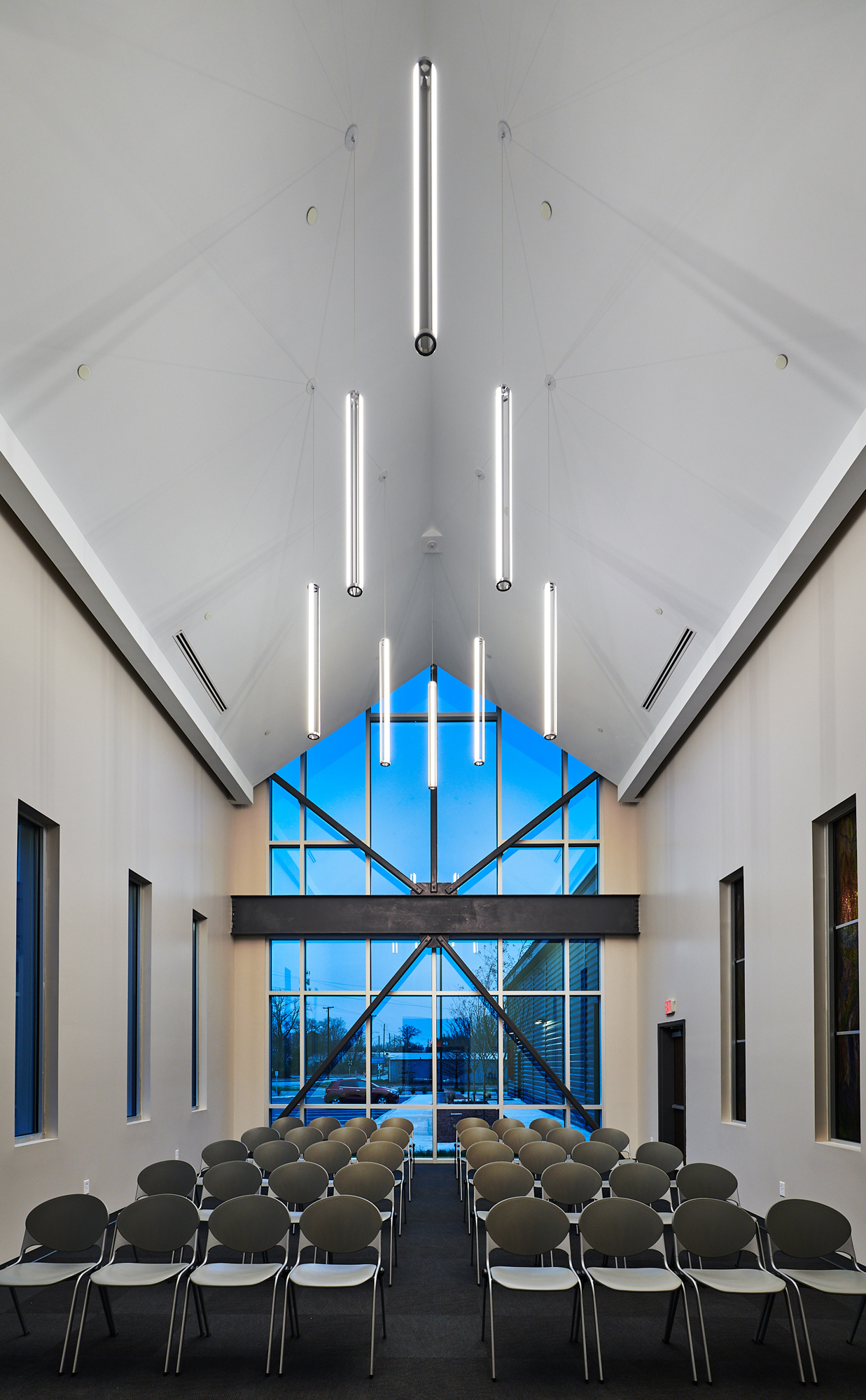
Beyond structure and systems, the building needed to respond to its surroundings.
Community concerns had to be addressed early, particularly around how the facility would interact with the neighborhood. The previous shelter required individuals to wait outside for services, creating visibility and discomfort for both residents and neighbors.
The new design offers a different approach.
A central courtyard provides a space where individuals can gather within the building, offering privacy and a more controlled environment. This feature became a defining element of the project—one that supports both functionality and dignity.
Inside, the facility includes space for 112 individuals, more than doubling the capacity of the previous building. It also provides areas for medical screening, education programs, dining and quiet reflection.
As Melvin Harris, a former resident who now works at the shelter, shared, “I was on the street, pretty much, and really scared to be out there with no place to go. I just needed a hand up. A lot of the time, that’s all our homeless need – a hand up and a chance.”
That perspective reinforces what the building is meant to do.
Completed in January 2020, the new Firehouse Shelter reflects a coordinated effort between Dunn Building Company, Varco Pruden™ and the broader project team.
Recognized as a 2021 Hall of Fame “Best of Category” winner, the project demonstrates how practical design, durable systems and thoughtful planning can come together to support a larger purpose.
The building doesn’t rely on complexity to achieve its goals. It relies on alignment between materials, systems and the people it serves.
And in a project like this, that alignment makes the difference between a building that simply exists and one that continues to serve, day after day.
“The owner needed durability but didn’t want the building to look like a prison. We were able to achieve both goals by cladding this building with insulated metal panels (IMPs). The ribbed panels were turned to run horizontally, creating lines that are aesthetically pleasing, without sacrificing any of that durability.”
Tell us what you’re solving for. Share your challenges, timeline and aspirations, and we'll bring the engineering insight and practical creativity to shape ambitious, lasting structures, together.