Engineered to Adapt
Systems help teams respond to evolving project requirements, environmental demands and complex building conditions.


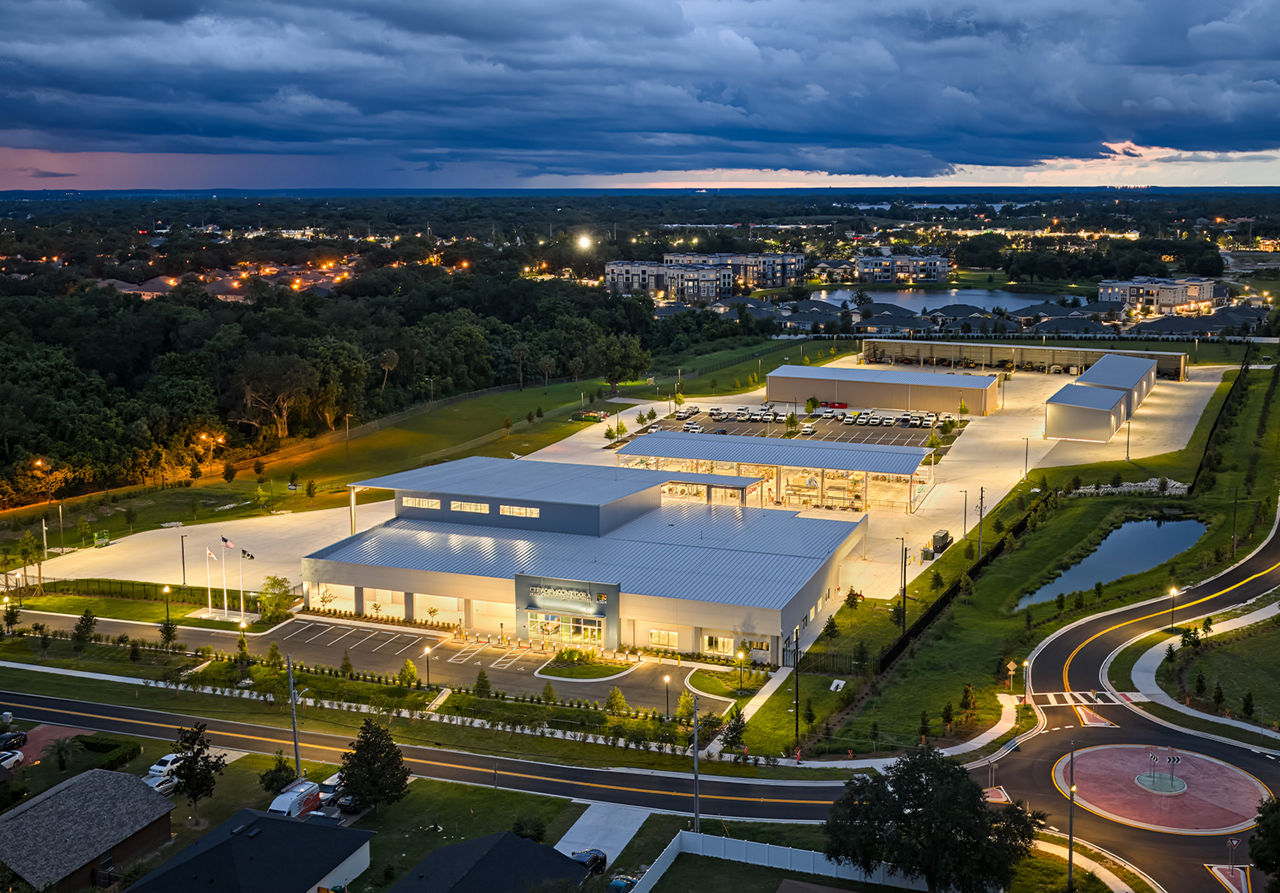
Engineered components, designed to the specifics of the project and fabricated before they ship. See what a VP PEMB makes possible.
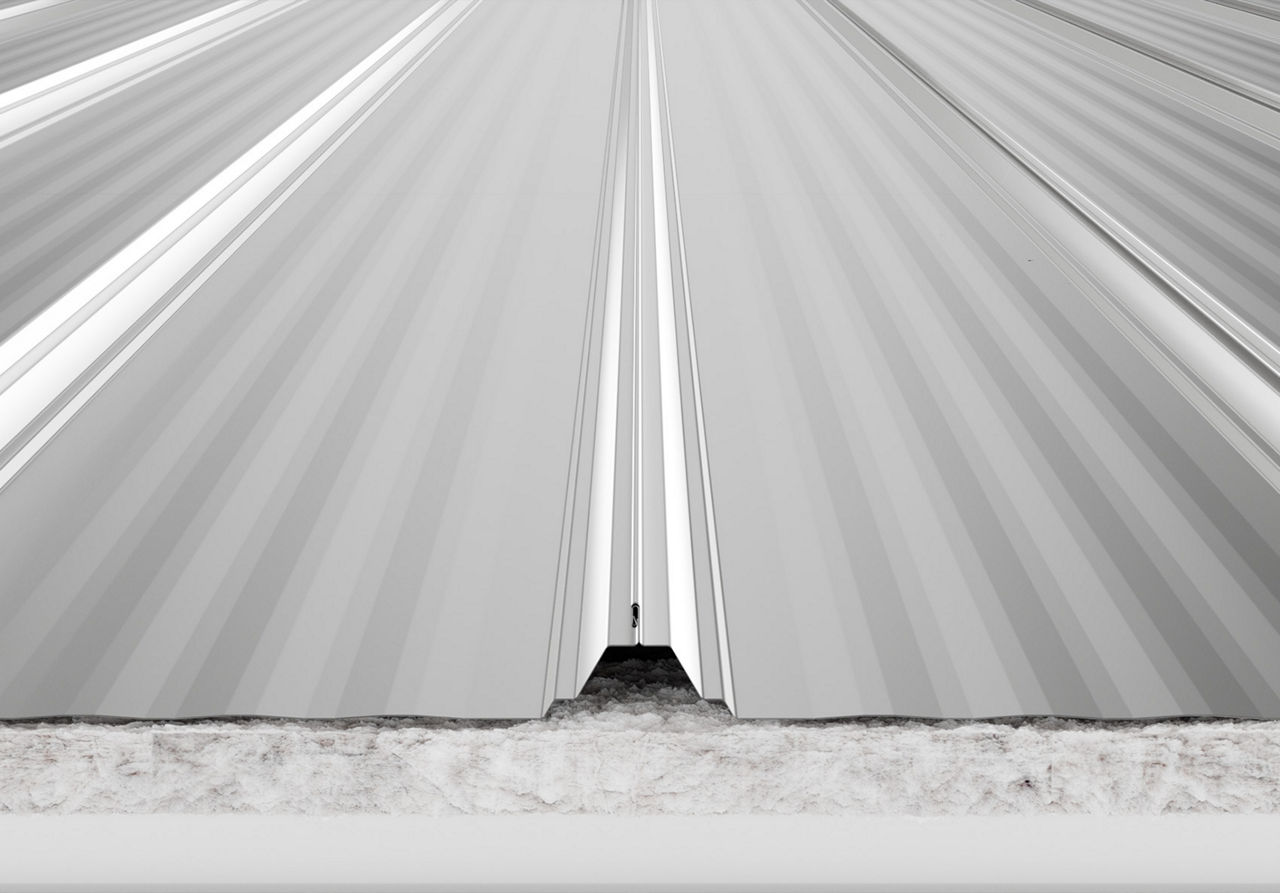
The standing seam roof with millions of square feet in service, machine-seamed into a single protective membrane.
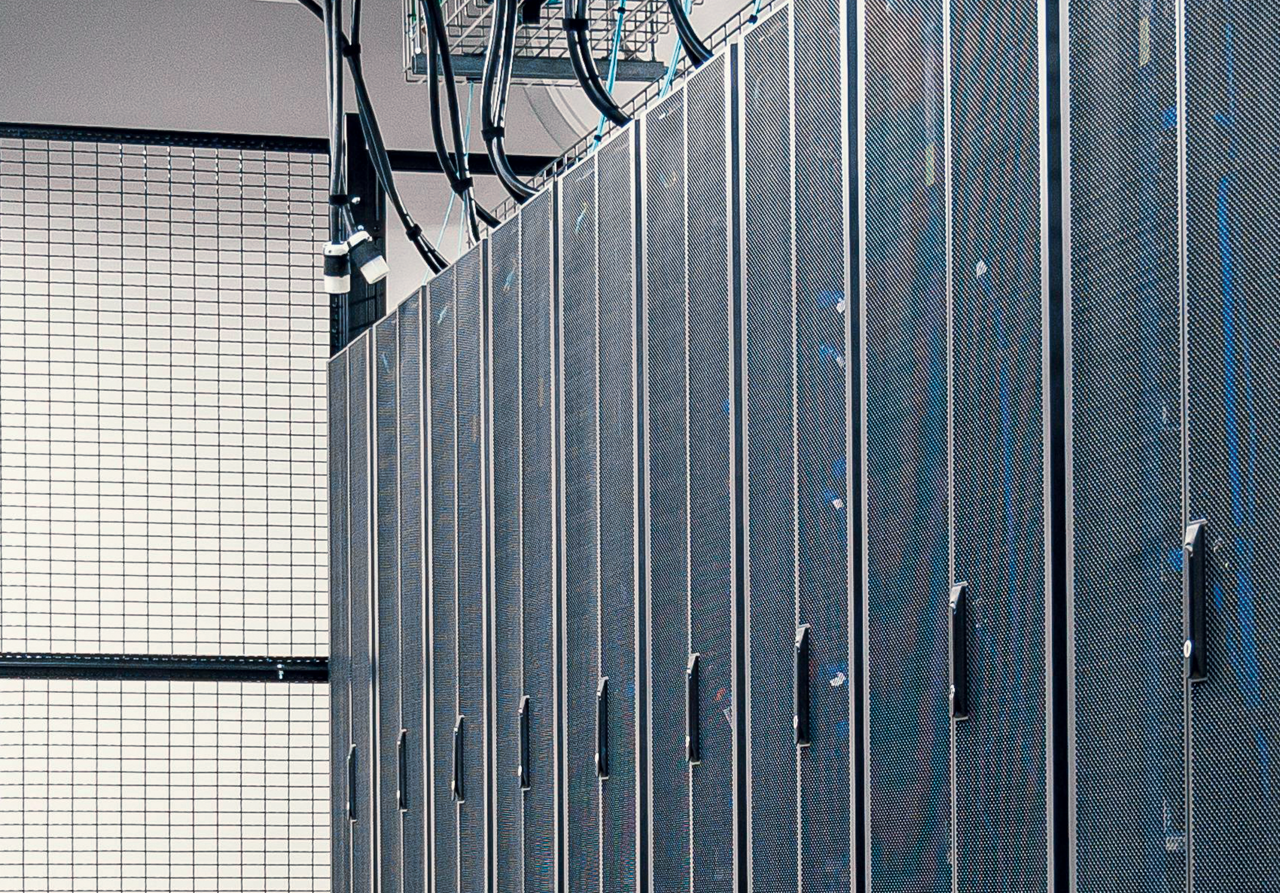
Mission-critical work calls for proven structural solutions. VP has shaped data center campuses across North America for the developers building the digital backbone.
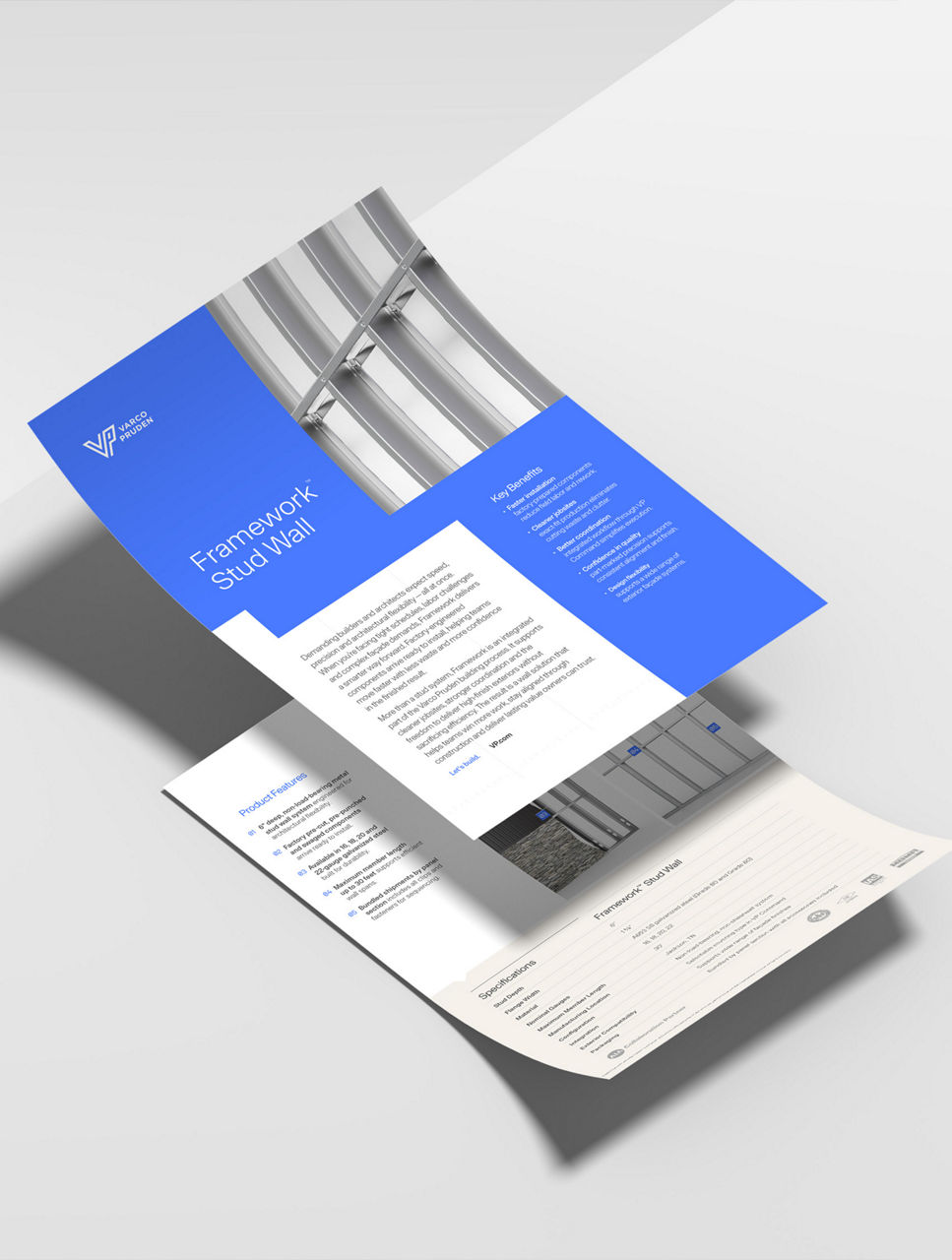
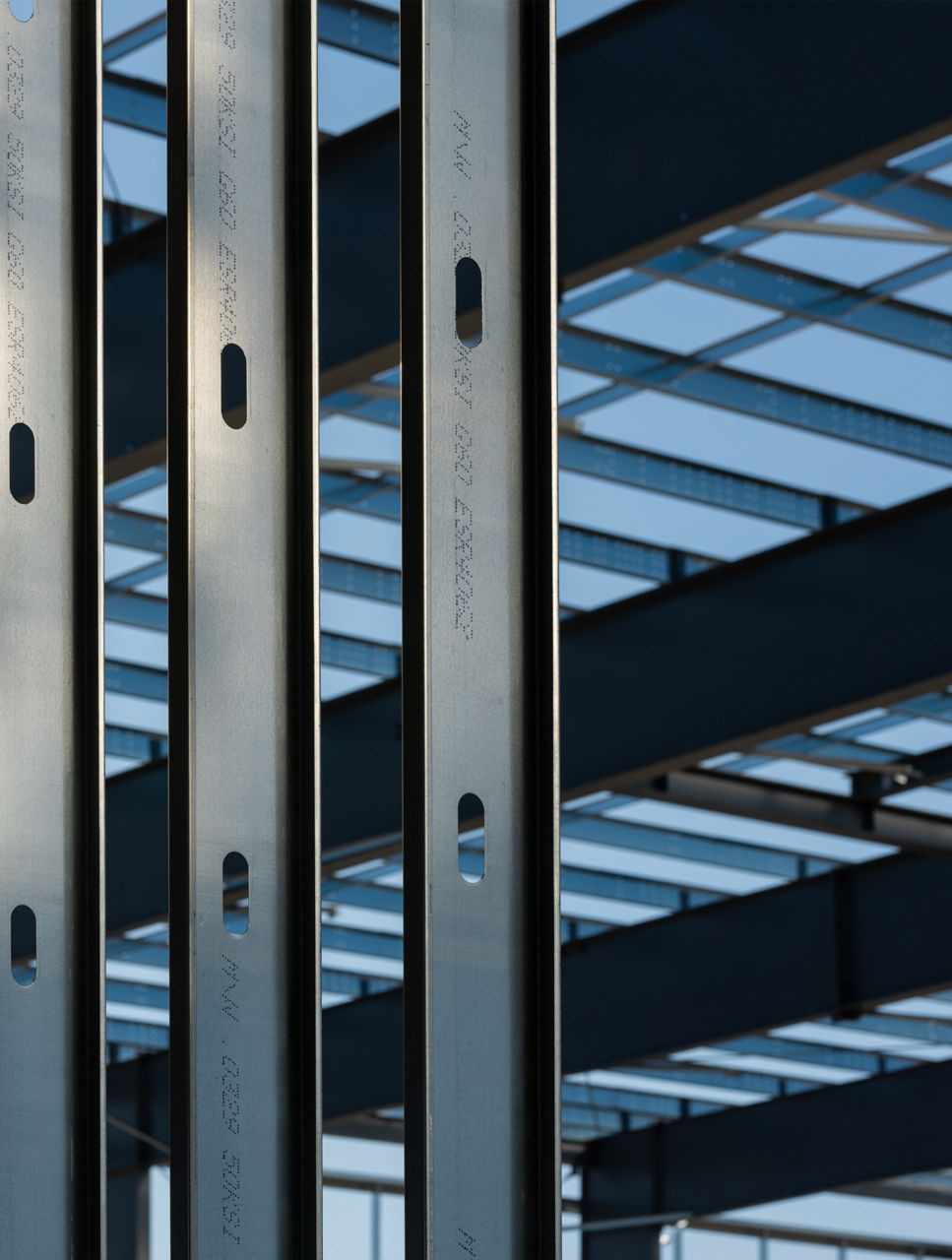

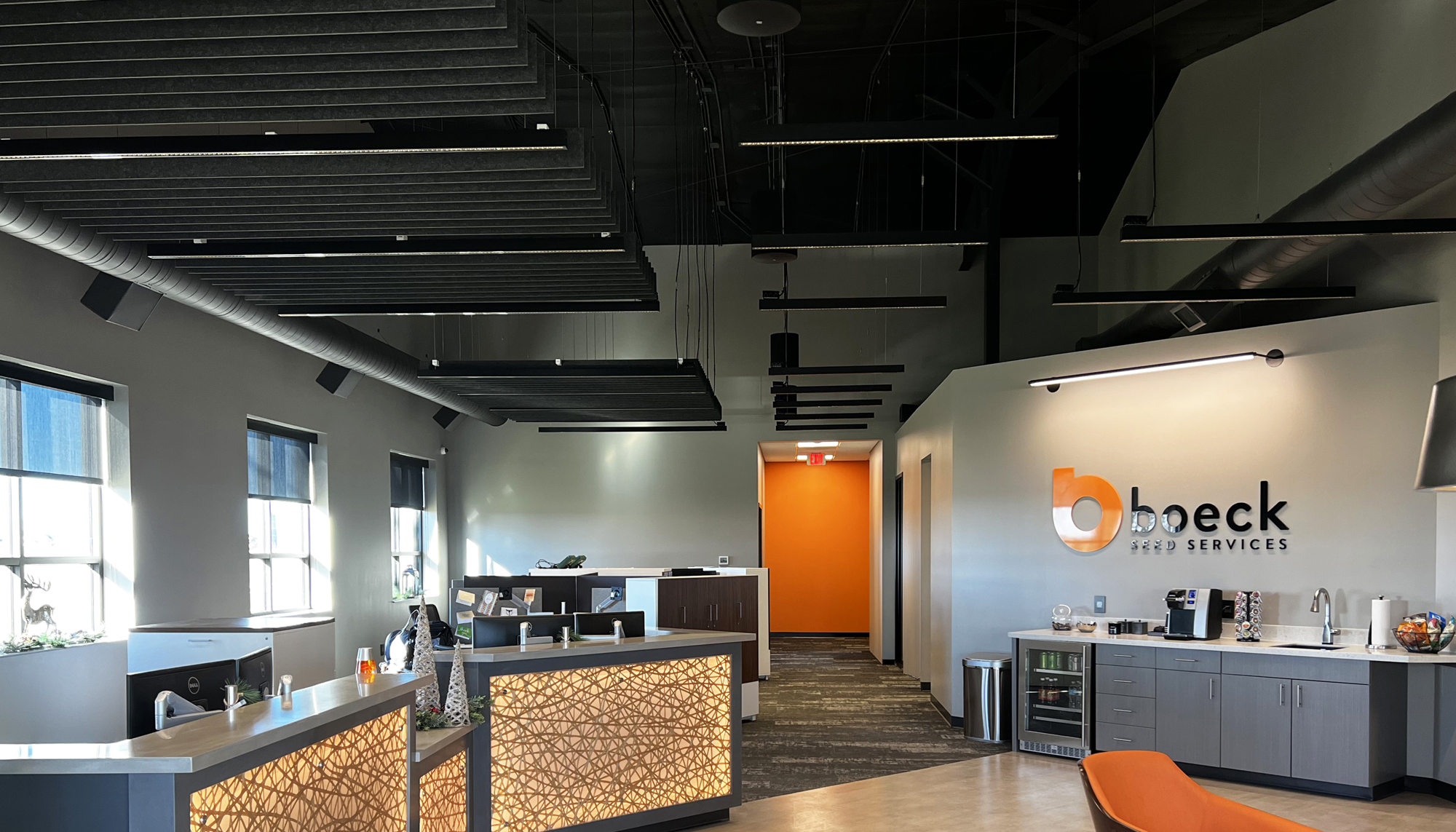
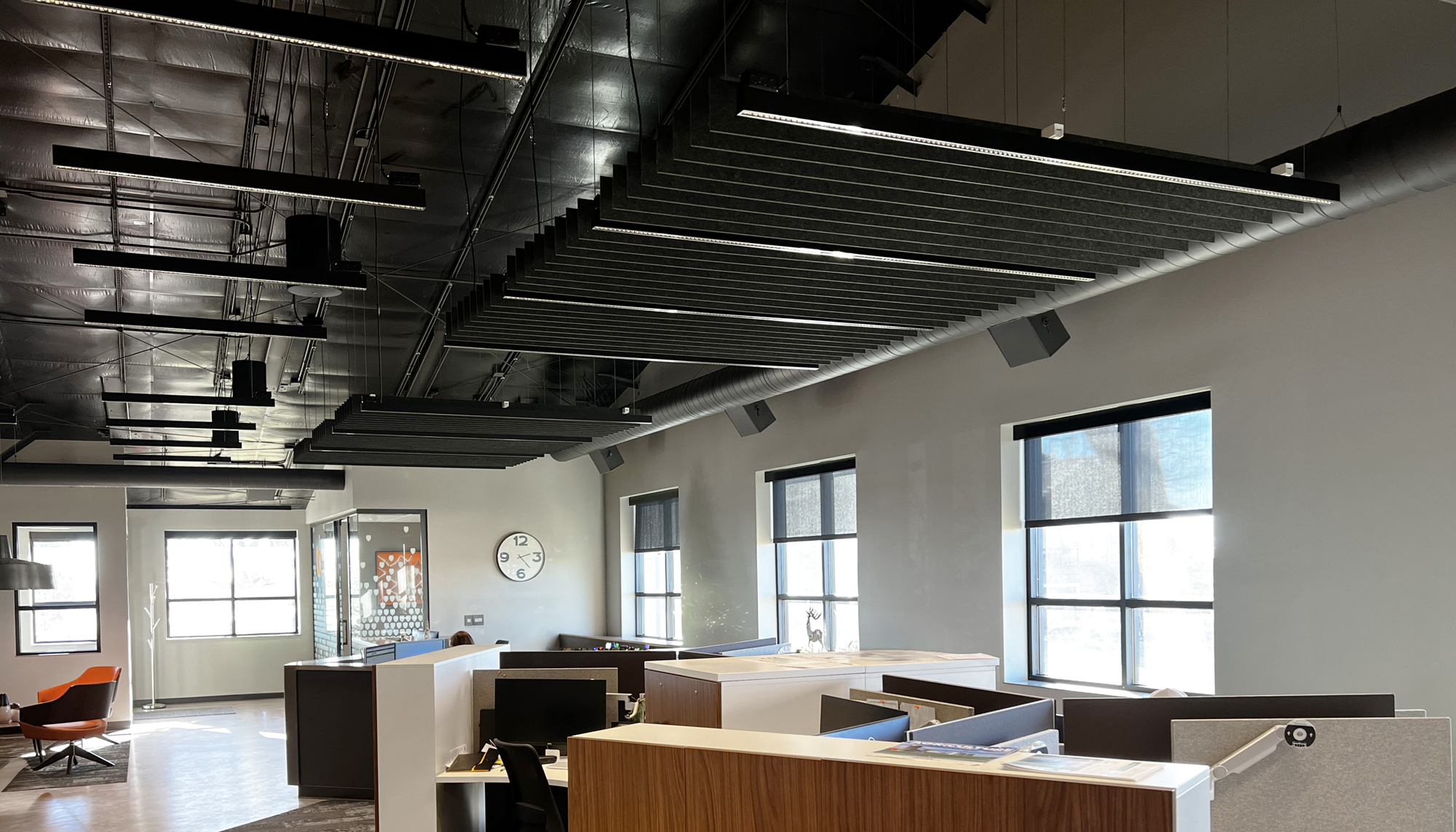
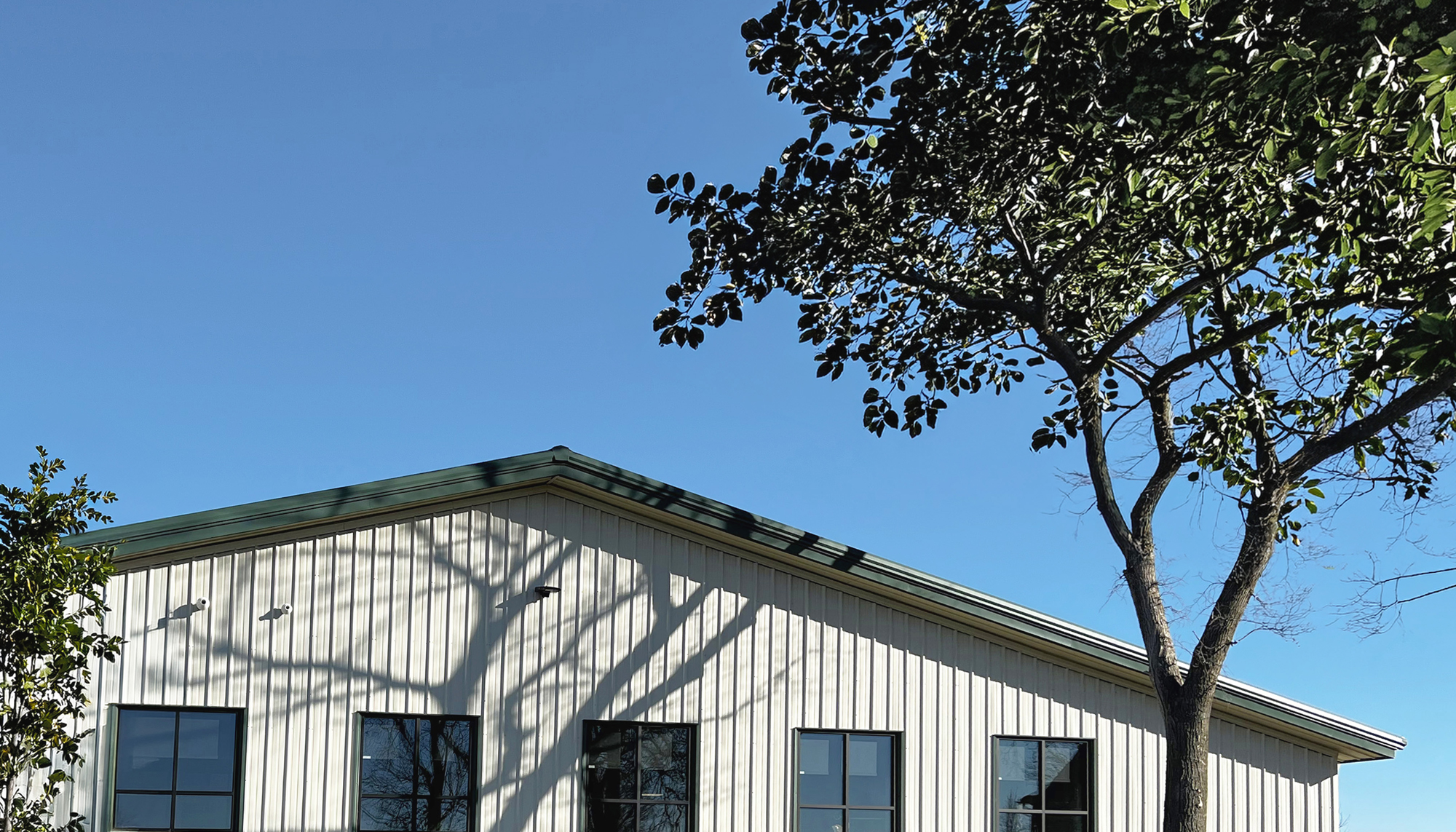
Expanding an existing facility required more than added space. This project needed to align with the original structure while introducing upgraded finishes and improved performance.
Through careful coordination, the team developed an office addition that integrates with the existing building while addressing roof height changes, structural transitions and insulation needs. The result is a cohesive environment that supports daily operations while maintaining consistency across the full facility.
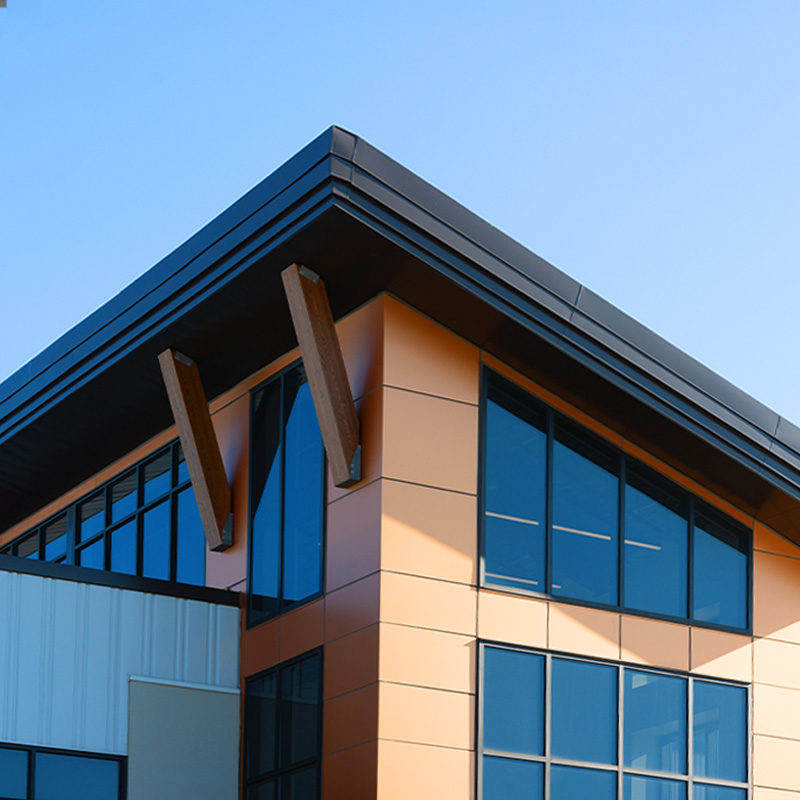
Systems help teams respond to evolving project requirements, environmental demands and complex building conditions.
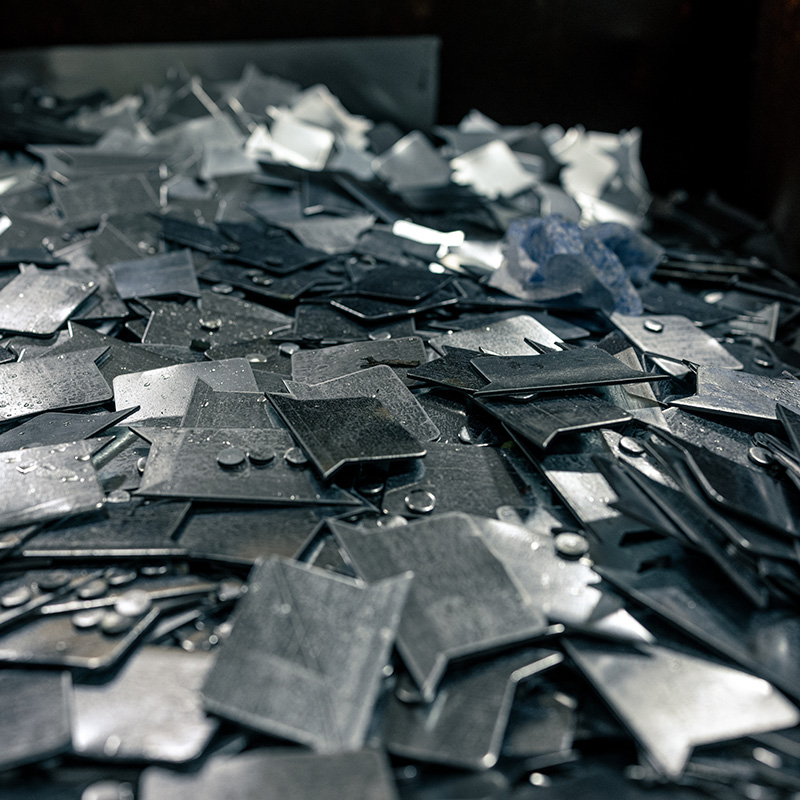
Coordinated fabrication processes help maximize material efficiency and reduce unnecessary project waste.
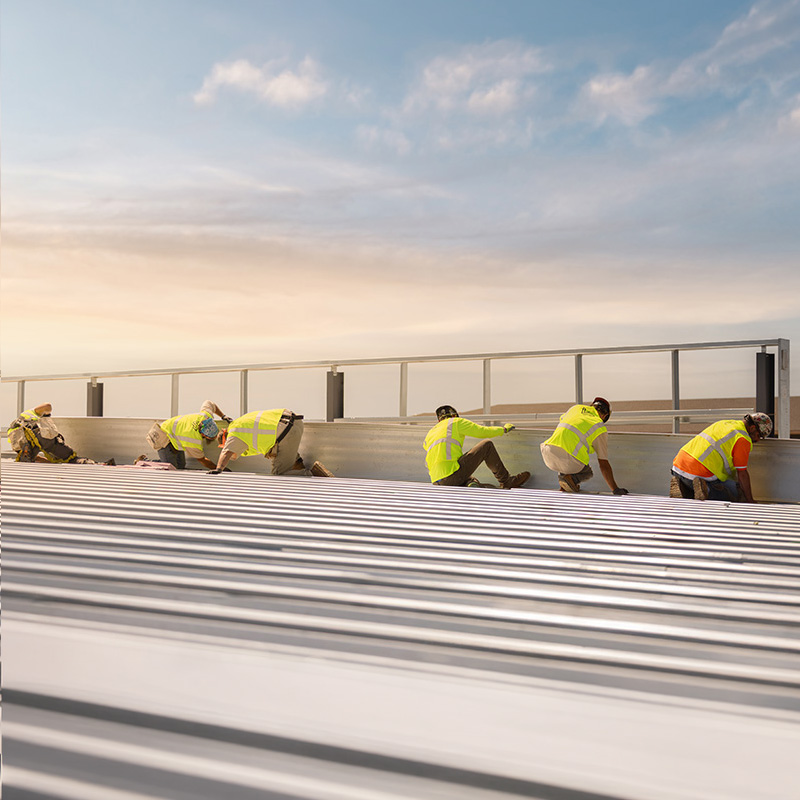
Integrated project workflows help teams shorten schedules and maintain construction momentum.
Boeck Seed Services
For Boeck Seed Services, expanding office space was not about starting over. It was about building onto something that already worked without disrupting its function or identity.
The addition needed to connect seamlessly to an existing facility while introducing a more refined interior environment. That meant aligning structure, materials and performance across both old and new, even as conditions changed from one space to the next.
Working with Schwisow Construction, a Varco Pruden™ Builder, the project focused on integration from the start. Every decision was measured against how well the addition would fit, not just physically but operationally and visually.
The most visible challenge came at the roofline.
The addition required an 80-foot transition in roof height, moving from a lower office space to a taller adjacent shop structure. This shift had to be managed without creating awkward intersections or compromising performance at the connection point.
At the same time, the building’s 3:12 roof pitch introduced tight clearances at the low eave, particularly near the main entrance. Coordinating these conditions required precise alignment between structural framing, roof systems and entry design.
Roof extensions and canopy overhangs were incorporated to create continuity across the exterior while also improving weather protection and usability. Soffit detailing helped tie these elements together, creating a clean transition between elevations.
These adjustments were not isolated fixes. They were part of a coordinated effort to ensure that the building reads as one continuous structure, even as it shifts in height and function.
While the exterior needed to align visually, the building also had to perform to a higher standard.
The roof system incorporates a high-R-value SLR II™ assembly, improving thermal performance across the addition. Wall insulation systems and black Simple Saver insulation were used to support consistent interior conditions, particularly important for office environments where comfort and efficiency are critical.
These systems work together to create a controlled interior environment, reducing energy demand while maintaining durability over time.
This reflects a broader VP approach: performance is not added later. It is integrated into the system from the beginning.
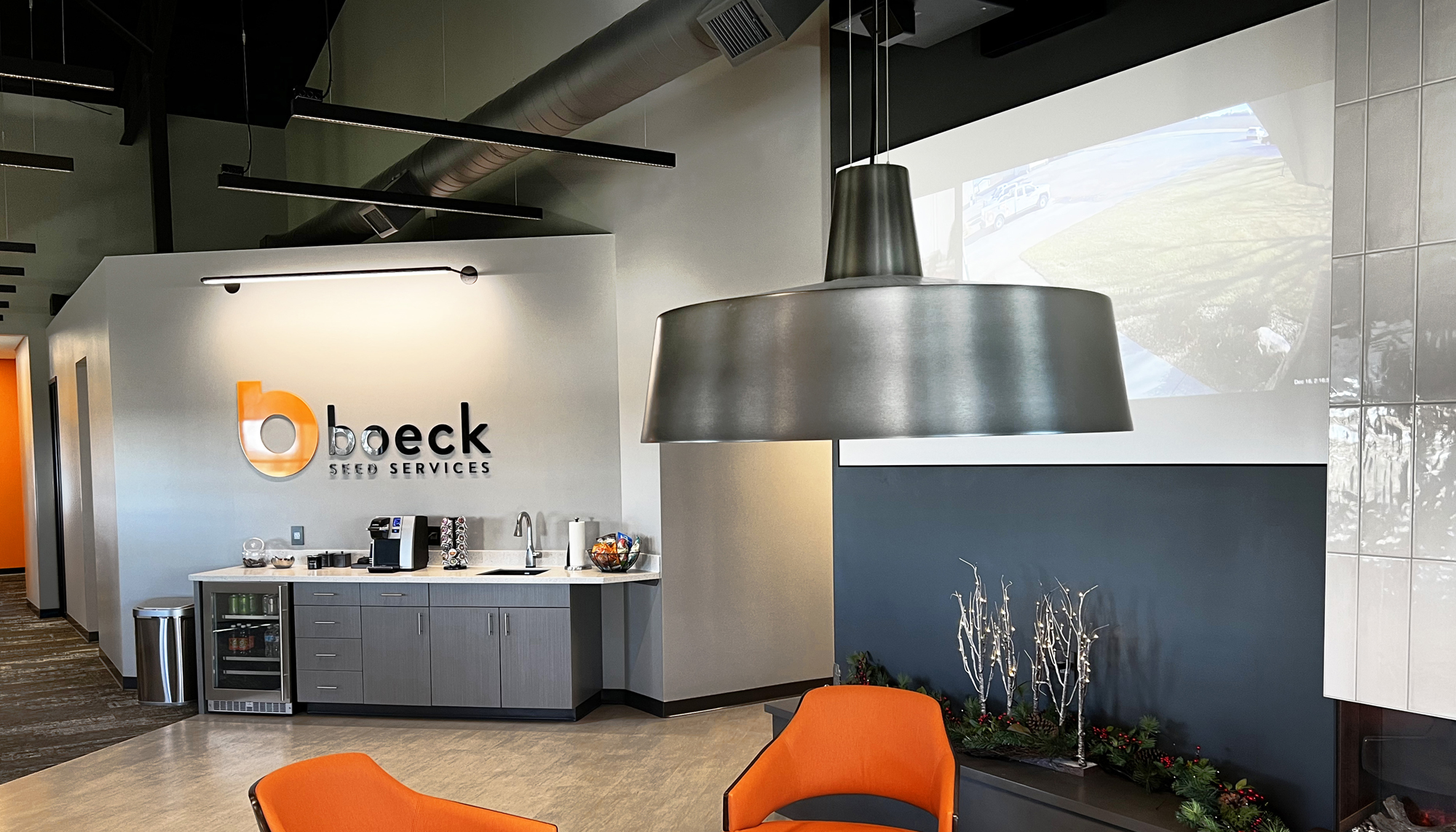
One of the most critical aspects of the project was the physical connection between the new office and the existing building.
Selective removal of the original wall was required to open the two spaces to one another. This process had to be carefully managed to maintain structural integrity while creating a clean, functional transition.
The result is a unified interior environment where movement between spaces feels natural. The addition does not read as separate. It operates as part of the whole.
Interior finishes were elevated to reflect the office environment, creating a contrast with the adjacent shop while still maintaining continuity in materials and detailing.
This balance, distinct but connected, was central to the project’s success.
Projects like this are defined by how well they handle constraints. Existing structures, varying elevations and performance requirements all shape what is possible.
In this case, the solution was not to simplify the challenge, but to work through it with clarity and coordination.
By aligning structure, systems and sequencing, the team delivered an addition that feels intentional from every angle. Rooflines transition cleanly. Materials remain consistent. Spaces connect without interruption.
The result is more than added square footage. It is a facility that continues to function as a single, cohesive environment, supporting both day-to-day operations and long-term growth.
This project reflects a practical approach to expansion: Understand what exists, adapt where needed and deliver a solution that fits as if it was always part of the plan.
Tell us what you’re solving for. Share your challenges, timeline and aspirations, and we'll bring the engineering insight and practical creativity to shape ambitious, lasting structures, together.