Buildings That Perform
Long-term weather resistance, simplified maintenance and coordinated performance across the entire building envelope.


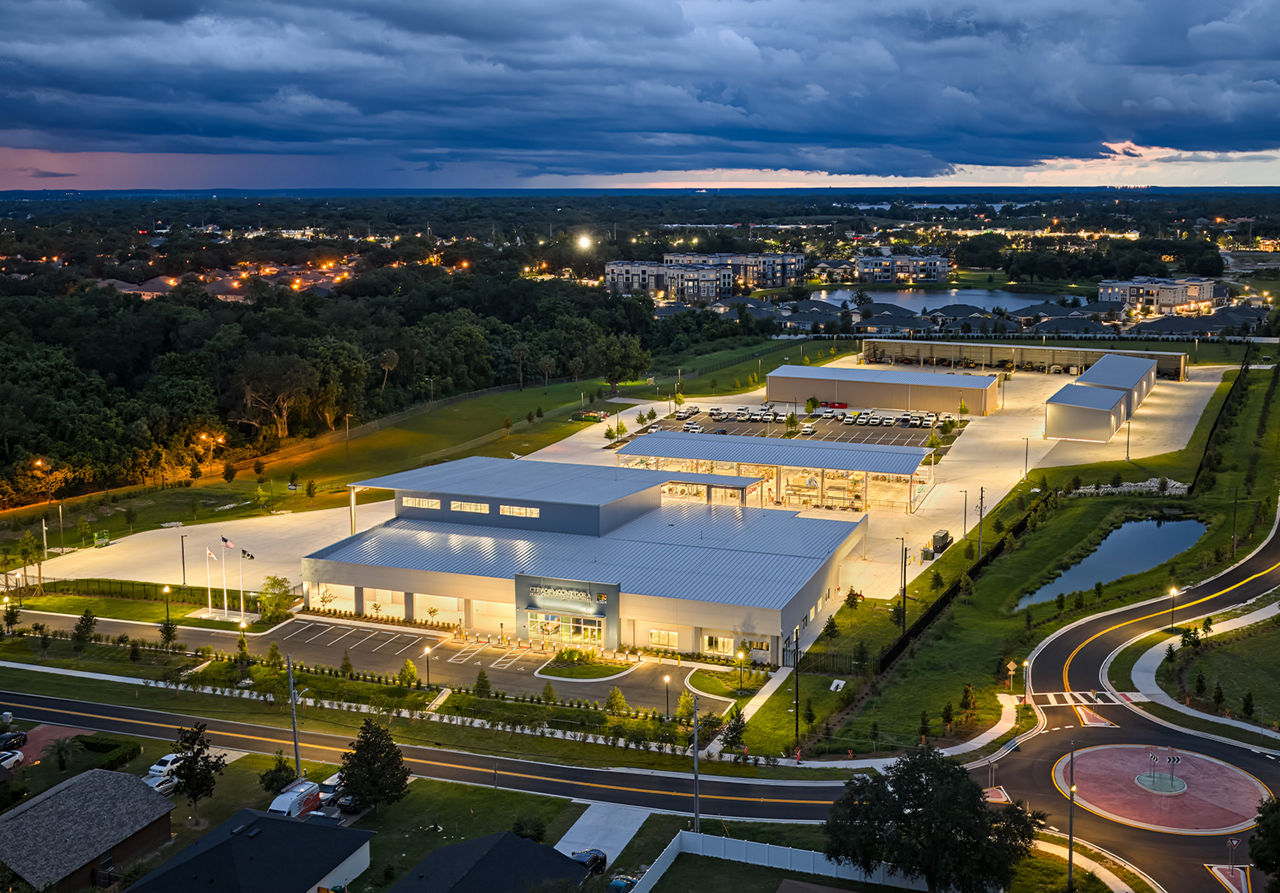
Engineered components, designed to the specifics of the project and fabricated before they ship. See what a VP PEMB makes possible.

The standing seam roof with millions of square feet in service, machine-seamed into a single protective membrane.
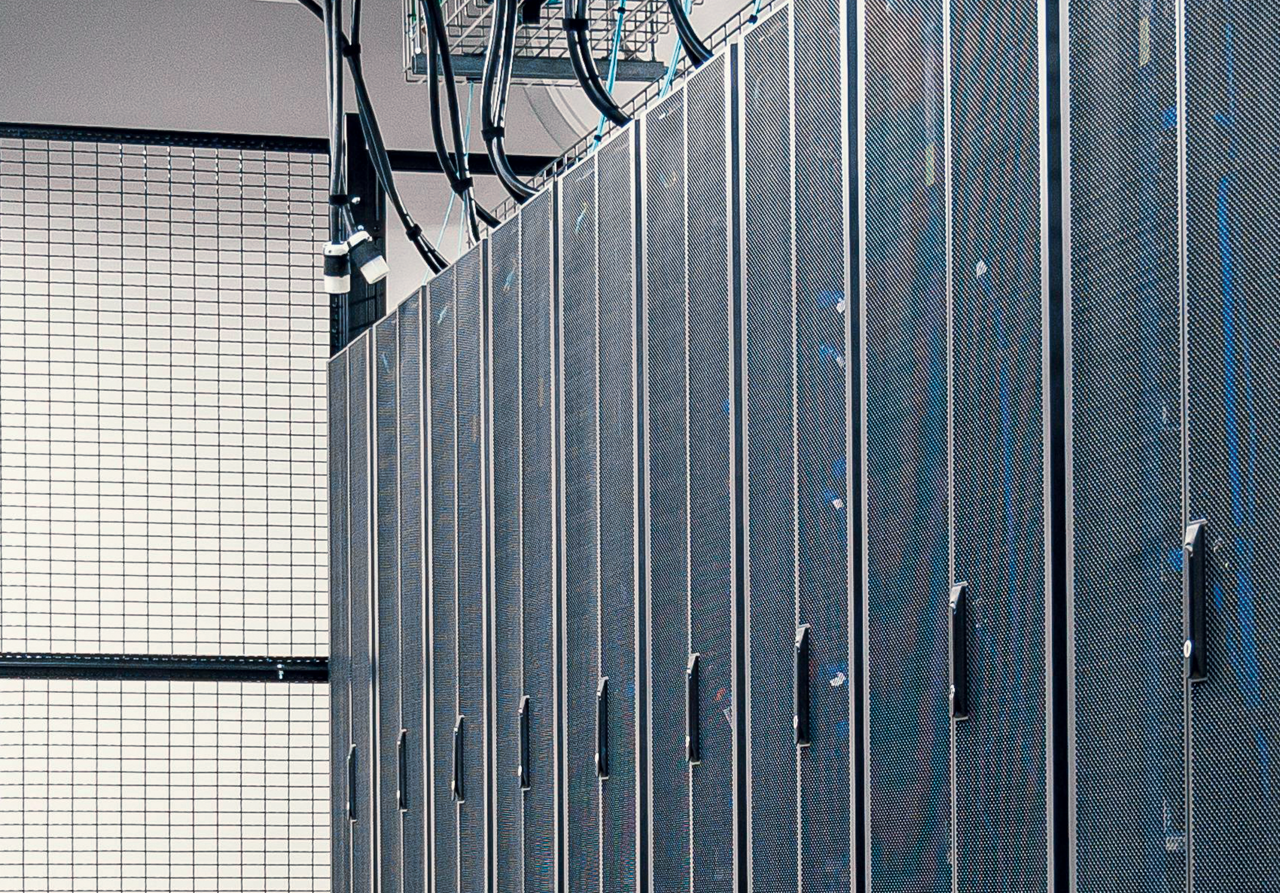
Mission-critical work calls for proven structural solutions. VP has shaped data center campuses across North America for the developers building the digital backbone.

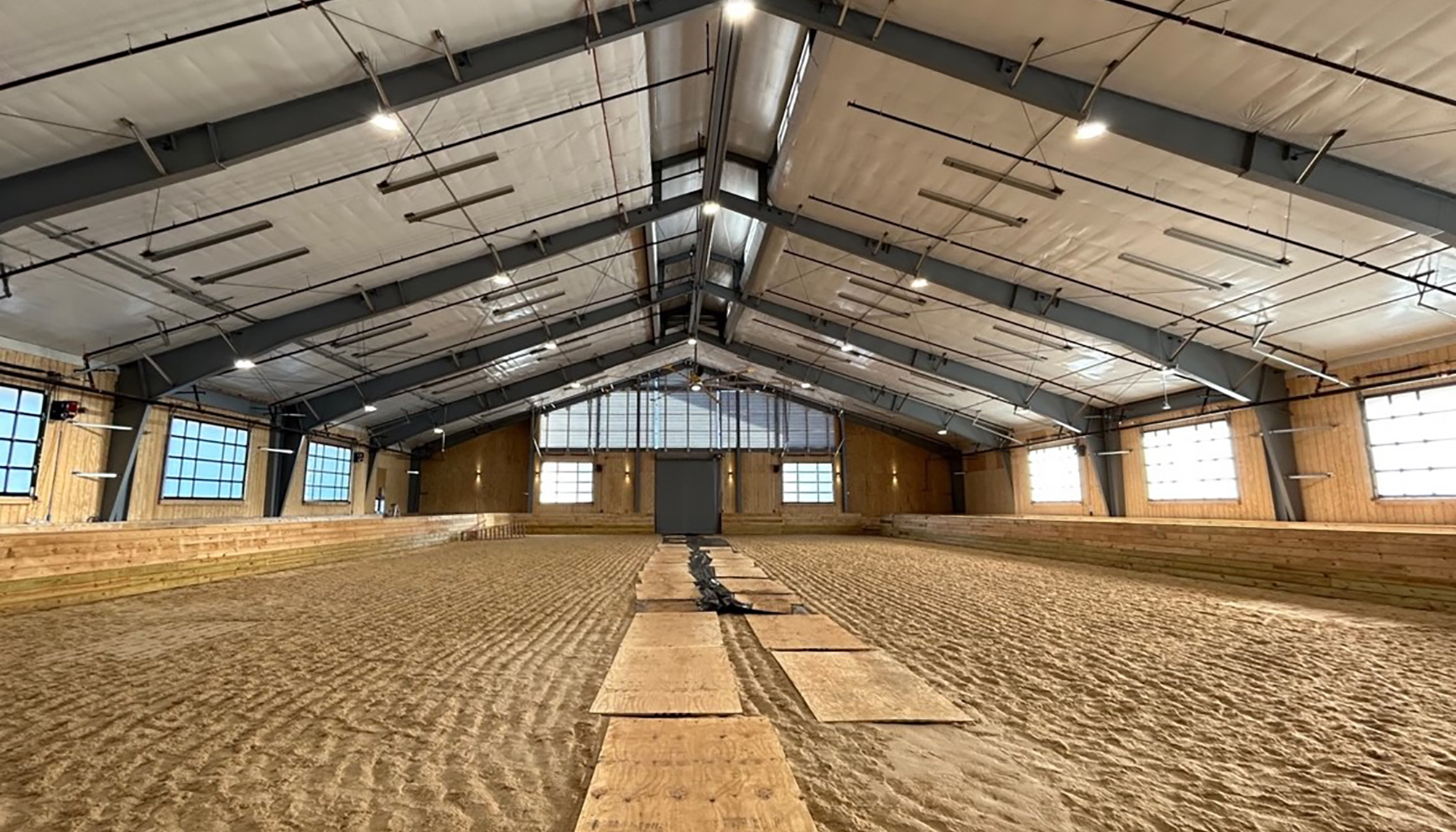
Expanding equine medical capabilities required a facility that could support advanced diagnostics in a controlled environment while connecting to existing treatment spaces. The challenge was integrating performance-driven design with specialized clinical needs.
Through coordinated planning and system integration, the team delivered an indoor arena tailored for evaluation, treatment and training. The result is a flexible, year-round environment that enhances veterinary care and supports a collaborative approach to equine health.
Long-term weather resistance, simplified maintenance and coordinated performance across the entire building envelope.
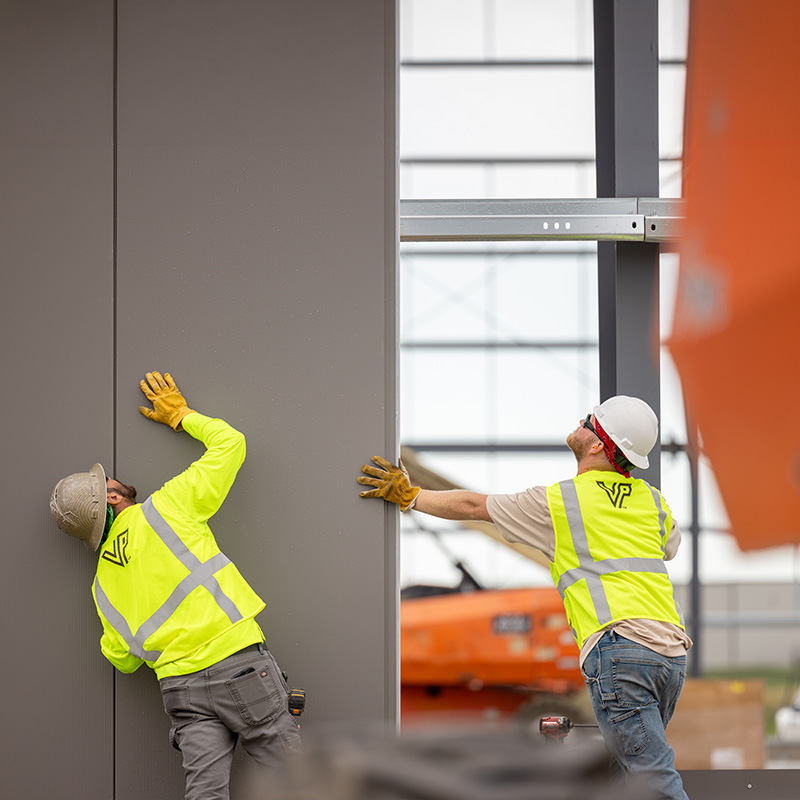
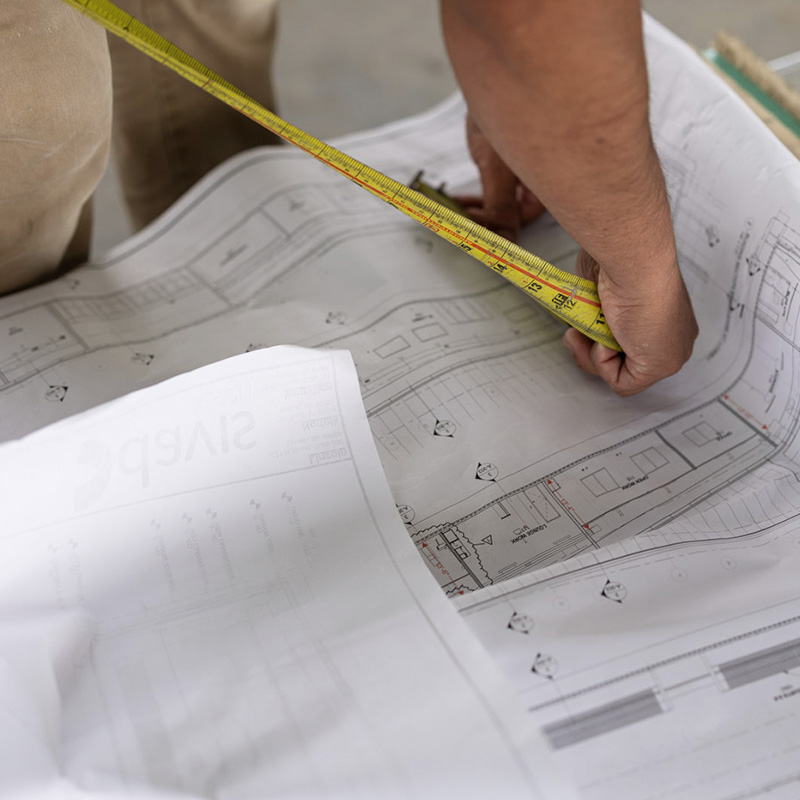
Teams work together early to improve constructability, coordination and confidence throughout the project process.
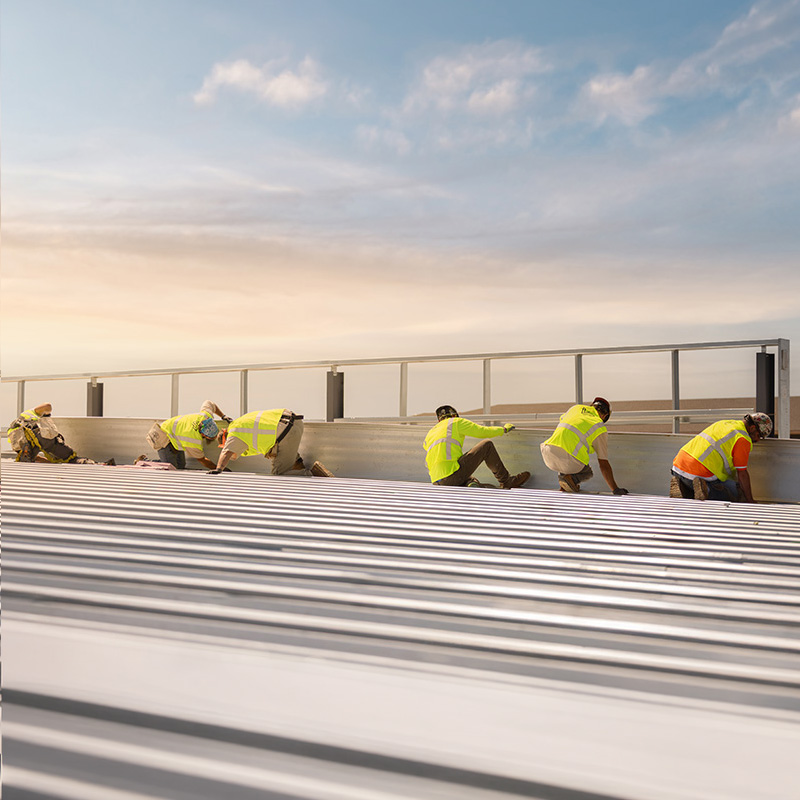
Our roof and wall systems shield your investment against decades of wear and tear.
Marion duPont Scott Equine Medical Center
Not every arena is built for competition. Some are built to understand performance at a deeper level.
At the Marion duPont Scott Equine Medical Center at Virginia Tech University in Leesburg, VA, the goal was to create a space where veterinarians, specialists and trainers could evaluate how horses move, breathe and perform without the limitations of weather or inconsistent conditions.
The Jane and Stephen Hale Equine Performance Evaluation Center does exactly that. It brings together diagnostics, treatment and training into a single indoor environment designed around how equine athletes are assessed.
And it does it in a way that feels connected to everything around it.
This facility was never meant to stand alone.
Linked by covered walkways to the Youngkin Equine Soundness Clinic and the Equine Podiatry Center, the new arena becomes part of a broader network of care. Horses move between spaces. Specialists collaborate across disciplines. Evaluations happen with access to imaging, podiatry and respiratory diagnostics all within reach.
That level of integration changes how care is delivered.
“These interconnected facilities will promote a collaborative, multidisciplinary approach to diagnosis and treatment, with specialists from different fields working together to solve sometimes complex athletic limiting issues in the horse,” said Michael Erskine, EMC director.
Inside the arena, that collaboration is supported by design.
Multiple surface types, hard, medium and soft, allow clinicians to observe how a horse performs under different conditions. Dedicated jogging strips and lunging areas provide additional ways to evaluate movement. A riding area supports under-saddle diagnostics, offering insight into how a horse performs with a rider.
“The addition of a covered arena with hard, medium, and soft surfaces for the dynamic portion of soundness exams, and a safe enclosed riding area for under saddle lameness examinations and upper airway dynamic endoscopy will expand and enhance our performance evaluations,” said Jennifer Barrett, Theodora Ayer Randolph Professor of Equine Surgery.
Each element supports a specific type of evaluation, but together they create a more complete picture of equine health.
Consistency matters in diagnostics. Weather, lighting and surface conditions can all influence how a horse moves.
This facility removes that variability.
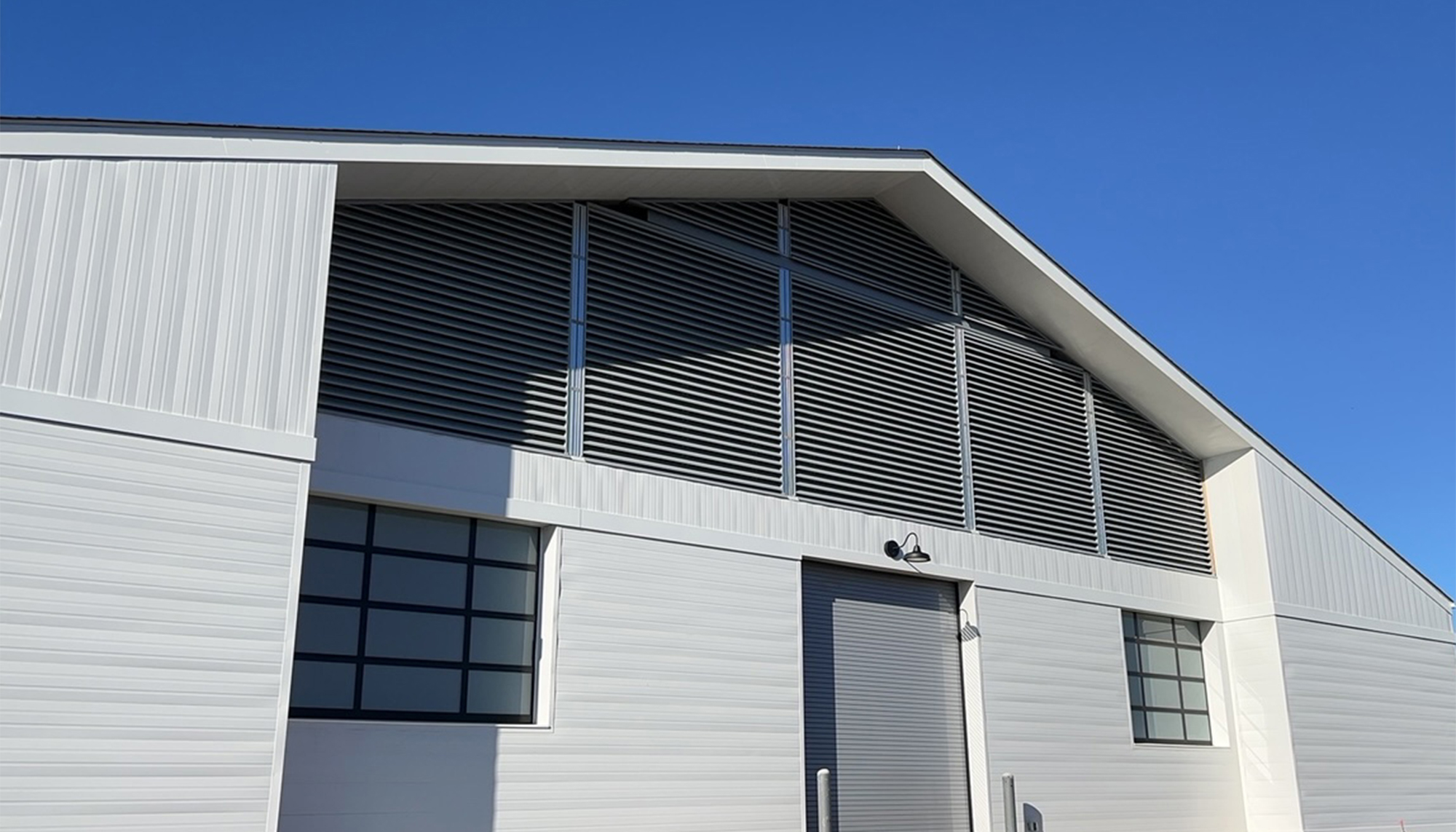
Clerestory windows introduce natural light into the arena, creating a balanced environment without harsh contrasts or shadows. This improves visibility for clinicians while maintaining a more natural setting for the animals.
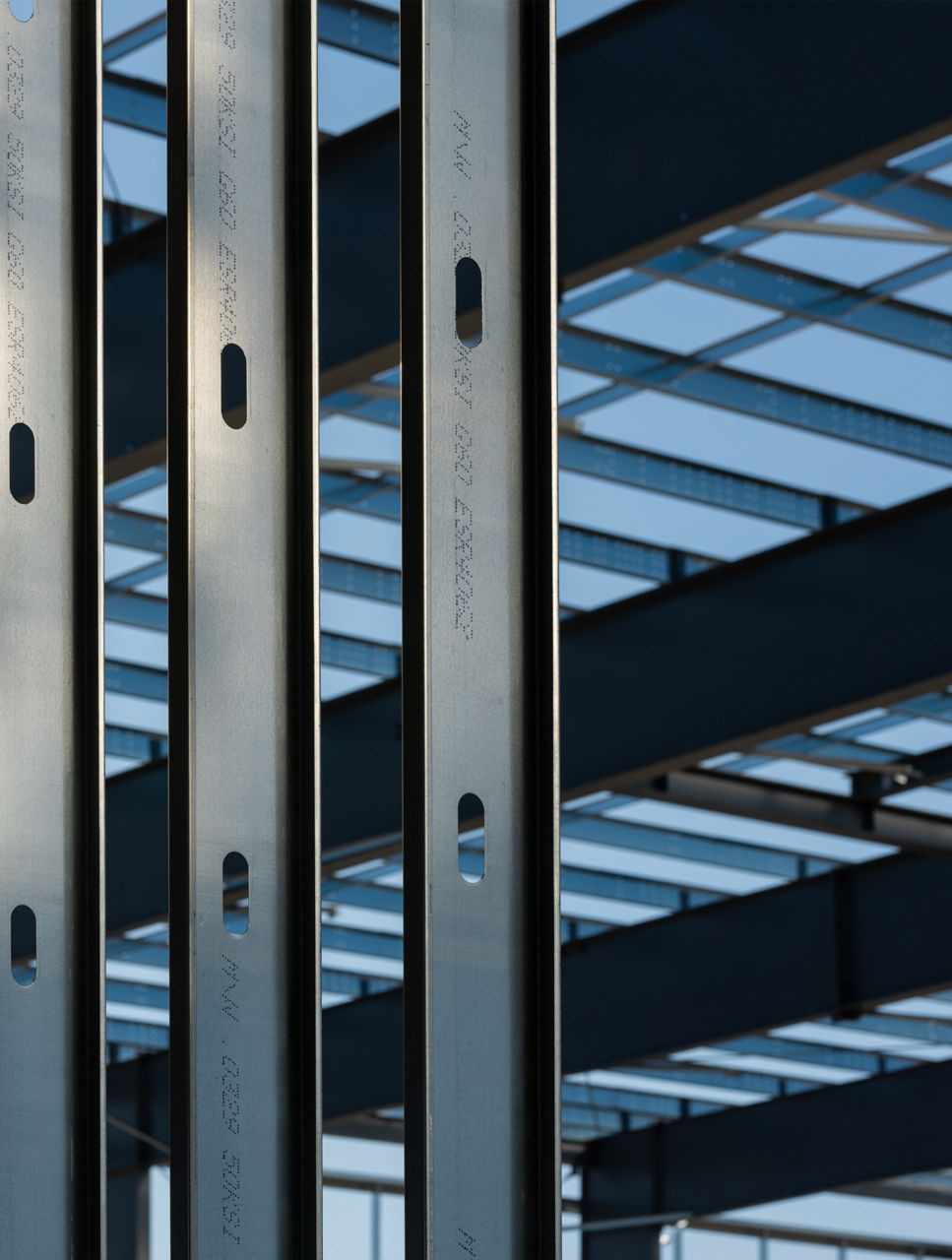
The roof system required careful coordination to achieve that outcome. Integrating the Skyliner system with an insulated plywood deck and shingle roof meant aligning structural spacing, daylighting and thermal performance within a single solution.
Purlins were spaced at approximately 2 feet 6 inches on center to support this configuration, ensuring that the system performed as intended across the full span.
Wall systems were equally coordinated. Girt spacing was designed to accommodate multiple panel orientations, allowing horizontal and vertical applications to work together without disrupting the overall assembly.
These are technical decisions, but they serve a clear purpose: create an environment where conditions remain controlled and reliable.
The path to completion wasn’t straightforward.
The project began with a groundbreaking in 2019, but progress was slowed by the COVID-19 pandemic and resulting supply chain challenges. Additional coordination was required to meet construction requirements tied to the site’s location on a limestone aquifer.
Rather than stall the project, these challenges reshaped how it moved forward.
Teams worked through sequencing, material availability and regulatory requirements, maintaining alignment across stakeholders. At the same time, philanthropic support continued to build momentum.
That support played a critical role in bringing the project to completion.
Today, the arena operates as part of a larger system focused on equine performance and care.
It provides a controlled environment for evaluation, supports advanced diagnostics and allows specialists to work together in ways that weren’t previously possible. More importantly, it creates consistency, ensuring that each assessment is based on reliable conditions.
For the veterinary team, that means clearer insights and more effective treatment plans.
For the broader community, it reinforces the center’s role as a leading destination for equine care.
Recognized as a 2024 Hall of Fame “Best of Category” winner in the Agriculture category, the project reflects what can happen when design, engineering and purpose stay aligned.
It’s not just an arena. It’s a tool: one that helps answer questions that couldn’t be fully addressed before.
And in this setting, that makes all the difference.
Tell us what you’re solving for. Share your challenges, timeline and aspirations, and we'll bring the engineering insight and practical creativity to shape ambitious, lasting structures, together.