Budget Control
Early visibility and coordinated planning help teams reduce surprises and maintain budget alignment.


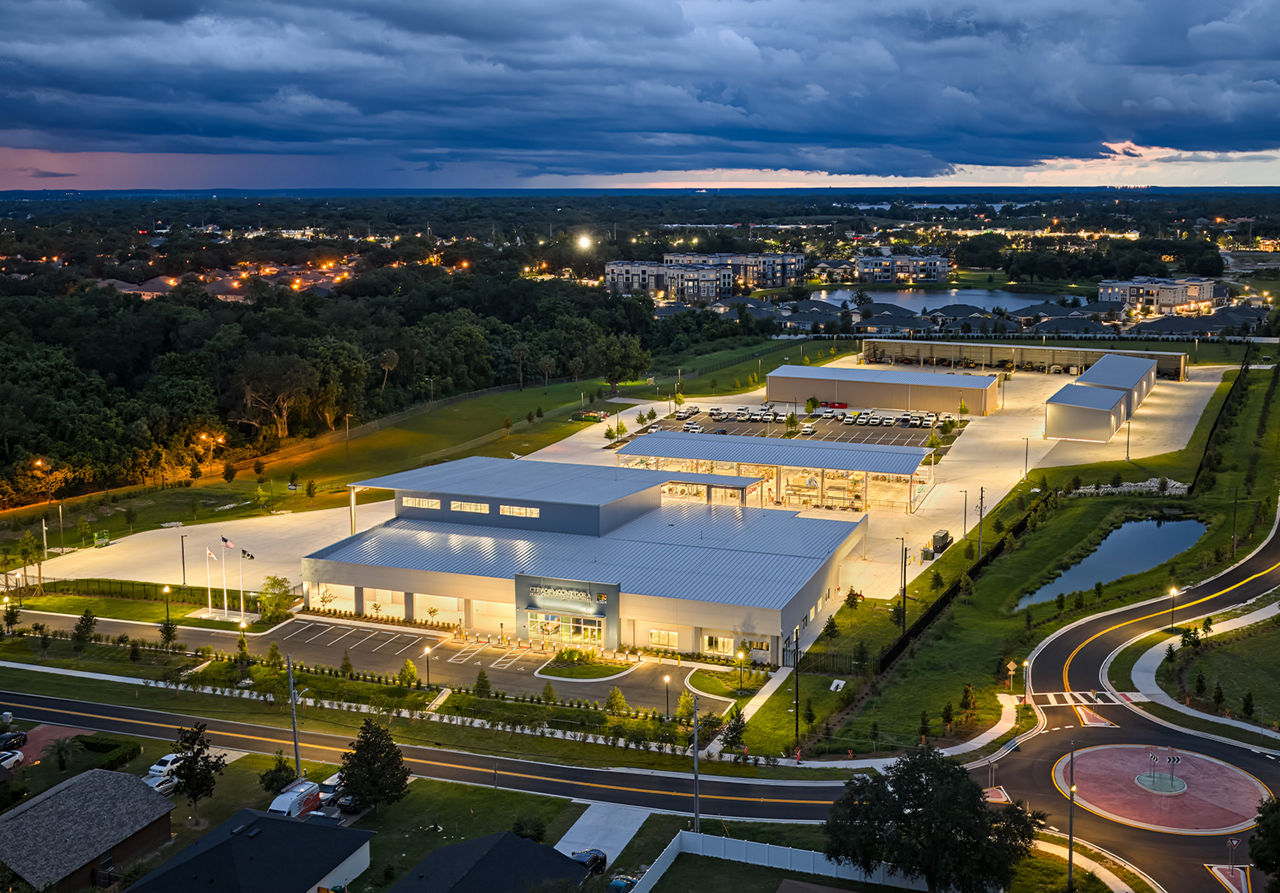
Engineered components, designed to the specifics of the project and fabricated before they ship. See what a VP PEMB makes possible.
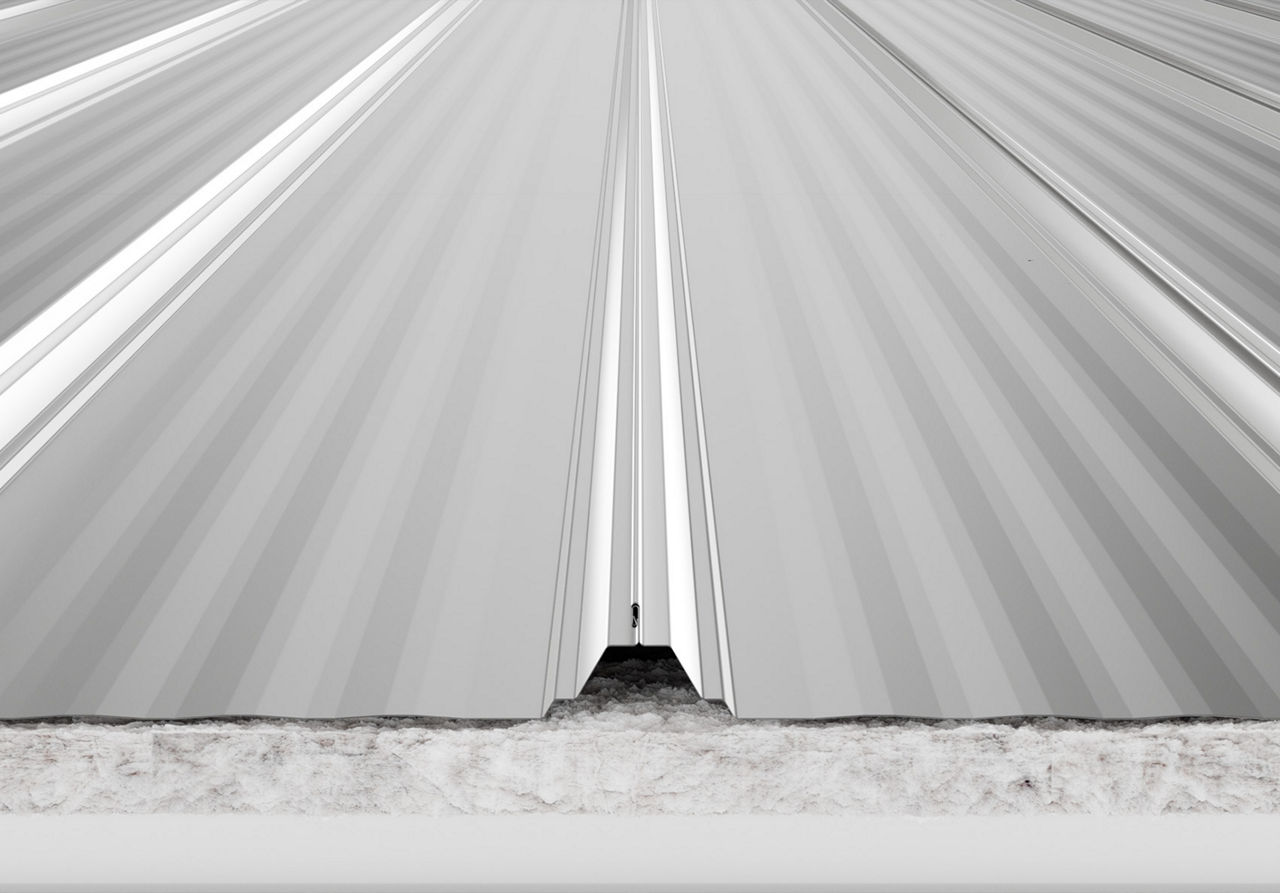
The standing seam roof with millions of square feet in service, machine-seamed into a single protective membrane.
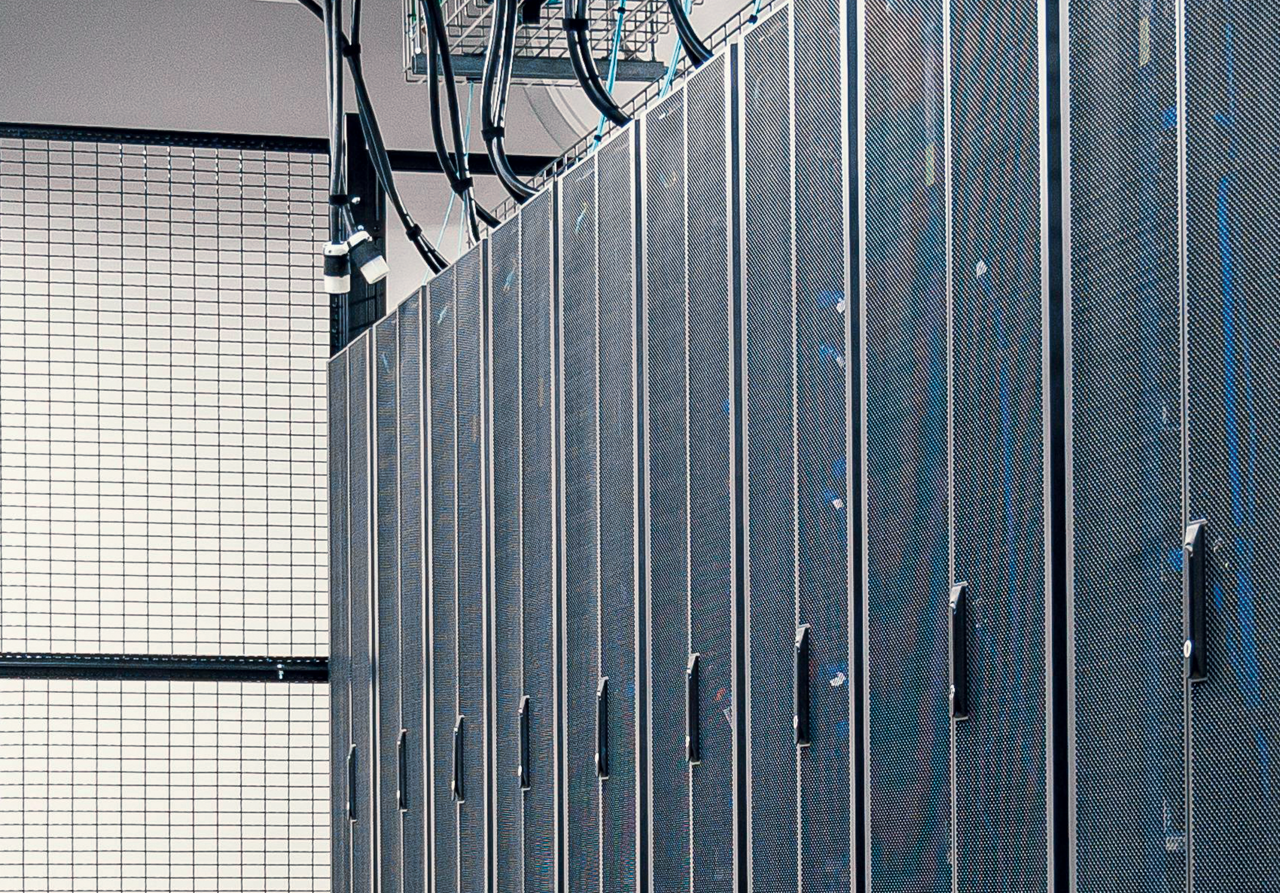
Mission-critical work calls for proven structural solutions. VP has shaped data center campuses across North America for the developers building the digital backbone.
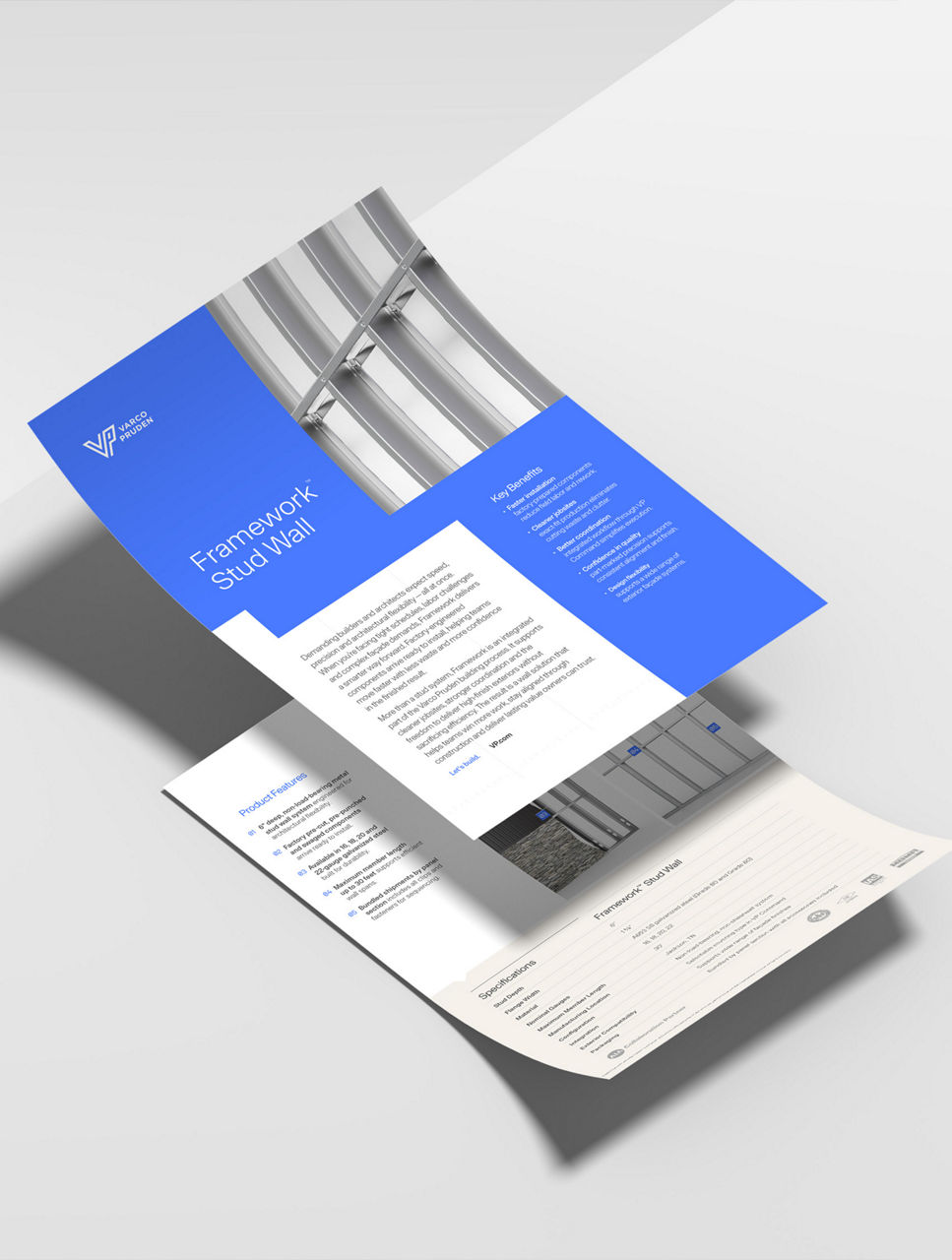
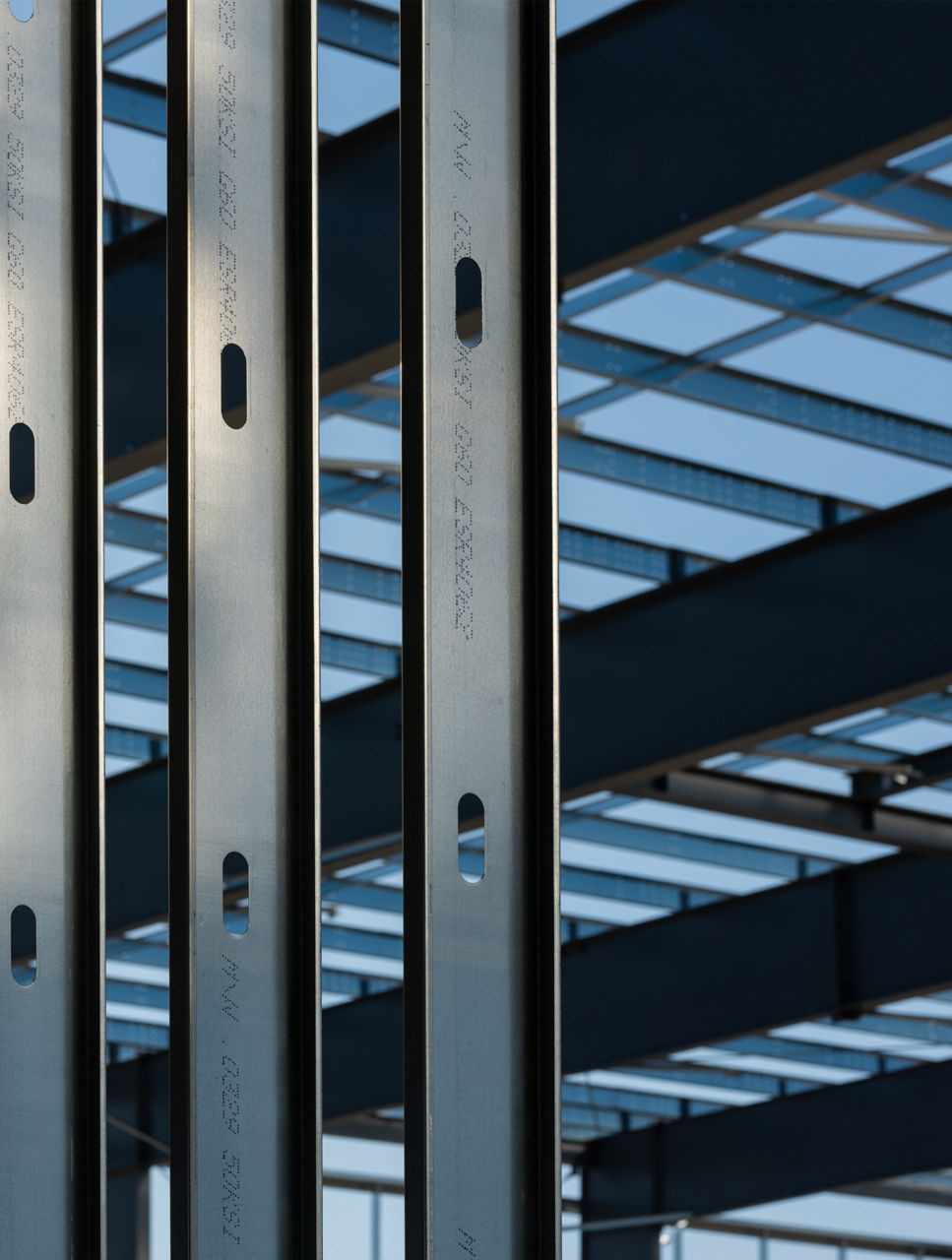

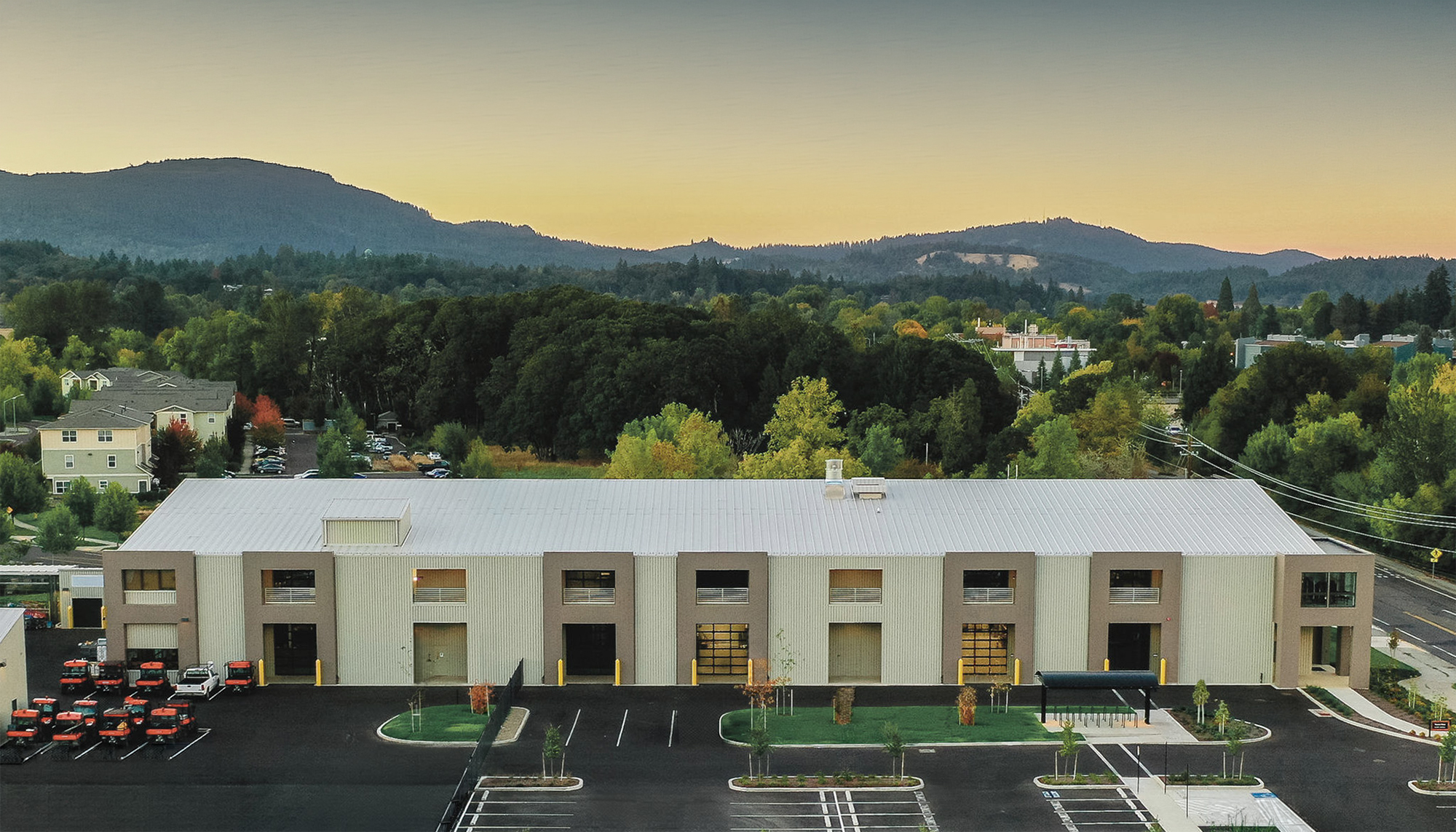
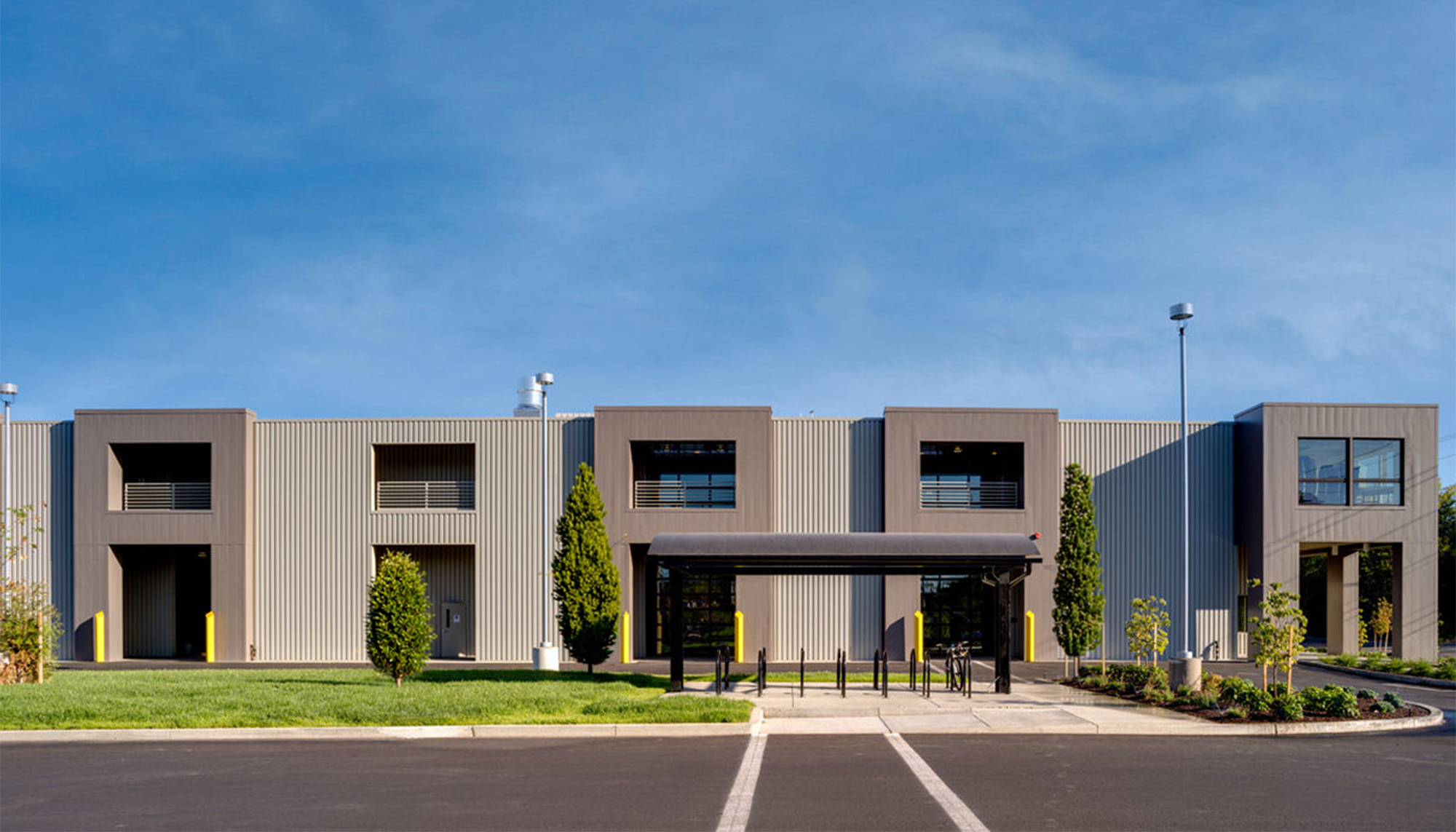
Oregon State University set out to replace multiple aging facilities with a centralized operations hub capable of supporting diverse functions and heavy structural demands. The challenge included seismic performance, multi-level loading and system coordination.
Working with its builder partner, the team developed a two-story facility that integrates structural efficiency, operational flow and energy performance. The result is a resilient, adaptable building that supports daily campus operations while simplifying long-term maintenance.
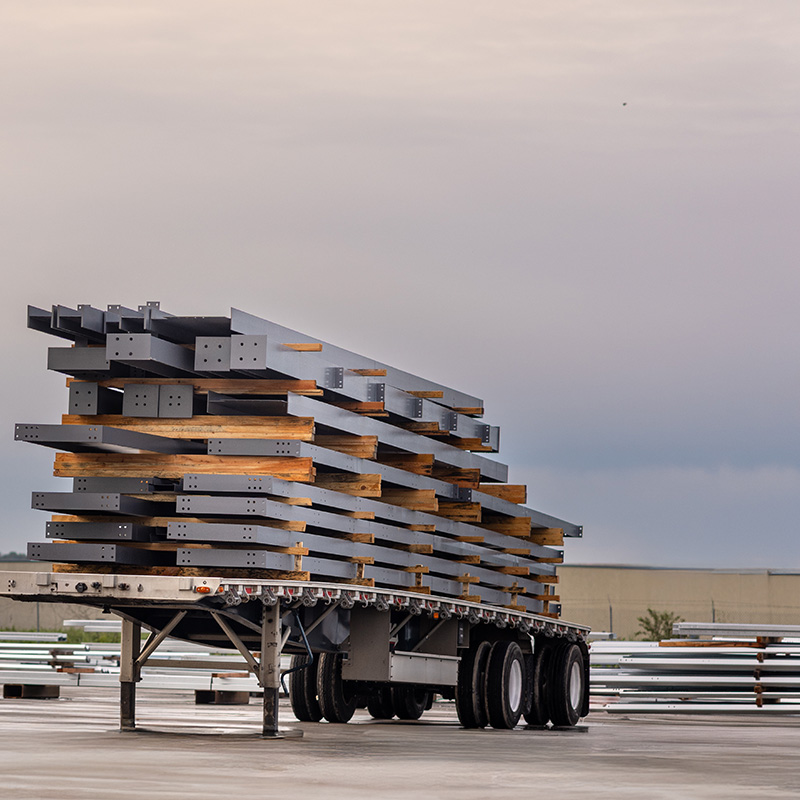
Early visibility and coordinated planning help teams reduce surprises and maintain budget alignment.
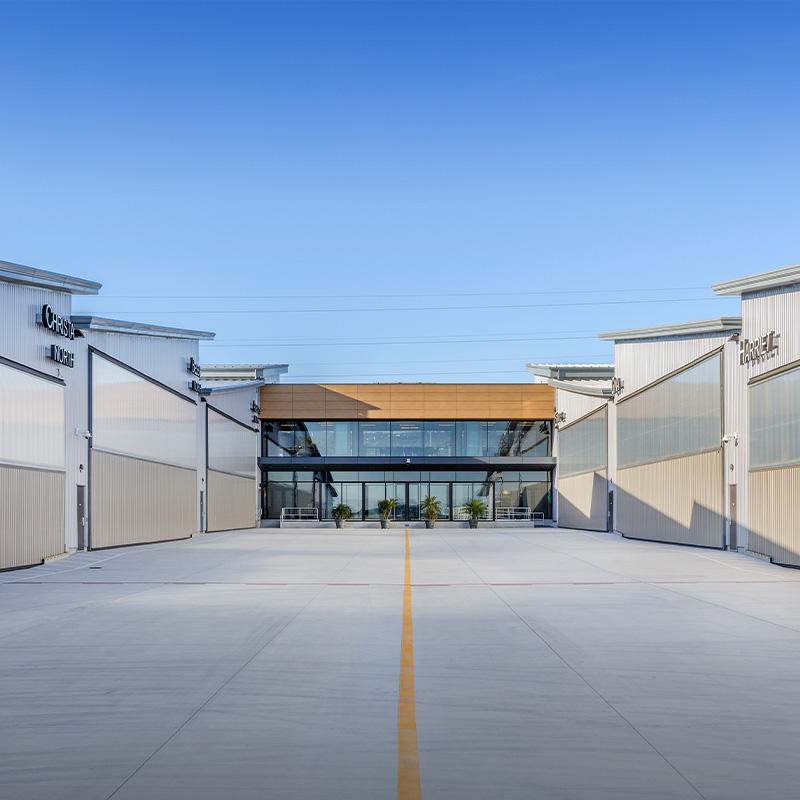
VP systems help projects respond to surrounding architecture while staying aligned with the customer’s vision and goals.
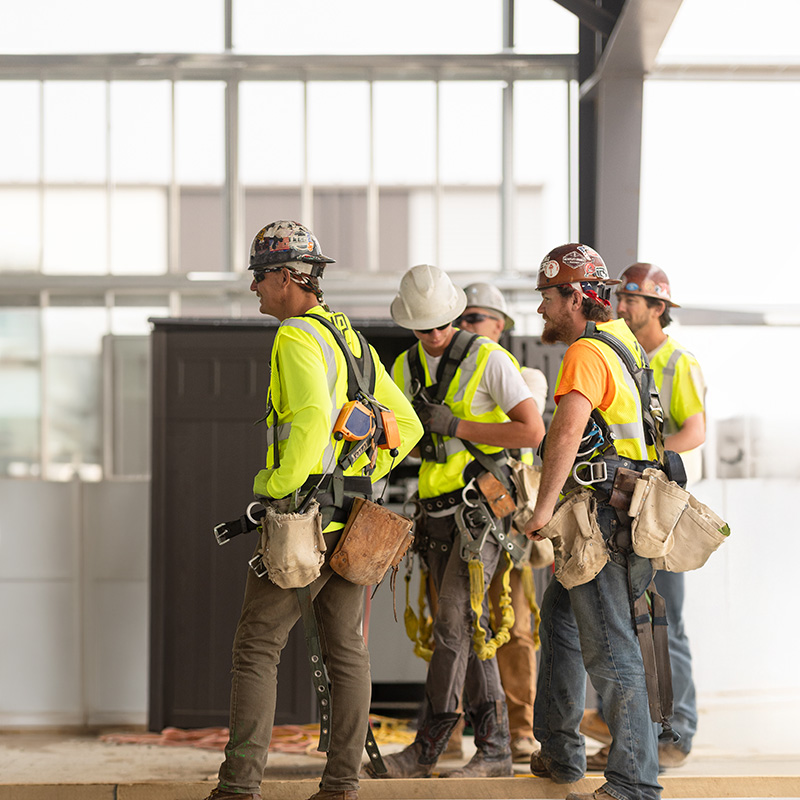
Builder collaboration helps teams solve challenges earlier and maintain alignment throughout project execution.
Oregon State University Campus Operations Center
By 2019, Oregon State University faced a growing operational challenge. Facilities services were spread across multiple buildings, creating inefficiencies in coordination, maintenance and daily workflow.
The university’s plan was straightforward in concept but complex in execution: consolidate these operations into a single, centralized hub that could support a wide range of functions while meeting modern performance standards.
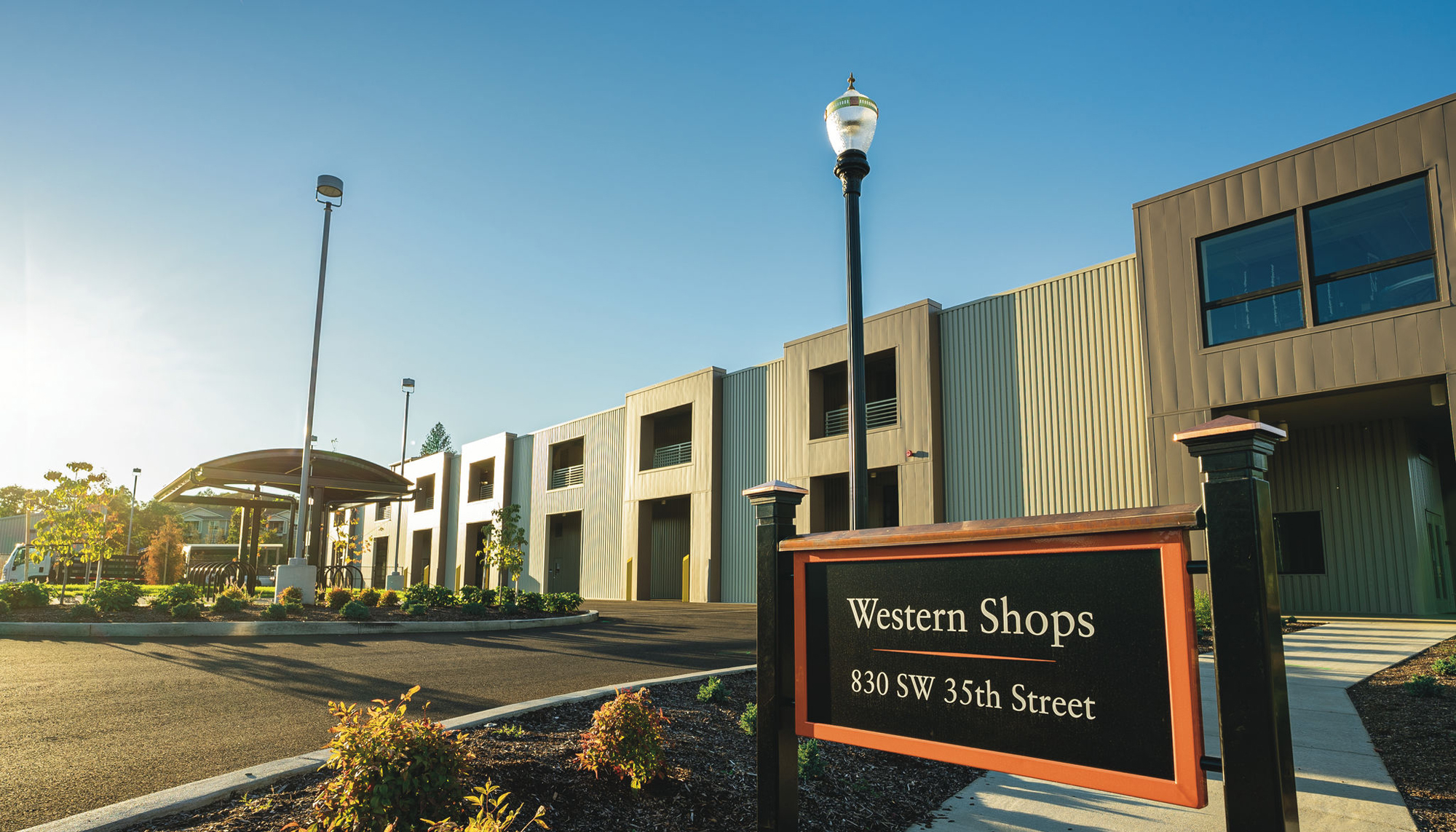
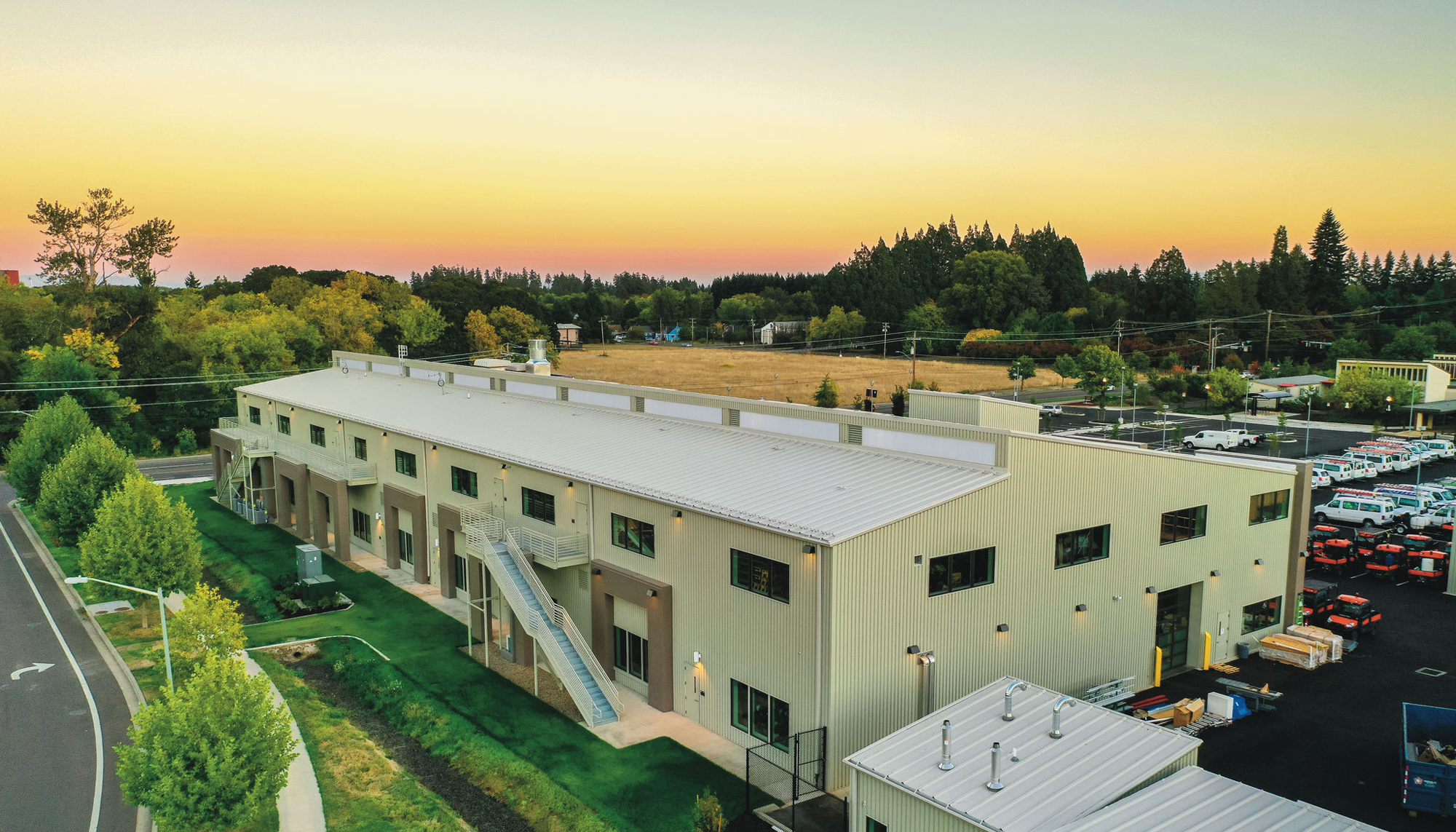
Located in Corvallis, OR, the new 60,000-square-foot facility brings together shop space, equipment storage, vehicle yards, loading areas and administrative functions under one roof. Delivered in partnership with PHI Construction, Inc., a Varco Pruden™ Builder, the project required a level of coordination that extended well beyond a typical building program.
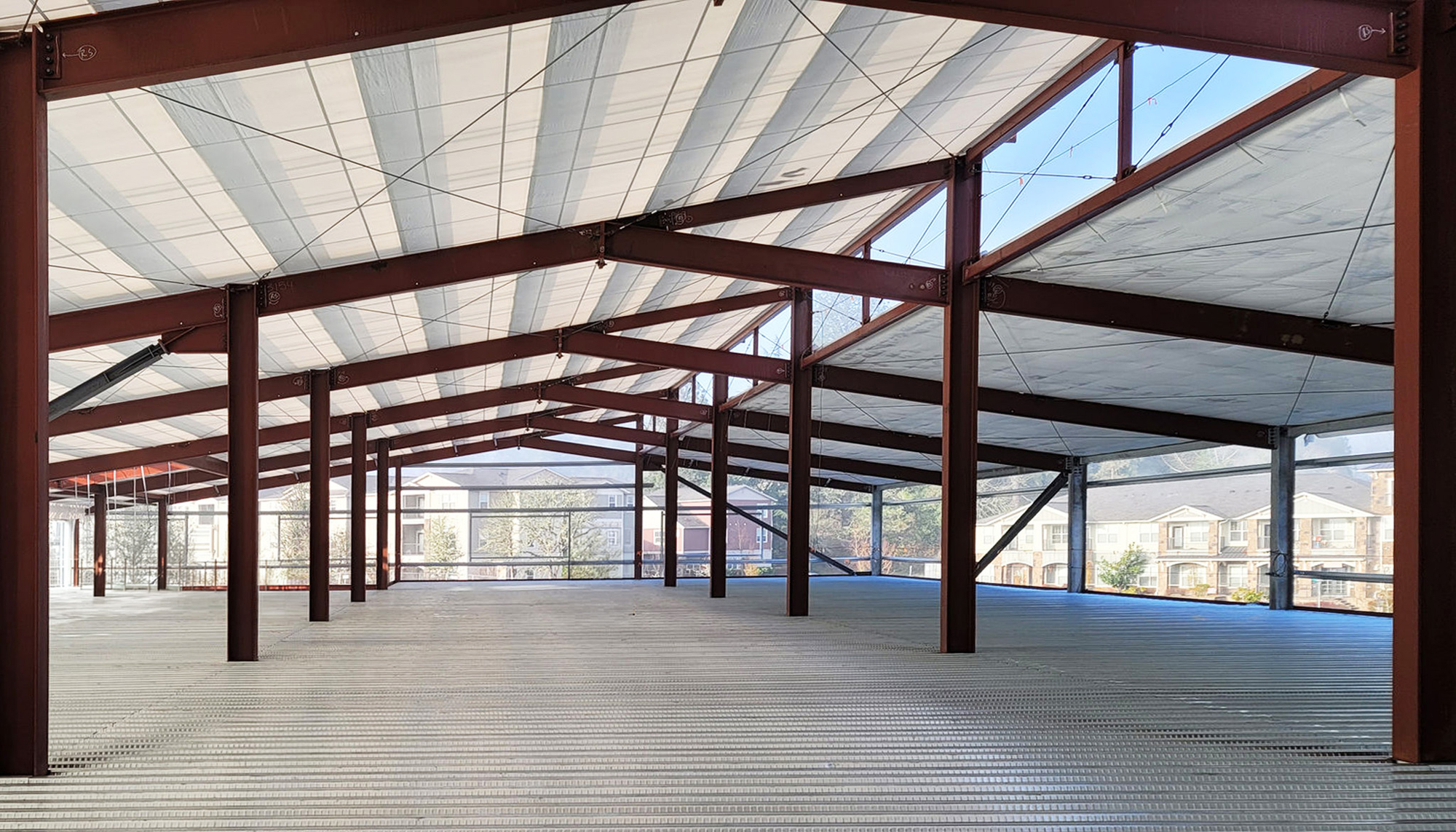
The site conditions and program requirements introduced immediate challenges. The building needed to perform in a high seismic region while supporting heavy mezzanine loads of 250 pounds per square foot.
To address this, the team turned to Varco Pruden Conventional Steel Services (CSS), allowing for a fully integrated approach to structural design, detailing and fabrication. This ensured that complex requirements could be addressed early and carried through to execution without disconnects.
A key component of the solution was the use of Web-Restrained Brace (WRB) technology. This all-steel bracing system provides stability and energy dissipation in seismic conditions, supporting the building’s ability to perform under stress while maintaining structural integrity.
Rather than relying on conventional approaches alone, the team selected a system that could adapt to the building’s demands, balancing strength, flexibility and constructability. This reflects a broader VP approach: identifying the right system for the specific challenge, not forcing the project into a predefined solution.
Beyond seismic performance, the building required careful coordination of structural systems to support both function and efficiency.
A composite beam system was used for the second floor, reducing overall structural weight while minimizing floor depth. This decision allowed the building to maintain clear usable space without increasing material demand or complexity.
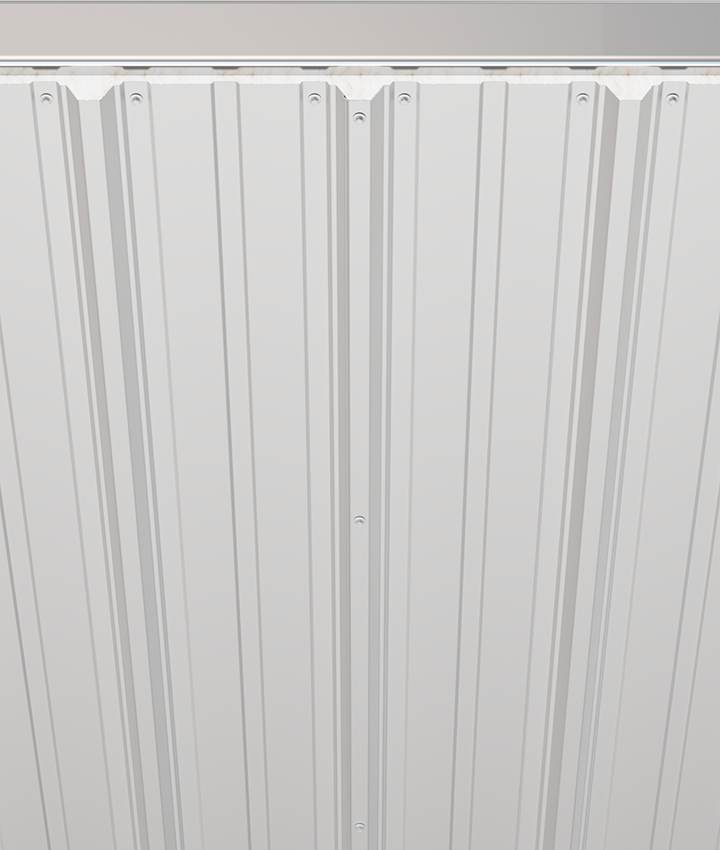
At the same time, the exterior expression maintains continuity with pre-engineered building aesthetics. Roof and wall systems, including standing seam roof assemblies and integrated wall panels that provide durability, weather resistance and a clean architectural finish.
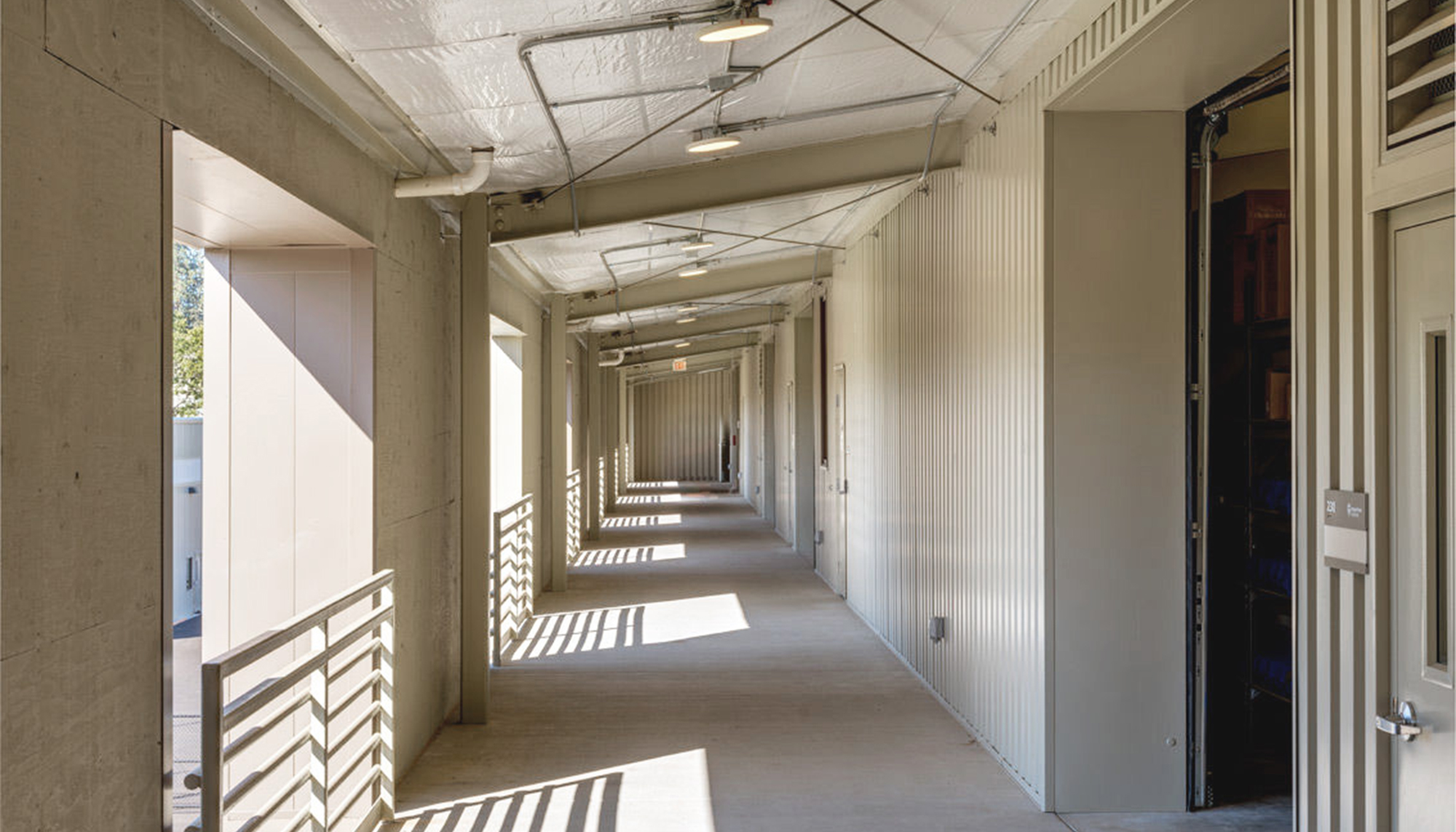
The design also incorporates “bump-out” elements that introduce depth and dimension to the façade while accommodating exterior decks, walkways and integrated drainage systems. These features required the use of conventional structural steel to support stairs, walkways and elevator bulkhead conditions—further demonstrating the hybrid nature of the solution.
This combination of pre-engineered components alongside conventional steel allowed the team to meet both performance and design requirements without compromise.

Energy performance was another key consideration. The facility includes a photovoltaic array system that supplies approximately 35 percent of its annual energy needs.
Installed using S-5 clips that avoid roof penetrations, the system preserves the integrity of the roof while delivering long-term energy benefits. This approach reflects a practical understanding of lifecycle performance where design decisions support both immediate function and long-term efficiency.
Throughout the project, coordination across architectural, structural, mechanical and electrical systems remained critical. Each element had to align not only within its own discipline but within the broader building system.
This level of integration is where collaboration defines the outcome. Early engagement between the university, builder and Varco Pruden ensured that decisions were made with full visibility into performance, cost and constructability.
Today, the Oregon State University Facilities Services Shops building provides a centralized hub that improves how the campus operates. Teams that were once dispersed now work within a coordinated environment, improving response times, efficiency and communication.
The building supports daily operations while also preparing the university for future needs. Its structural systems, adaptable layout and integrated performance features allow it to evolve as demands change over time.
Delivered on time and on budget, the project stands as a practical example of what can be achieved when complexity is approached with clarity and collaboration.
For Varco Pruden, this is the epitome of bringing together the right systems, the right partners and a process built to solve real challenges.
Because when the process works, the building does more than perform. It supports everything that depends on it.
Tell us what you’re solving for. Share your challenges, timeline and aspirations, and we'll bring the engineering insight and practical creativity to shape ambitious, lasting structures, together.