Budget Control
Early visibility and coordinated planning help teams reduce surprises and maintain budget alignment.


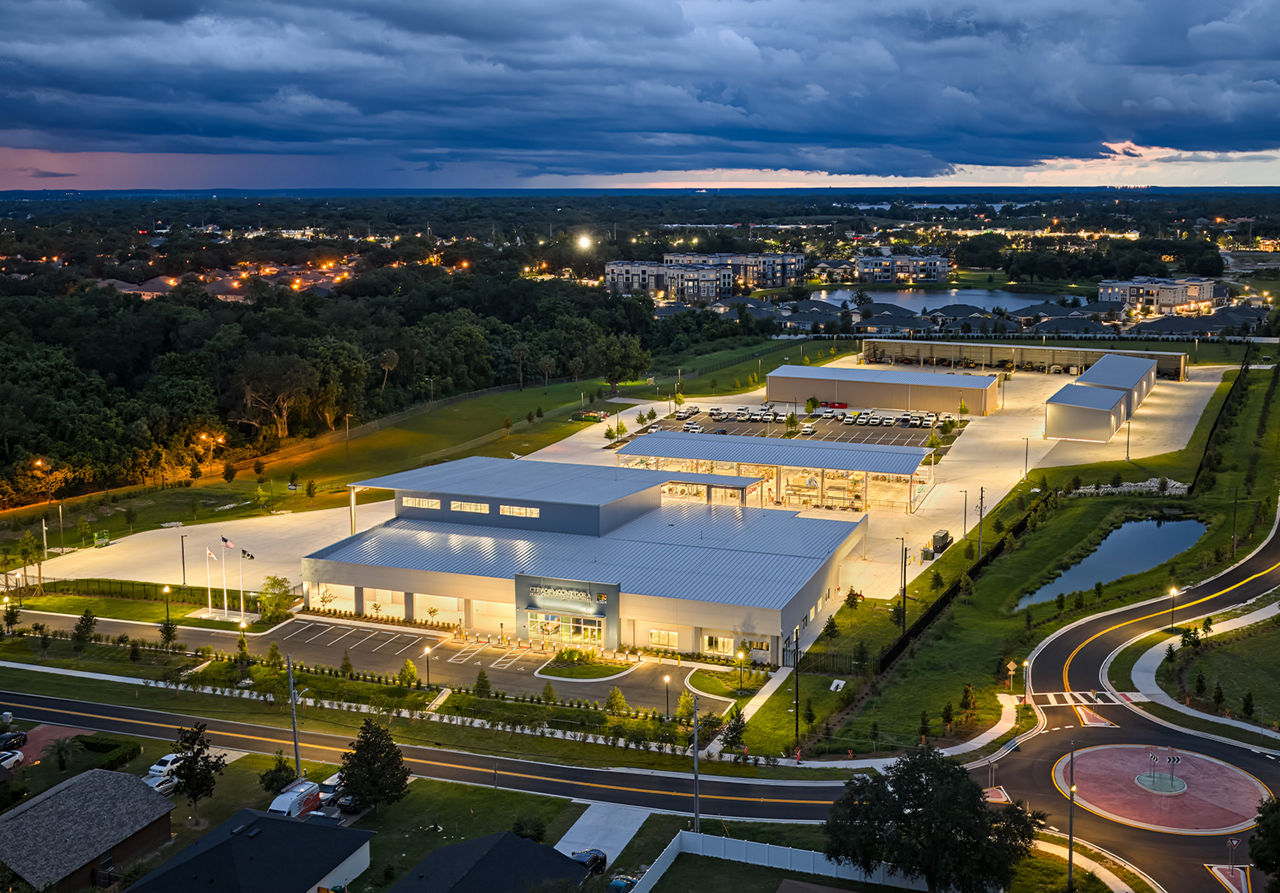
Engineered components, designed to the specifics of the project and fabricated before they ship. See what a VP PEMB makes possible.
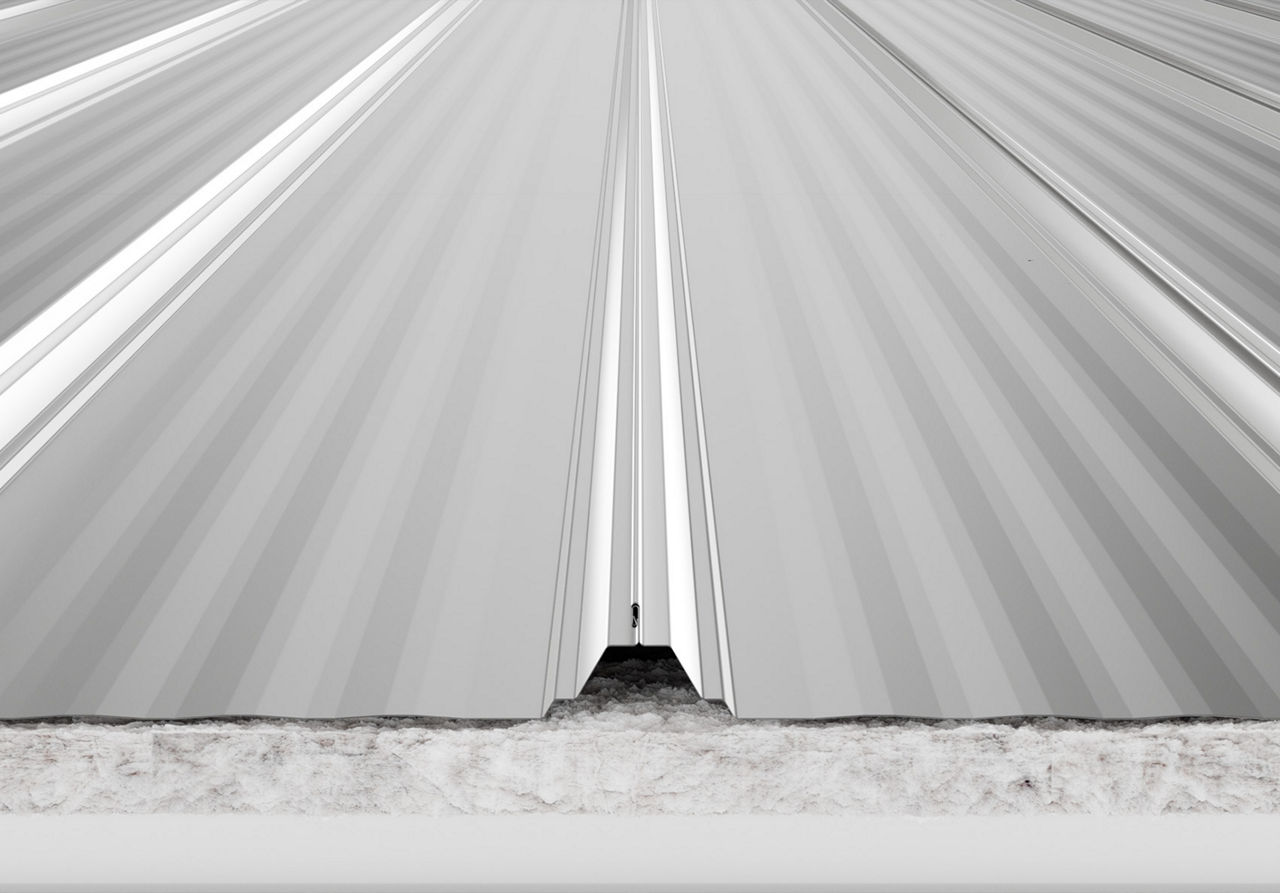
The standing seam roof with millions of square feet in service, machine-seamed into a single protective membrane.

Mission-critical work calls for proven structural solutions. VP has shaped data center campuses across North America for the developers building the digital backbone.

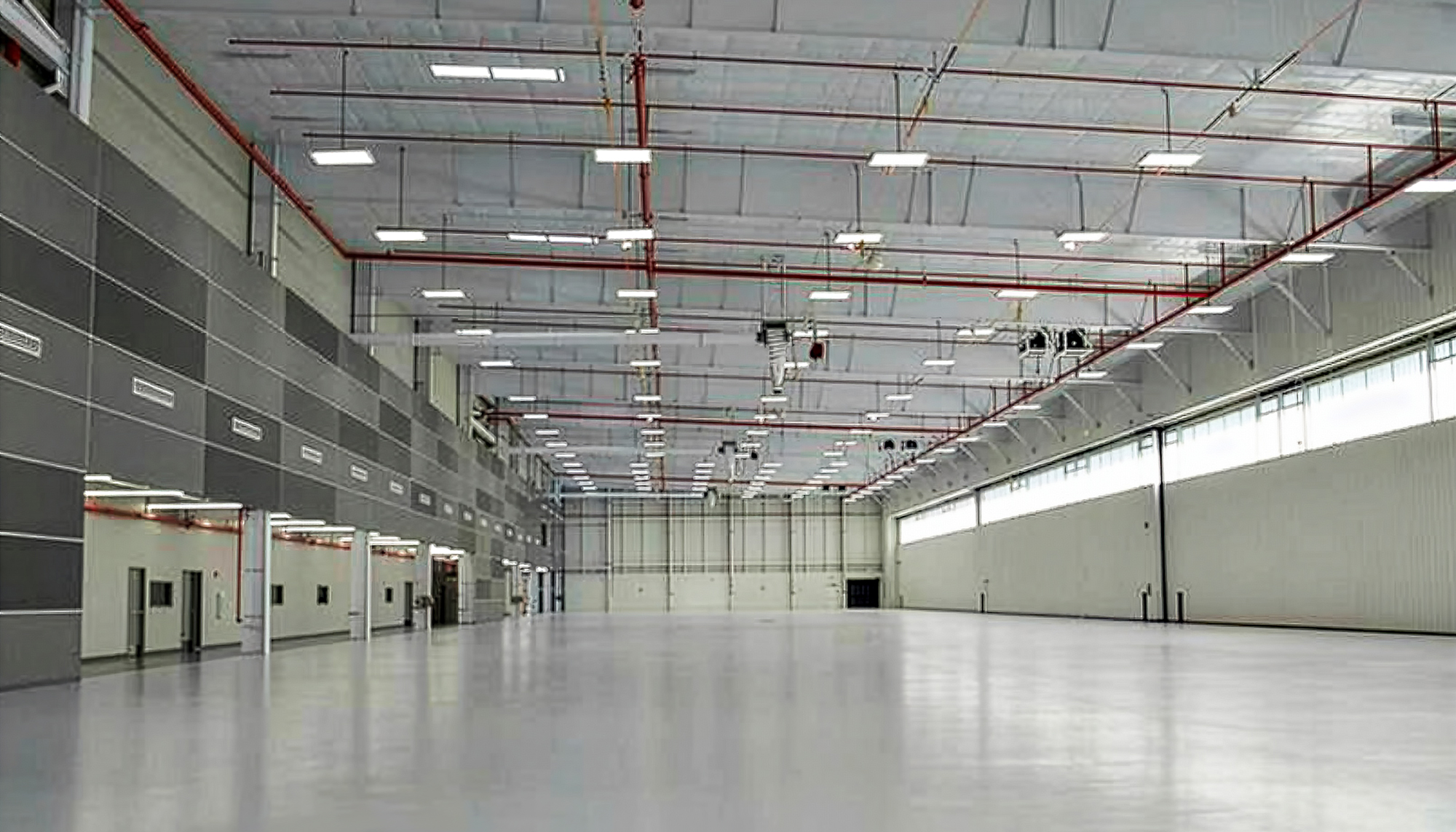
Designing a hangar of this scale required balancing wide-open spans with structural integrity and constructability. The challenge extended beyond design into how the building would be safely erected.
Through coordinated engineering and sequencing, the team developed a hybrid structural solution that supports aircraft operations while managing construction complexity. The result is a high-capacity facility built with precision and delivered to meet operational demands.
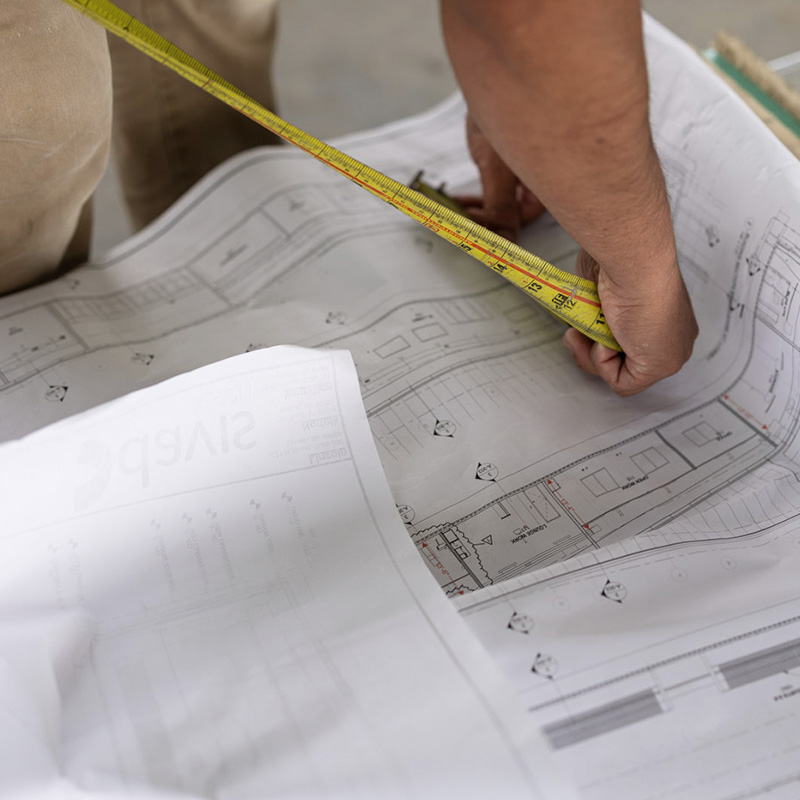
Early visibility and coordinated planning help teams reduce surprises and maintain budget alignment.
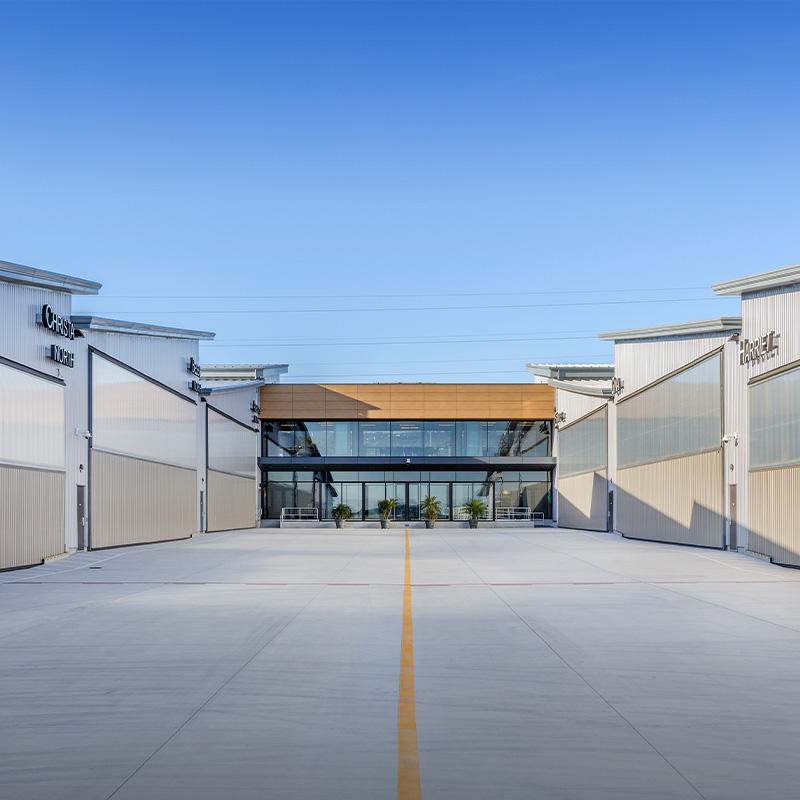
Column spacing and clearspan framing create wide-open, usable interior space.
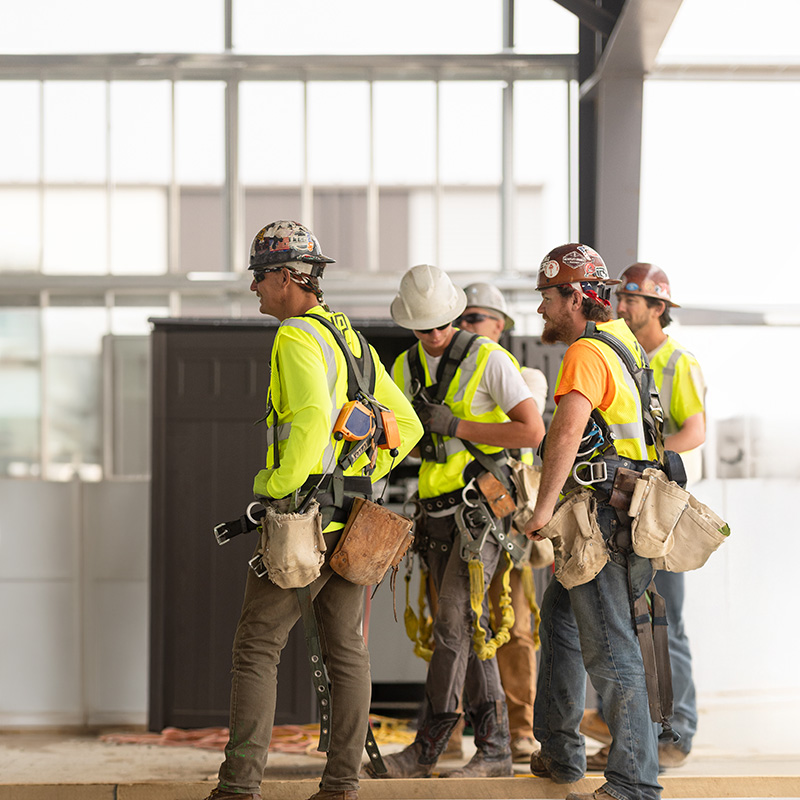
Builder collaboration helps teams solve challenges earlier and maintain alignment throughout project execution.
Dassault Falcon Jet – 14 Bay Hangar
Some buildings are defined by what goes inside them. Others are defined by what can’t be inside them.
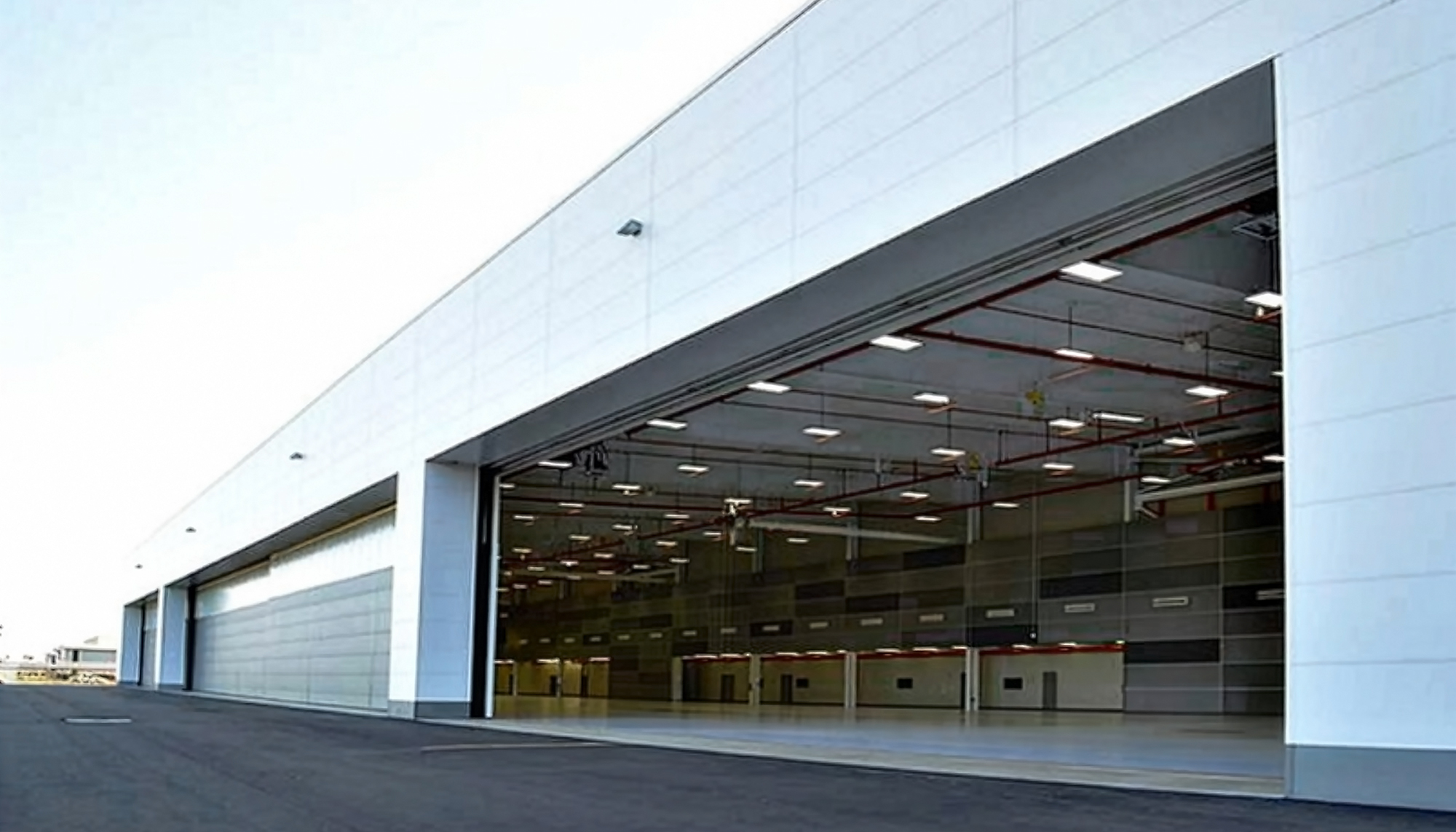
For this hangar at Dassault Falcon Jet’s facility in Little Rock, AR, the requirement was clear: create as much uninterrupted space as possible. Aircraft don’t adapt to columns, and neither does the work around them. The structure had to stay out of the way while still doing all the heavy lifting.
That balance, open space and structural performance, set the direction early. From there, the conversation shifted to how to make it real.
At more than 240,000 square feet, the building’s footprint is significant. But the real challenge was not area. It was span.
The structure relies on plate columns and a series of plate beams bolted together to reach spans of up to 220 feet. Above, plate girders form the roof structure, creating the depth needed to carry loads across that distance.
A 40-foot-wide mechanical mezzanine runs through the building, adding another layer of complexity. It had to be integrated into the structure without interrupting the open floor below.
This is where the hybrid approach comes into play. By combining conventional steel with pre-engineered systems, the building can respond to different demands within the same structure. Large spans are handled where they’re needed. Support is added where it makes sense.
It’s not about using one system everywhere. It’s about using the right system in the right place.
Designing the structure was only part of the challenge. Erecting it required just as much planning.
Given the size and span of the primary members, plate beams and girders were assembled on the ground before being lifted into place. Rather than attempting full-span lifts, the team erected the structure in half-span sections, reducing risk and improving control during installation.
A temporary tower was introduced to support the structure during erection. This allowed the frame to remain stable until the roof system was fully in place and loads could be distributed as intended.
Even then, the process didn’t move forward without verification.
As the structure was loaded, deflection at the center span was closely monitored before the final release from the temporary tower. This step ensured that the building performed exactly as designed, not just on paper, but in real conditions.
It’s a level of precision that doesn’t always show once the building is complete, but it defines how it gets there.

While the structure carries the load, the building envelope supports performance over time.
The SSR™ Roof System and Panel Rib™ roof panels provide weathertight protection across the facility, helping manage exposure in a large, open environment. These systems are designed to install efficiently while maintaining long-term durability.
On the walls, the RPR™ Wall System and insulated metal panels create a consistent enclosure, balancing thermal performance with structural integrity.
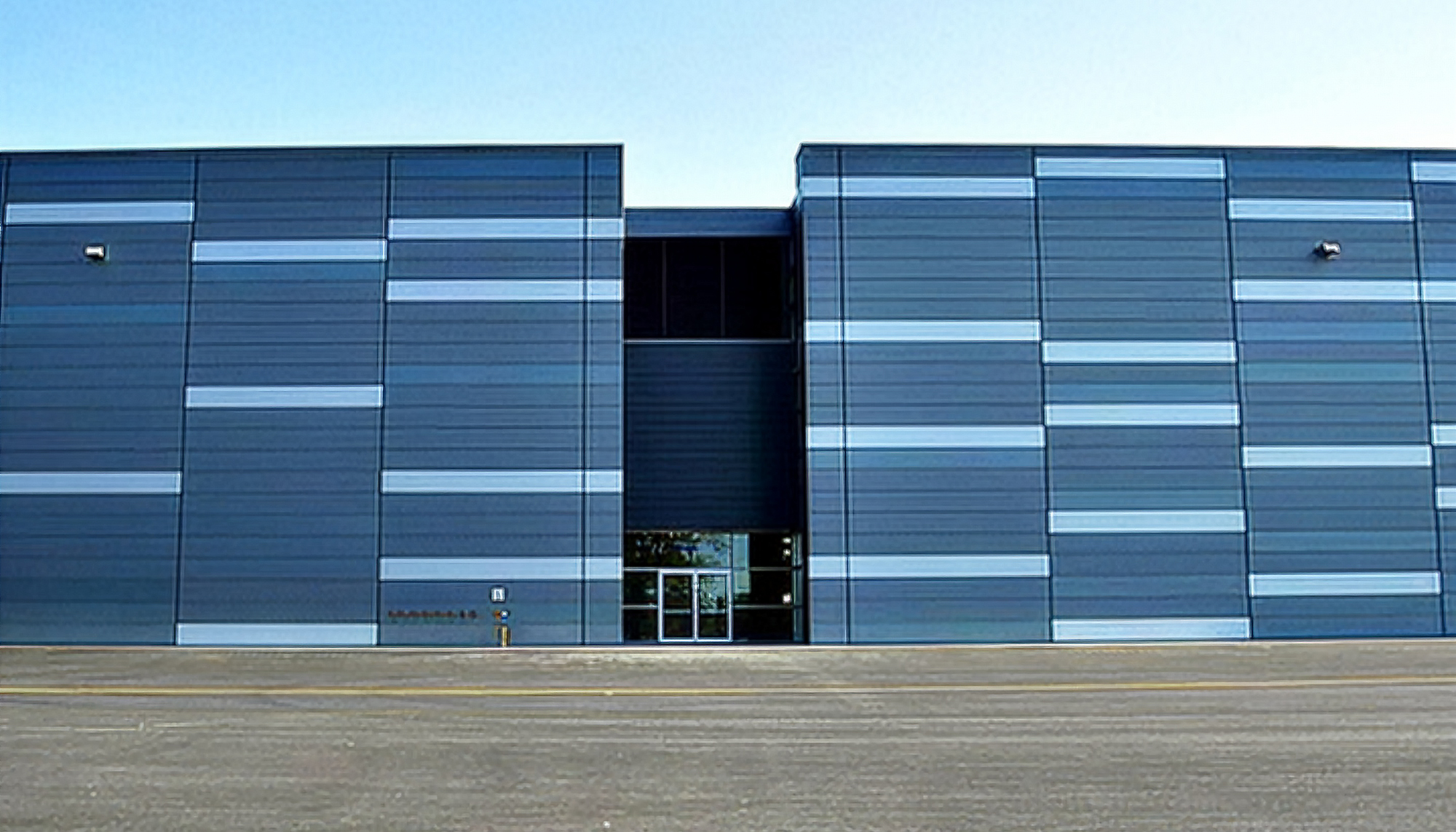
The exterior design shifts depending on orientation. The north and south elevations incorporate a combination of colors, while the east and west sides remain more uniform. Even the installation approach varies across elevations, responding to structural conditions created by the span.
These choices are not aesthetic alone. They reflect how the building responds to its own structure.
Projects at this scale rely on more than engineering. They rely on alignment.
Kinco Constructors worked closely with Varco Pruden™ to coordinate design, fabrication and erection, ensuring that each phase supported the next. Decisions made early in the process, about span, sequencing and system integration, carried through to construction.
The result is a building that came together as intended, without requiring adjustments in the field that could compromise schedule or performance.
Delivered on time and within budget, the project reflects a process that stayed connected from start to finish.
Inside the completed hangar, the structure does exactly what it needs to do and nothing more.
The open spans allow aircraft to move freely. The mezzanine supports operations without interfering below. The systems perform without drawing attention to themselves.
That’s the goal in a building like this. Not to stand out, but to step back.
For Dassault Falcon Jet, the facility supports ongoing operations with the capacity and flexibility required for modern aircraft. For the project team, it represents a coordinated solution to a complex challenge, one where structure, process and execution all had to align.
And when they do, the result is simple in the best way: a space that works.
Tell us what you’re solving for. Share your challenges, timeline and aspirations, and we'll bring the engineering insight and practical creativity to shape ambitious, lasting structures, together.