Buildings That Perform
Long-term weather resistance, simplified maintenance and coordinated performance across the entire building envelope.


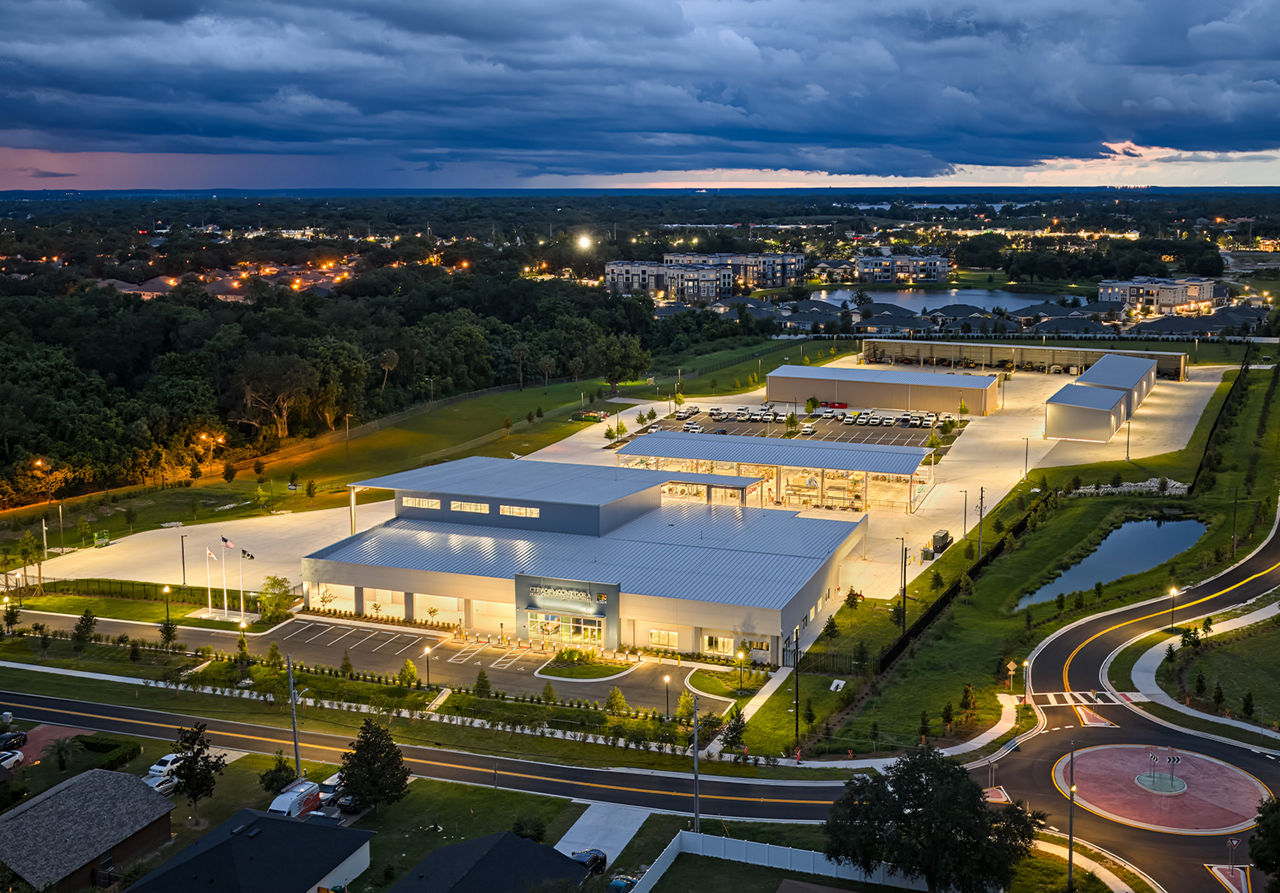
Engineered components, designed to the specifics of the project and fabricated before they ship. See what a VP PEMB makes possible.
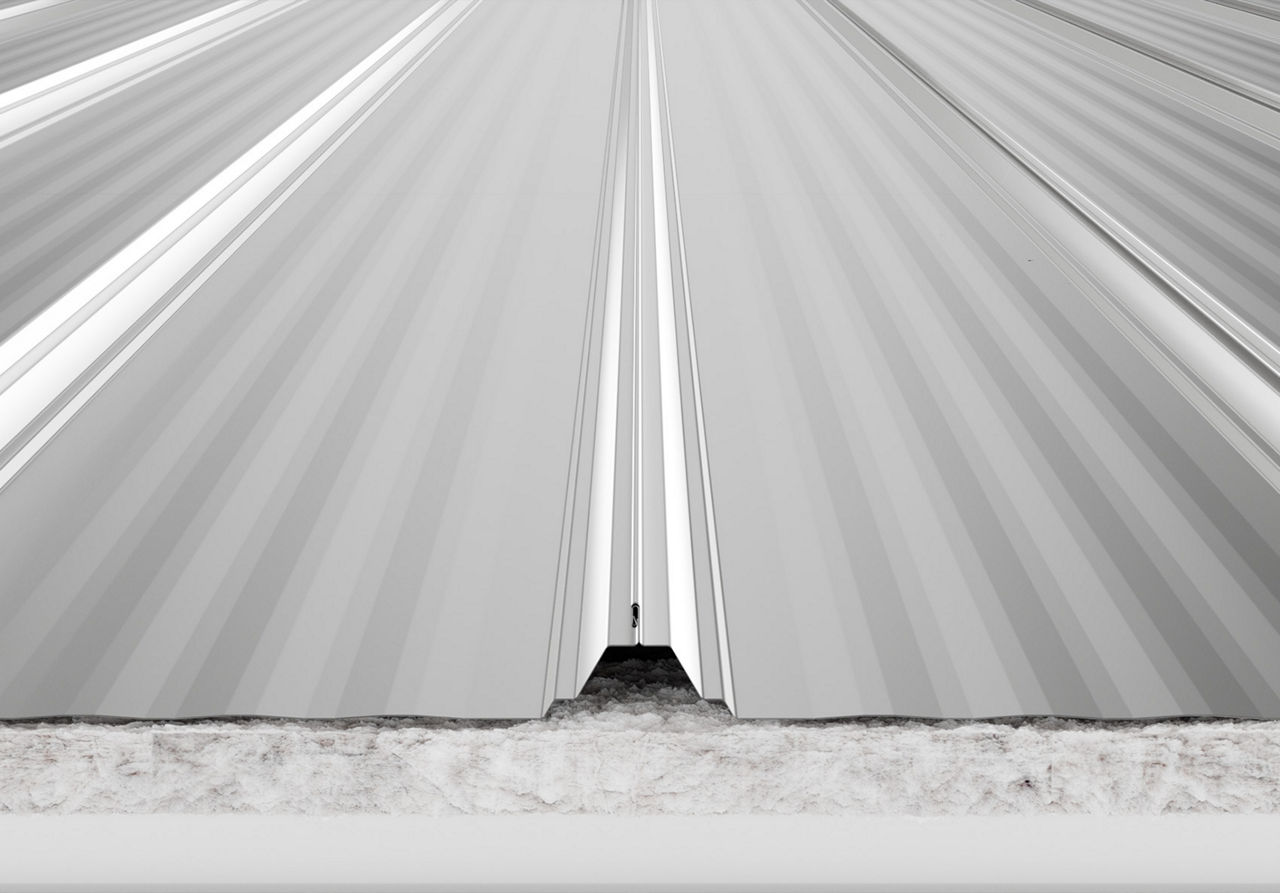
The standing seam roof with millions of square feet in service, machine-seamed into a single protective membrane.
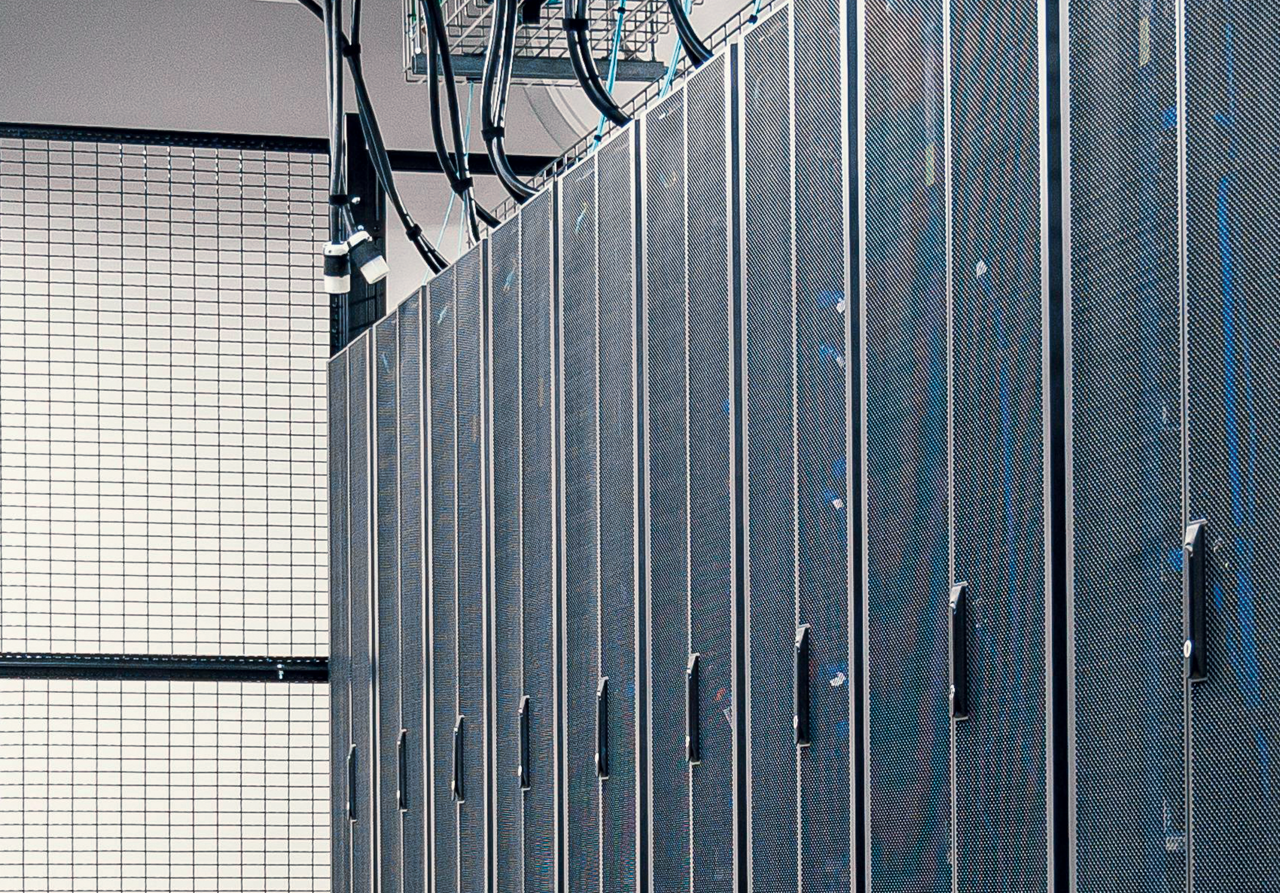
Mission-critical work calls for proven structural solutions. VP has shaped data center campuses across North America for the developers building the digital backbone.

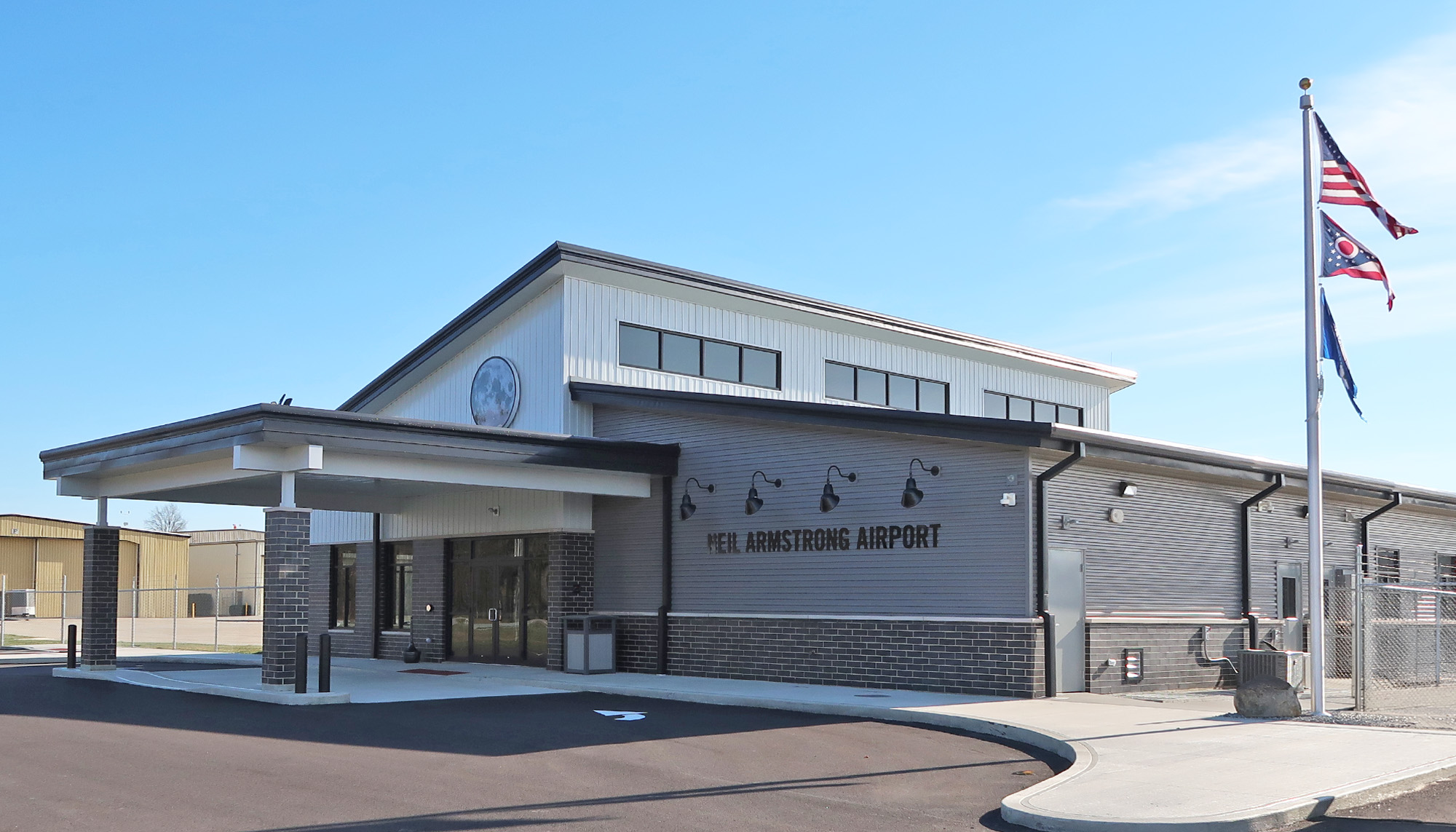
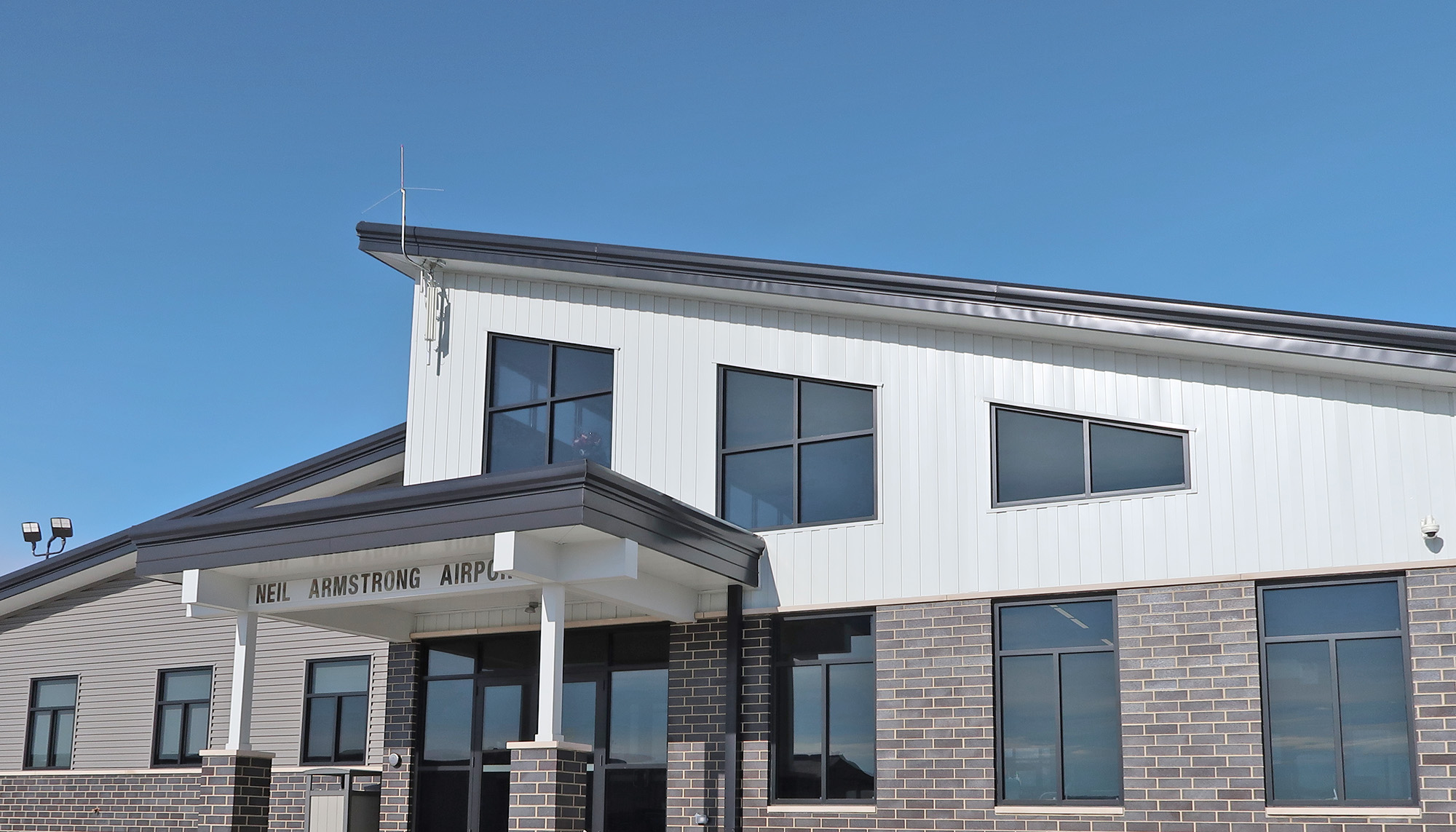
Regional airports play an important role in economic development, business travel and community connectivity. For this project, the challenge was creating a modern terminal that could support growing aviation activity while providing a more welcoming experience for visitors.
The resulting facility combines operational efficiency with flexible public spaces, helping position the airport for long-term success.
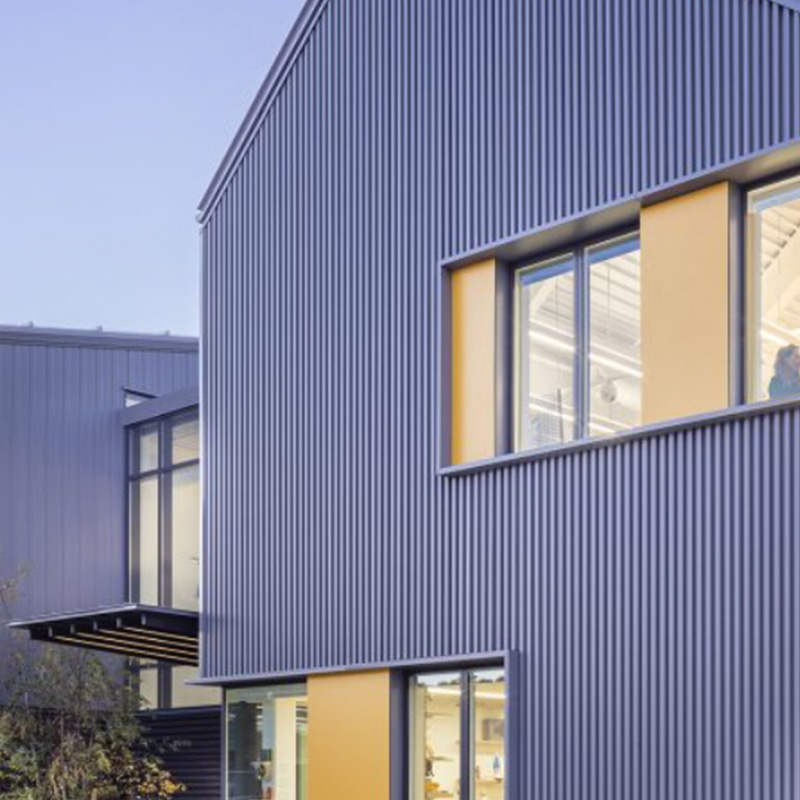
Long-term weather resistance, simplified maintenance and coordinated performance across the entire building envelope.
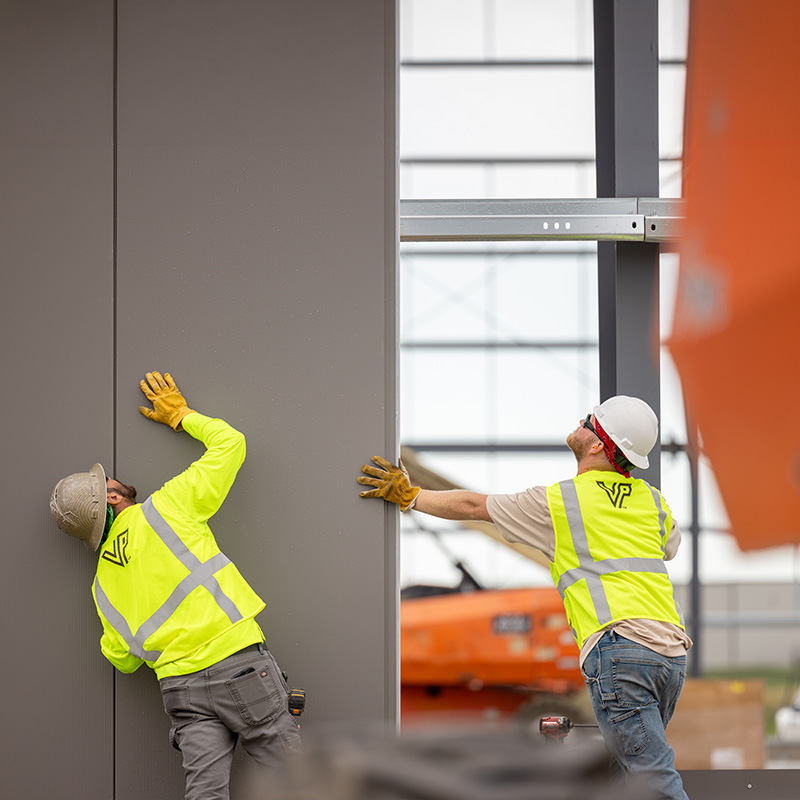
Builder collaboration helps teams solve challenges earlier and maintain alignment throughout project execution.
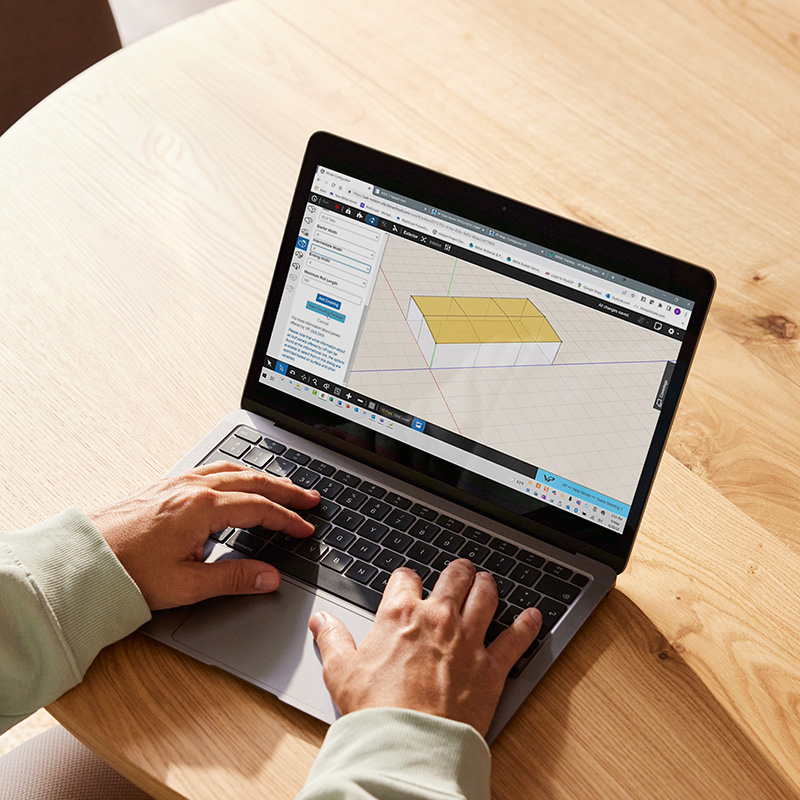
VP shapes building solutions around operational needs, site demands and evolving project priorities from the very beginning.
Neil Armstrong Airport Terminal
For many communities, the airport is more than transportation infrastructure. It is often the first impression visitors receive and an important connection to economic opportunity.
That reality guided the development of the new terminal at Neil Armstrong Airport in New Knoxville, Ohio.
Named for Ohio native and astronaut Neil Armstrong, the airport has long served general aviation users, business travelers and visitors throughout west-central Ohio. As activity continued to grow, airport leadership recognized that the existing terminal no longer reflected the needs of modern aviation operations or the experience they wanted to provide guests arriving at the facility.
The solution was a new terminal designed to support future growth while creating a more welcoming and functional environment for airport users.
The approximately $16 million project replaced aging facilities with a modern terminal that serves pilots, passengers, airport staff and community visitors within a single coordinated facility. Throughout planning and construction, the project team focused on creating a building that would support airport operations for decades while reinforcing the airport's role as a regional asset.
According to airport officials, the project was driven by a desire to improve both functionality and visitor experience while positioning the airport for continued growth.
Airport terminals must accommodate a wide variety of users.
Business travelers need efficient access to aviation services. Pilots require operational support spaces. Airport staff need facilities that help streamline daily activities. Community members often use terminal spaces for meetings, events and educational opportunities.
The new terminal was designed around those realities.
Large public gathering areas create welcoming spaces for visitors while operational areas support the day-to-day requirements of airport management. Meeting rooms, administrative offices and passenger amenities were integrated into the facility to create a more complete aviation experience than the previous terminal could provide.
The building also strengthens connections between the airport and the surrounding community. Expansive views of airfield operations create opportunities for visitors to engage with aviation activity while reinforcing the terminal's role as a public destination.
Rather than simply replacing an older building, the project team developed a facility designed to accommodate future needs and evolving airport operations.
That approach reflects a core principle of the Varco Pruden process: understanding how a building will be used over time and creating solutions that support changing requirements.
Regional airports contribute far more than transportation services.
They support business investment, workforce mobility and economic development throughout the communities they serve. For Neil Armstrong Airport, the new terminal represents an investment in that broader mission.
Airport officials have noted that the facility provides the infrastructure needed to attract additional aviation activity while improving services for existing users. The modernized environment creates a stronger experience for visiting business leaders, aviation professionals and travelers arriving in the region.
The project also demonstrates how public infrastructure can be designed around flexibility. Meeting spaces can accommodate community functions, educational programs and aviation-related events while continuing to support airport operations.
This versatility helps maximize the value of the facility and creates opportunities for broader community engagement.
The terminal serves as both an operational asset and a public-facing destination, helping strengthen connections between aviation and the communities that depend on it.

The completed terminal represents the culmination of years of planning, collaboration and investment.
Airport leadership, local stakeholders, designers, builders and building system partners worked together to create a facility designed around long-term performance rather than short-term needs. Every decision focused on creating a building capable of supporting future growth while enhancing the experience of those who use it every day.
For Neil Armstrong Airport, the project delivers more than additional space. It provides a modern gateway that reflects the airport's aspirations and its commitment to serving the region.
For the community, it creates a visible symbol of investment, connectivity and opportunity.
And for the project team, it demonstrates how thoughtful planning and engineered flexibility can transform essential infrastructure into a lasting community asset.
Like the pioneering aviator whose name it bears, the new terminal was built with an eye toward the future. Today it supports aviation operations. Tomorrow it will help create new opportunities for growth, connection and progress across the region.
Tell us what you’re solving for. Share your challenges, timeline and aspirations, and we'll bring the engineering insight and practical creativity to shape ambitious, lasting structures, together.