Innovative Design
Creative structural solutions let projects achieve both beauty and performance.


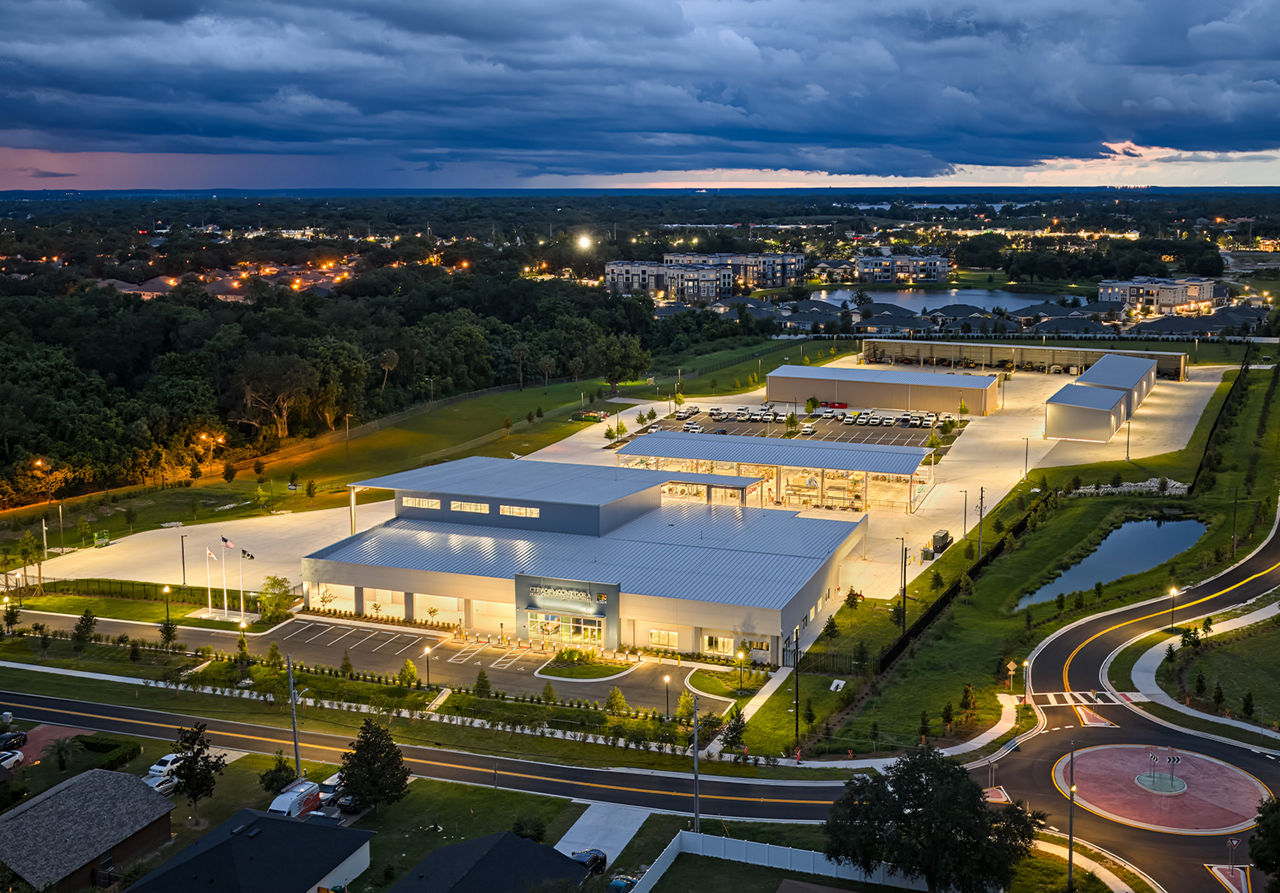
Engineered components, designed to the specifics of the project and fabricated before they ship. See what a VP PEMB makes possible.
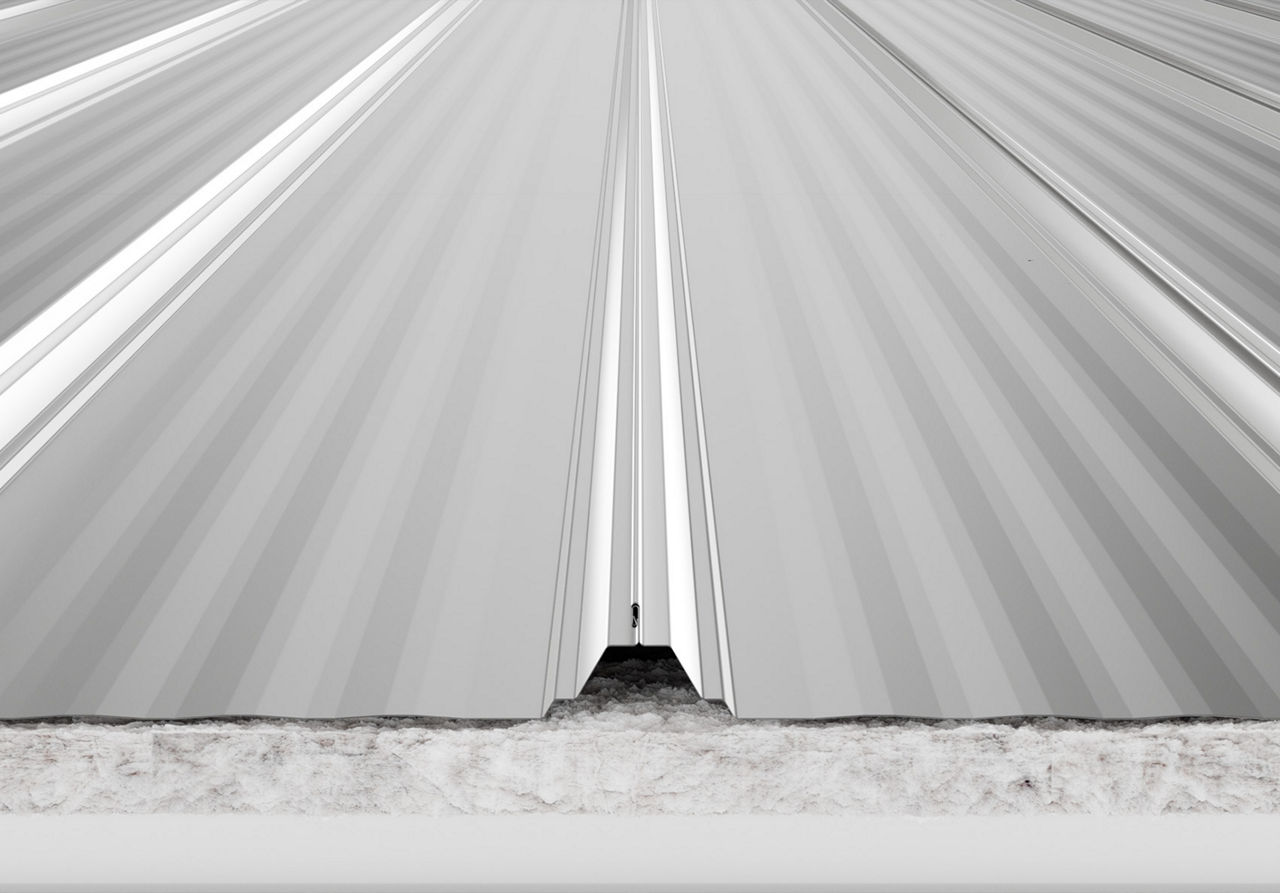
The standing seam roof with millions of square feet in service, machine-seamed into a single protective membrane.
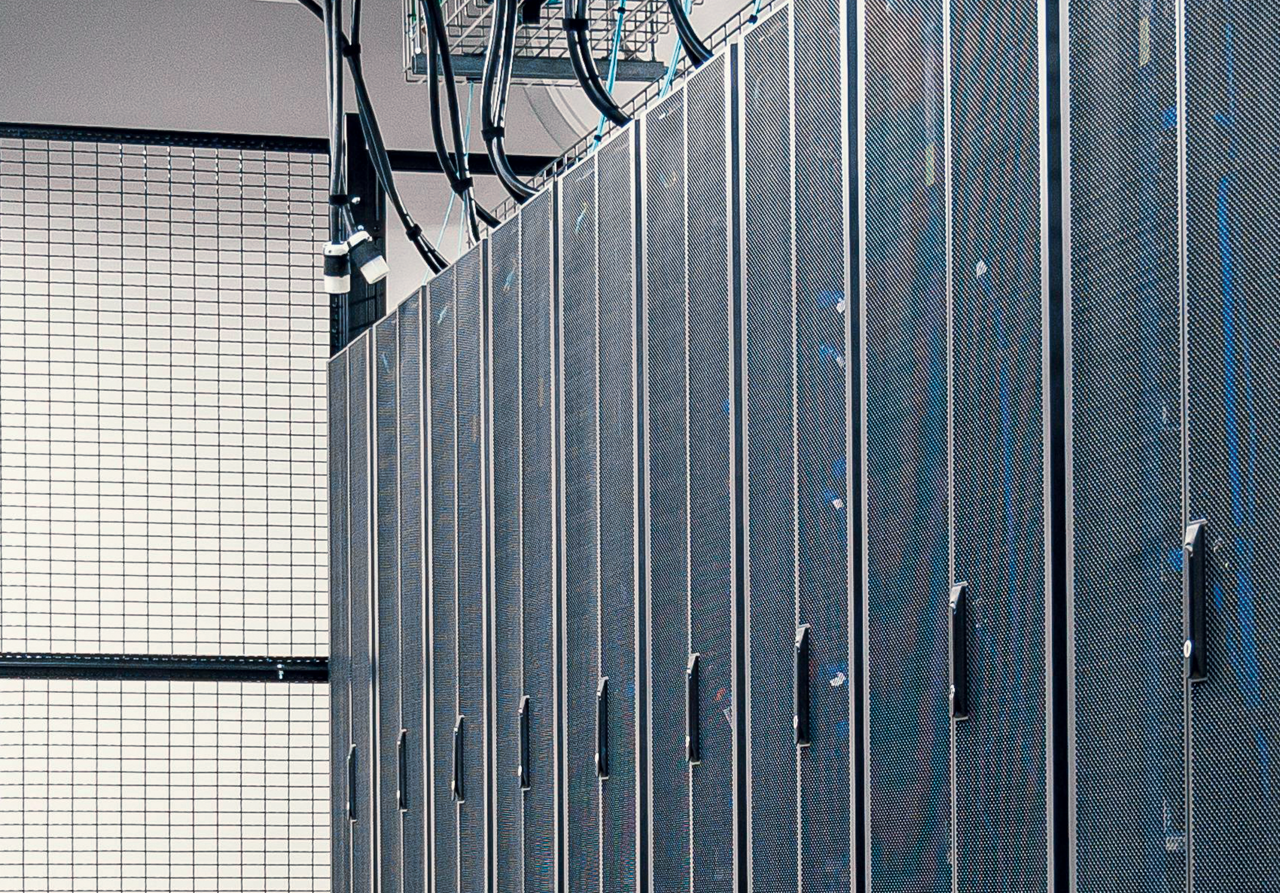
Mission-critical work calls for proven structural solutions. VP has shaped data center campuses across North America for the developers building the digital backbone.

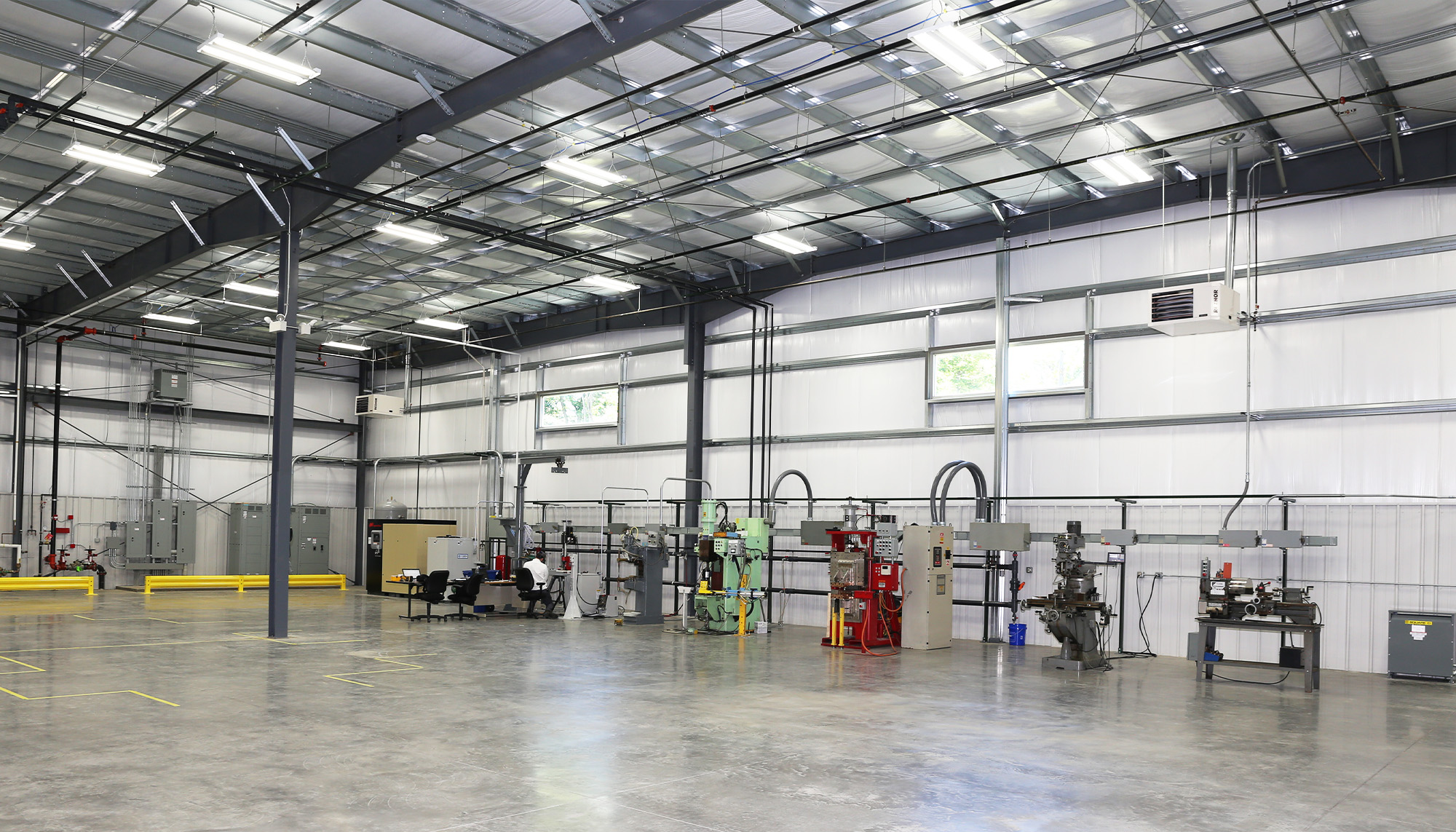
Designing a facility for research, development and office functions required balancing technical performance with a strong visual presence.
The project called for multiple building environments, abundant natural light and flexible interior space. Through coordinated planning and adaptable structural systems, the team delivered a facility that supports innovation while maintaining architectural distinction.
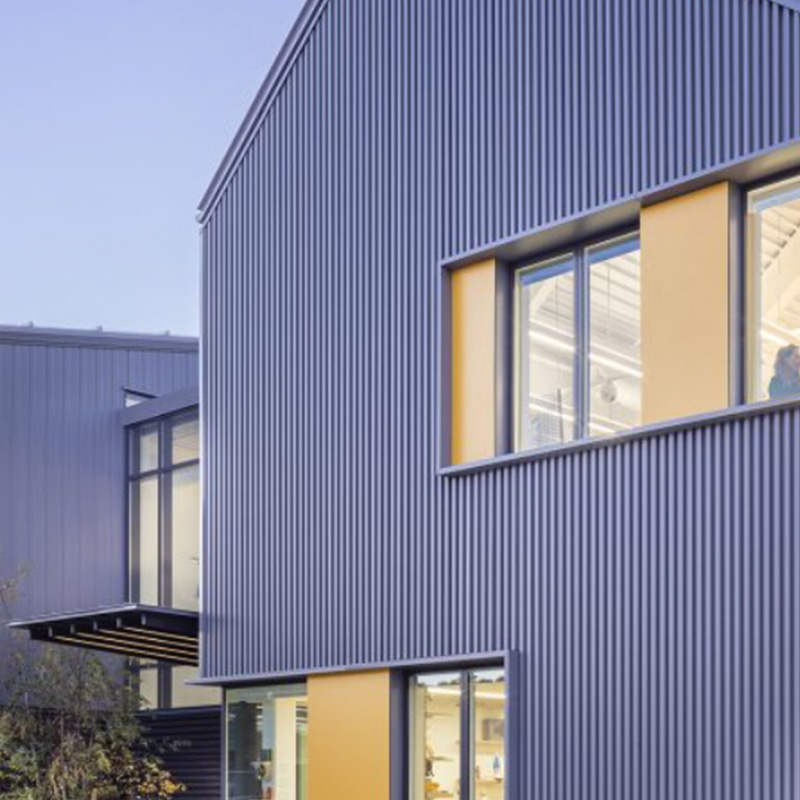
Creative structural solutions let projects achieve both beauty and performance.
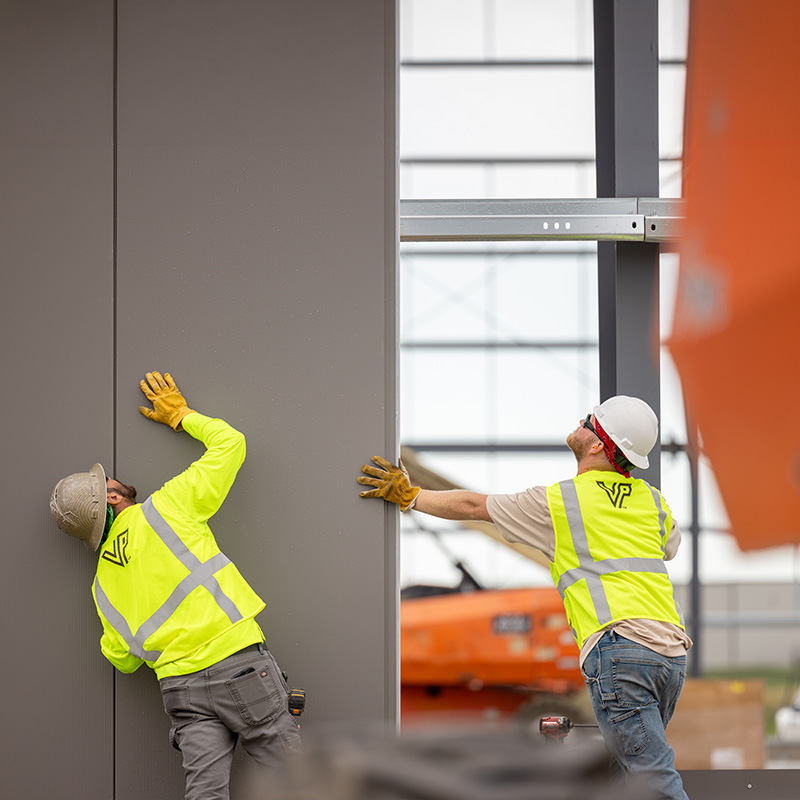
Builder collaboration helps teams solve challenges earlier and maintain alignment throughout project execution.
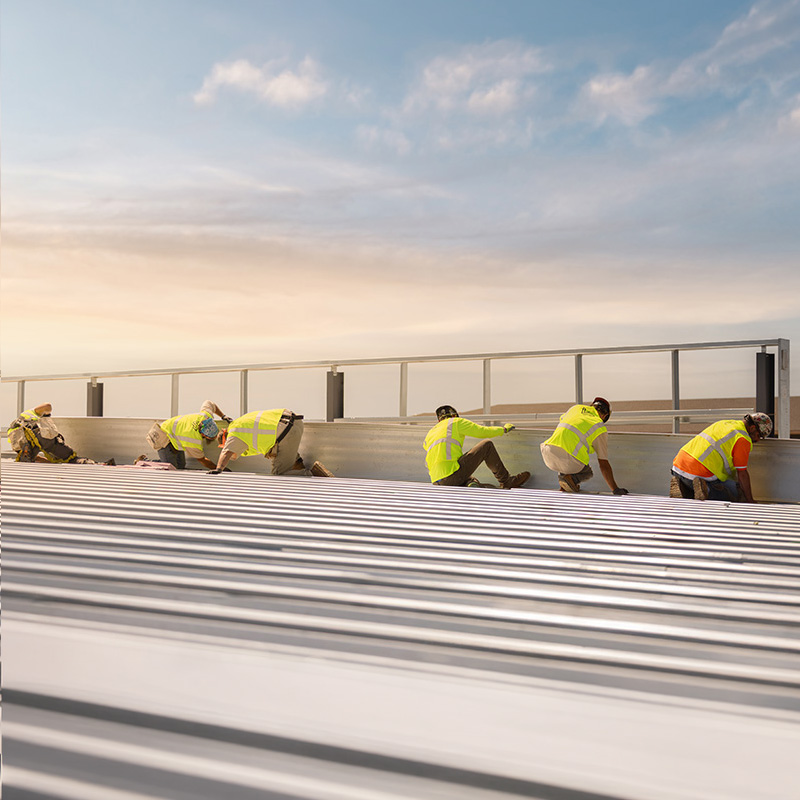
Efficient systems help owners improve building performance and reduce long-term operating costs.
KTH R&D Center
Research and development facilities operate differently than traditional office buildings.
They require space for collaboration, testing, problem-solving and ongoing innovation. The environments inside must support both focused technical work and open interaction among teams. At the same time, the building itself often serves as a reflection of the organization’s approach to innovation.
That balance shaped the development of the KTH R&D Center in Plain City, Ohio.
Completed in January 2016, the 30,000-square-foot facility was designed to support research and development operations alongside office functions within a single integrated building. Working with Dublin Building Systems, Varco Pruden™ helped deliver a solution that combined architectural flexibility with practical building performance.
From the outset, the project called for more than a conventional office layout. The design team wanted to create a facility that reflected the company’s innovative culture while supporting a range of operational needs. Achieving that goal required a building capable of accommodating varied interior environments, multiple roof elevations and extensive natural daylighting.
Rather than relying on a uniform building form, the project was designed with multiple roof lines and varying building heights that help define different functional areas throughout the facility. Those architectural changes create visual interest while supporting the operational requirements of individual spaces.
A defining feature of the building is the way it blends structural performance with architectural expression.
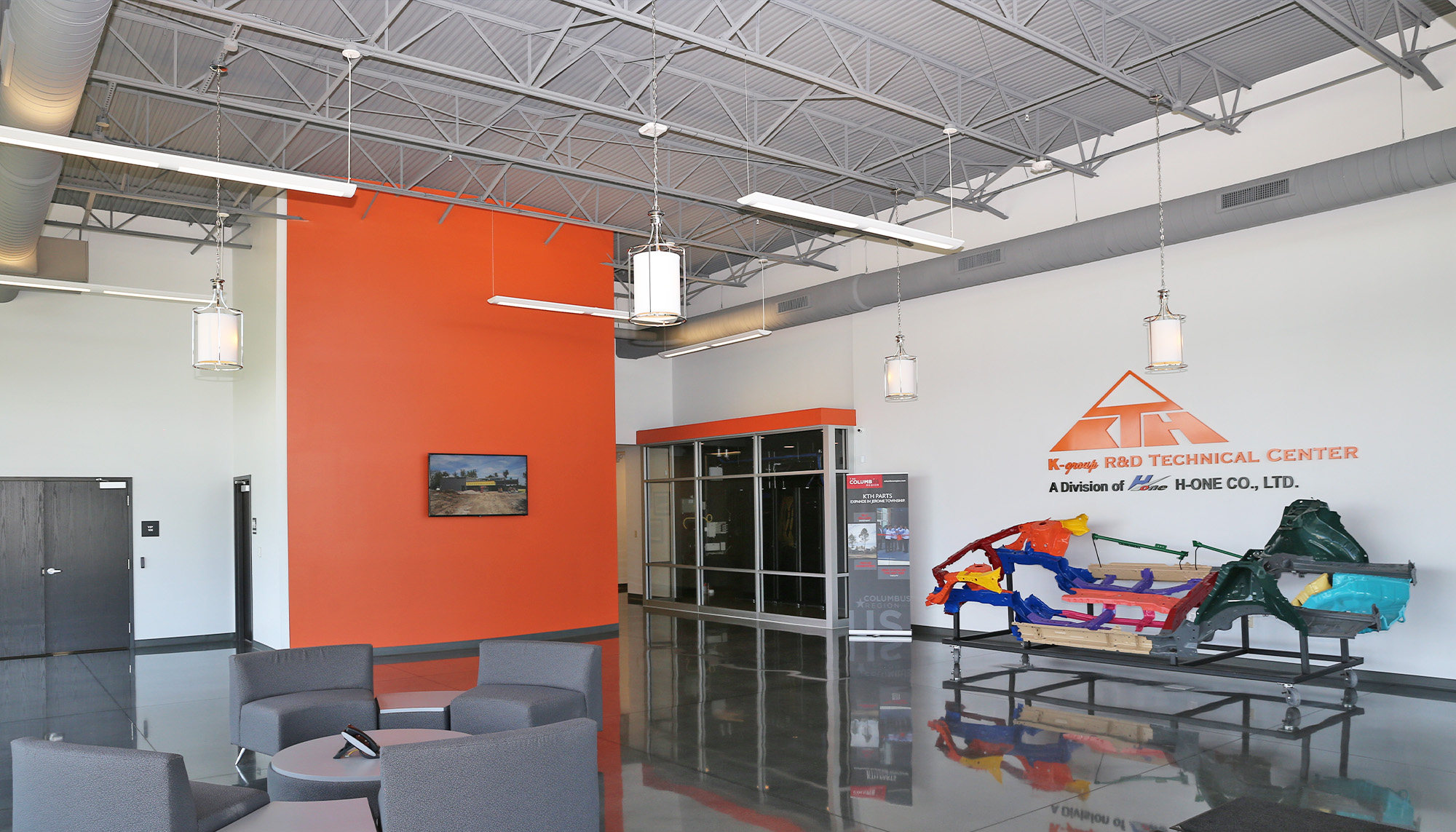
The lower lobby and office areas utilize a VP roof system to create the appearance of a traditional bar joist and metal deck structure. This approach provided the desired interior aesthetic while maintaining the efficiencies associated with a pre-engineered building solution. Higher bay areas utilize purlin systems designed around the operational needs of those spaces.
The exterior was developed with the same level of coordination.
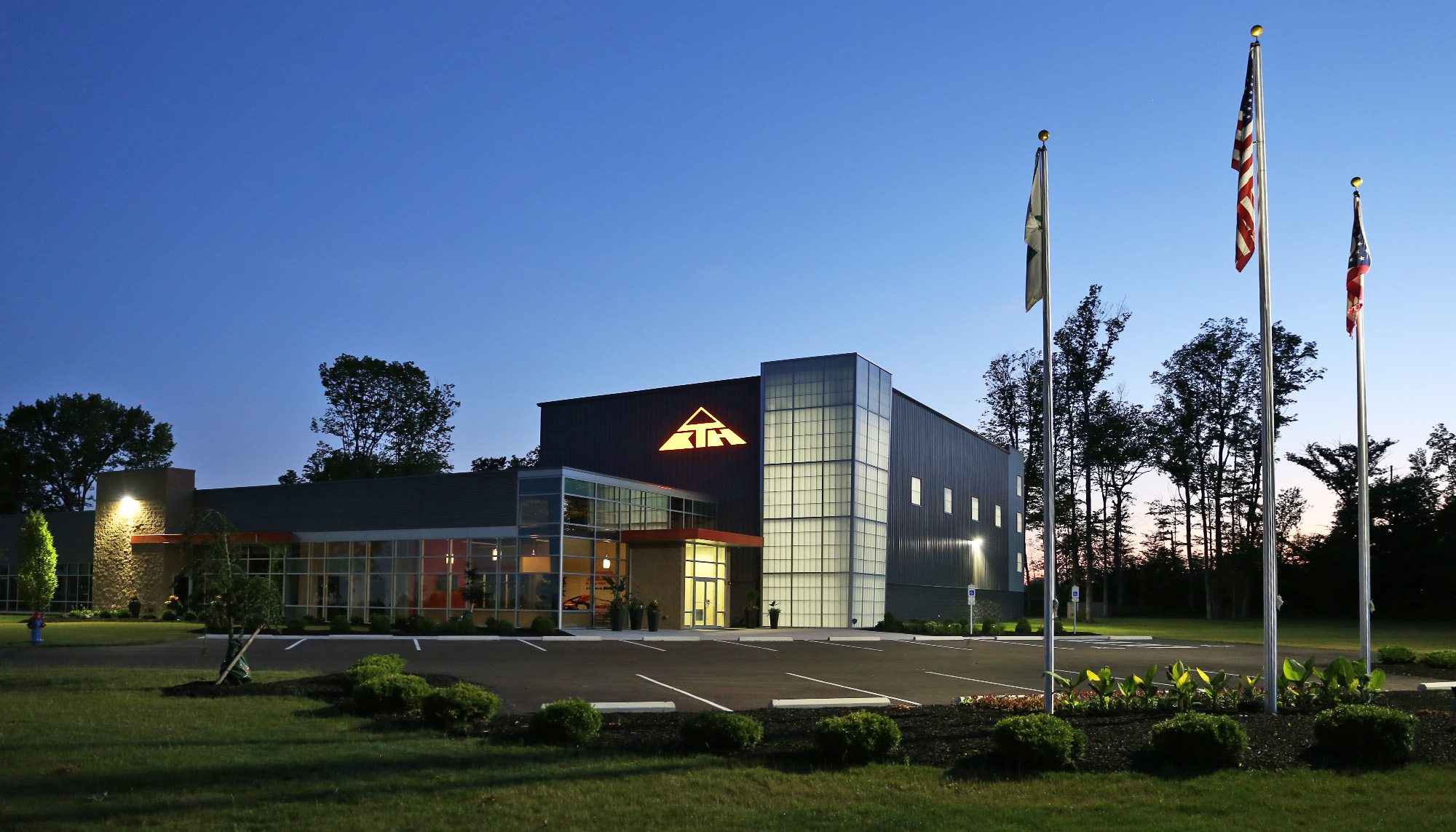
Horizontal metal wall panels create clean visual lines across the front elevations while a transparent Kalwall system was incorporated into the corners of a high-bay area. At night, the illuminated corners create a distinctive visual presence that reinforces the building’s modern identity.
Throughout the facility, storefront glazing plays an important role in connecting interior spaces with the exterior environment. Full-height glass sections in the lobby introduce natural light deep into occupied areas while providing visibility throughout the building. Various panes of tinted glass and spandrel panels arranged in seemingly random patterns add texture and visual movement to the façade.
These design decisions were not purely aesthetic. They were part of a broader strategy to create a workplace environment that supports interaction, openness and innovation.
Research and development work often depends on the ability of teams to collaborate effectively.
The KTH R&D Center was designed around that reality.
Open interior environments, daylight-filled gathering areas and visual connections throughout the building help support communication between departments and project teams. Rather than isolating research functions from office spaces, the facility encourages interaction across different parts of the organization.
Natural daylighting also became a significant part of the building strategy. Skylights were incorporated into the design to introduce additional daylight into occupied spaces. The result is a brighter interior environment that supports employee comfort while helping reduce dependence on artificial lighting during daytime hours.
This emphasis on daylight, transparency and flexibility reflects a growing understanding of how workplace environments influence productivity and innovation.
For the project team, the objective was not simply to create a building that housed research activities. The goal was to create an environment that actively supports them.

The completed KTH R&D Center demonstrates how building systems can be adapted to support highly specific operational and architectural goals.
Multiple roof elevations, varied façade treatments, daylighting systems and flexible structural solutions were coordinated into a single facility designed around the needs of the organization. The use of Rigid Frame and Continuous Beam Frame systems provided the flexibility necessary to support both architectural variety and functional performance.
For Varco Pruden, projects like this reinforce the value of designing around purpose rather than assumptions.
The building was not developed from a standard template. It was shaped around how people work, collaborate and innovate. Every system was selected to support those objectives while maintaining long-term building performance.
Today, the KTH R&D Center serves as more than a workplace. It functions as an environment built around research, development and collaboration.
Its value comes not only from the spaces it contains but from how those spaces work together.
That outcome reflects the core of the Varco Pruden approach: understanding what a project needs to achieve and developing solutions that help make it possible.
Tell us what you’re solving for. Share your challenges, timeline and aspirations, and we'll bring the engineering insight and practical creativity to shape ambitious, lasting structures, together.