
Cities and towns are increasing investment in places where people can gather, connect and strengthen community ties. This growth means architects are being asked to design buildings that do more than serve a function. Civic buildings must balance impact with local identity, budget, schedule and long-term value.
Community centers, performing arts venues, athletic facilities and fire stations have become modern "third places,” destinations beyond home and work. These buildings must perform efficiently, withstand decades of use and fit naturally within the surrounding architectural context.
According to the American Institute of Architects, “The resilience of a building and of a community goes hand-in-hand.”
Pre-engineered metal building (PEMB) and hybrid steel systems from Varco Pruden are helping project teams achieve these goals.
Today's PEMB and hybrid steel systems serve architects as design-enablement tools. They foster expressive civic architecture while delivering the speed, precision and predictability that public projects demand.
Here are some ways architects are using PEMB and hybrid steel solutions to create community spaces that are as welcoming as they are functional.
Create Spaces That Serve Multiple Uses
Community buildings rarely serve a single purpose. Recreation centers host fitness classes, youth sports, community meetings and special events. Performing arts venues accommodate concerts, lectures, graduations and civic gatherings. Designing multiuse programming allows these facilities to remain valuable as community needs evolve.
Long-span structural systems minimize interior columns, giving architects greater freedom to organize spaces that can adapt over time.
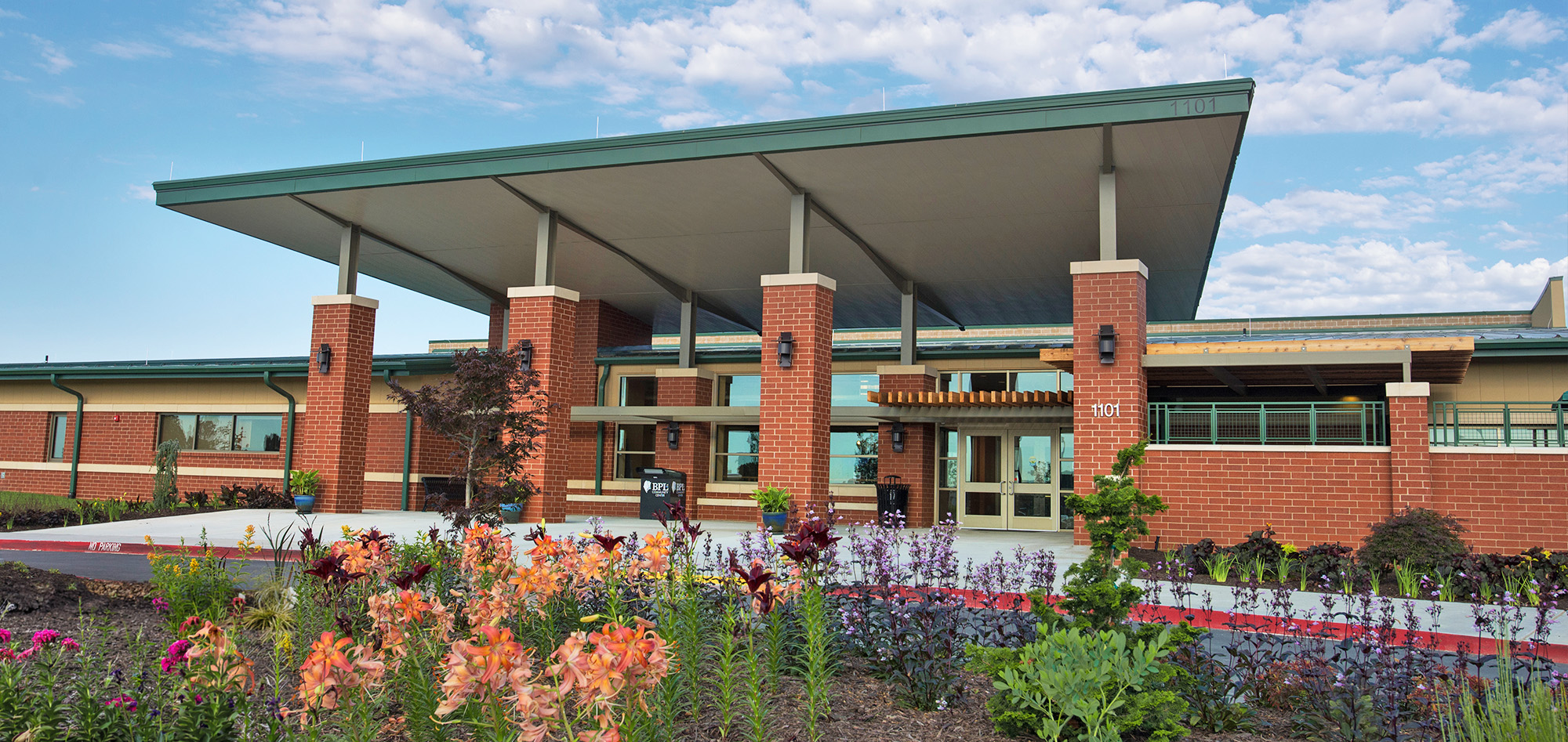 Bentonville Community Center. (Photo: Varco Pruden)
Project spotlight: Bentonville Community Center
The Bentonville Community Center in Arkansas demonstrates how a pre-engineered structural system can support diverse programming within a single facility. The 82,700-square-foot center includes aquatics, fitness areas, basketball courts, walking tracks, classrooms and multipurpose spaces. Exterior finishes combine brick, stone and architectural metal panels, reinforcing the building's civic character while accommodating the specialized environmental requirements of the indoor pool.
Architecture Takeaway: Through an integrated building approach, the Bentonville Community Center delivered diverse programming spaces while addressing durability, humidity control and architectural consistency within the town.
Design with An Eye on Future Expansion
Population growth and changing recreational needs often require civic buildings to expand over time. Designing for the future allows municipalities to protect their investment while avoiding costly reconstruction.
Large clear spans and adaptable structural layouts provide opportunities for future additions, reconfiguration and evolving programming.
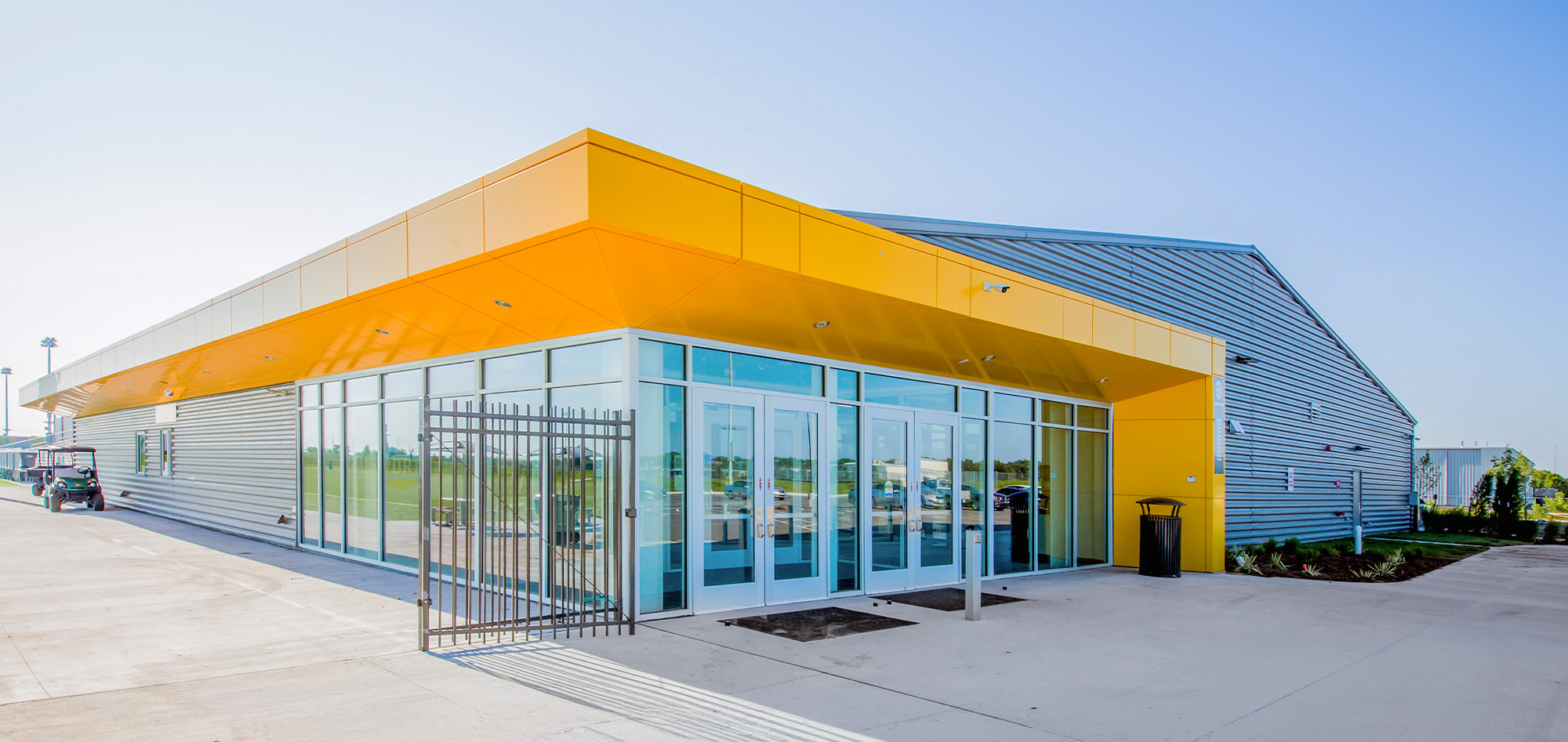 Stryker Sports Complex. (Photo: Varco Pruden)
Project spotlight: Stryker Sports Complex
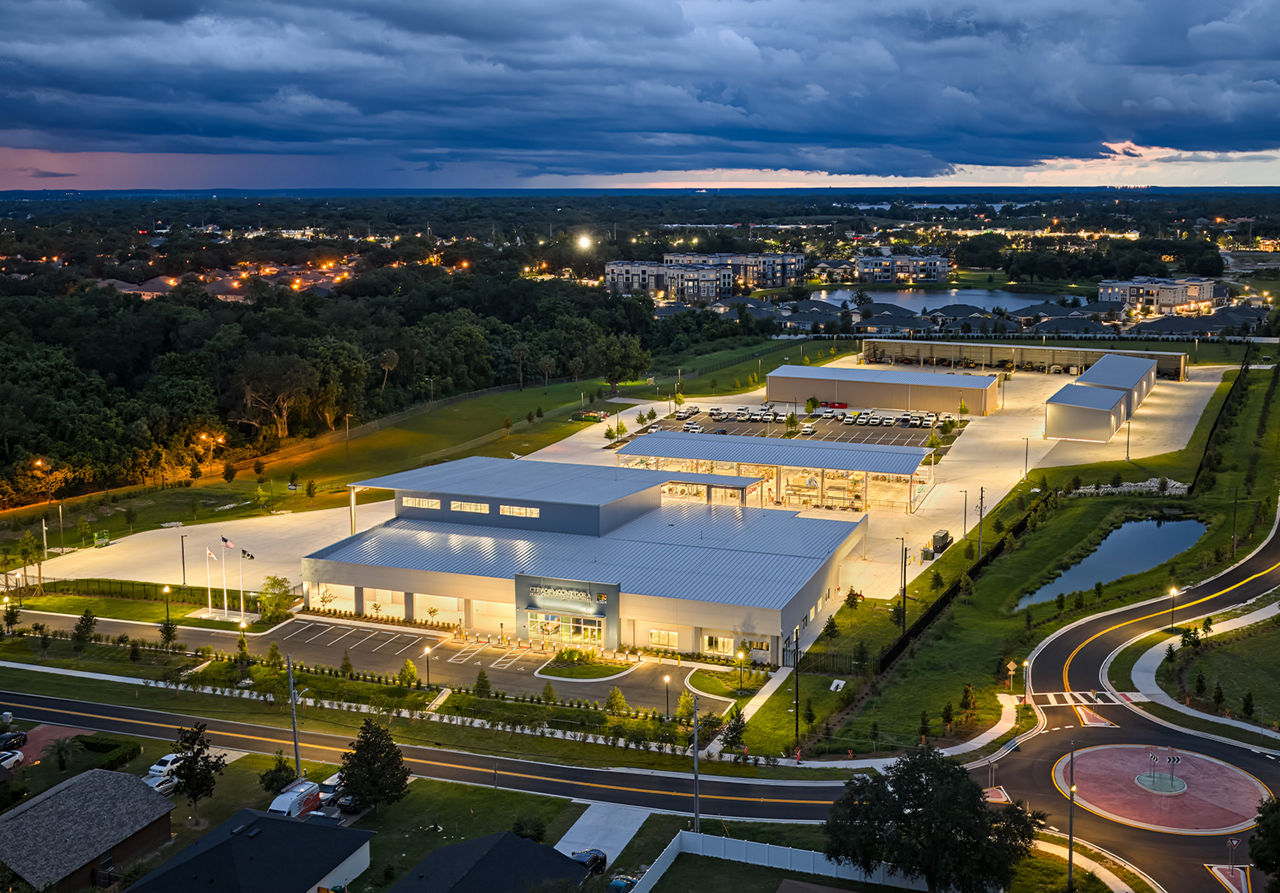
Designed to support a wide variety of athletic programs, the Stryker Sports Complex demonstrates how pre-engineered systems can create expansive, unobstructed spaces that accommodate sports, tournaments and community events. The facility balances operational efficiency with architectural character while providing the flexibility needed to support future growth as community participation increases.
Architecture Takeaway: The challenge of this project was creating a venue large enough to attract regional and national tournaments while remaining adaptable for local programming and fitting into the community year-round.
Designing for Community
Today's civic buildings do more than house public services. They become gathering places, landmarks and long-term investments that help define a community's identity.
PEMB and hybrid steel building systems from Varco Pruden give architects the freedom to create these spaces without compromising design intent. Through long-span structures, adaptable layouts, integrated architectural materials and durable performance, they support buildings that are functional, expressive and built to serve generations.
As communities demand places that foster connection, architects have an opportunity to leverage these building systems as a design tool to create resilient, adaptable buildings that bring people together.
For more insights about the coordination of architecture and steel building systems, visit our Insights page.