Proven Partnerships
Builder collaboration helps teams solve challenges earlier and maintain alignment throughout project execution.


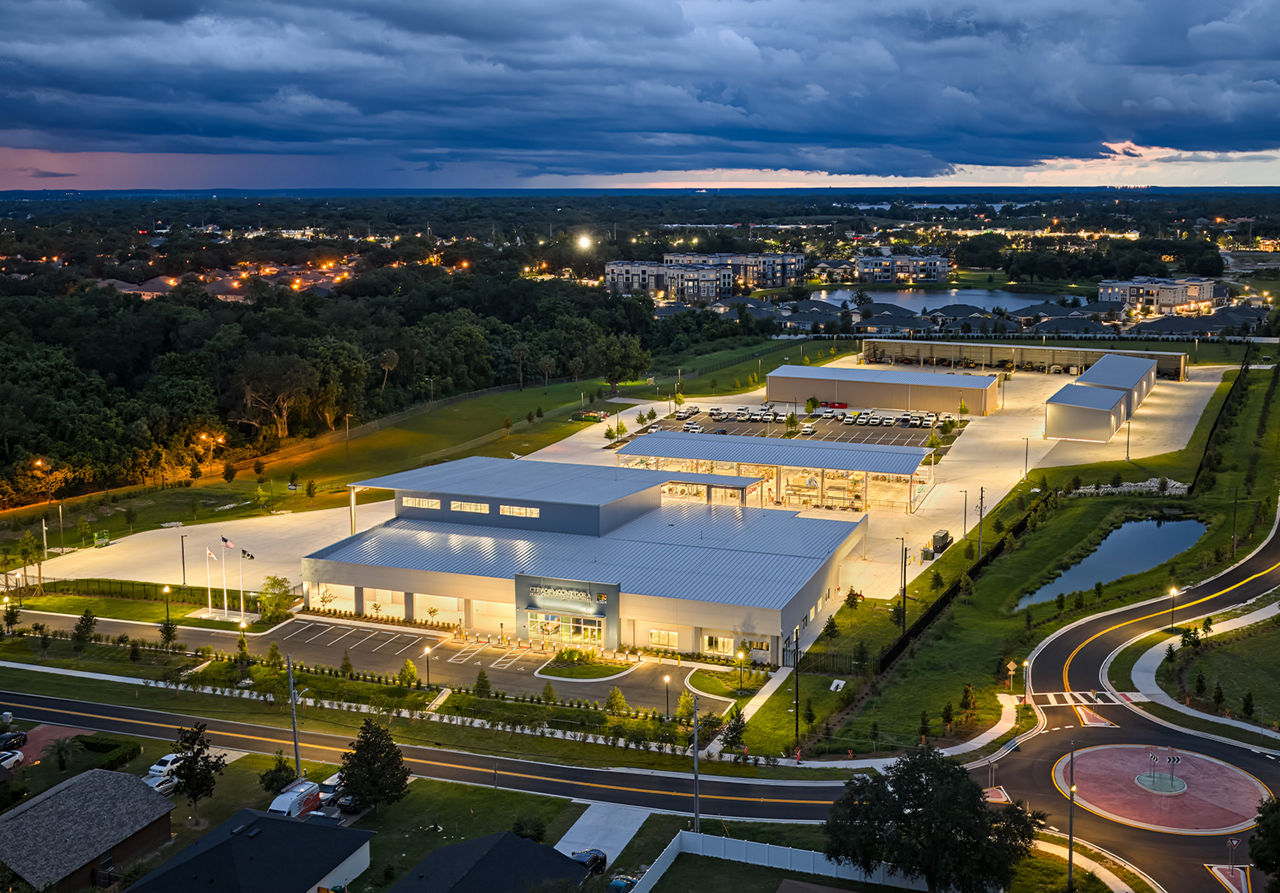
Engineered components, designed to the specifics of the project and fabricated before they ship. See what a VP PEMB makes possible.
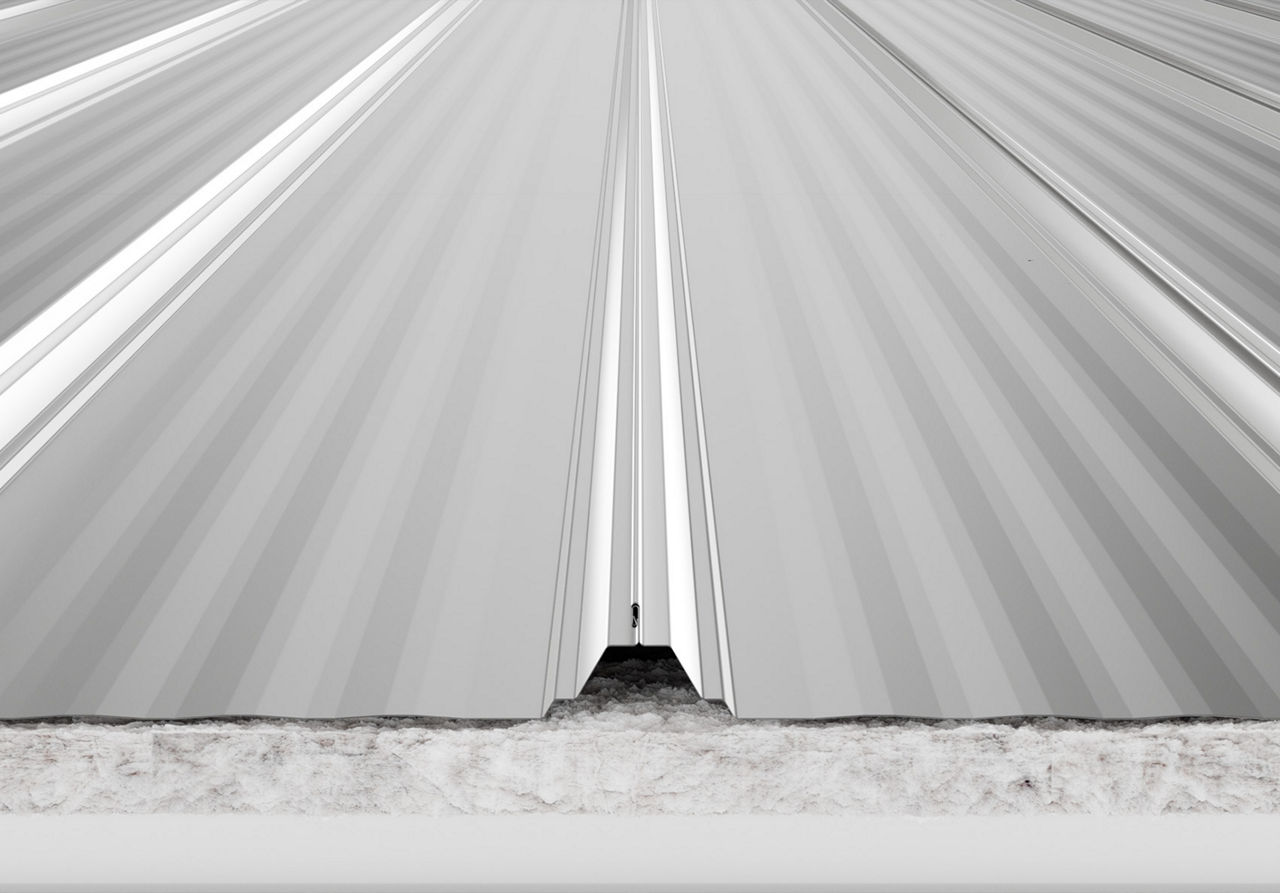
The standing seam roof with millions of square feet in service, machine-seamed into a single protective membrane.
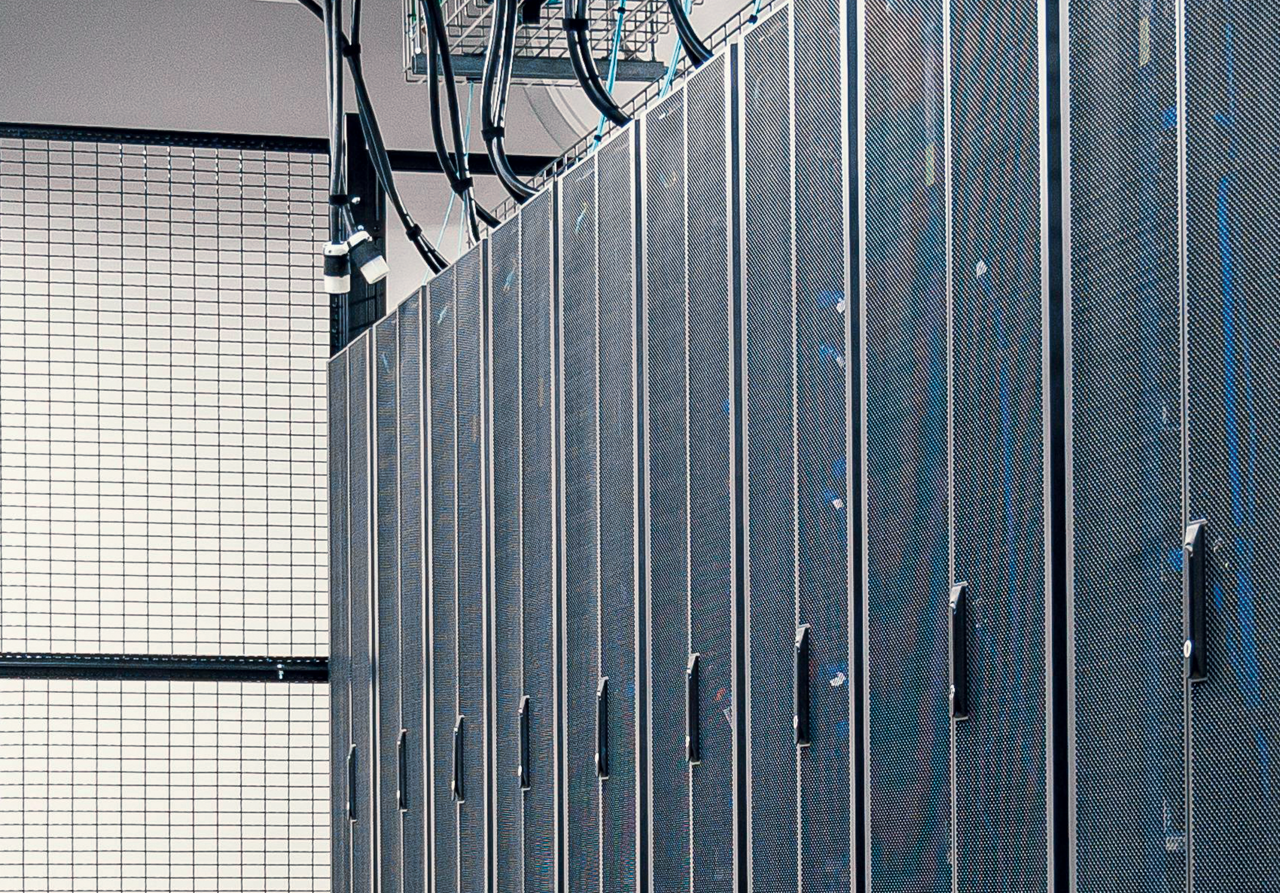
Mission-critical work calls for proven structural solutions. VP has shaped data center campuses across North America for the developers building the digital backbone.

Redeveloping a waterfront site required balancing operational needs with public-facing experiences. The facility needed to support brewing production, dining, events and outdoor gathering areas while embracing its coastal setting.
Through collaborative planning and a flexible building approach, the project created a multi-use destination designed for both efficient operations and year-round visitor activity.

Builder collaboration helps teams solve challenges earlier and maintain alignment throughout project execution.
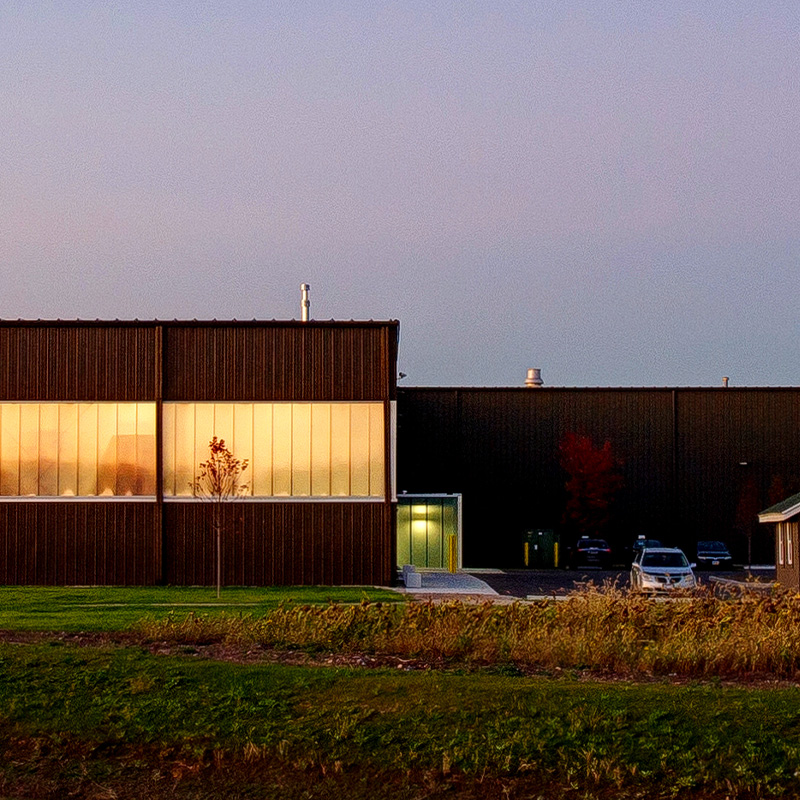
VP systems help projects respond to surrounding architecture while staying aligned with the customer’s vision and goals.

Early visibility and coordinated planning help teams reduce surprises and maintain budget alignment.
Stony Creek Brewery
Some projects begin with a vacant site. Others begin with a vision for what a site can become.
For Stony Creek Brewery, that vision centered on transforming an underutilized waterfront property in Branford, CT, into a destination that would support brewing operations, welcome visitors and reconnect the community with the shoreline.
The site, formerly occupied by industrial uses, offered a unique opportunity. Located along the Branford River with direct access to Long Island Sound, the property provided the setting for a new brewery and hospitality destination. The challenge was creating a facility capable of supporting manufacturing, dining, events and public gathering spaces while taking full advantage of its waterfront location.
Working with Munger Construction and Varco Pruden™, the project team developed a building solution that balanced operational performance with architectural character.
The result is a 30,000-square-foot brewery and restaurant facility that serves as both a production center and a public destination. Since opening, the project has become a focal point for visitors and residents alike while supporting the continued growth of the brewery's operations.
Breweries place unique demands on a building.
Production equipment requires open interior spaces, clear circulation paths and structural systems capable of accommodating specialized loads. Hospitality spaces require a very different experience, emphasizing comfort, visibility and connection to the surrounding environment.
At Stony Creek Brewery, both functions needed to coexist within a single facility.
The building was designed to accommodate brewing operations, packaging areas, storage, offices, a restaurant and event spaces. Rather than separating these uses into distinct facilities, the project team integrated them within one coordinated structure.
Large open interior spaces support production equipment and operational workflows while public areas provide direct views into brewing activities. Visitors experience the process firsthand, creating a stronger connection between the facility and the product being produced inside.
That integration reflects a practical design philosophy: understand how the building will be used and create solutions that support those needs from the outset.
For Varco Pruden, flexibility begins with understanding the owner's goals and developing a building system around them. In this case, the objective was clear. The facility needed to perform as a manufacturing operation while also functioning as a year-round destination.
The waterfront location influenced nearly every aspect of the project.
Rather than turning inward, the building was designed to engage the river and surrounding landscape. Outdoor gathering areas, decks and public spaces extend activity beyond the building itself and create connections between visitors and the waterfront environment.
Extensive glazing introduces natural light throughout the facility while providing views of the Branford River. The building's orientation maximizes those views and reinforces the relationship between indoor and outdoor spaces.
According to Munger Construction, the project represented more than a new building. It was part of a broader effort to transform a previously dormant property into an active destination that contributes to the local economy and community.
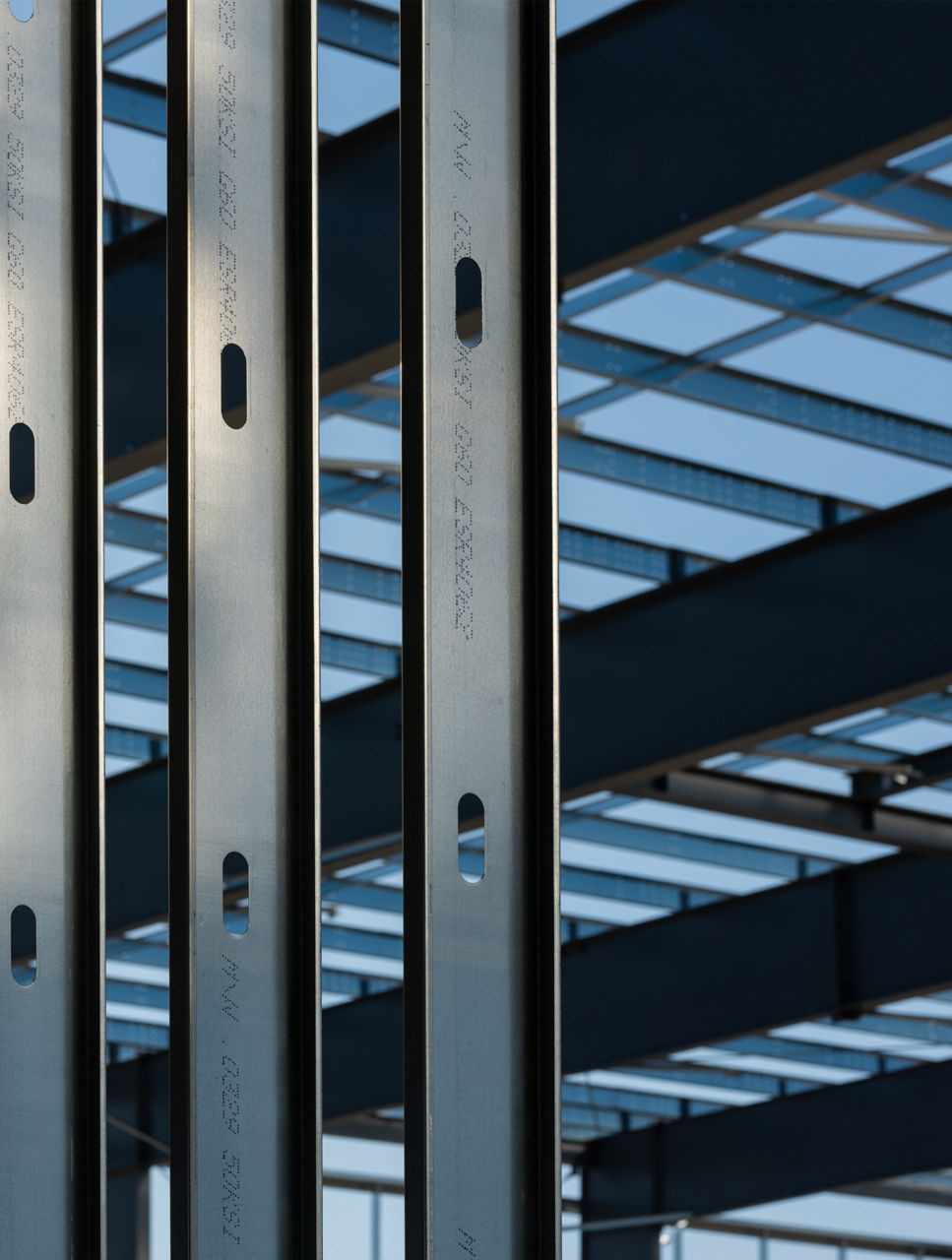
The structure's steel framing system provided the flexibility needed to create large open spaces while supporting the architectural features that help define the visitor experience. By combining operational requirements with public-facing environments, the project achieved a balance between efficiency and atmosphere.
That flexibility is one of the reasons steel building systems continue to be effective solutions for projects with diverse occupancy needs.

Today, Stony Creek Brewery serves multiple purposes.
It functions as a production facility, a restaurant, an event venue and a gathering place. The building supports daily brewing operations while accommodating visitors throughout the year.
That versatility was a key objective from the beginning.
The facility needed to support current operational demands while providing flexibility for future growth. By bringing manufacturing and hospitality together within one coordinated structure, the project created opportunities that extend beyond brewing alone.
The completed development also demonstrates the value of collaboration. Success required coordination among ownership, design professionals, construction teams and building system partners. Each decision contributed to creating a facility capable of balancing production, customer experience and long-term operational performance.
For the City of Branford, the project helped revitalize a waterfront property and create a destination that attracts residents and visitors alike.
For the owner, it provided a facility designed around how the business operates today while supporting future opportunities.
And for the project team, it stands as an example of what can be accomplished when a building is designed around purpose rather than convention.
At its core, Stony Creek Brewery is a story about transformation.
A former industrial site became an active waterfront destination. Manufacturing and hospitality were brought together under one roof. Operational requirements and visitor experiences were treated as complementary goals rather than competing priorities.
The result is a building that works hard behind the scenes while creating memorable experiences along the shoreline.
That balance of performance, flexibility and collaboration remains at the heart of the Varco Pruden approach.
Tell us what you’re solving for. Share your challenges, timeline and aspirations, and we'll bring the engineering insight and practical creativity to shape ambitious, lasting structures, together.