Buildings That Perform
Long-term weather resistance, simplified maintenance and coordinated performance across the entire building envelope.


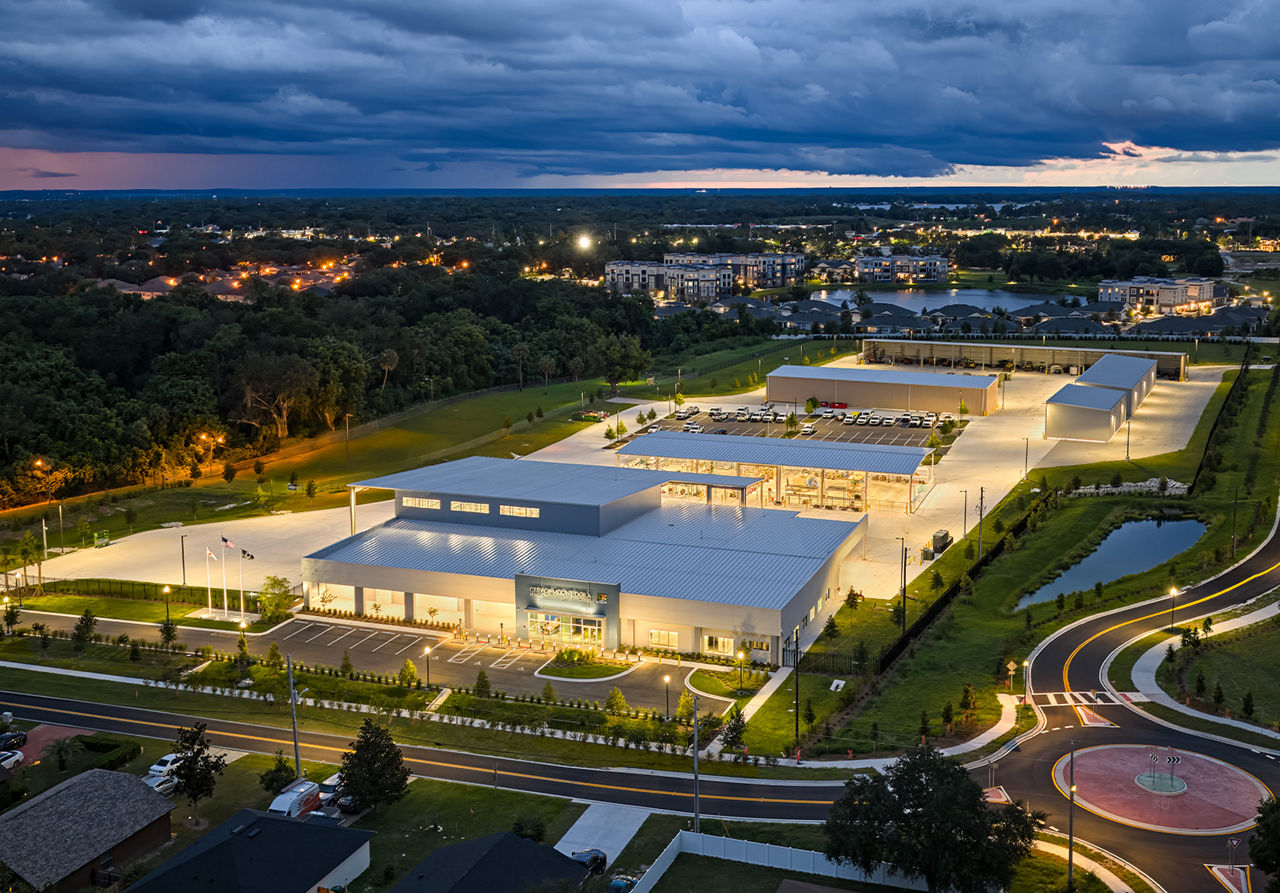
Engineered components, designed to the specifics of the project and fabricated before they ship. See what a VP PEMB makes possible.
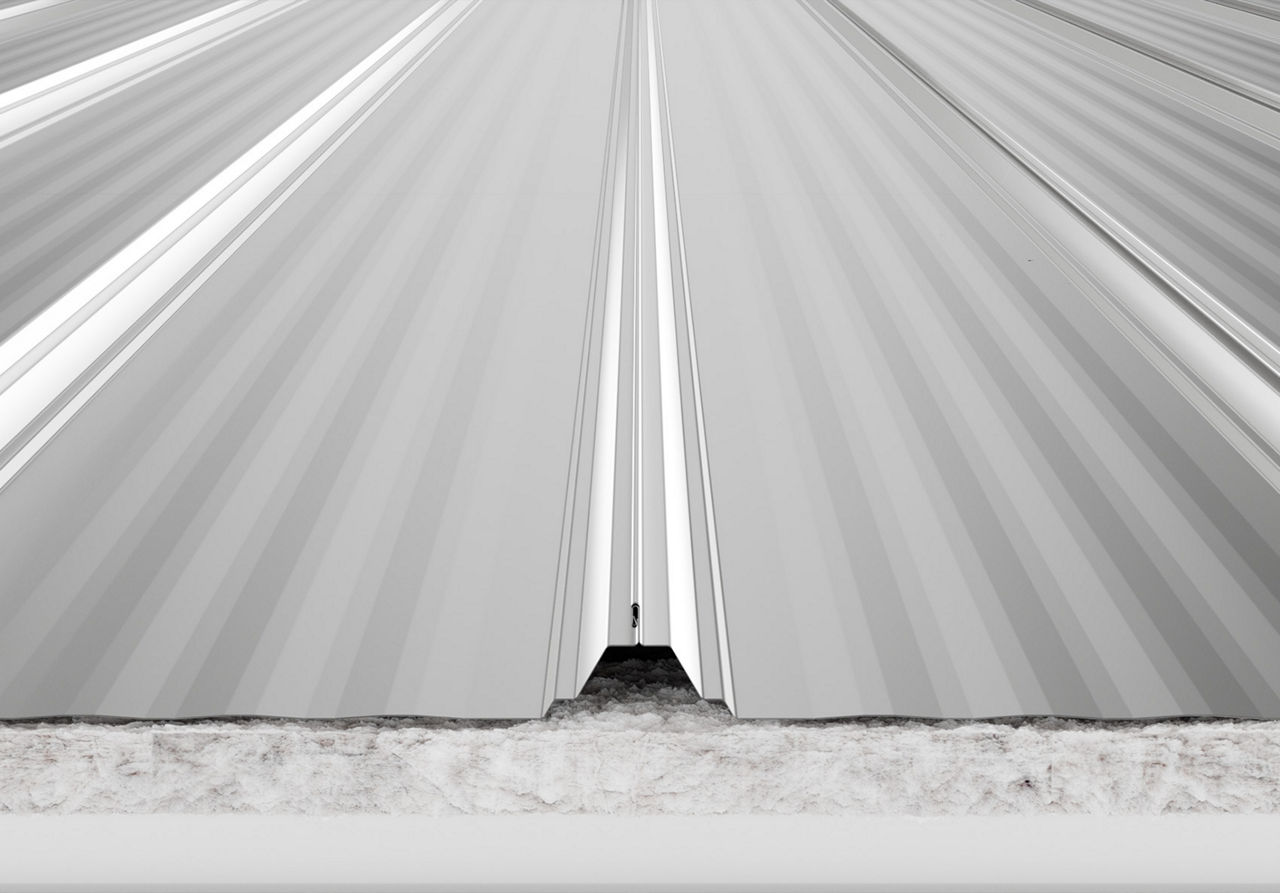
The standing seam roof with millions of square feet in service, machine-seamed into a single protective membrane.
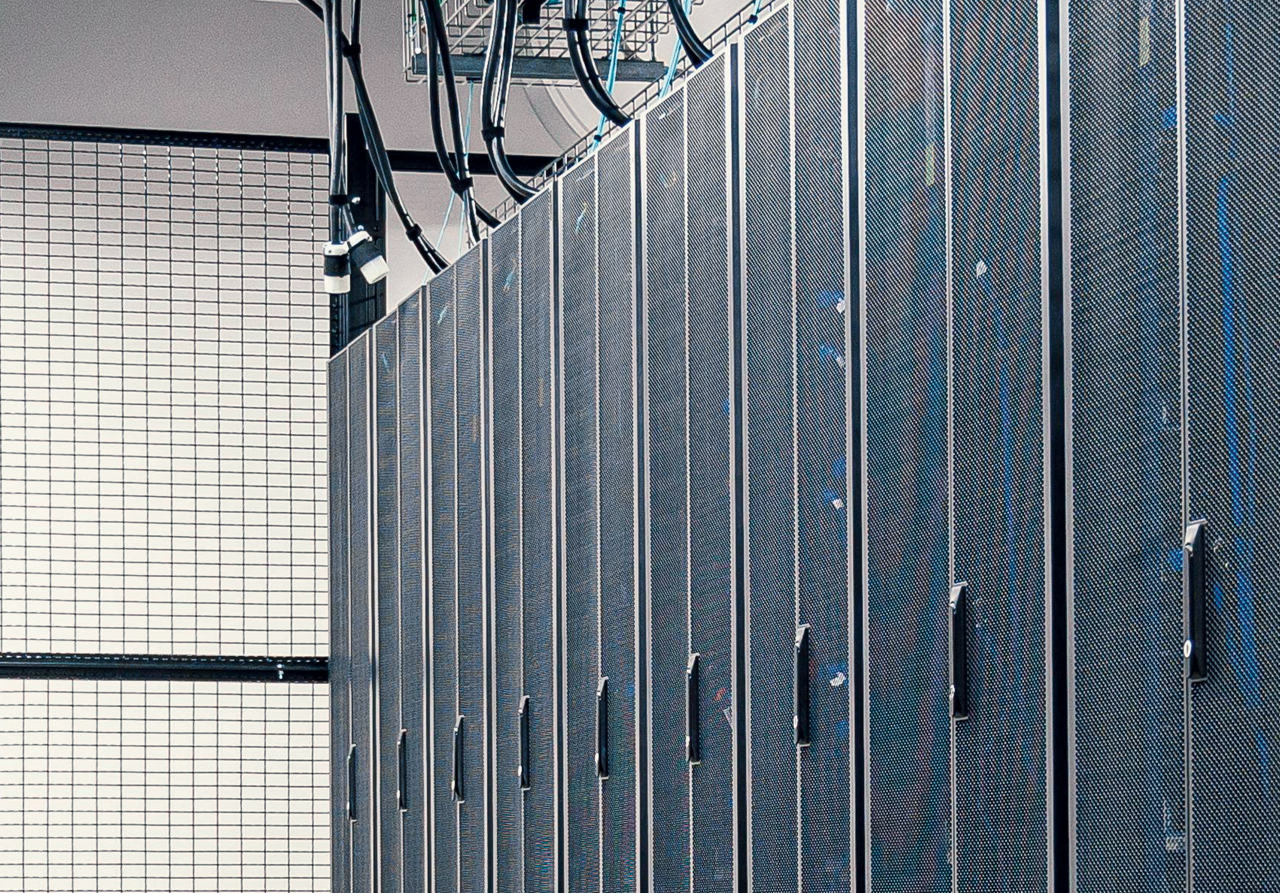
Mission-critical work calls for proven structural solutions. VP has shaped data center campuses across North America for the developers building the digital backbone.

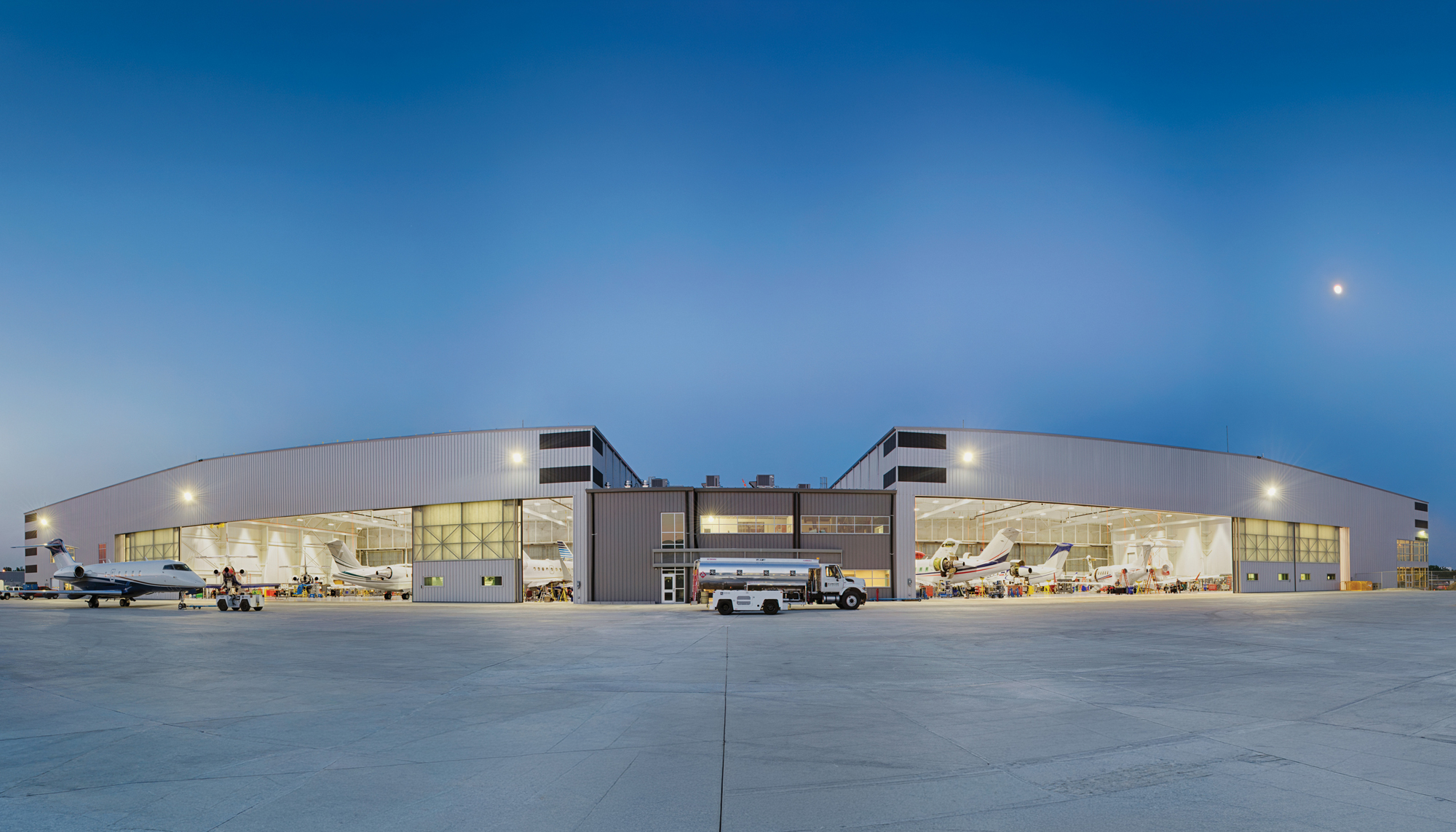
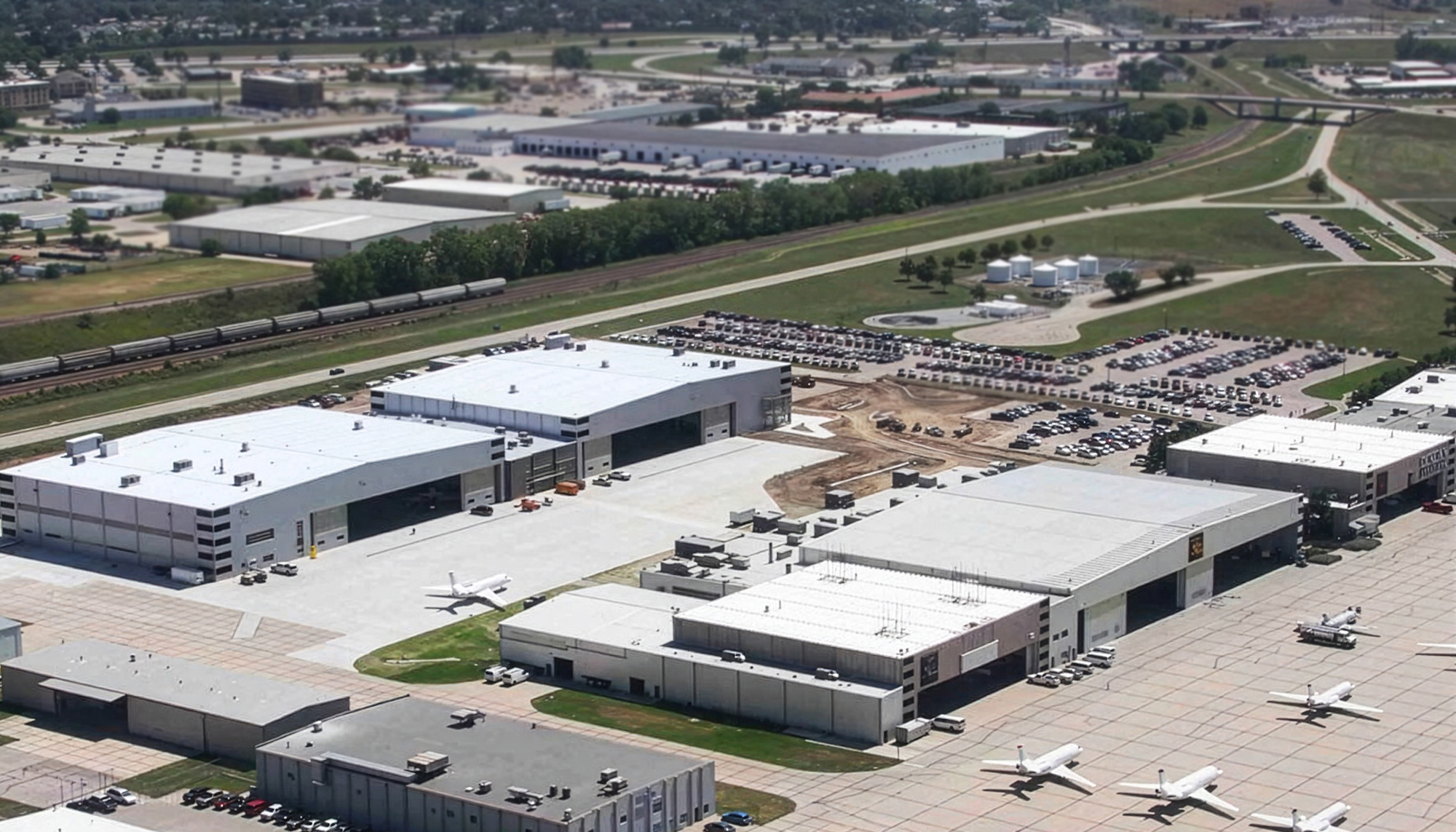
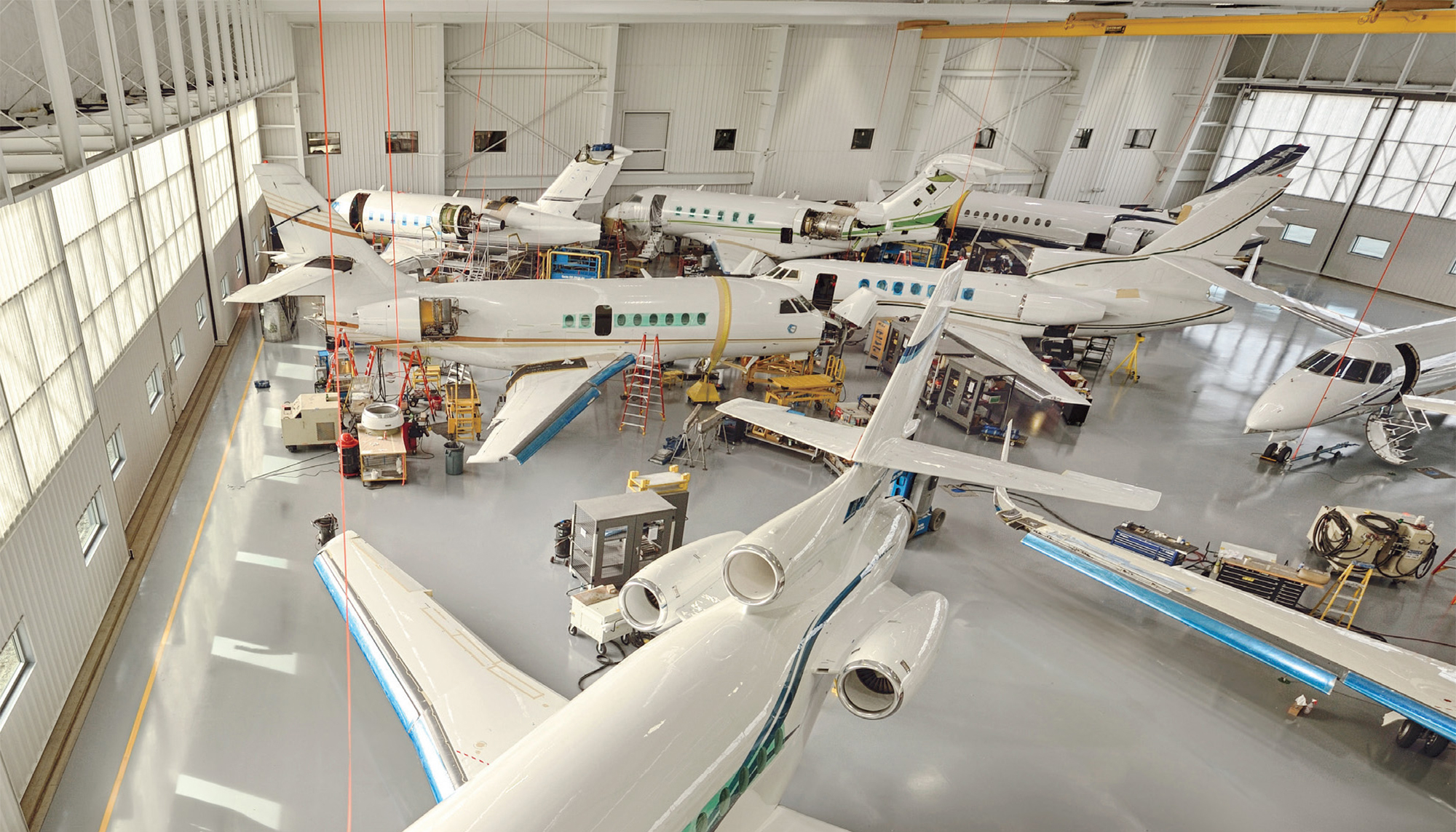
Expanding aircraft maintenance capacity required accommodating larger planes while improving workflow and efficiency. The challenge was delivering wide-span hangars and support spaces that could operate seamlessly together.
Through coordinated design and integrated systems, the team delivered a facility that supports maintenance operations at scale. The result is a flexible environment that improves productivity while aligning with long-term operational growth.
Long-term weather resistance, simplified maintenance and coordinated performance across the entire building envelope.
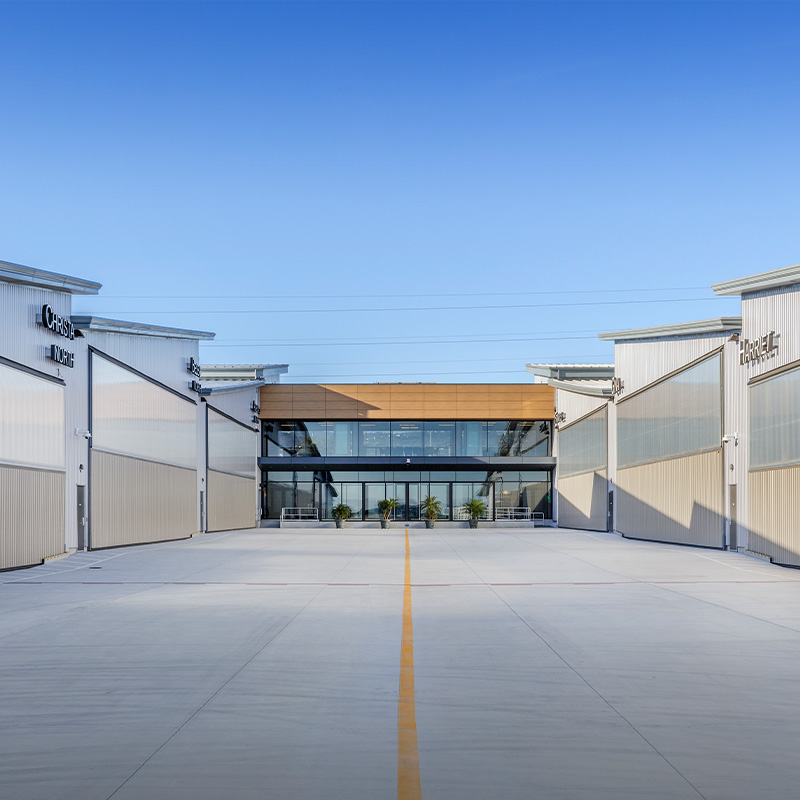
Column spacing and clearspan framing create wide-open, usable interior space.
Builder expertise and Varco Pruden engineering come together to turn custom concepts into practical building solutions.
Duncan Aviation Lincoln Maintenance Hangar
Aircraft aren’t getting smaller. Maintenance demands aren’t slowing down. For Duncan Aviation, the pressure wasn’t just about growth. It was about keeping pace.
As fleet sizes increased and aircraft dimensions expanded, existing facilities began to feel constrained. The need was clear: create space that could handle larger aircraft while improving how maintenance work flows across the operation.
Working with Tectonic Management Group, Inc., a Varco Pruden™ Builder, the team developed a 176,000-square-foot aircraft service center designed to do both.
“We did not build these hangars to gain market share, but to maintain our market share in a growing industry,” said Jeff Lake, President and CEO of Duncan Aviation.
That perspective guided the project from the start, focus on performance, not excess.
At the core of the facility are two 40,000-square-foot hangars, each designed with 200-foot clear spans. This allows multiple large aircraft to be serviced at once without structural interruptions, giving technicians the room they need to work efficiently.
Support spaces are integrated directly alongside the hangars, including shops, storage areas and training rooms. This proximity reduces unnecessary movement and keeps teams connected to the work at hand.
Daylighting plays a practical role in the environment. A combination of translucent panels and more than 140 skylights introduces consistent natural light into the hangar bays. This reduces reliance on artificial lighting while improving visibility across detailed maintenance tasks.
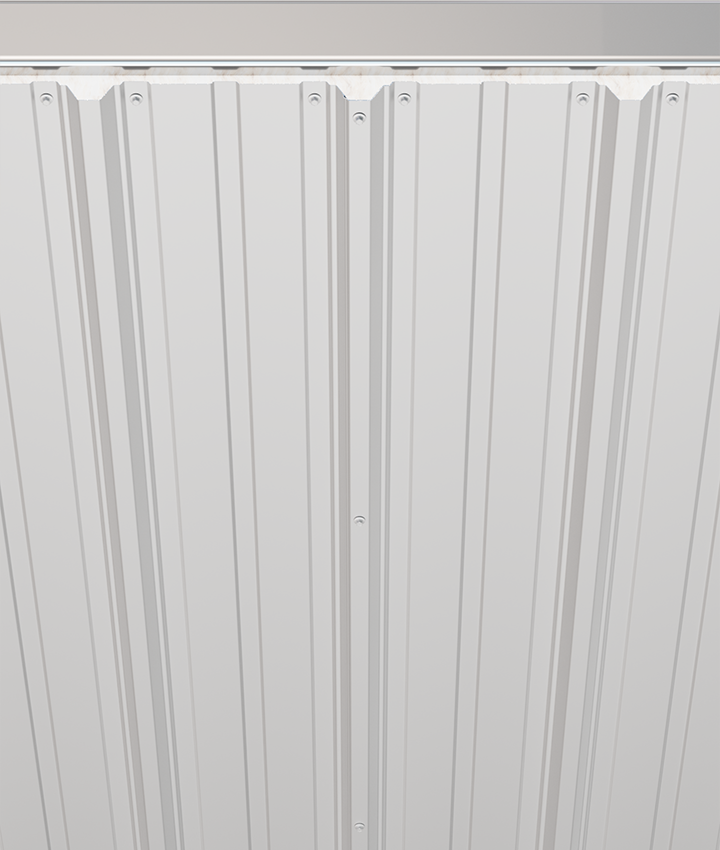
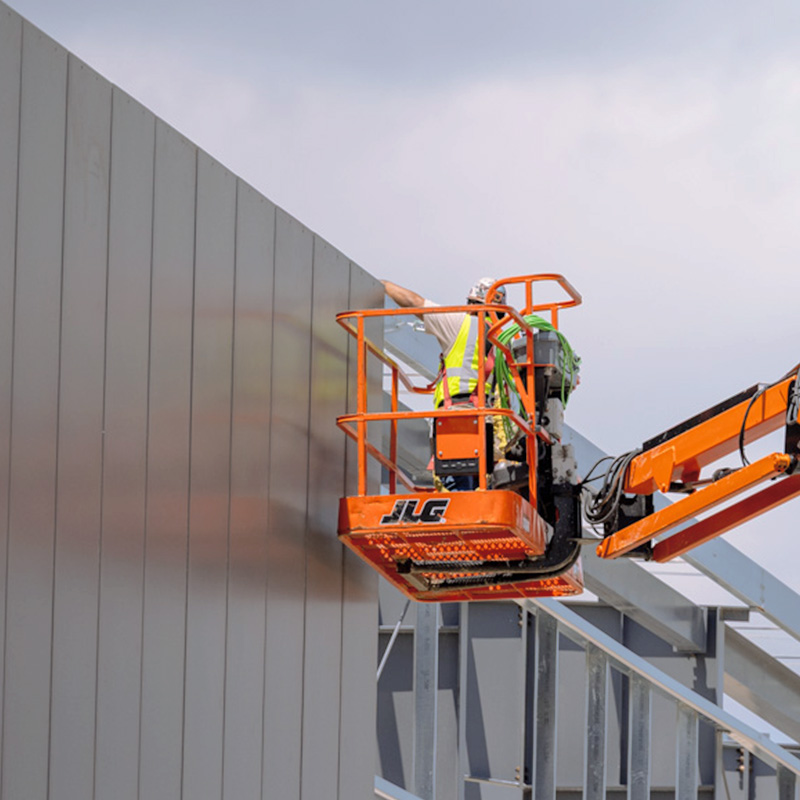
The SSR™ Roof System and Panel Rib™ wall system provide a durable envelope, supporting year-round operation while maintaining performance in demanding conditions.
Delivering a facility of this size required alignment across structure, systems and schedule.
The rigid frame system supports the long spans needed for aircraft clearance, while allowing flexibility within the interior layout. Structural and mechanical systems were coordinated to ensure that lighting, ventilation and operational needs could be integrated without conflict.
Sustainability strategies were also incorporated to support long-term efficiency. Features such as energy-conscious lighting and environmental controls help reduce operating costs while maintaining consistent conditions inside the hangars.
Beyond the building itself, the expansion reflects a broader investment in capability.
During the 18-month construction period, Duncan Aviation expanded its workforce, adding technicians to support increased capacity. Training programs and support spaces within the facility help reinforce that growth, ensuring that both the building and the people working within it are aligned.
Completed in October 2015, the facility provides the space and structure needed to support ongoing operations.
Tell us what you’re solving for. Share your challenges, timeline and aspirations, and we'll bring the engineering insight and practical creativity to shape ambitious, lasting structures, together.