Flexible Interiors
Column spacing and clearspan framing create wide-open, usable interior space.


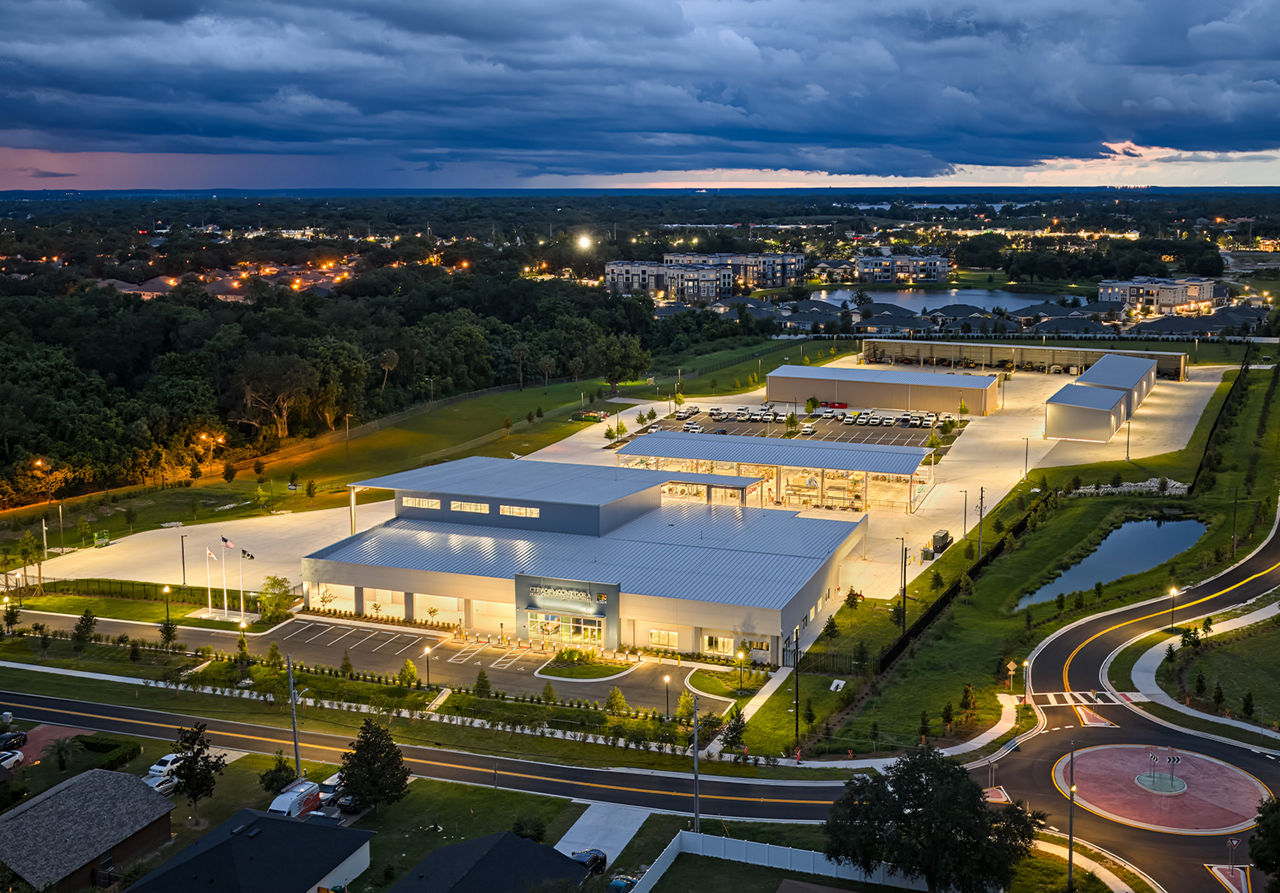
Engineered components, designed to the specifics of the project and fabricated before they ship. See what a VP PEMB makes possible.
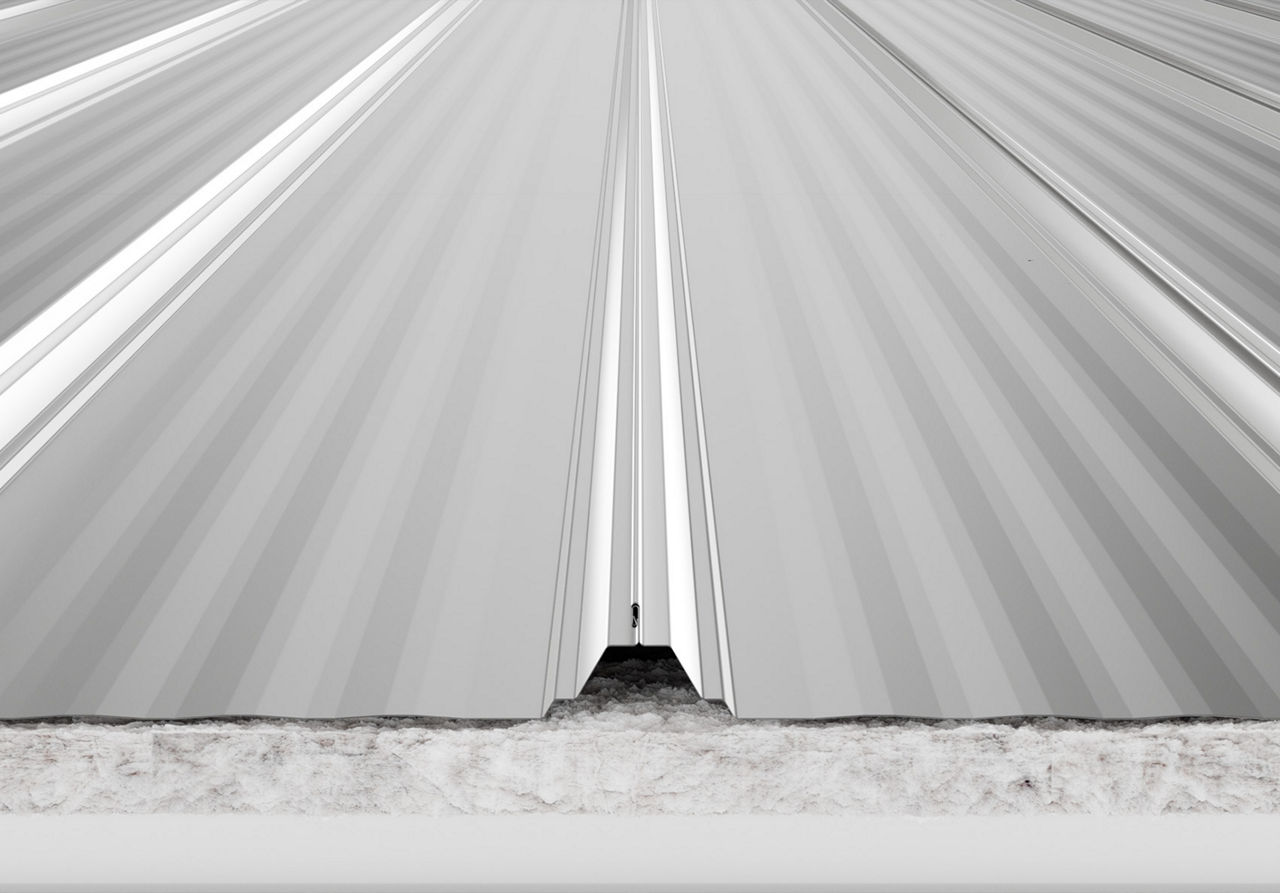
The standing seam roof with millions of square feet in service, machine-seamed into a single protective membrane.
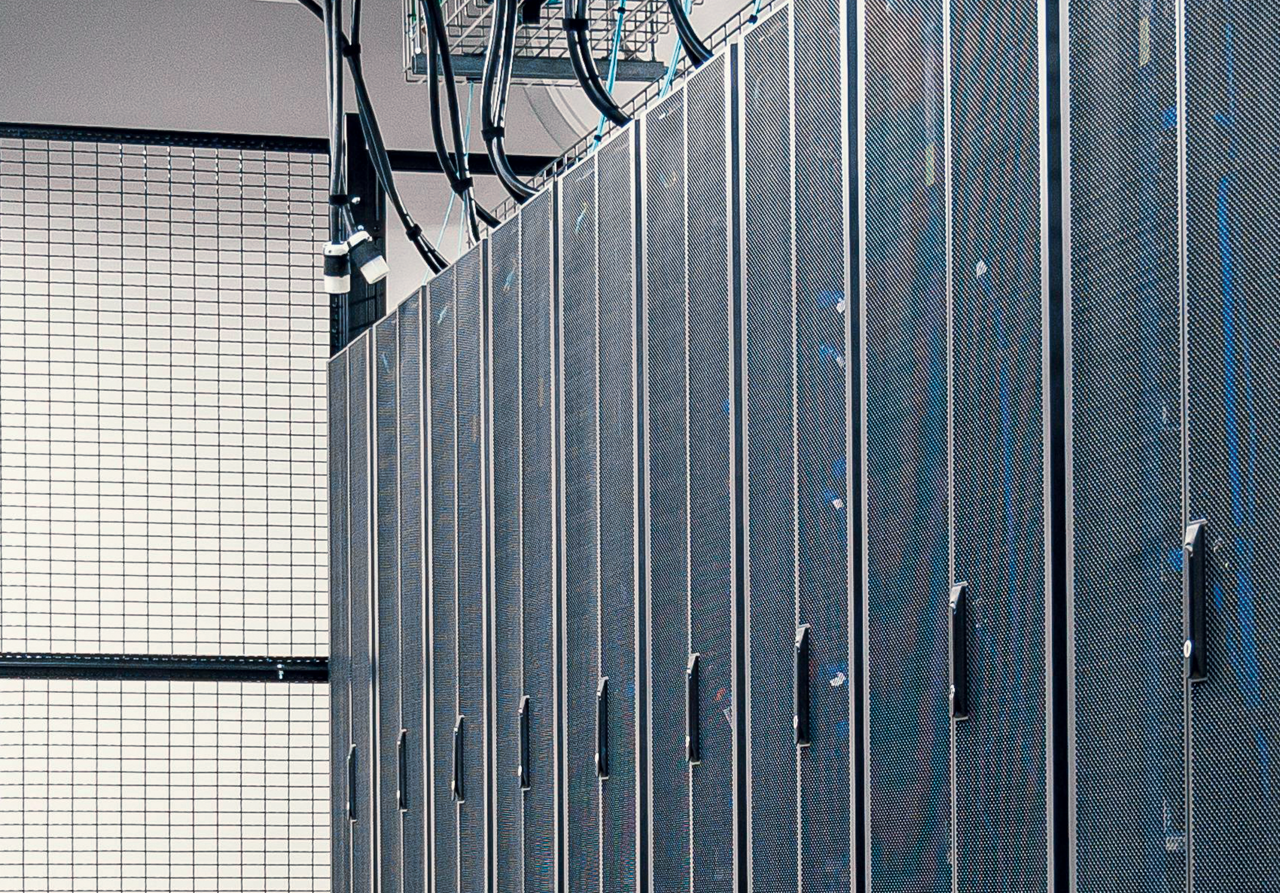
Mission-critical work calls for proven structural solutions. VP has shaped data center campuses across North America for the developers building the digital backbone.
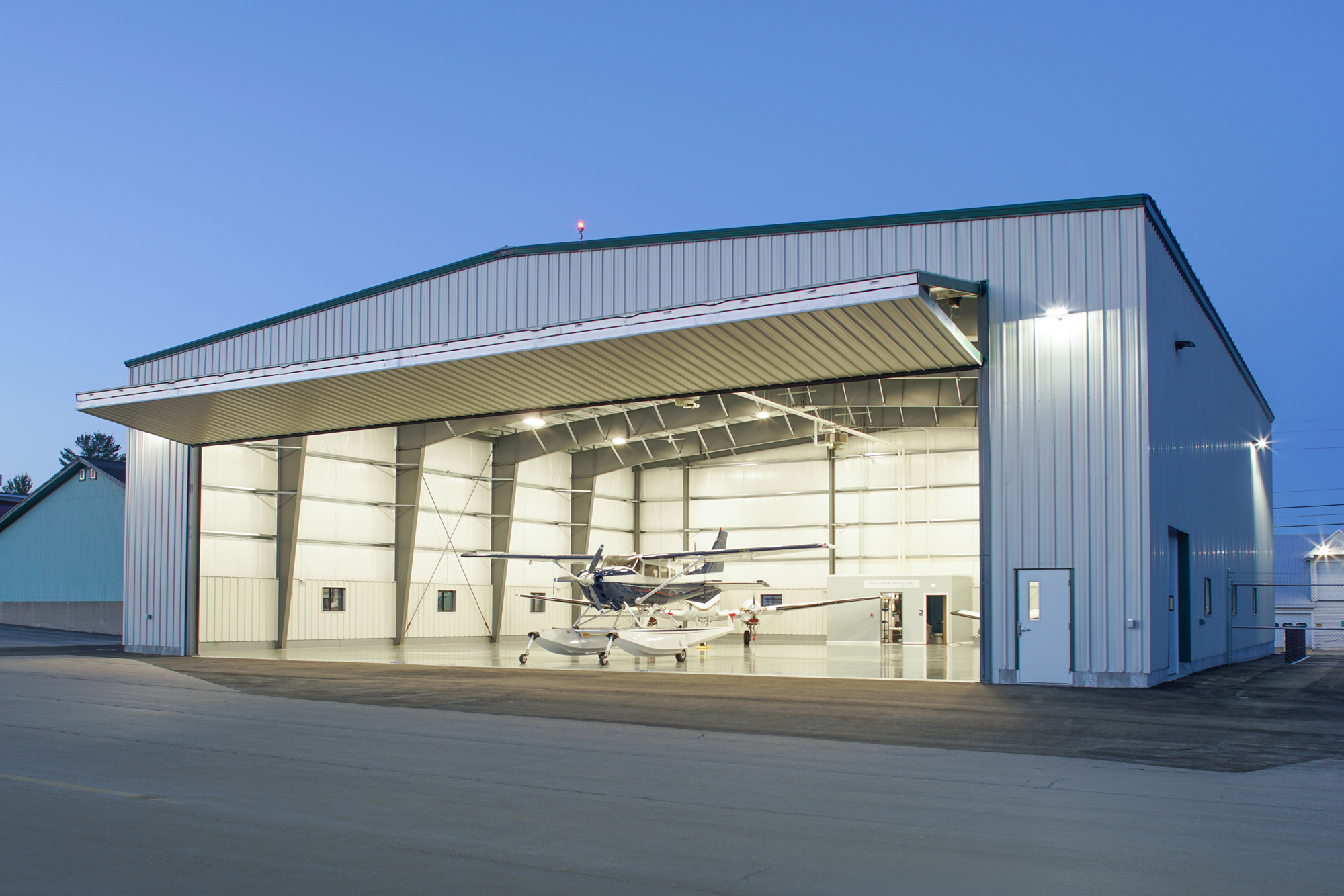
Developing an aircraft hangar on a constrained site required careful coordination between structure, access and safety. Limited space and proximity to active power lines added complexity to both design and construction.
Through detailed planning and sequencing, the team delivered a solution that supports aircraft operations while managing site risks. The result is a facility that balances functionality with precise execution under challenging conditions.
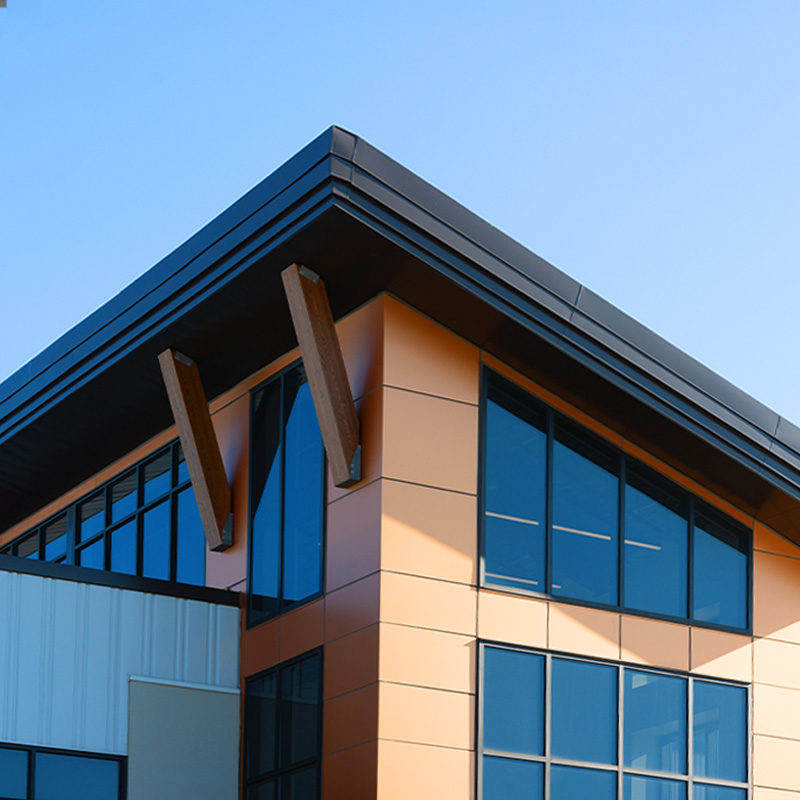
Column spacing and clearspan framing create wide-open, usable interior space.

Our roof and wall systems shield your investment against decades of wear and tear.
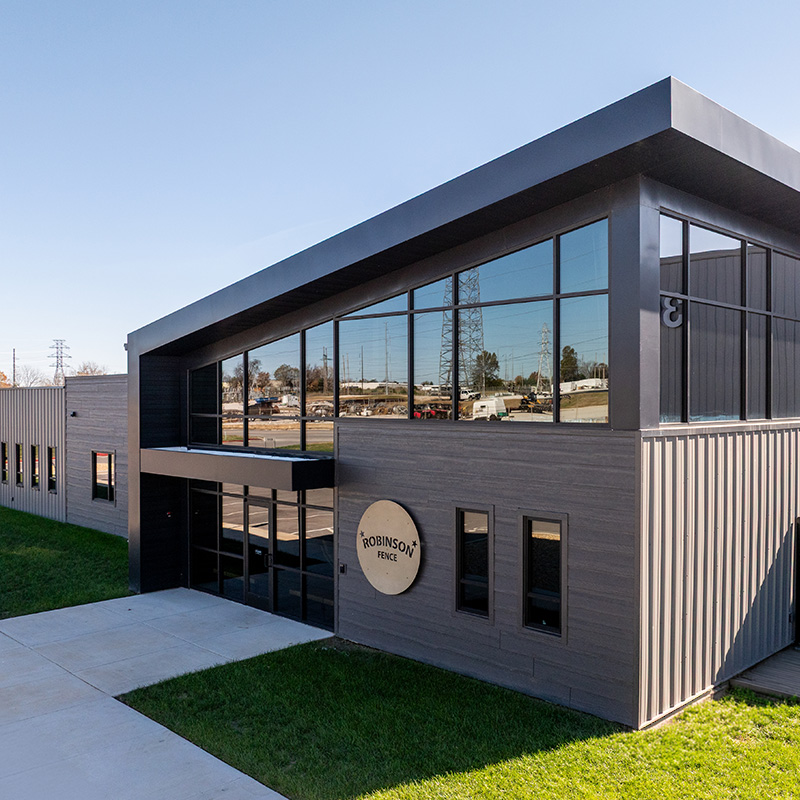
Builder expertise and Varco Pruden engineering come together to turn custom concepts into practical building solutions.
Maine Instrument Flight Corporate Hangar
Not every project begins with flexibility. Some begin with limits, and how those limits are handled determines everything that follows.
For this aircraft hangar, the site presented immediate challenges. Depth was restricted, leaving little room for staging or adjustment. Along one edge, active power lines introduced safety concerns that affected how the building could be erected.
These conditions shaped the project from the start. Every decision, from structural coordination to construction sequencing, needed to account for what could not change.
Working with Peachey Builders, a Varco Pruden™ Builder, the team approached the project with a focus on control. Not just in design, but in how the building would come together in the field.
The primary functional requirement of the hangar was clear: provide unobstructed access for aircraft while maintaining structural integrity.
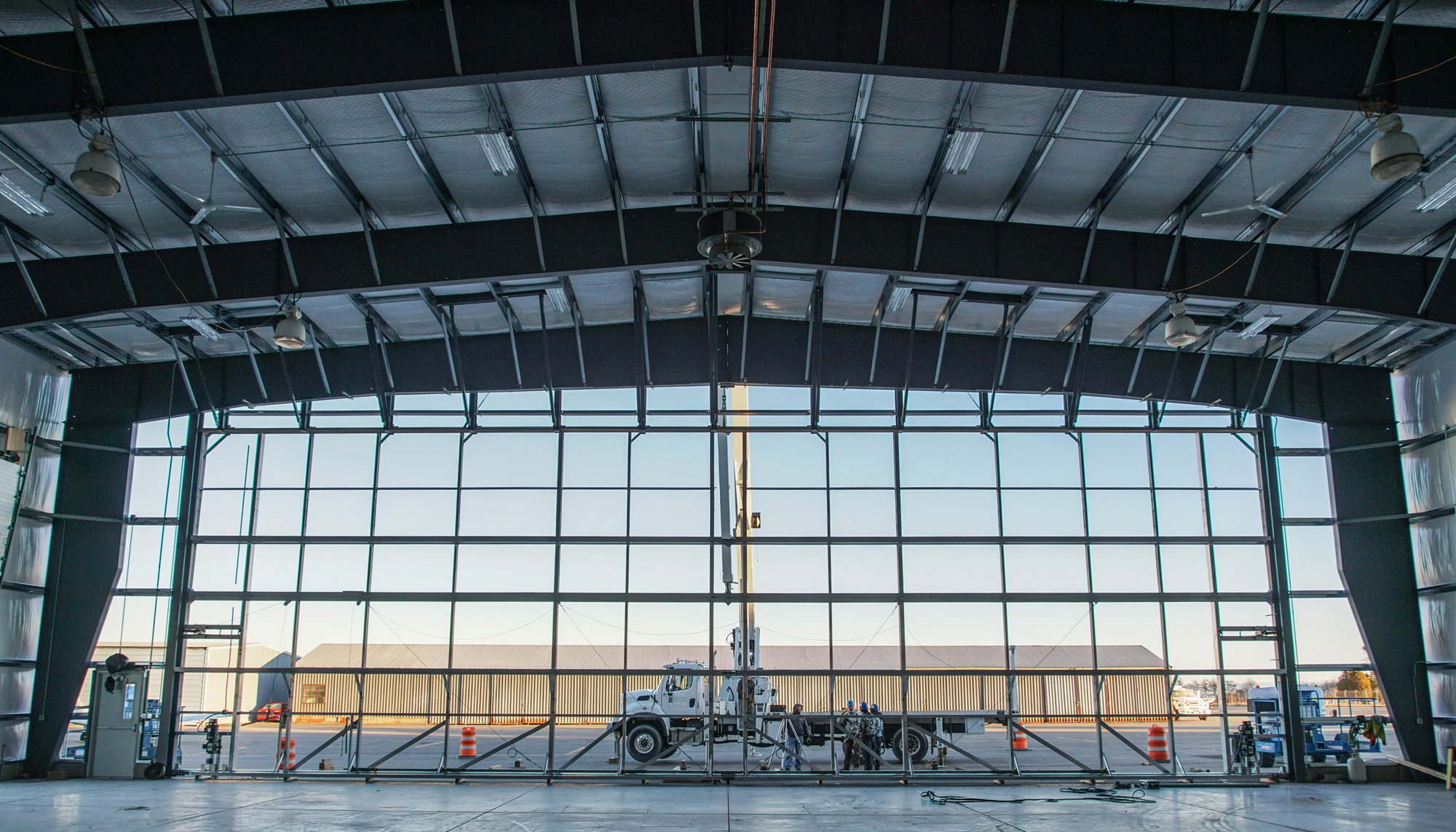
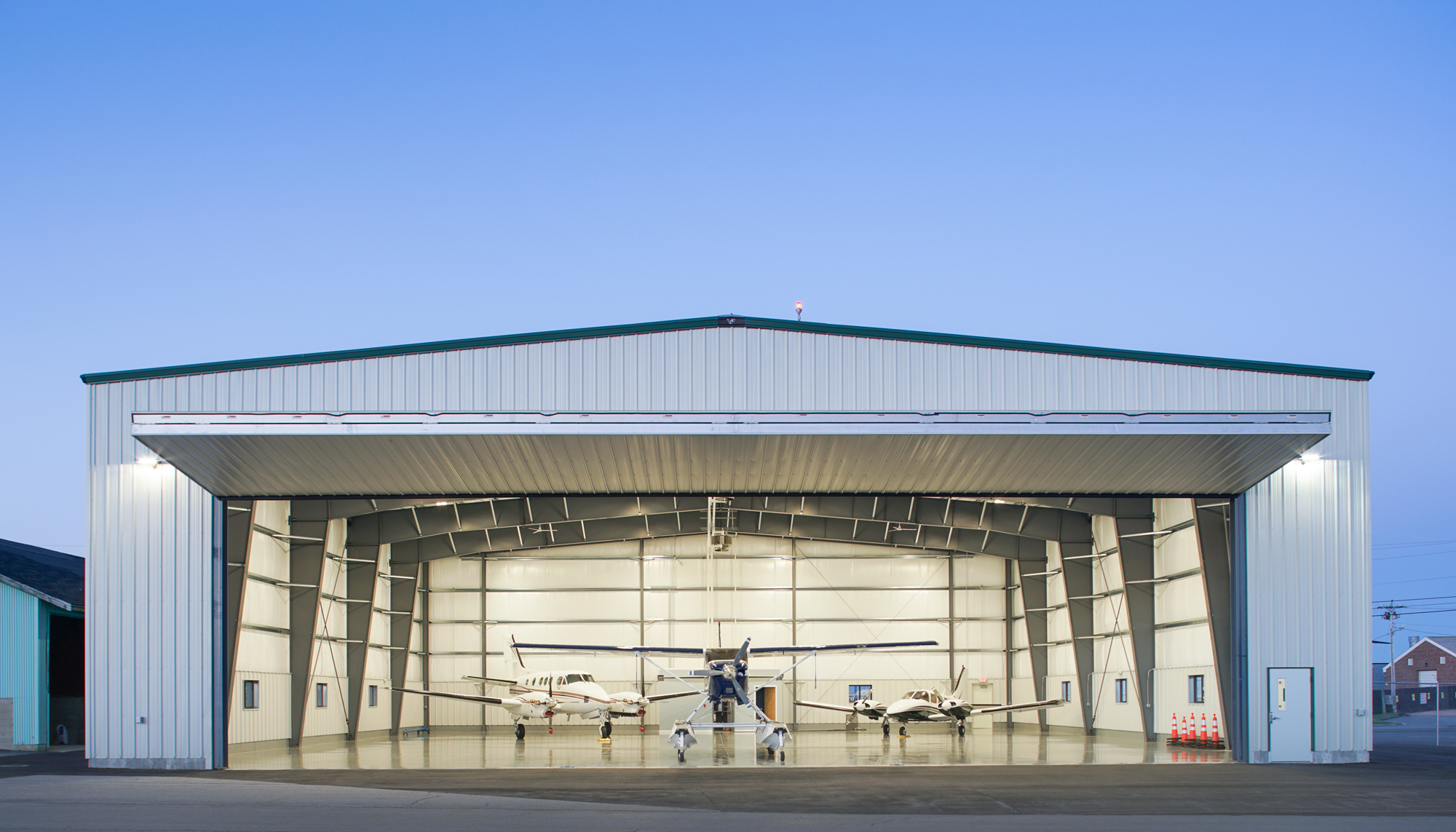
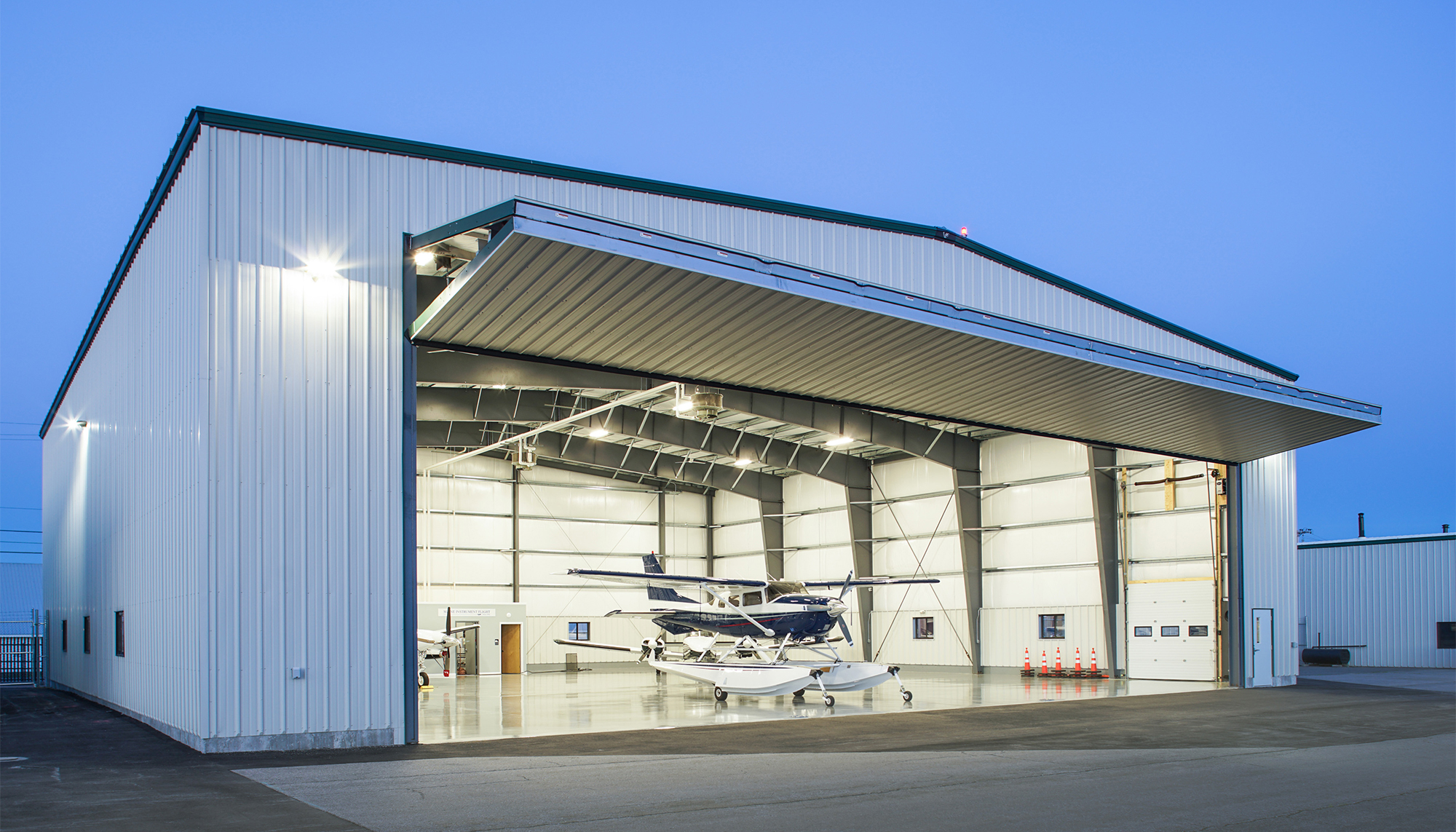
A 75-foot-wide by 20-foot-tall bi-fold door defines the front of the building. Integrating a door of this scale is not simply a matter of opening size. It requires precise coordination between the door system and the building frame to ensure that loads are properly transferred and performance is maintained over time.
This interface became a key point of focus. Structural elements were aligned to support both the opening and the operational demands placed on it. The result is a system that allows the door to function reliably without compromising the building’s overall performance.
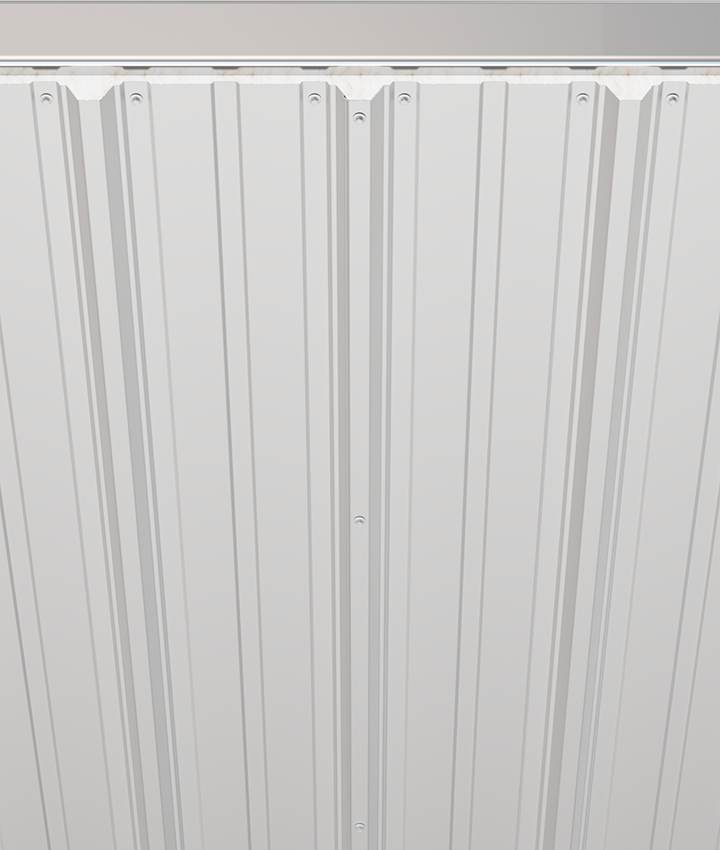
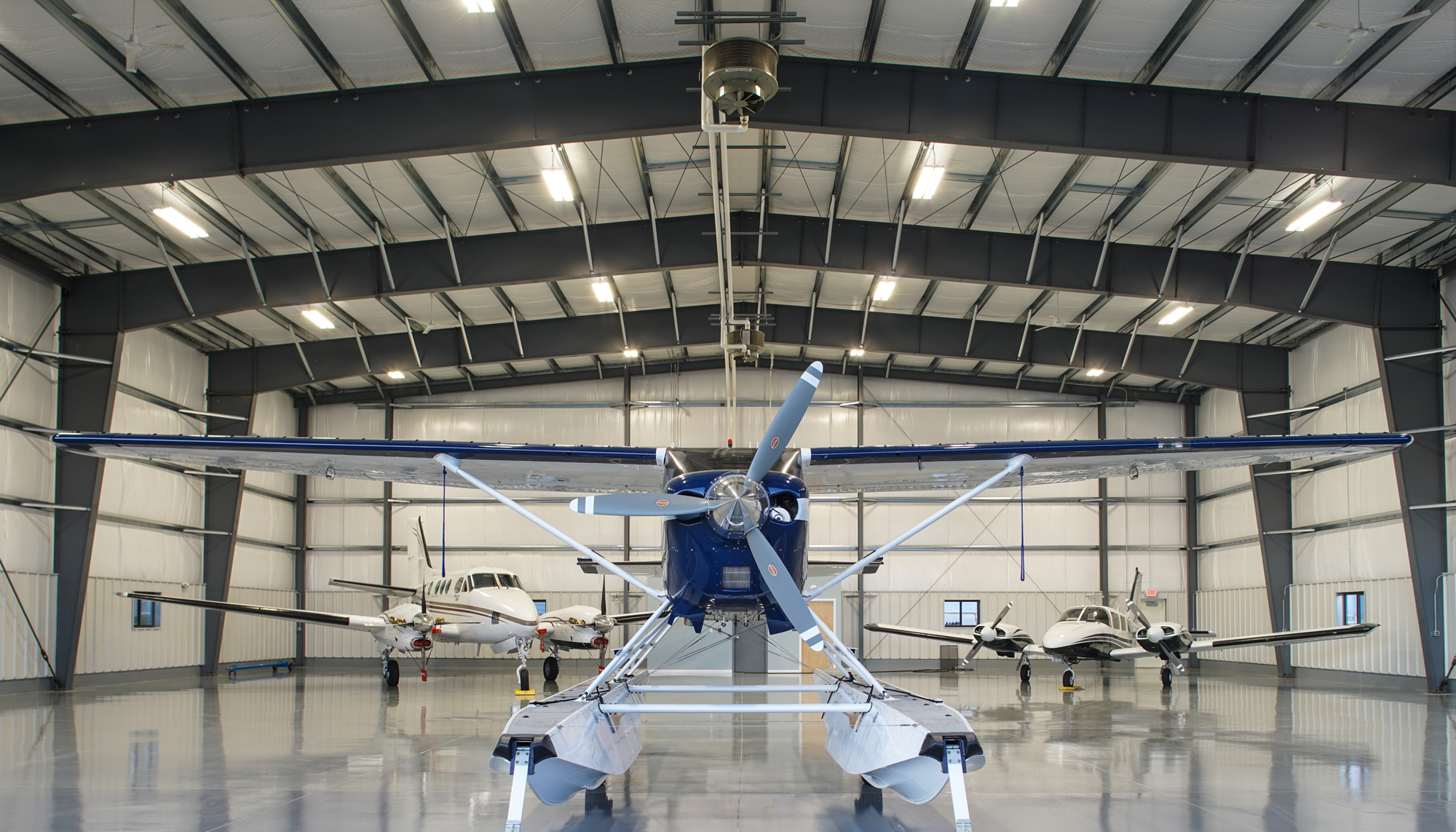
Inside, metal liner panels provide a clean, durable interior surface. These panels support long-term use while maintaining a consistent appearance throughout the space.
The floor, finished with a high-gloss epoxy coating, enhances both durability and usability. It creates a surface that is easy to maintain while reflecting light across the interior, improving visibility within the hangar.
Each of these elements contributes to a space designed for function first, where materials and systems support how the building is used every day.
While the building itself required precision, the construction process demanded even greater control.
The proximity of active power lines limited how equipment could be positioned and how long crews could safely work in certain areas. Traditional construction sequencing would have increased exposure to these risks.
Instead, the team adjusted the approach.
Erection was carefully sequenced to minimize time spent working near the power lines. Structural components were installed in a planned order that reduced overlap between high-risk activities and critical phases of construction.
This level of coordination required clear communication between teams and a shared understanding of priorities. Safety was not treated as a constraint to work around—it became a driver of how the project moved forward.
The result was a construction process that maintained progress while reducing unnecessary exposure to risk.
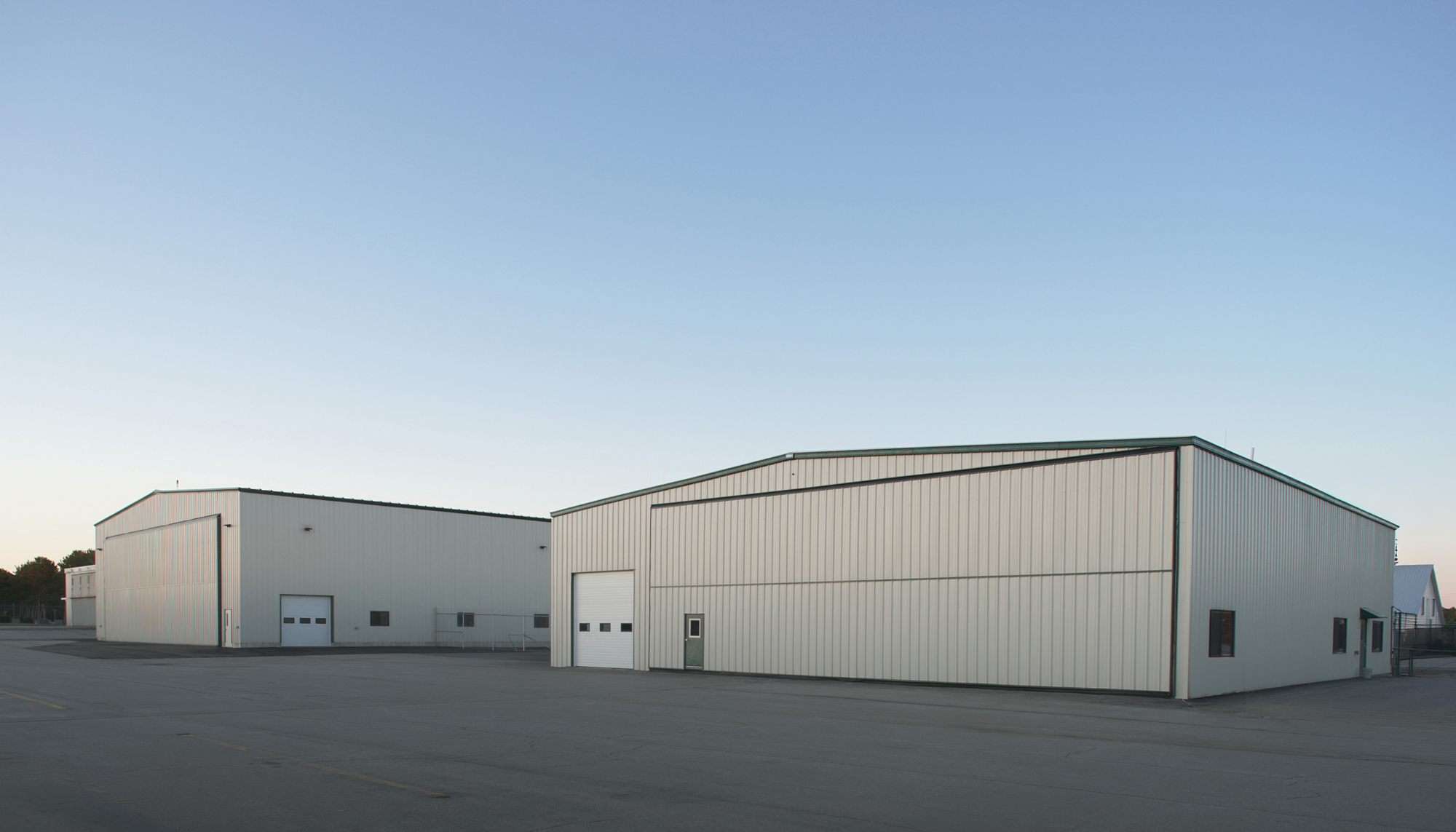
At completion, the building presents as a straightforward, functional hangar. The structure supports aircraft access. The interior provides a clean, usable environment. The systems perform as expected.
What is less visible is the level of coordination required to achieve that outcome.
From integrating the bi-fold door into the structural system to sequencing construction around site limitations, the project reflects a series of decisions made with precision and intent.
For Peachey Builders and Varco Pruden, the value of the project lies in how those decisions came together. Constraints were not removed. They were addressed directly, shaping both the design and the execution.
The result is a building that performs reliably because the process behind it was equally reliable.
And in situations where margins are tight and conditions are fixed, that level of control is what allows a project to move forward with confidence.
Tell us what you’re solving for. Share your challenges, timeline and aspirations, and we'll bring the engineering insight and practical creativity to shape ambitious, lasting structures, together.