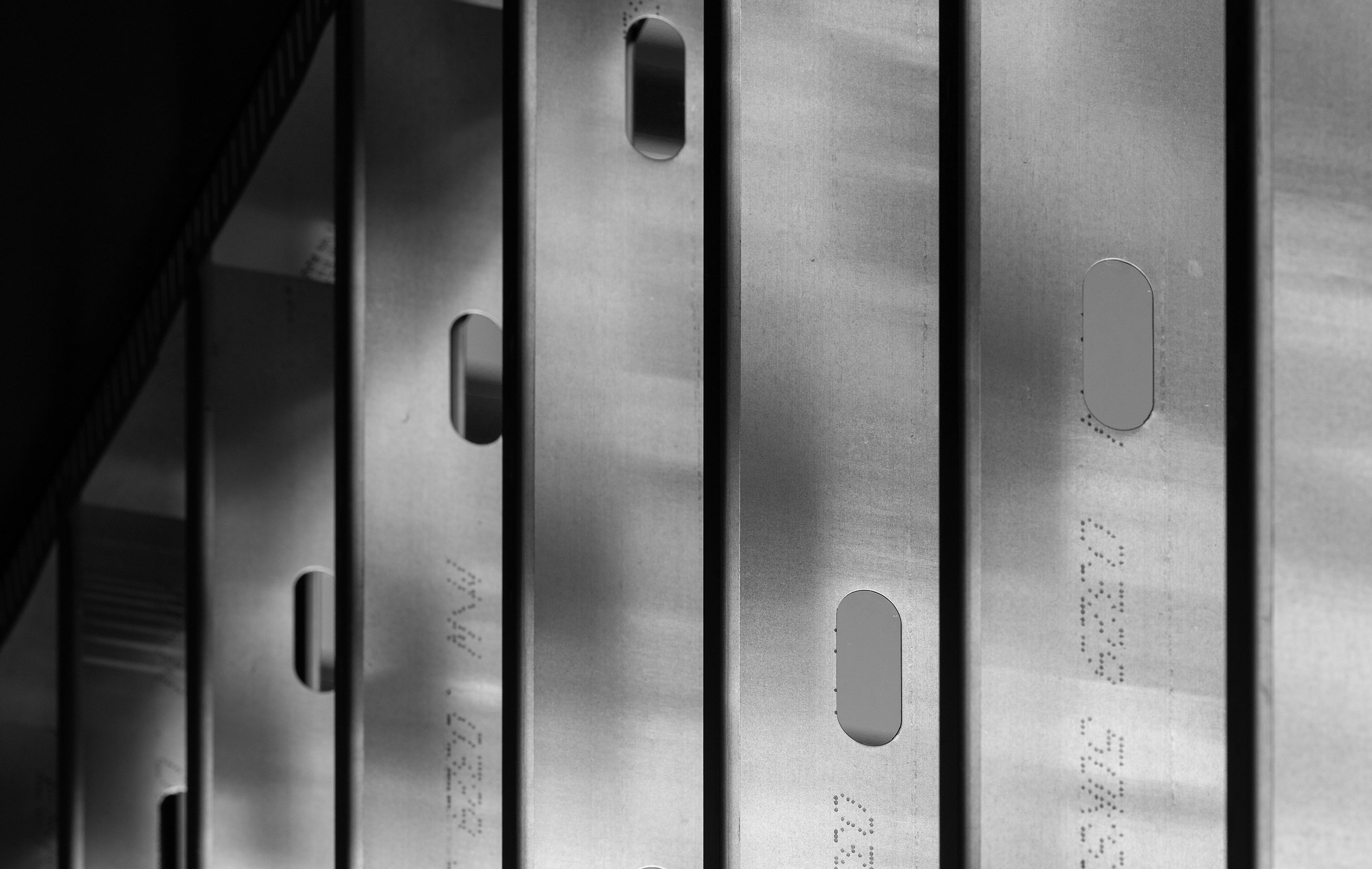
Collaborative Build
Teams work together early to improve constructability, coordination and confidence throughout the project process.


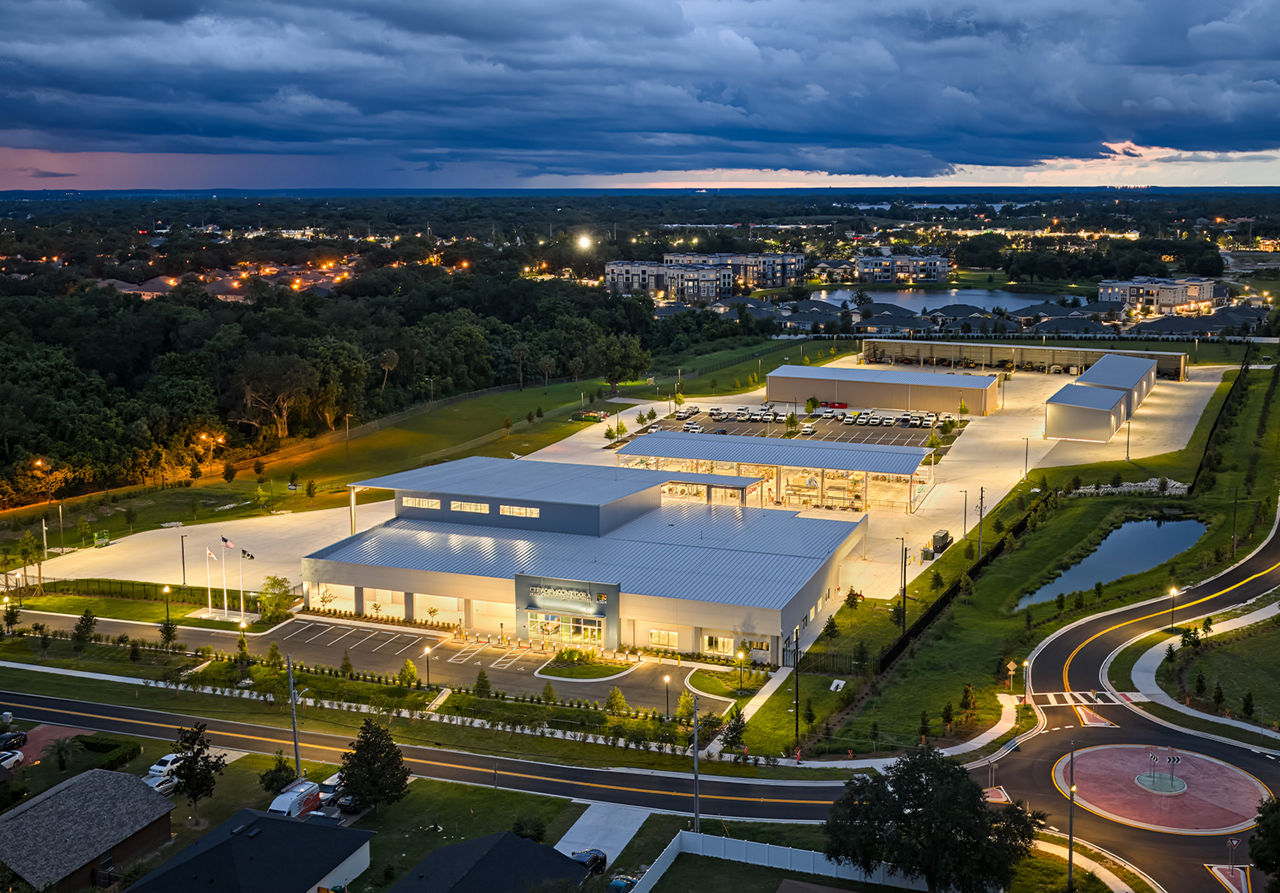
Engineered components, designed to the specifics of the project and fabricated before they ship. See what a VP PEMB makes possible.
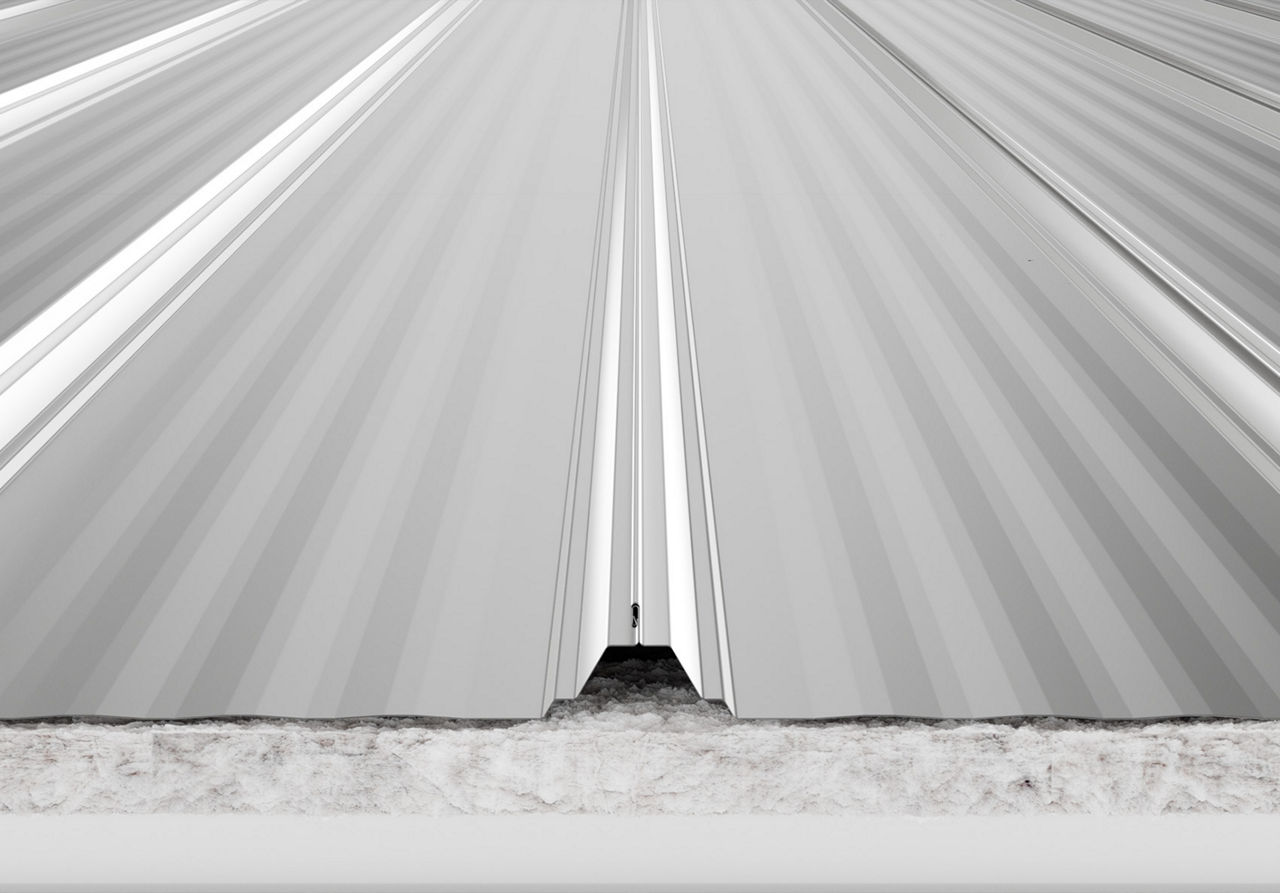
The standing seam roof with millions of square feet in service, machine-seamed into a single protective membrane.
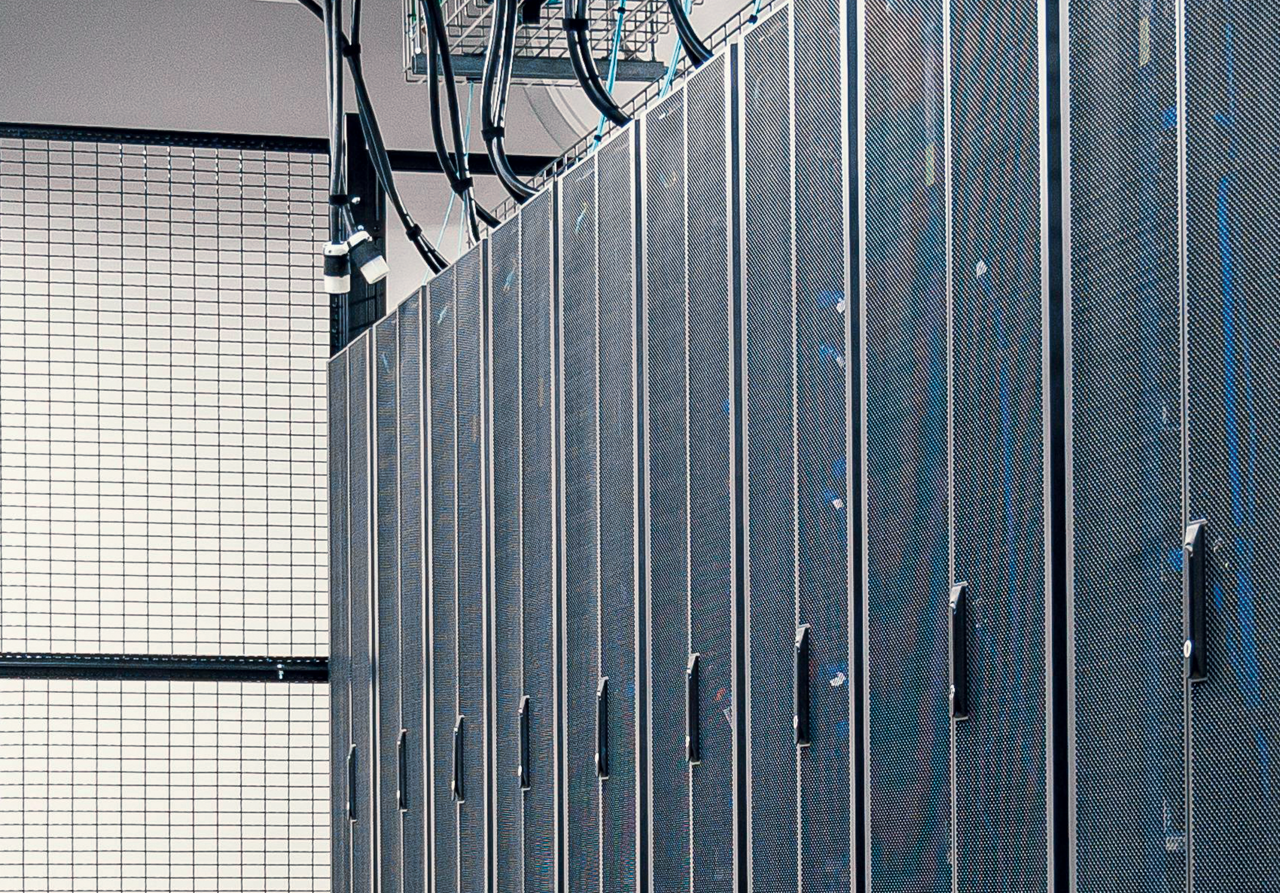
Mission-critical work calls for proven structural solutions. VP has shaped data center campuses across North America for the developers building the digital backbone.

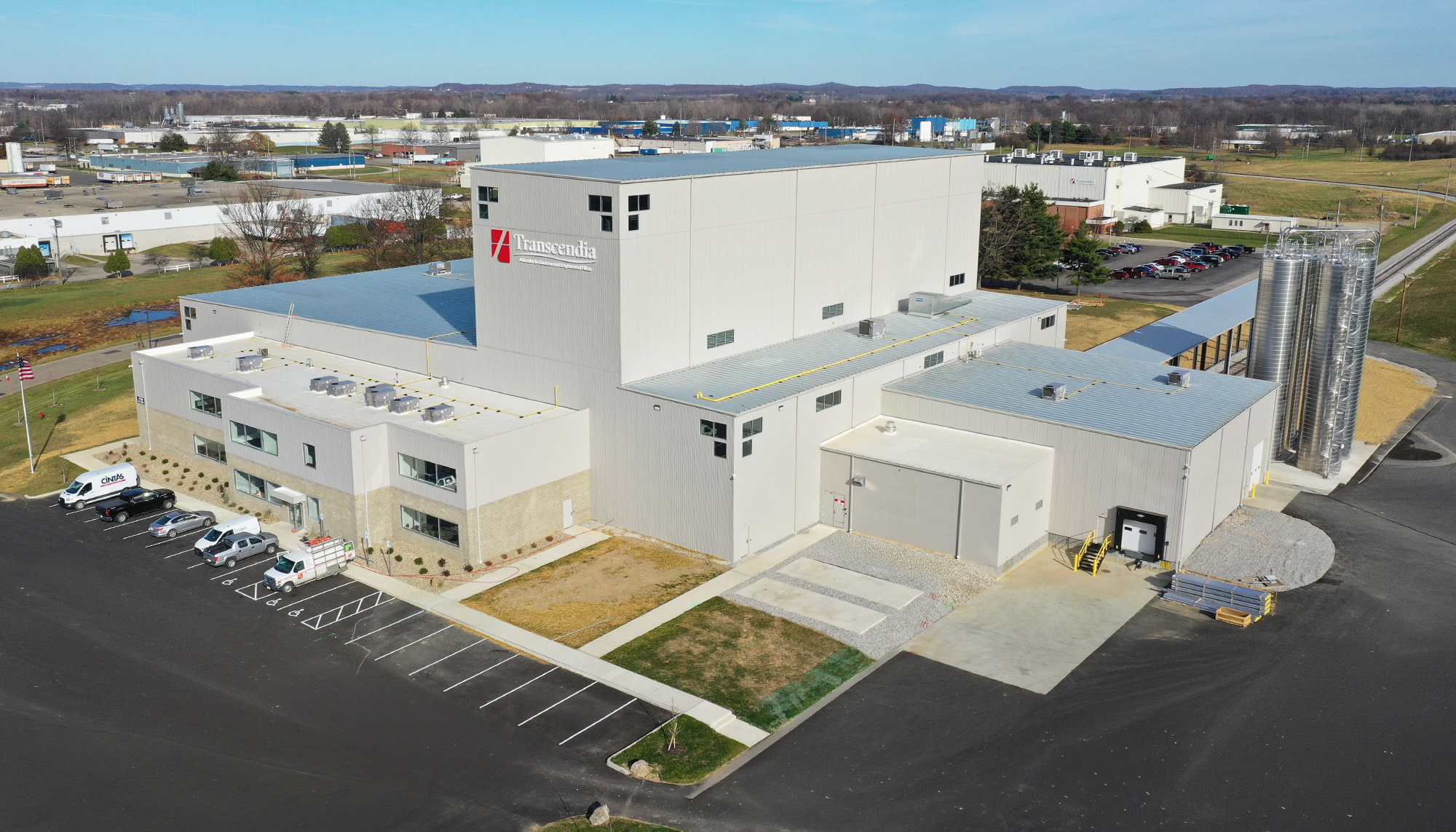
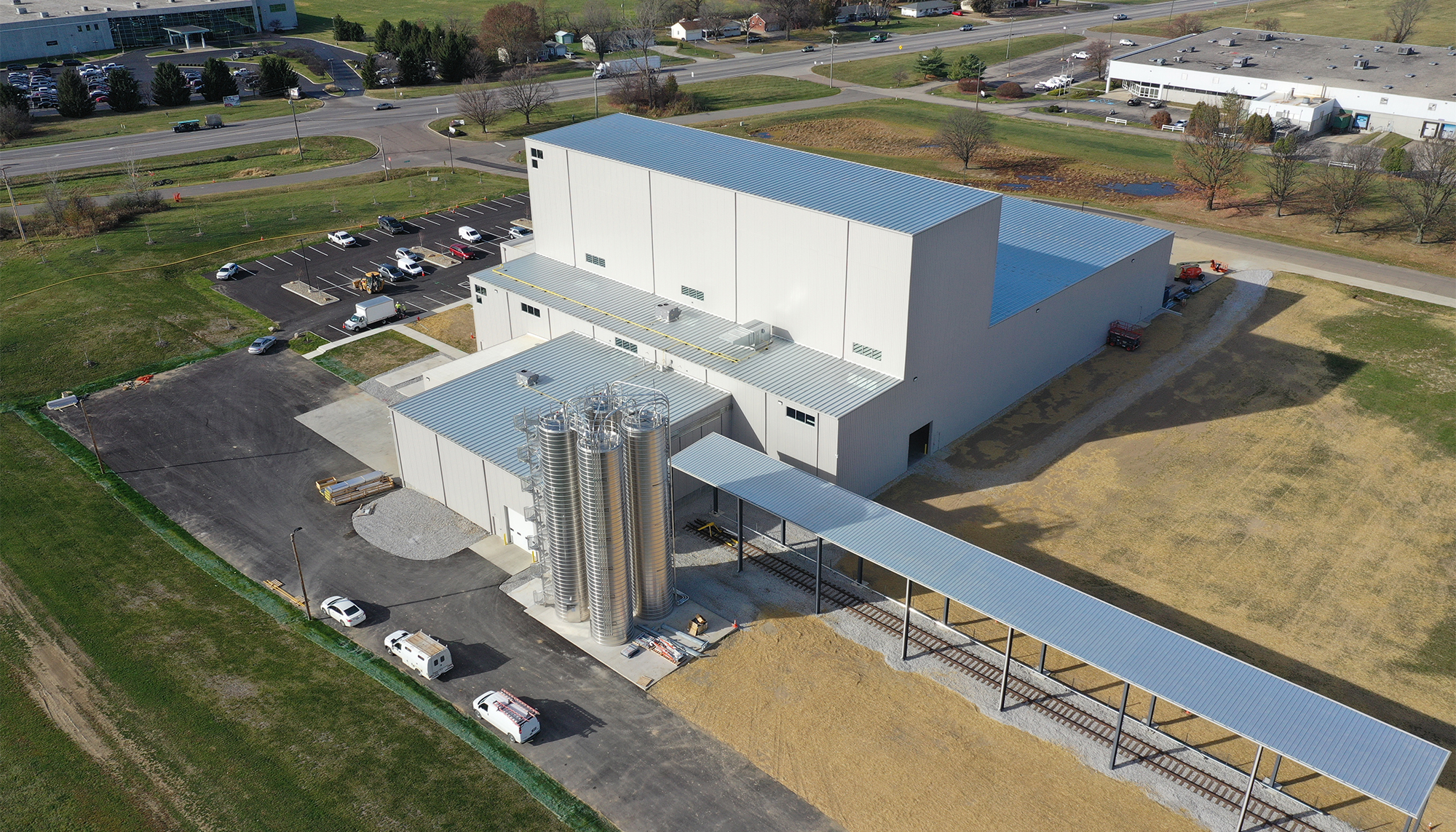
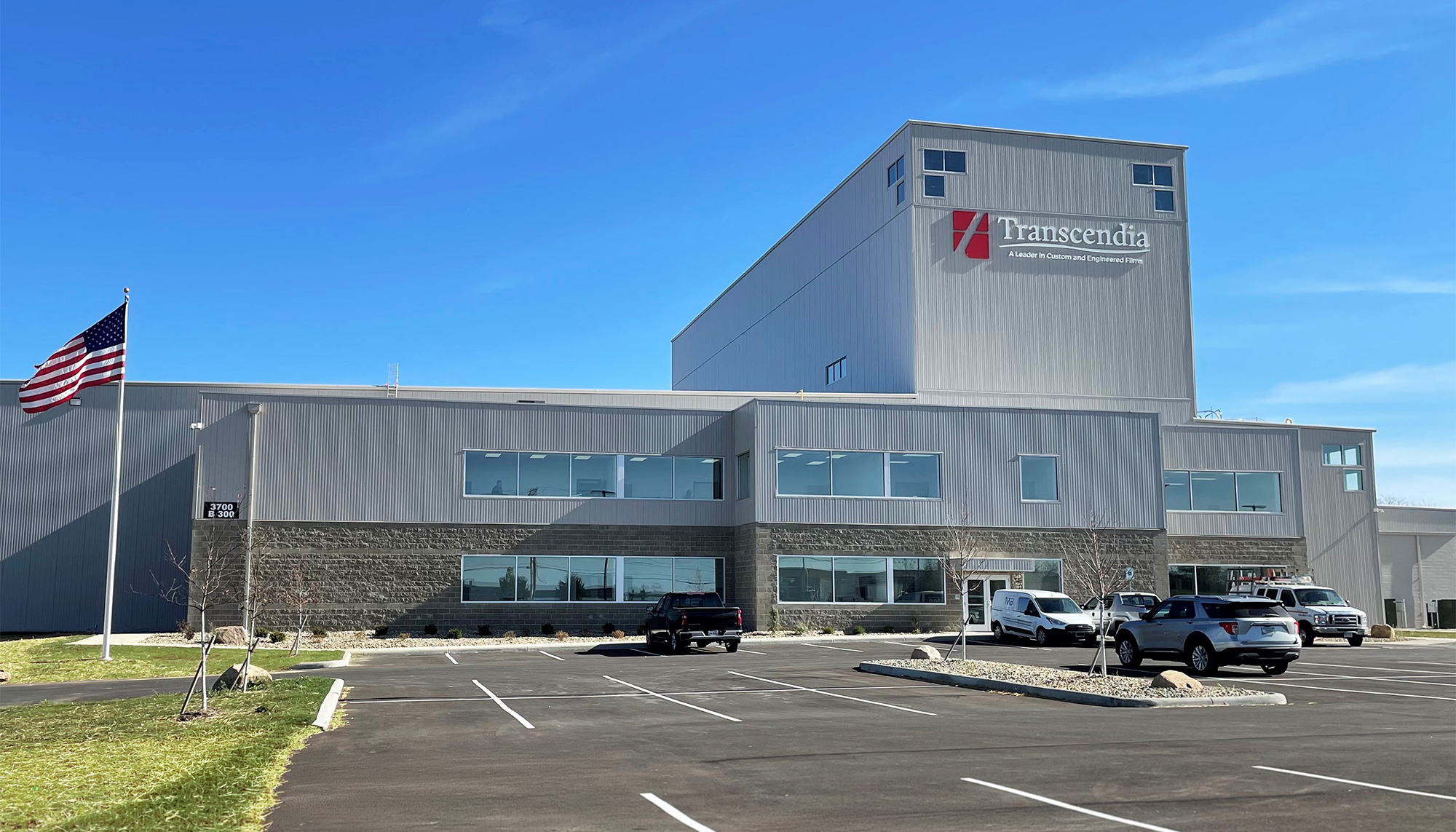
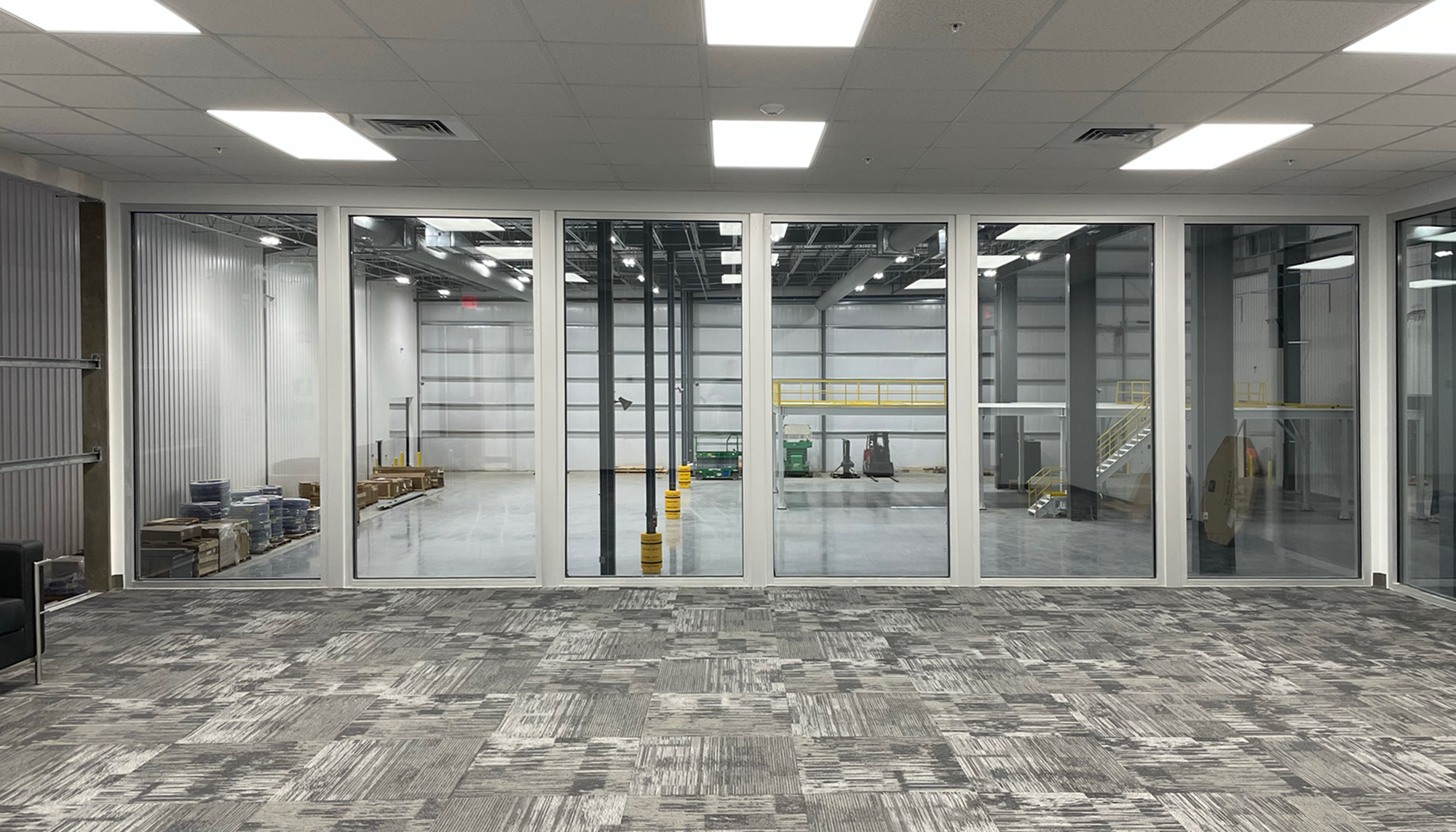
Transcendia set out to expand its manufacturing capabilities with a facility designed to support tall equipment, material flow and long-term scalability. The challenge included accommodating unique structural demands while maintaining efficiency across production and support spaces.
Through close coordination, the team developed a solution that integrates high-bay manufacturing, office and storage within a unified system. The result is a flexible environment designed to support production today while adapting to future operational needs.
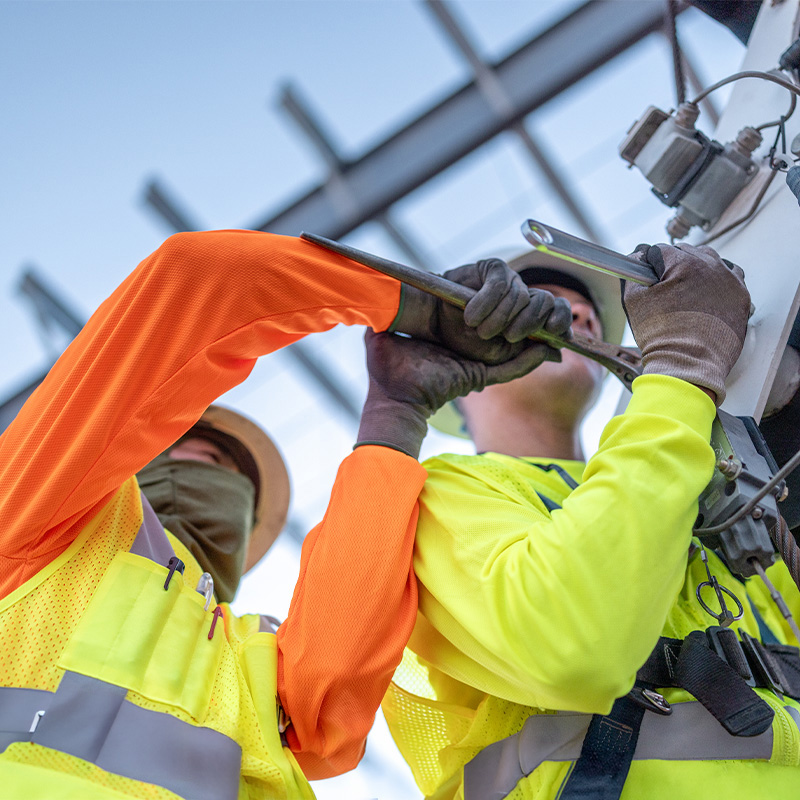
Teams work together early to improve constructability, coordination and confidence throughout the project process.
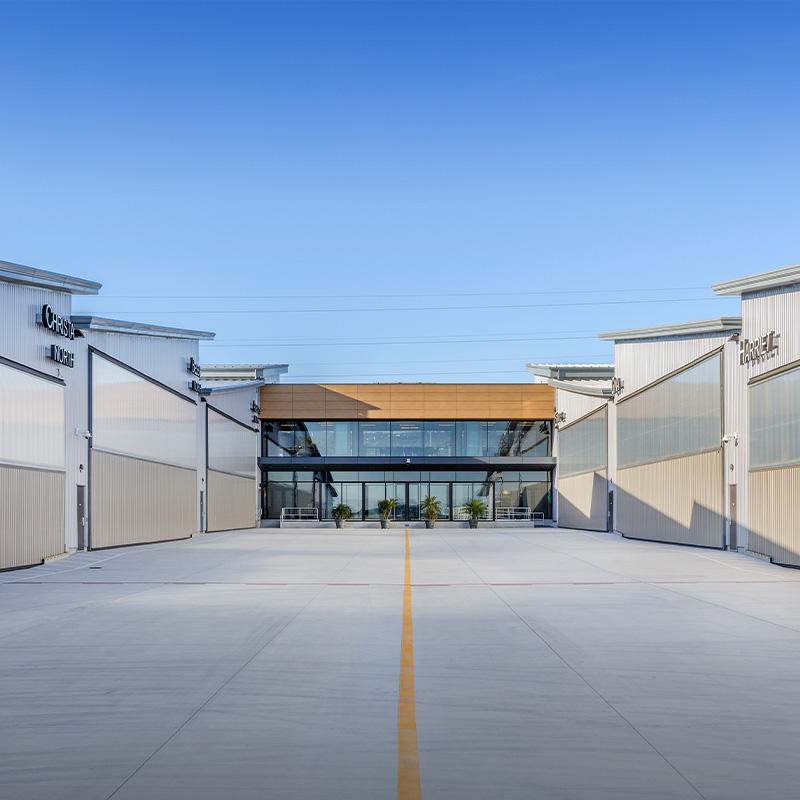
Column spacing and clearspan framing create wide-open, usable interior space.
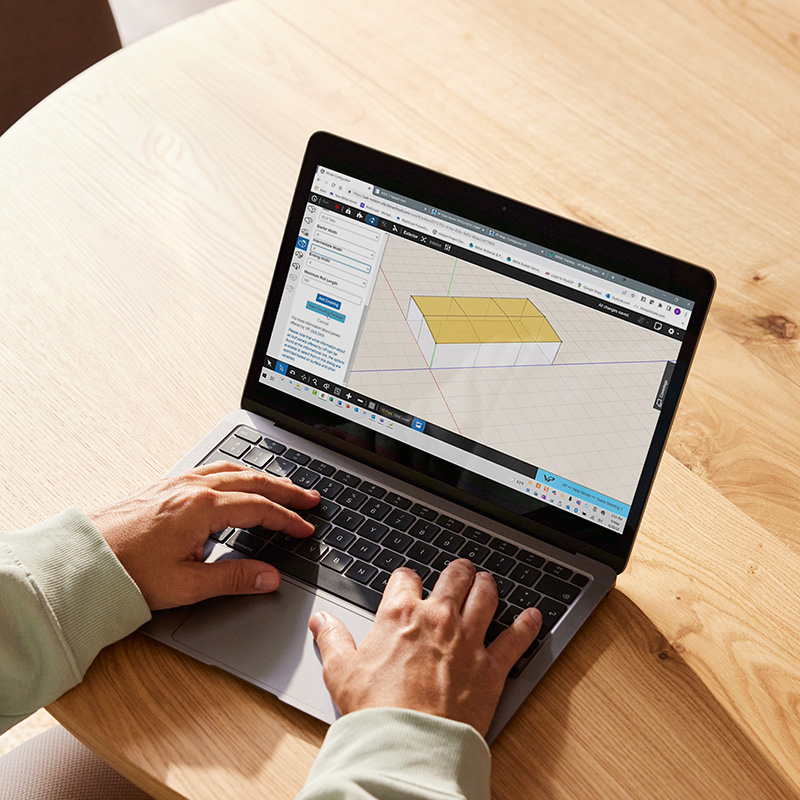
VP shapes building solutions around operational needs, site demands and evolving project priorities from the very beginning.
Transcendia
For Transcendia, expansion meant more than adding square footage. It meant creating an environment where manufacturing processes could operate without constraint, where structure supports production, not the other way around.
As demand increased across healthcare, food and beverage and industrial packaging markets, the company needed a facility that could accommodate specialized equipment, streamline material flow and allow for future growth without rework.
The solution required alignment early, between how the building would be used and how it would be built.
At the center of the facility is the manufacturing floor, where production requirements drove nearly every structural decision.
The space is organized into three distinct zones, each tailored to a different stage of operation. One of those zones rises to an 85-foot high bay, designed specifically to house equipment towers essential to Transcendia’s process.
That height introduced a challenge. Traditional column placement would have interfered with equipment layout, limiting efficiency and flexibility. Instead, the structure adapted.
Half of the high bay columns on one side are supported by jack beams positioned approximately 35 feet above the finished floor. This approach shifts the load path while preserving open space below, allowing equipment and workflow to operate without obstruction.
It’s a structural decision rooted in practicality: The building adjusts to the process, not the reverse.
The facility extends beyond manufacturing. A two-story office and dedicated maintenance and storage areas are integrated into the same footprint, creating a connected environment where teams can move easily between functions.
This layout reduces separation between operations and support, improving coordination without interrupting production.
Material flow was treated with the same level of intent. A rail-served canopy spanning 4,400 square feet brings raw materials directly to the building. By reducing handling steps, the facility shortens the path from delivery to production, improving both speed and efficiency.
These decisions reflect a broader approach: every system, inside and outside the building, contributes to how the operation performs.
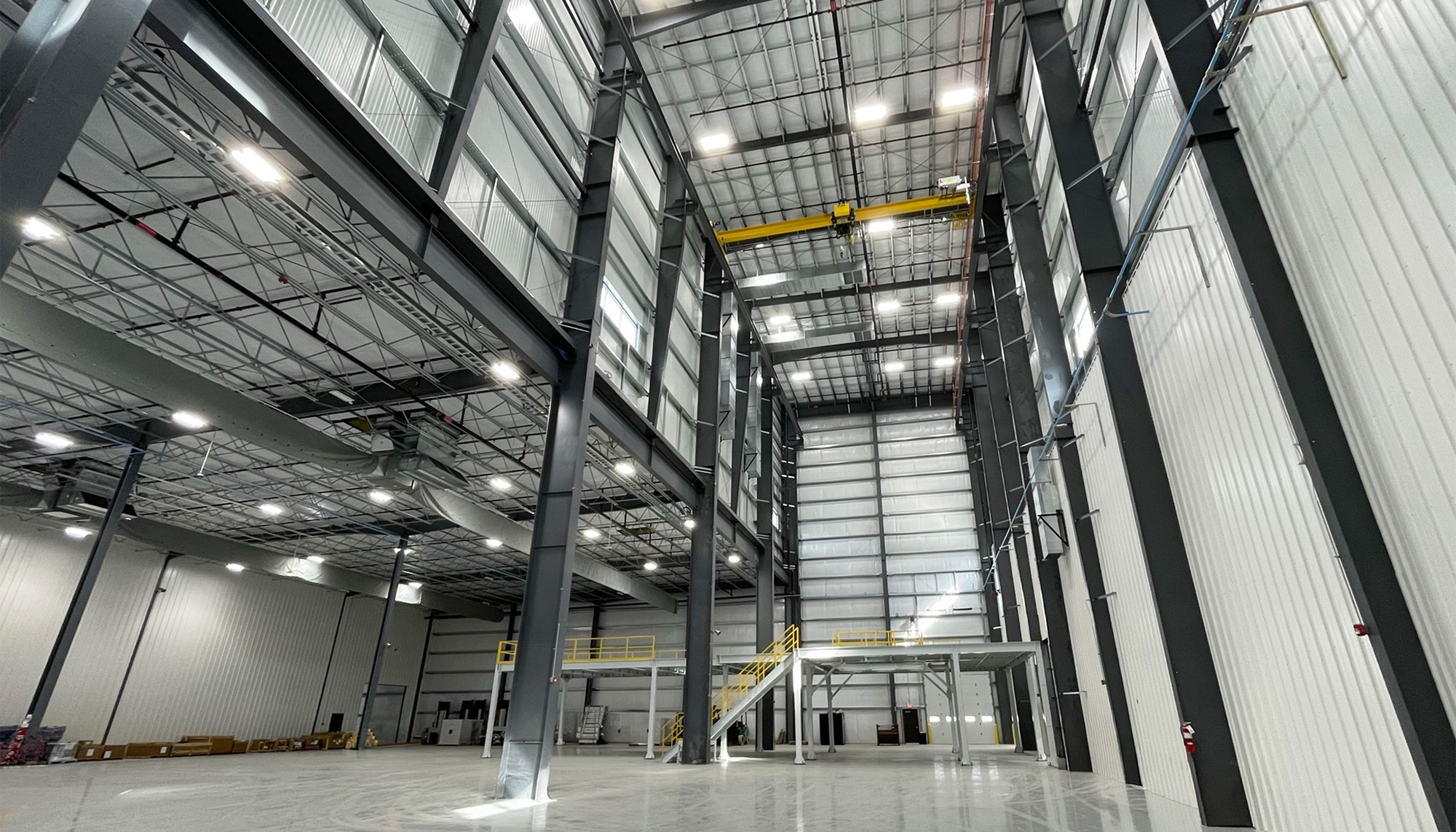
Flexibility was not reserved for the production floor. It’s built into the entire facility.
An expandable end wall, constructed using the RPR™ Wall System, allows the building to grow alongside demand. Future expansion can occur without major structural disruption, preserving both time and investment.
The building envelope balances performance and appearance. The ThermaClad™ Reveal Wall System provides thermal efficiency and a consistent exterior expression, while masonry at the office defines entry points and adds visual clarity.
Above, the SSR™ Roof System delivers long-term weathertight performance, supporting durability across the full facility.
Together, these systems are not isolated features. They work as a coordinated solution, supporting current operations while preparing for future change.
Projects of this complexity are not defined by a single decision. They are shaped by how decisions connect.
Anchor Construction, working as a Varco Pruden™ Builder, coordinated closely with Transcendia and the broader project team to ensure that structural systems, equipment requirements and construction sequencing remained aligned throughout.
This coordination allowed the team to address challenges early, maintain efficiency during construction and deliver a facility that reflects how it will be used day to day.
Recognized as a 2023 Hall of Fame “Best of Category” winner in the Manufacturing category, the project reflects a clear outcome: when structure, process and partnership stay connected, the building becomes part of the operation itself.
And in this case, that’s exactly what it was designed to do.
Tell us what you’re solving for. Share your challenges, timeline and aspirations, and we'll bring the engineering insight and practical creativity to shape ambitious, lasting structures, together.