Constant Collaboration
Builders, architects and VP teams work early to improve constructability, coordination and confidence throughout the project process.


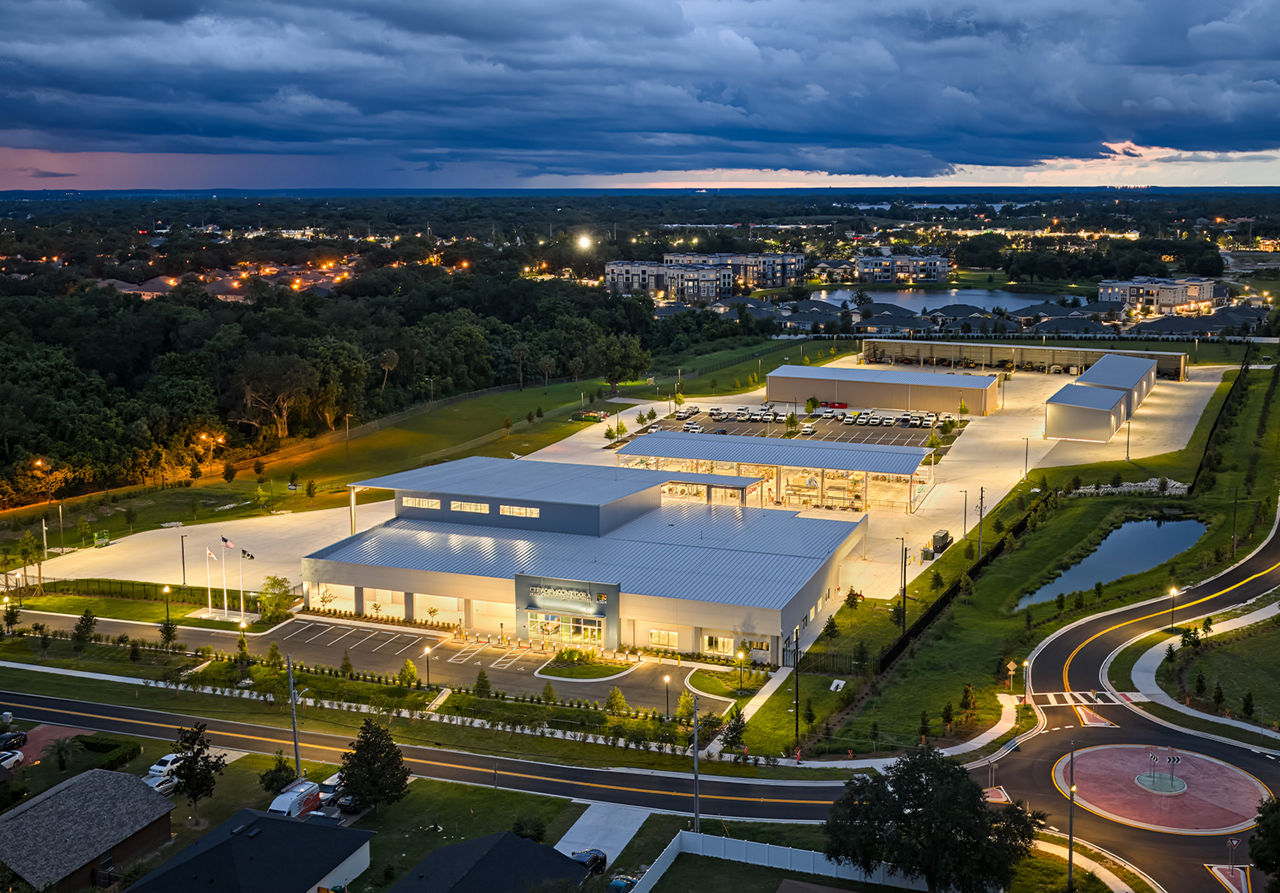
Engineered components, designed to the specifics of the project and fabricated before they ship. See what a VP PEMB makes possible.
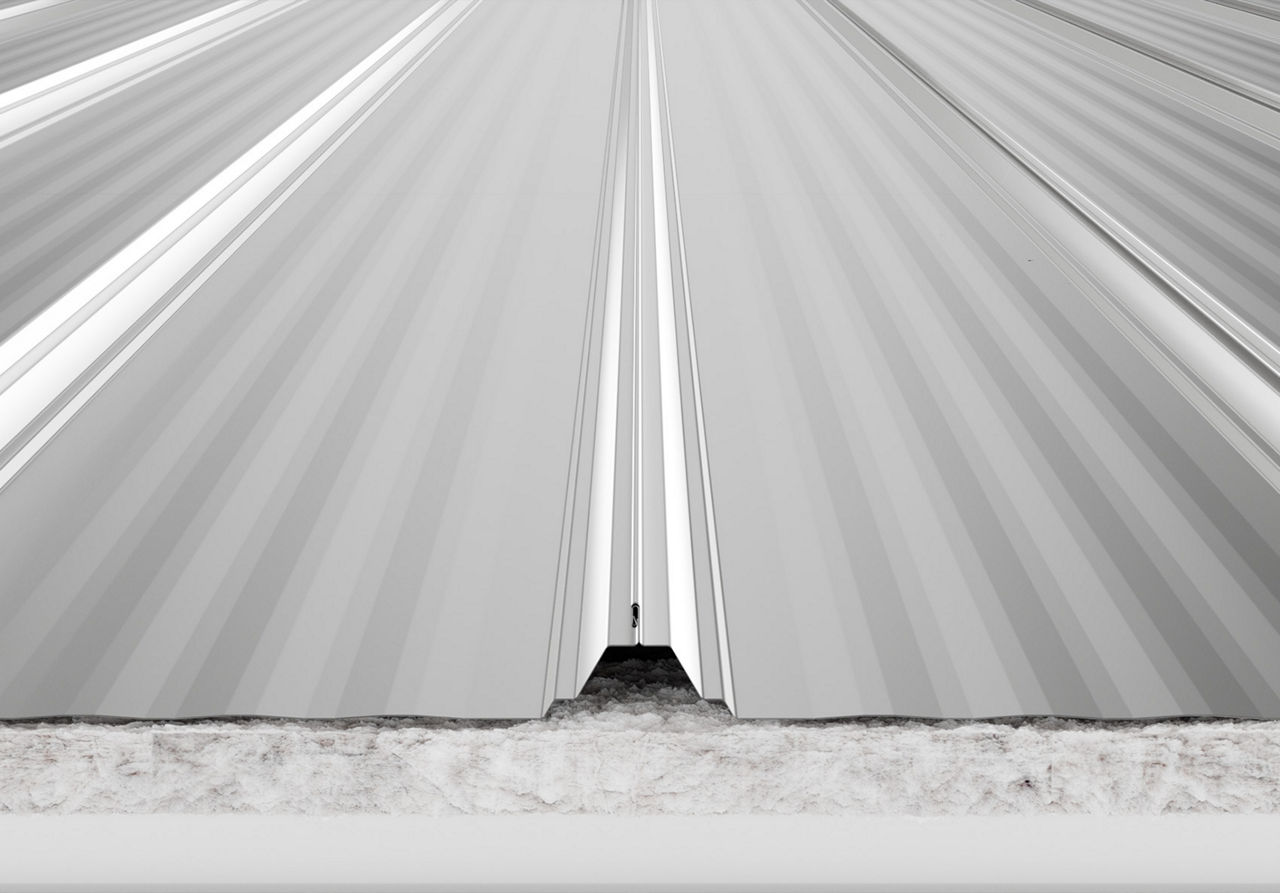
The standing seam roof with millions of square feet in service, machine-seamed into a single protective membrane.
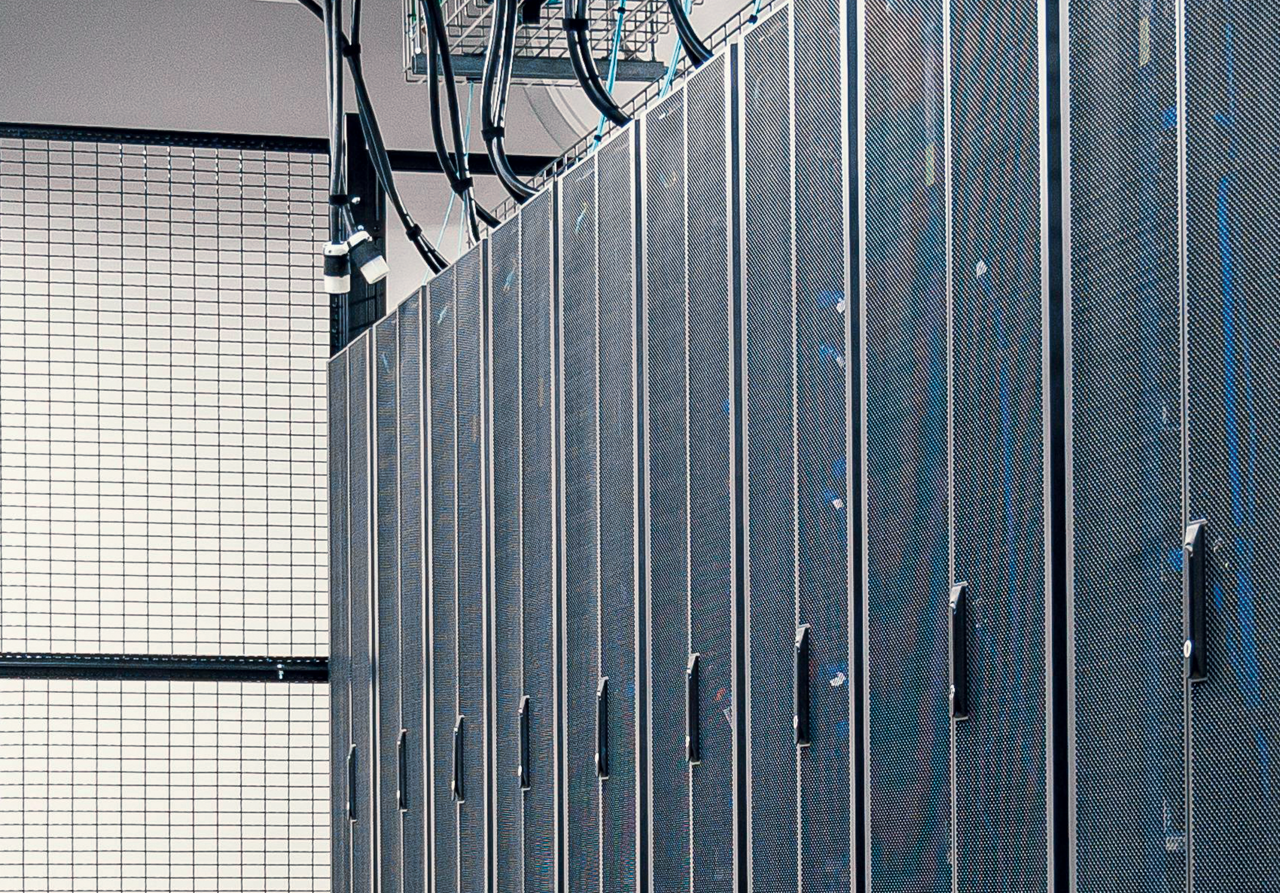
Mission-critical work calls for proven structural solutions. VP has shaped data center campuses across North America for the developers building the digital backbone.

Years of population growth and increasing attendance pushed a parish beyond the capacity of its original facility.
The challenge was creating a new church that could accommodate future growth while preserving the close-knit character valued by parishioners. Through thoughtful planning and collaborative execution, the project delivered a worship environment designed for both today’s congregation and future generations.
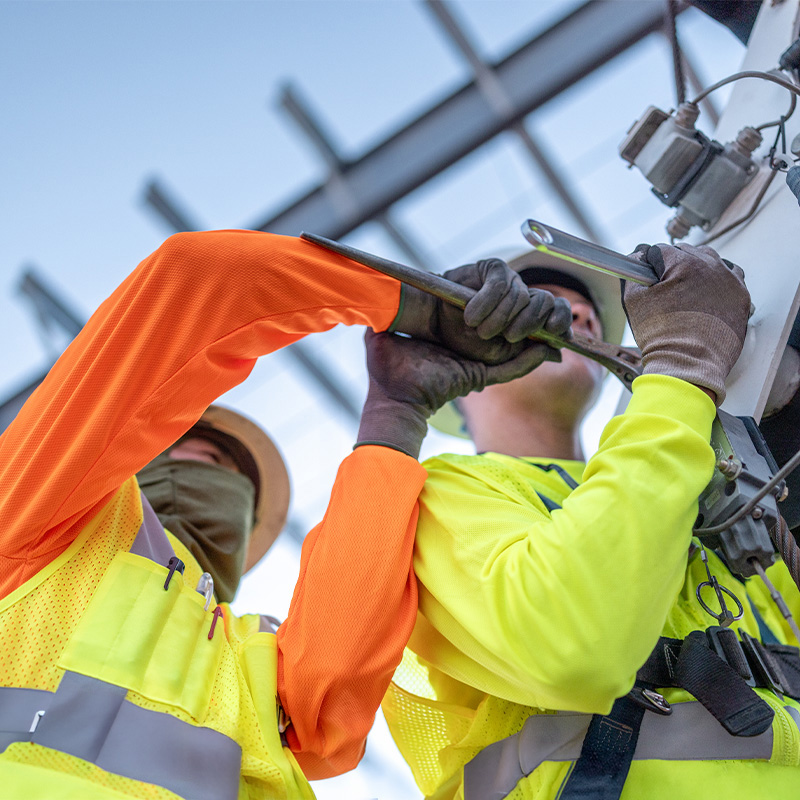
Builders, architects and VP teams work early to improve constructability, coordination and confidence throughout the project process.
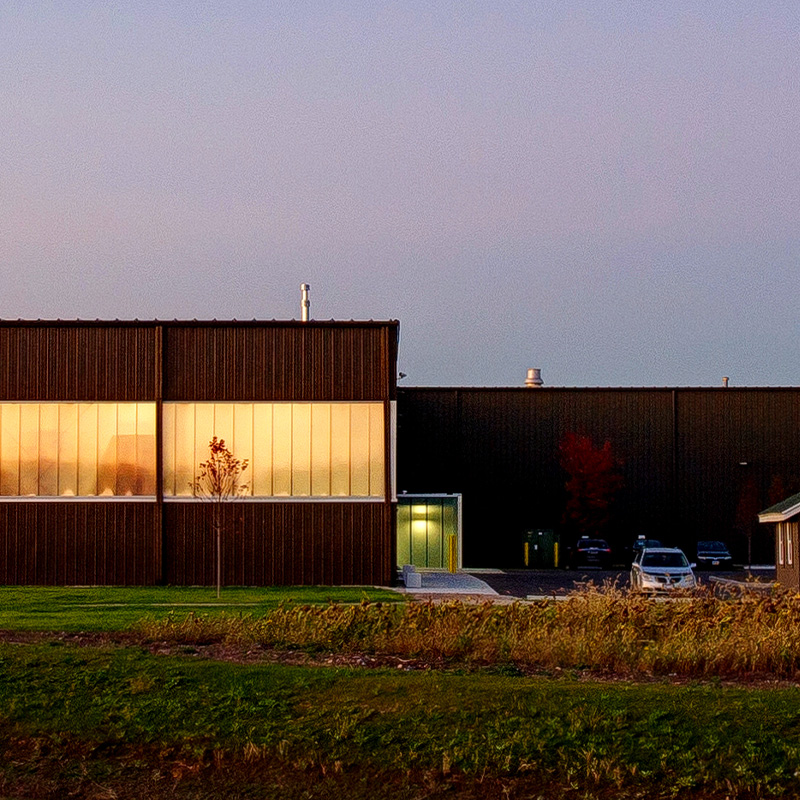
Long-term weather resistance, simplified maintenance and coordinated performance across the entire building envelope.
Early visibility and coordinated planning help teams reduce surprises and maintain budget alignment.
St. Thomas the Apostle Catholic Church
For decades, St. Thomas the Apostle Catholic Church served a growing congregation in northwest Tarrant County from its original location on Azle Avenue in Fort Worth, Texas. As the surrounding community expanded, so did the parish.
What had once been a facility sized for the congregation's needs became increasingly difficult to accommodate. Sunday Mass attendance regularly exceeded available seating. Overflow worshippers were directed to the parish hall where services were broadcast through audio and video systems. While the parish continued to grow, the limitations of the existing facility became increasingly apparent.
The need for a new church was clear.
The path to making it a reality, however, required years of planning, fundraising and commitment from parish leadership and parishioners alike. More than six years of capital campaigns, fundraising events and monthly collections helped transform a long-held vision into a construction project.
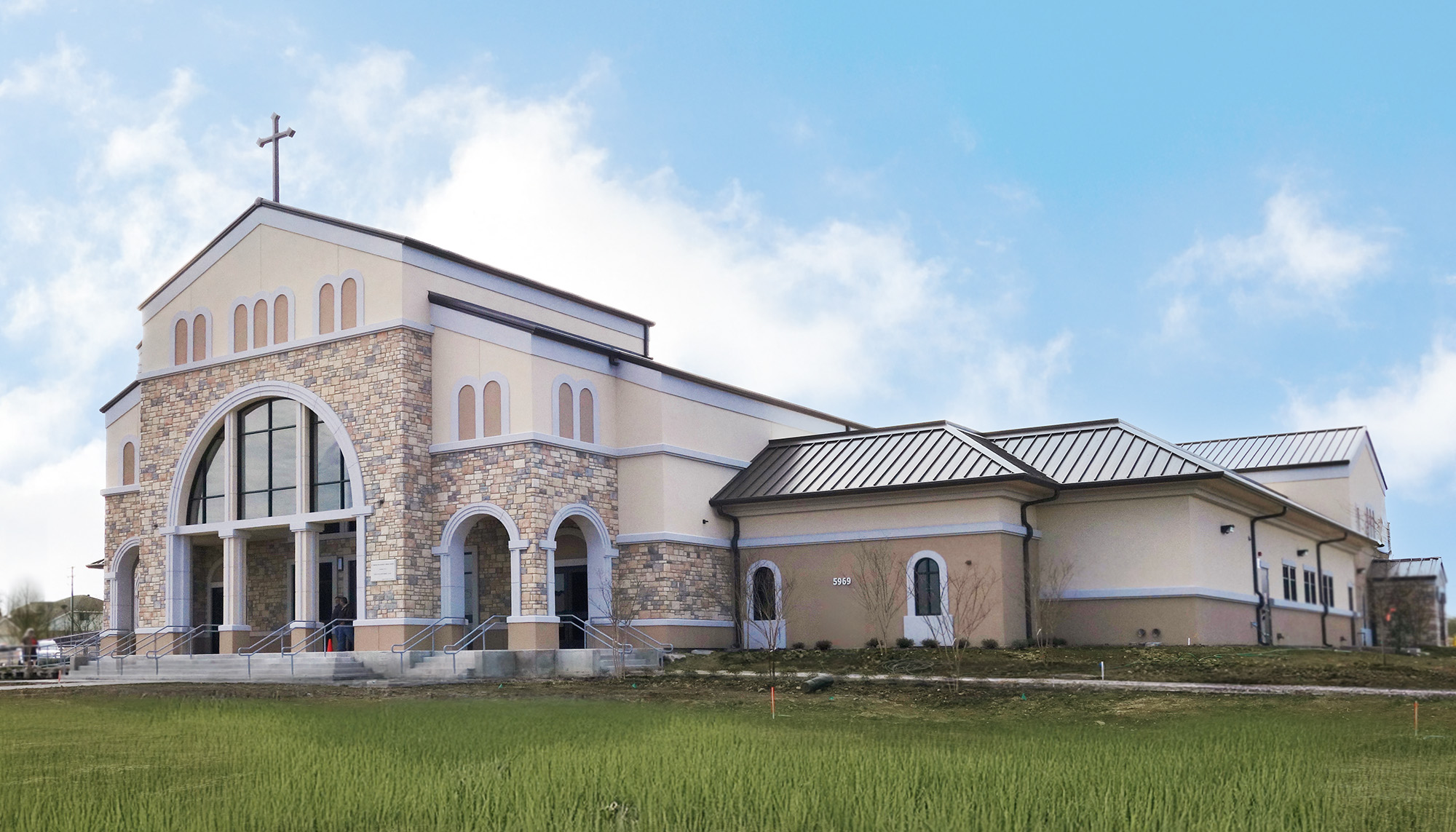
In 2010, the parish purchased a 31-acre site approximately five miles from its original location. Four years later, construction of a new church and administration facilities was approved. The result was a new 20,285-square-foot worship facility designed to serve both current parishioners and future generations.
As parishioner Cathy Thomas, an early member of the building fund committee, reflected before the dedication, "Now that it's built, I think a new church will draw a lot of young families into the parish. We're hoping a big parish in a new neighborhood will get more people involved so we can have youth activities for kids."
One of the project's central challenges was creating a building large enough to support continued growth while maintaining the sense of connection that parishioners valued.
The previous church accommodated approximately 225 worshippers. The new cruciform-shaped sanctuary seats more than 1,000 people, providing capacity for the growing congregation while reducing the need for overflow accommodations.
According to contractor Kevin Darnell, co-owner of M&F Litteken Construction, the parish wanted "a classic church but not something old-fashioned." He explained, "Keeping a sense of intimacy was important but, at the same time, they needed something bigger."
That balance influenced both the architectural design and interior experience.
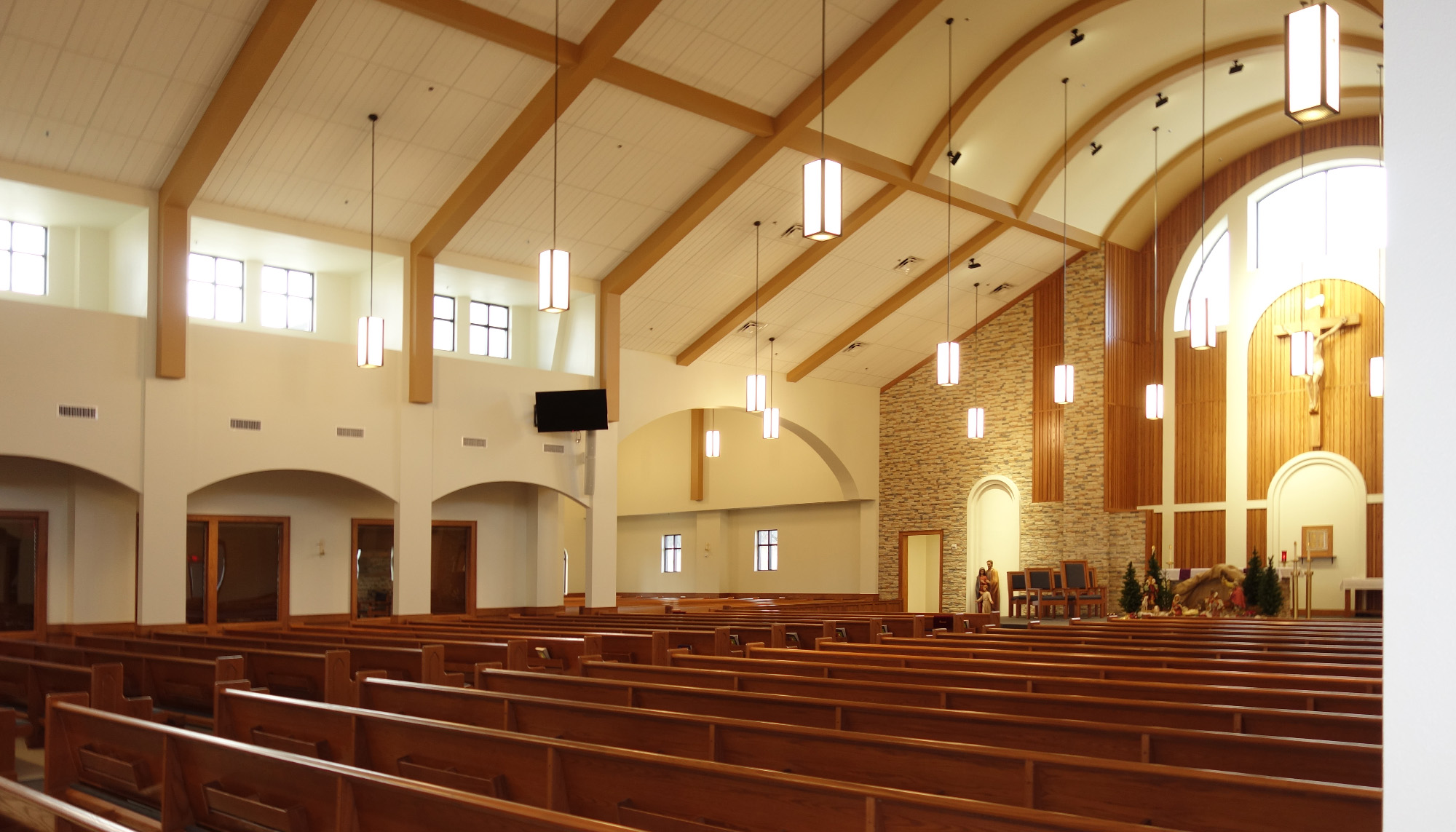
Designed by CNK Architects, the mission-style church incorporates traditional forms alongside contemporary elements. A bell tower establishes a recognizable presence on the property while expansive windows beneath the vaulted ceiling introduce natural daylight into the sanctuary. Pendant lighting equipped with dimmable LED fixtures and adjustable altar lighting provide flexibility while supporting the worship environment.
Material selections were also carefully coordinated. Austin flagstone was incorporated throughout the exterior and behind the altar, paired with oak paneling and hand-stained interior trim designed to complement the sanctuary's oak pews. The result is a cohesive environment that feels rooted in tradition while supporting the needs of a modern congregation.
The new church was envisioned as more than a worship space.
The 31-acre site provides room for continued development and expanded ministry opportunities. Plans include educational facilities with classrooms, offices and support spaces designed to accommodate faith formation programs and future parish growth.
That long-term vision reflects the reality of the surrounding community. Ongoing residential development throughout the Saginaw and Eagle Mountain areas continues to bring new families into the region, creating opportunities for the parish to expand its reach and programming.
During the dedication Mass on Dec. 17, Bishop Michael Olson acknowledged both the significance of the building and the mission it supports.
"As Catholics, we understand Church is not just a building or a space. It's not a place for us to congregate as individuals. What makes a church is the celebration of the Eucharist — the offering of the Mass," he told the congregation. "That consecrates not just the place, but first and foremost, all of us who come together here."
At the conclusion of the service, he encouraged parishioners to continue building the community around the new facility, reminding them, "You no longer have the excuse that you're too crowded. So invite somebody to come to church here — somebody who's not going to church but should be. Welcome them. Invite them. Accompany them to Mass."

The completion of St. Thomas the Apostle Catholic Church represents the culmination of years of planning, investment and collaboration.
For parishioners, the project delivered a facility capable of supporting worship, ministry and community life at a scale that matches the parish's growth. For the project team, it demonstrated the value of designing around both present needs and future possibilities.
The building provides the capacity needed today while preserving opportunities for future expansion across the larger campus. More importantly, it creates a place where families can gather, worship and build community together.
That outcome reflects a principle central to the Varco Pruden™ approach: understanding how a building will serve its people not only when it opens, but for decades afterward.
At St. Thomas the Apostle Catholic Church, the result is more than a larger sanctuary. It is a foundation for continued growth, connection and community for generations to come.
“The parish wanted a classic church but not something old-fashioned. Keeping a sense of intimacy was important but, at the same time, they needed something bigger.”
Tell us what you’re solving for. Share your challenges, timeline and aspirations, and we'll bring the engineering insight and practical creativity to shape ambitious, lasting structures, together.