Budget Control
Early visibility and coordinated planning help teams reduce surprises and maintain budget alignment.


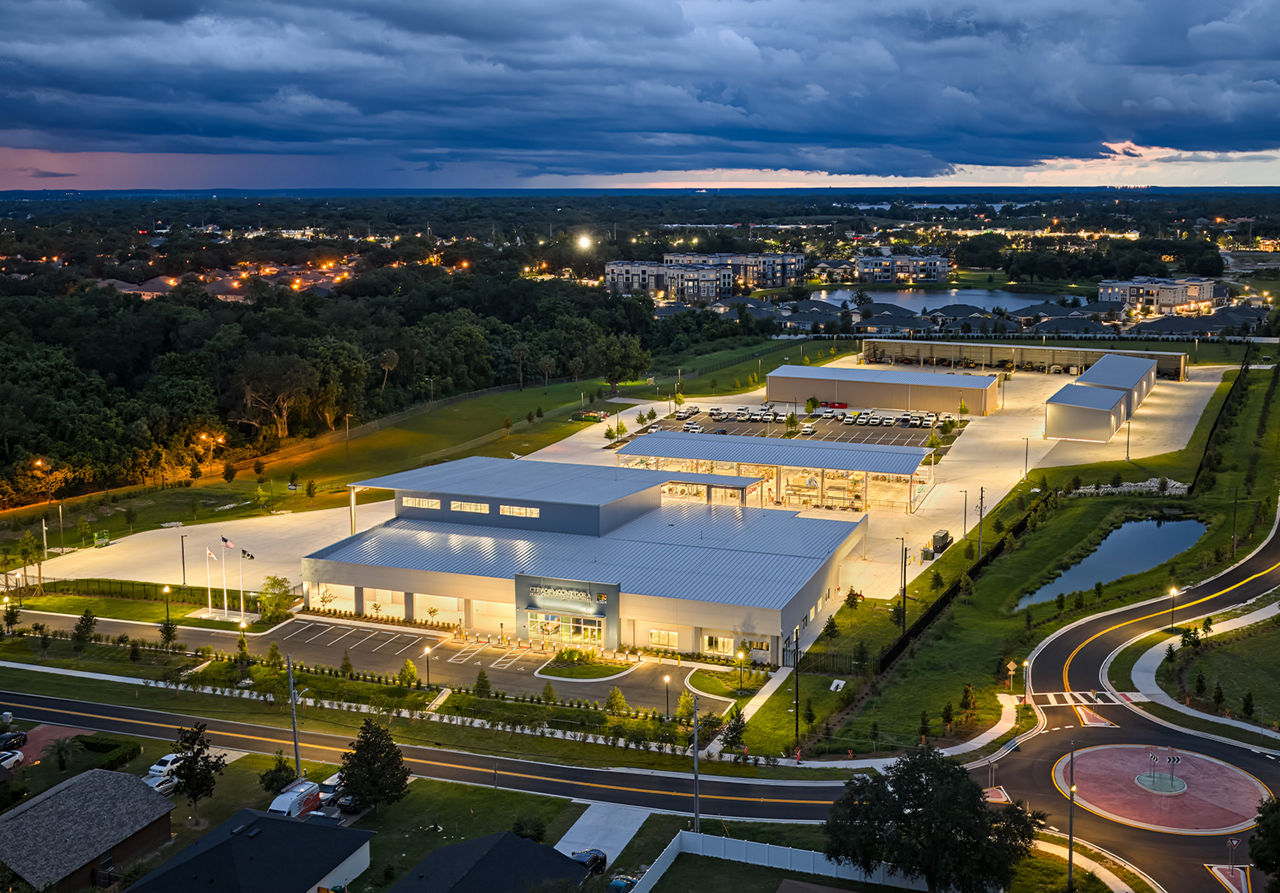
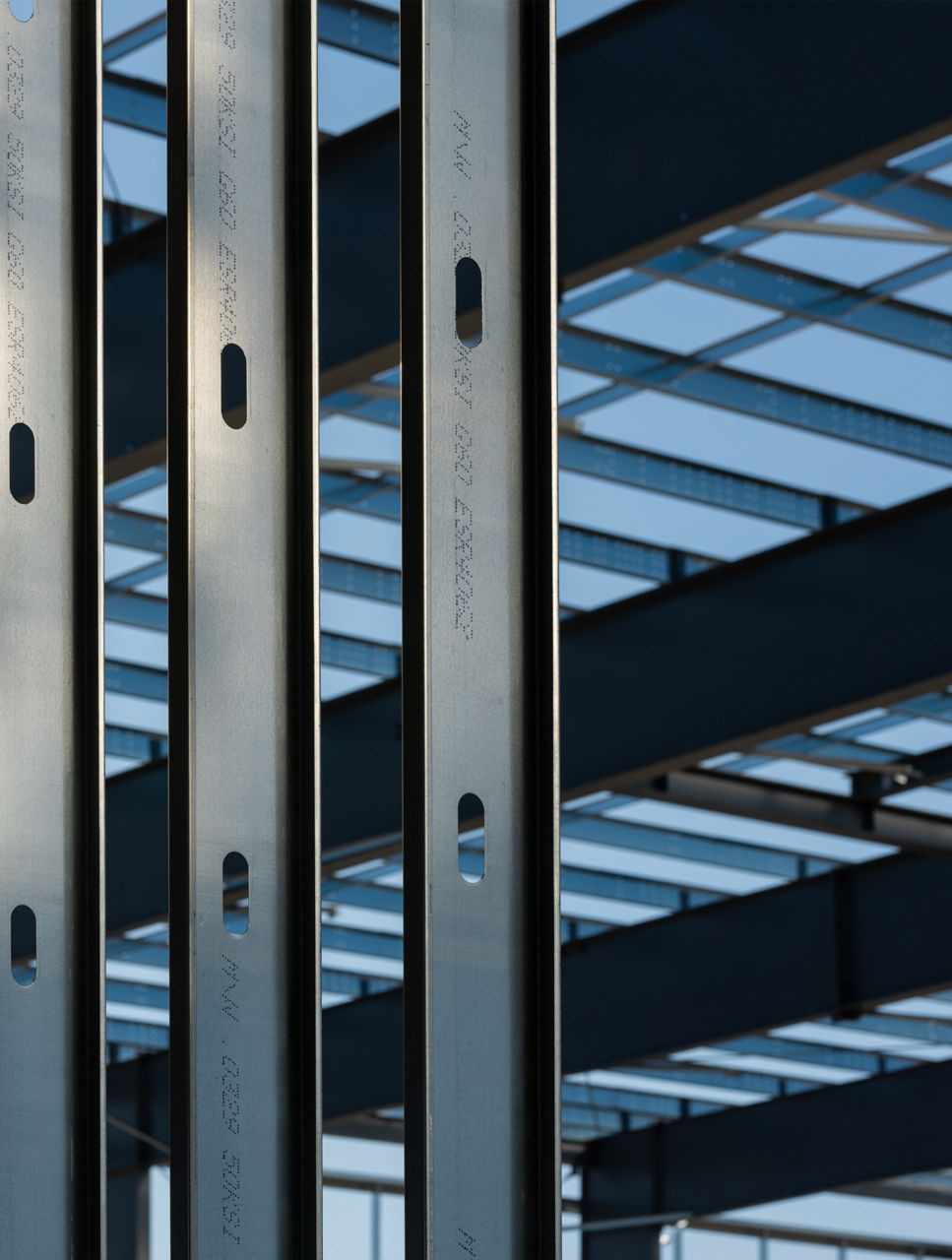
Engineered components, designed to the specifics of the project and fabricated before they ship. See what a VP PEMB makes possible.

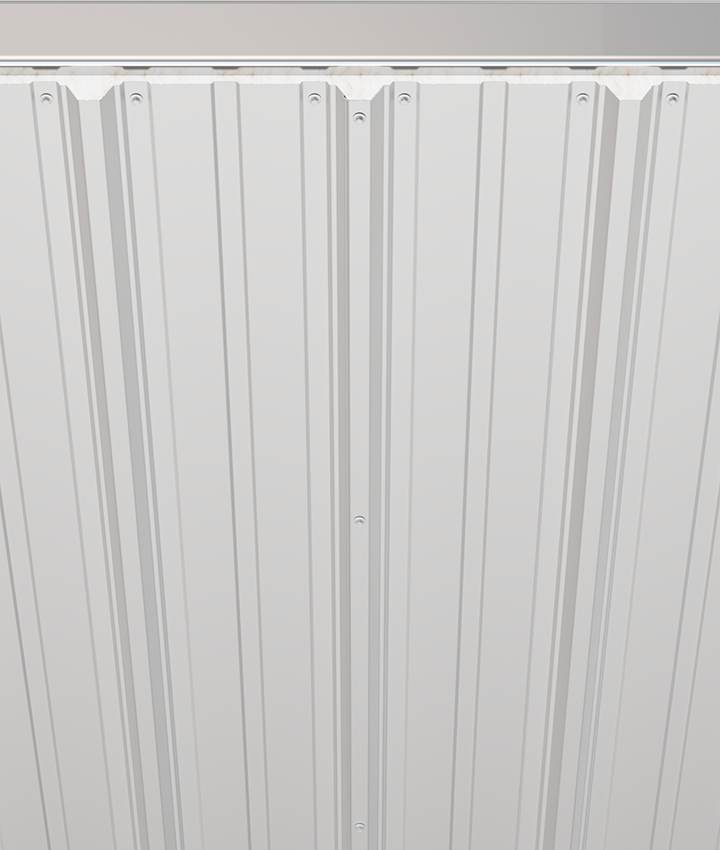
The standing seam roof with millions of square feet in service, machine-seamed into a single protective membrane.

Mission-critical work calls for proven structural solutions. VP has shaped data center campuses across North America for the developers building the digital backbone.

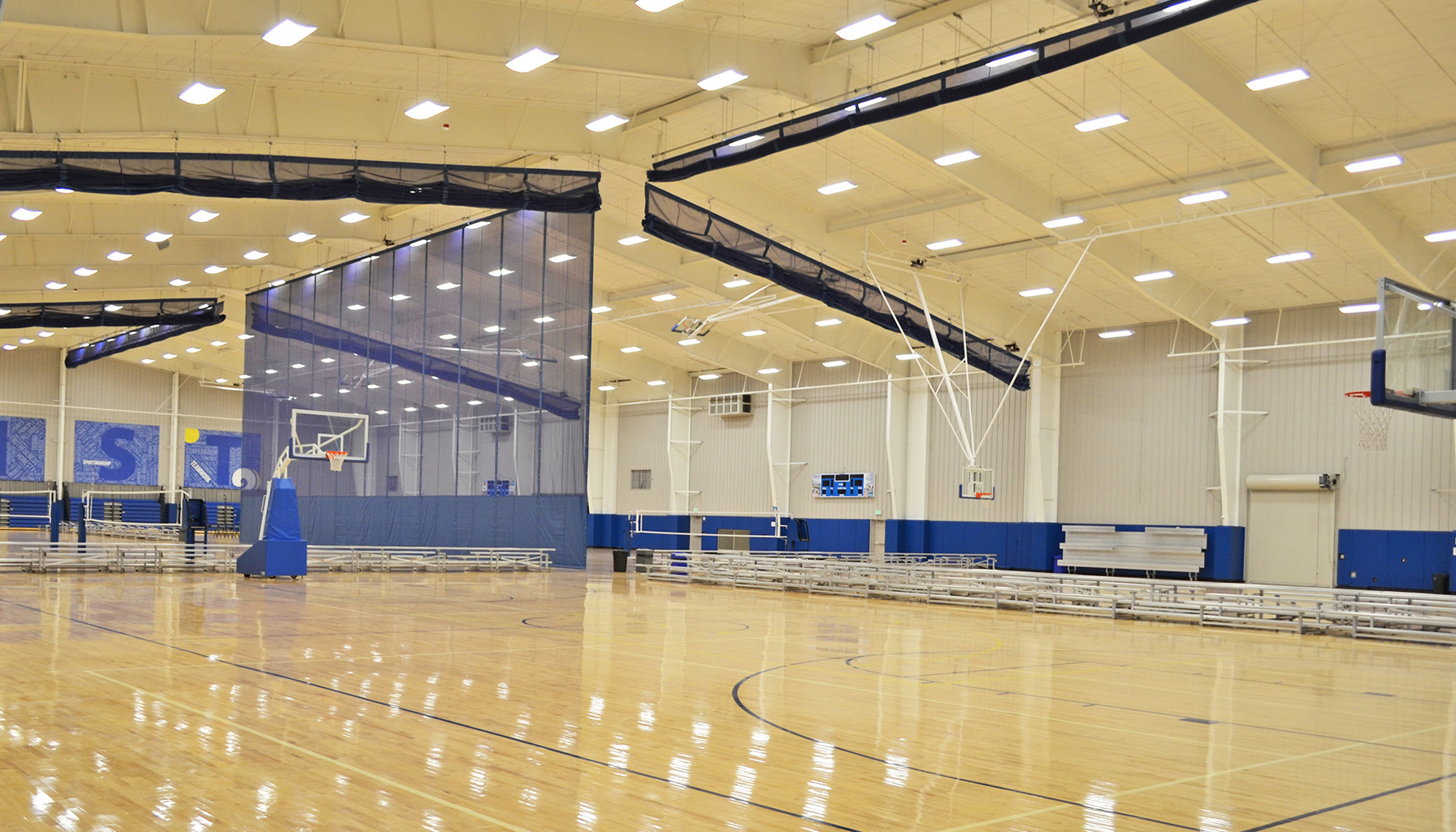
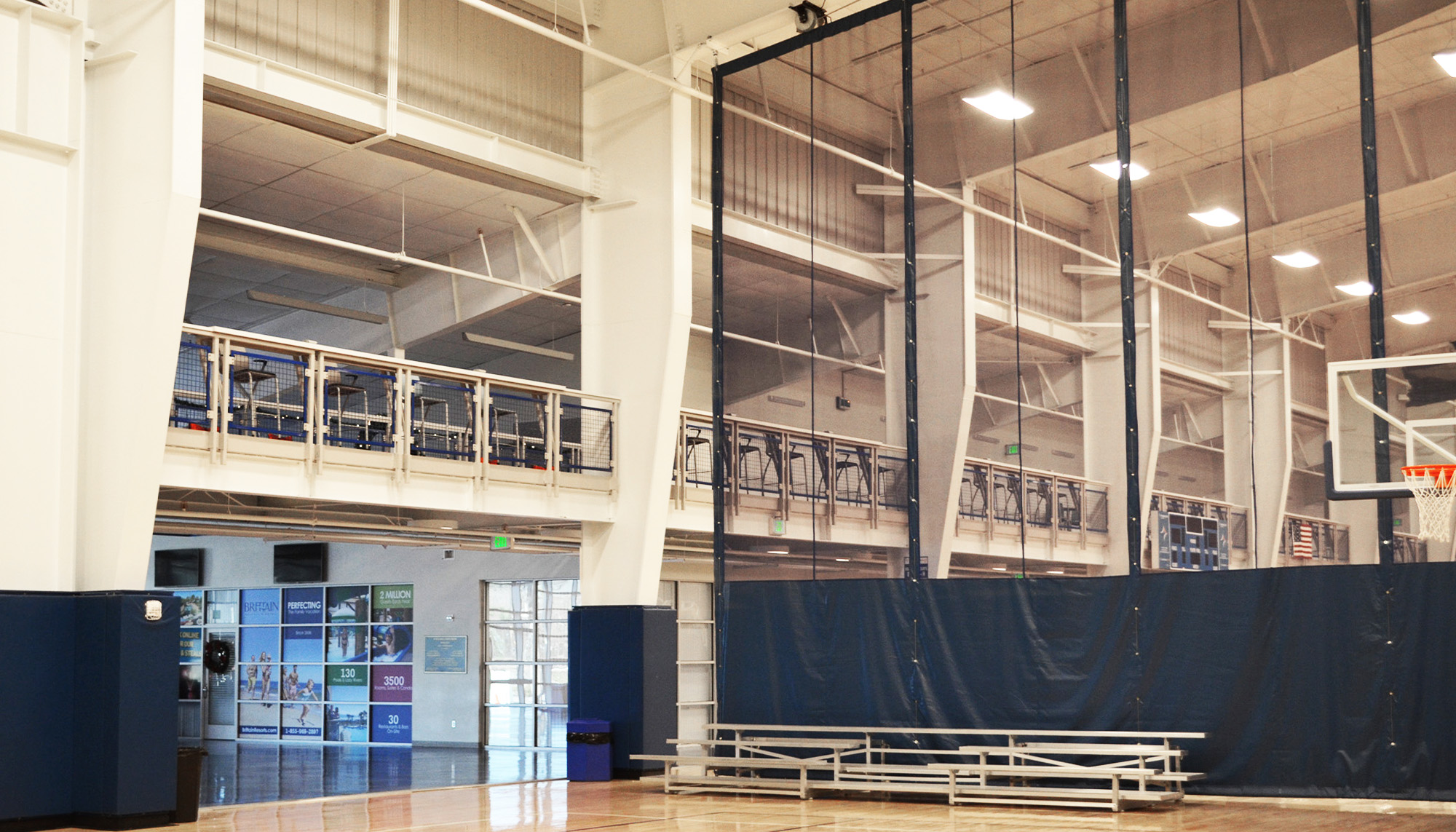

The City of Myrtle Beach needed an indoor venue that could accommodate a variety of sports, event formats and attendance levels while supporting the area's expanding tourism economy.
Through coordinated planning and a flexible building approach, the project delivered adaptable competition space designed to serve athletes, residents and visitors throughout the year.
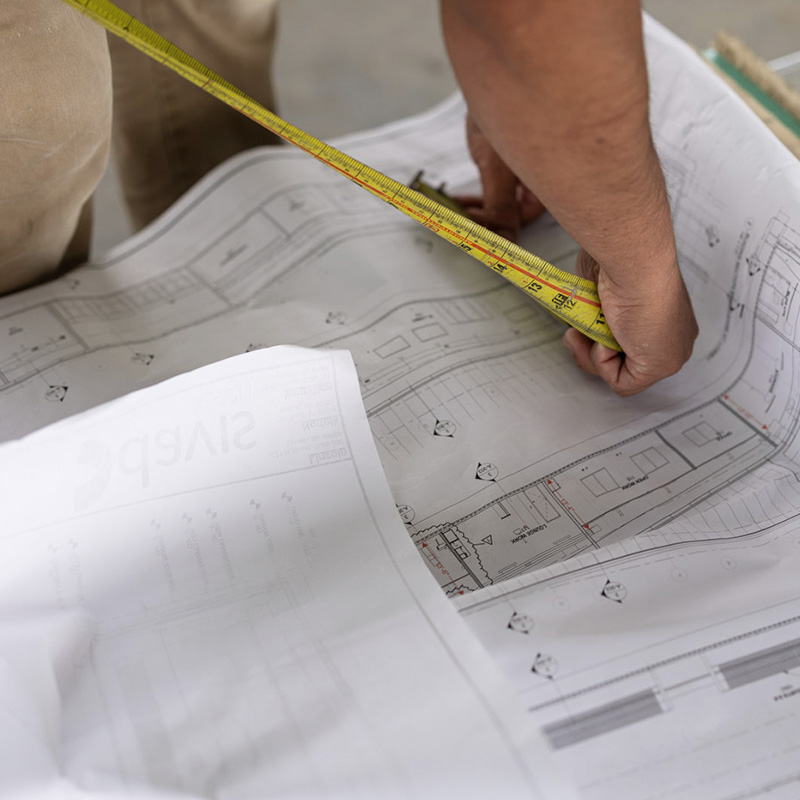
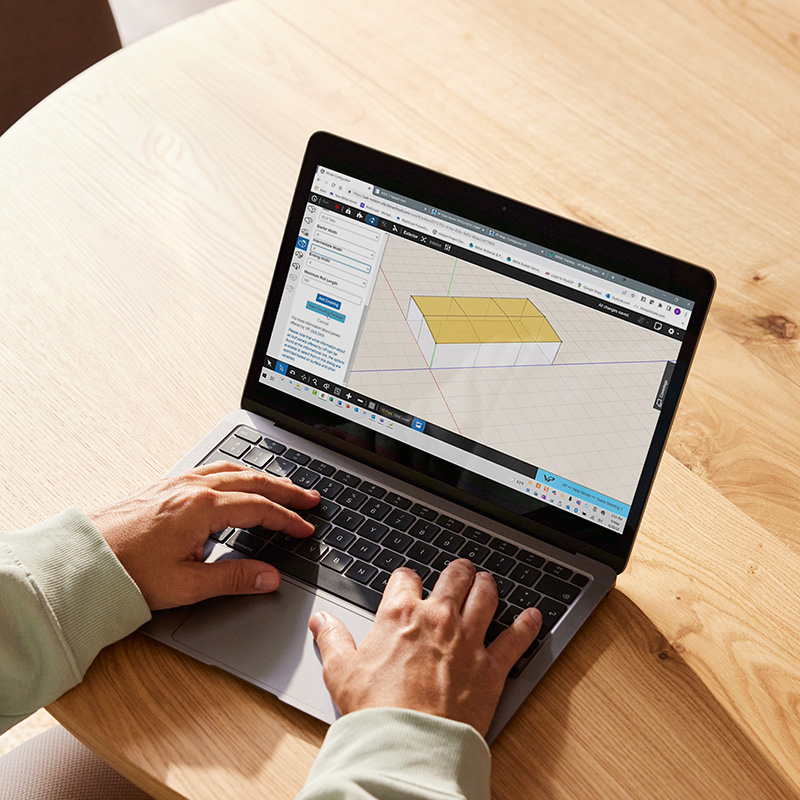
Early visibility and coordinated planning help teams reduce surprises and maintain budget alignment.
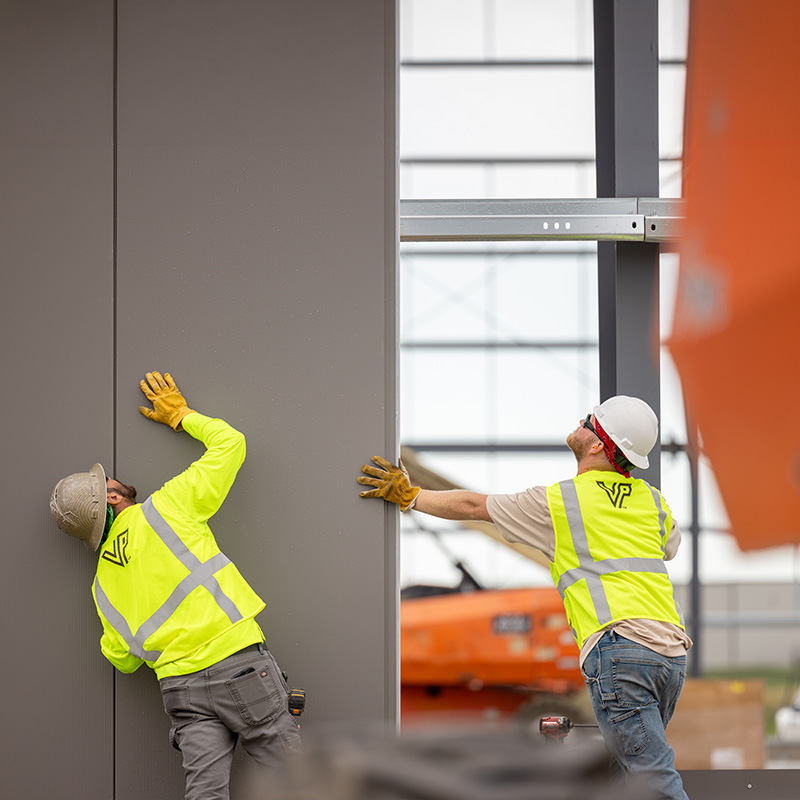
Builder collaboration helps teams solve challenges earlier and maintain alignment throughout project execution.
Creative structural solutions let projects achieve both beauty and performance.
Myrtle Beach Indoor Sports Facility
Communities invest in sports facilities for many reasons.
They create opportunities for recreation, attract visitors and provide venues for events that bring people together. The challenge is designing a facility that can support all of those goals at once.
That challenge drove the development of the Myrtle Beach Sports Center in Myrtle Beach, SC.
Developed by the City of Myrtle Beach, the 100,000-square-foot indoor facility was envisioned as a destination capable of supporting local recreation programs while strengthening the region's growing sports tourism market. The project needed to host basketball, volleyball, wrestling, gymnastics, cheerleading and other indoor sporting events while providing the flexibility to accommodate changing tournament requirements throughout the year.
Working alongside Dargan Construction, Mozingo + Wallace Architects and project stakeholders, Varco Pruden™ helped deliver a building solution designed around adaptability, efficiency and long-term community value.
The completed facility has become a centerpiece of Myrtle Beach's sports tourism strategy while providing a year-round venue for residents, athletes and visitors.
Sports facilities rarely operate the same way from one event to the next.
A volleyball tournament may require dozens of courts operating simultaneously. A basketball event demands different dimensions, circulation patterns and spectator arrangements. Community events introduce entirely different space requirements.
The Myrtle Beach Sports Center was designed to support that variability.
The facility includes eight basketball courts that can be converted into 16 volleyball courts, allowing operators to quickly adapt the building to different event formats. Additional support spaces include locker rooms, meeting rooms, concessions and administrative areas that support both tournament operations and community programming.
Creating that level of flexibility required large unobstructed interior spaces. The structural system was designed to maximize usable floor area while minimizing interior obstructions that could interfere with competition layouts or spectator circulation.
Rather than designing for a single sport or event type, the project team focused on creating a building that could evolve from one use to the next with minimal disruption.
That approach reflects a core principle of the Varco Pruden process: understanding how a facility will function over time and engineering solutions that support changing needs.
While athletic competition was a primary driver, the project's objectives extended beyond sports.
The City of Myrtle Beach envisioned the facility as a catalyst for economic activity. Tournament events attract athletes, families and spectators who contribute to local hotels, restaurants and businesses throughout the region.
To support those goals, the building needed to provide an experience capable of attracting regional and national events while maintaining operational efficiency for day-to-day use.
The facility includes approximately 3,000 spectator seats, creating an environment suitable for large tournaments and championship events. Event organizers can configure competition spaces to accommodate varying attendance levels while maintaining clear circulation throughout the building.
That adaptability has helped position the facility as a destination for a broad range of events, extending its value beyond local recreation programs.
The building's flexibility also supports future opportunities. As programming needs evolve, operators can continue adapting the facility to new sports, event formats and community uses without significant structural modifications.
The Myrtle Beach Sports Center demonstrates how thoughtful planning can create benefits that extend far beyond the building itself.
The facility serves local athletes and community organizations while supporting broader economic development goals. It provides a venue capable of hosting large tournaments, regional competitions and public events within one coordinated environment.
Achieving that outcome required collaboration among the city, architects, builders and building system partners. By aligning structural design with operational requirements early in the process, the project team delivered a facility built around performance rather than limitations.
For Varco Pruden, projects like this reflect the value of designing around purpose. The goal was not simply to create a large building. The goal was to create a facility capable of adapting to the needs of a growing community and an evolving sports tourism market.
Today, the Myrtle Beach Sports Center continues to fulfill that purpose.
It hosts competitions, supports recreation programs and attracts visitors from across the region. More importantly, it demonstrates how flexible building solutions can help communities create spaces that remain relevant long after opening day.
By combining adaptability, operational efficiency and long-term community value, the project provides a foundation for activity, engagement and growth for years to come.
Tell us what you’re solving for. Share your challenges, timeline and aspirations, and we'll bring the engineering insight and practical creativity to shape ambitious, lasting structures, together.