Buildings That Perform
Long-term weather resistance, simplified maintenance and coordinated performance across the entire building envelope.


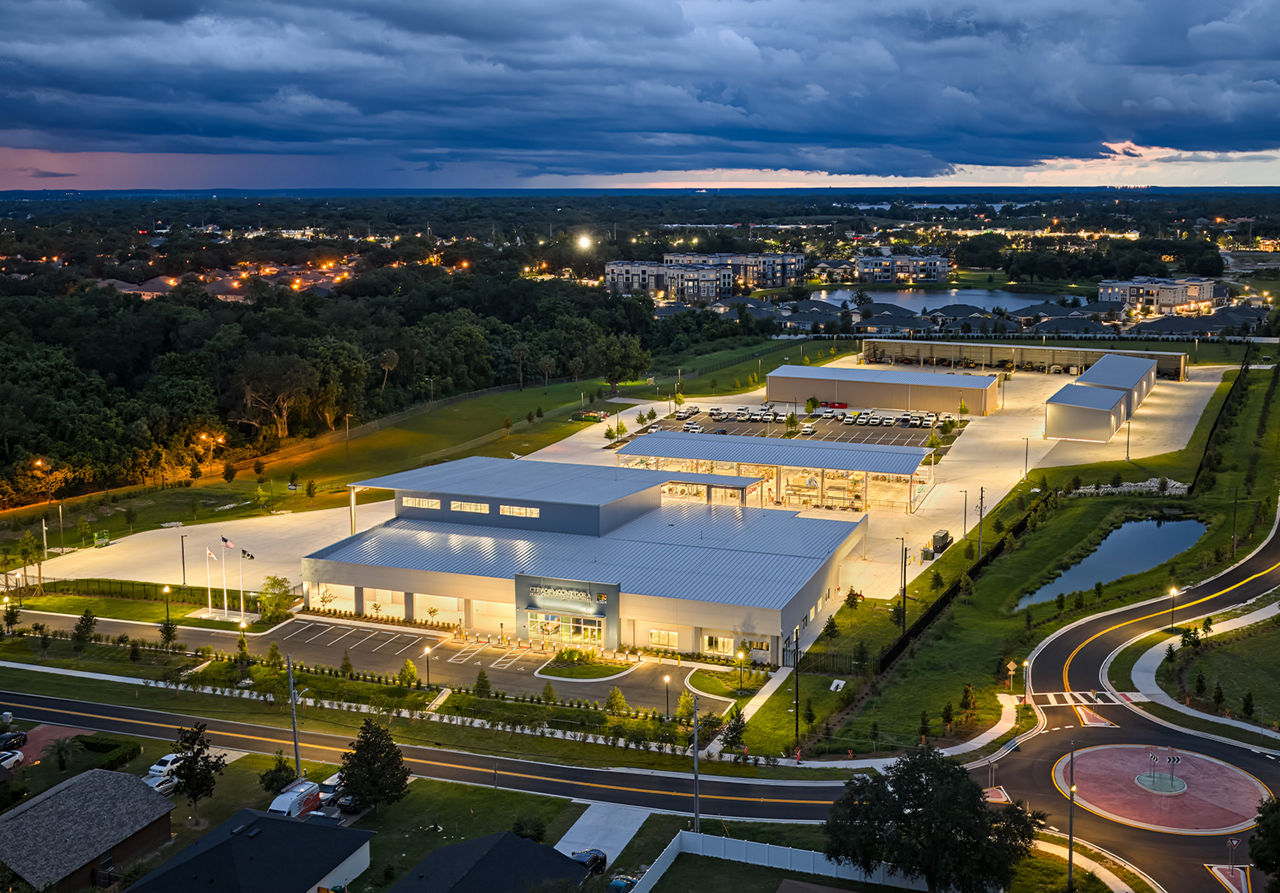
Engineered components, designed to the specifics of the project and fabricated before they ship. See what a VP PEMB makes possible.
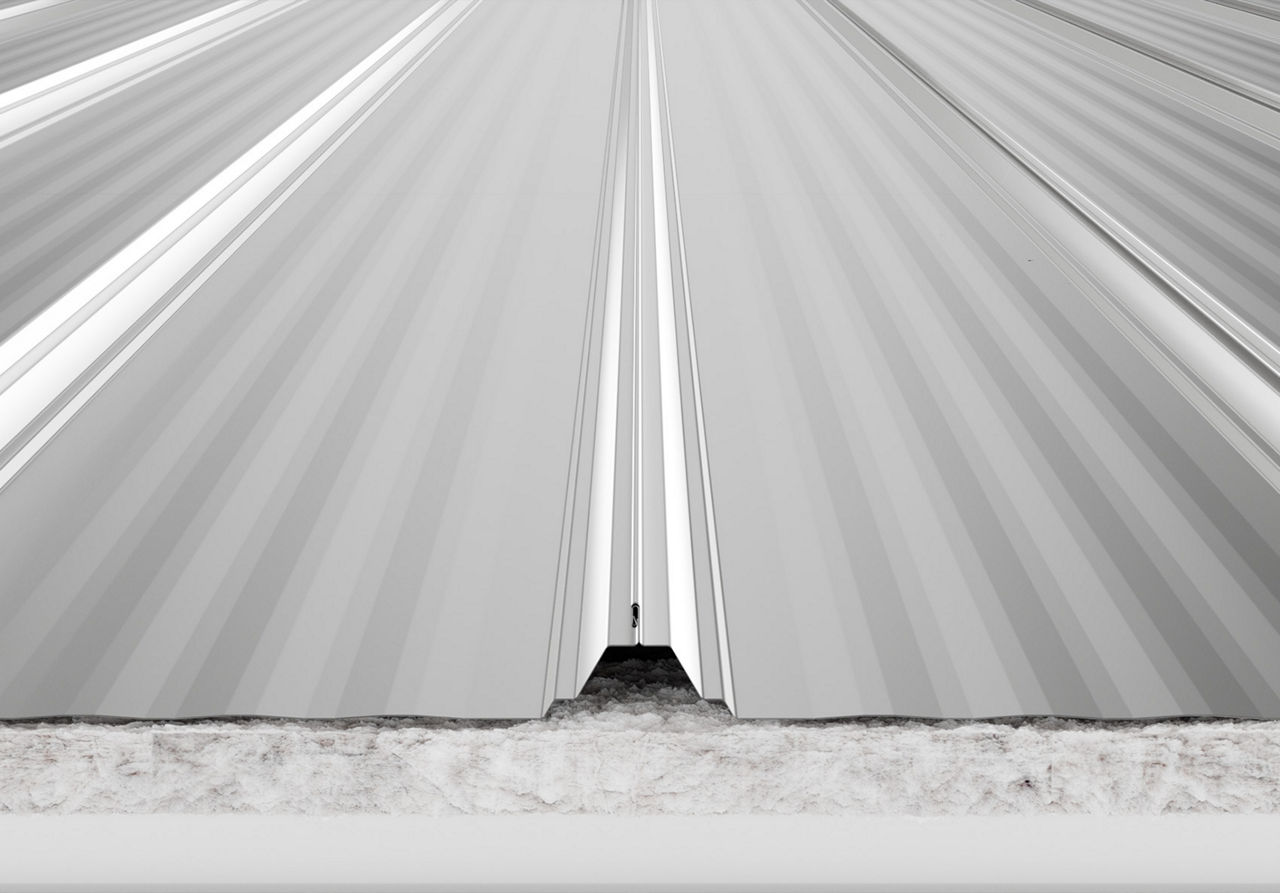
The standing seam roof with millions of square feet in service, machine-seamed into a single protective membrane.

Mission-critical work calls for proven structural solutions. VP has shaped data center campuses across North America for the developers building the digital backbone.
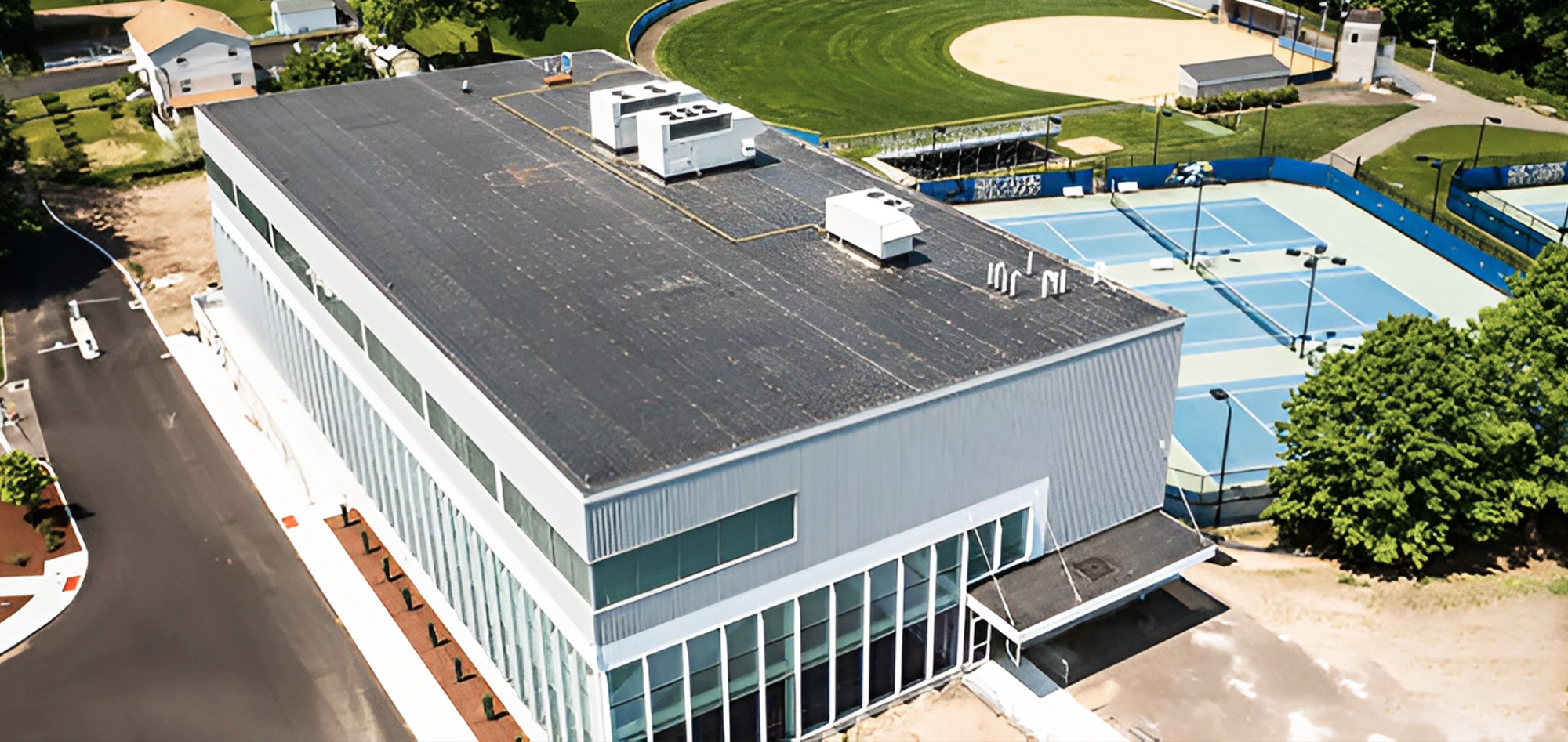
Creating a high-performance training environment required more than new equipment and additional square footage. The University of New Haven sought a facility capable of competing with top collegiate athletic programs while accommodating complex structural demands and an accelerated delivery schedule.
Through early collaboration and a hybrid steel approach, the project team developed a solution that balanced architectural vision, athlete experience and engineering performance, resulting in a facility designed to support student-athlete success for years to come.
Long-term weather resistance, simplified maintenance and coordinated performance across the entire building envelope.
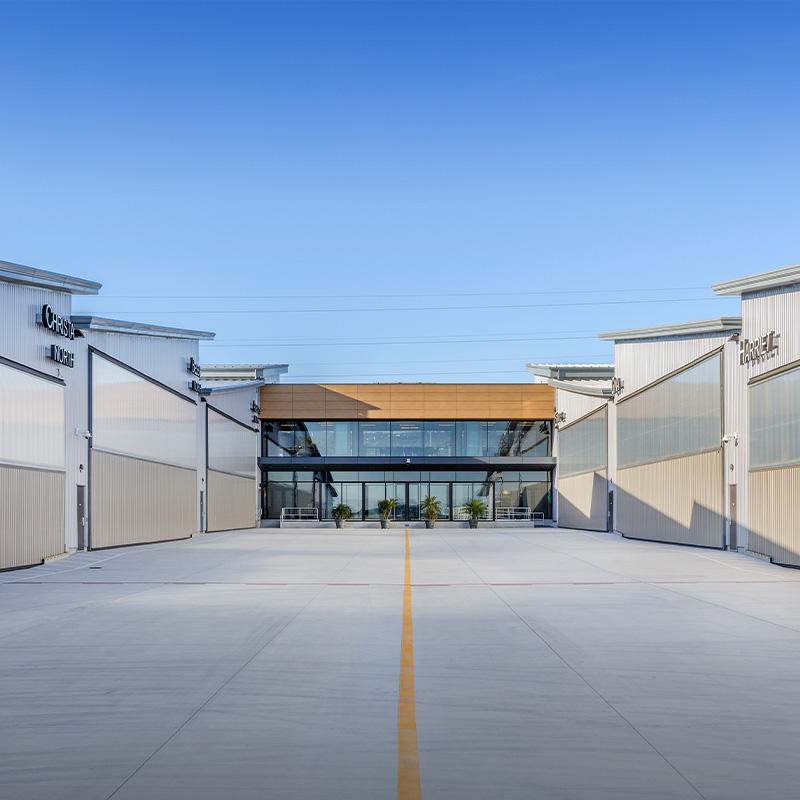
Column spacing and clearspan framing create wide-open, usable interior space.
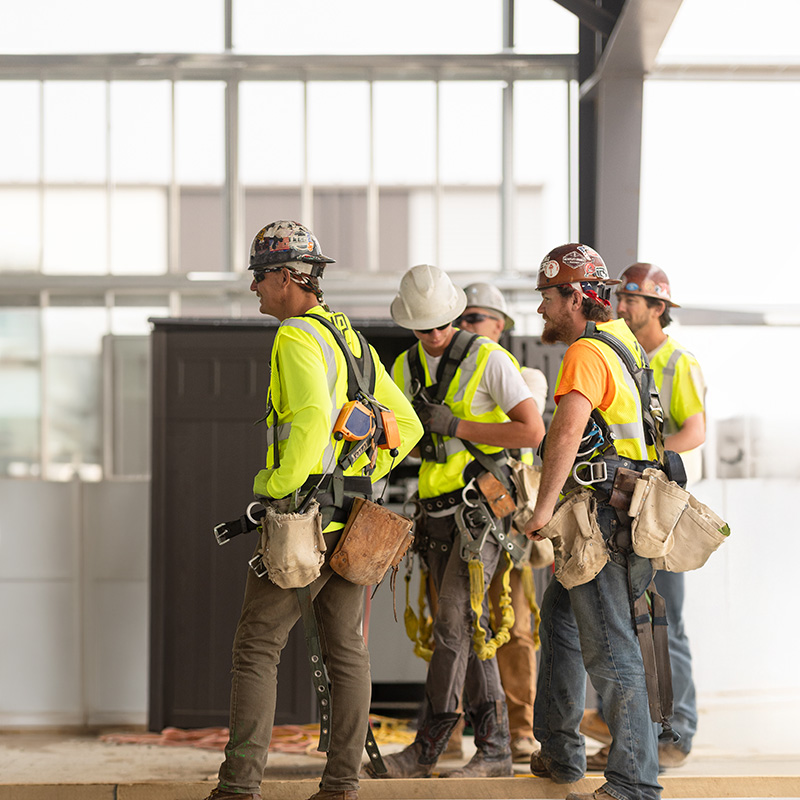
Teams work together early to improve constructability, coordination and confidence throughout the project process.
University of New Haven Peterson Performance Center
When the University of New Haven set out to create a new home for athlete development, the goal was clear: deliver a world-class facility capable of competing with the best collegiate athletic programs in the country.
The University envisioned a performance center that would support more than 500 student-athletes while strengthening recruiting efforts, enhancing training opportunities and supporting long-term athletic growth. At the same time, the project needed to fit within an ambitious design-build schedule and meet a series of complex structural requirements.
Located on the University's North Campus in West Haven, CT, the Peterson Performance Center represents a significant investment in the future of Charger Athletics. Named in recognition of alumnus, former football standout and Board of Governors member Dave Peterson, the facility was designed to provide student-athletes with resources typically associated with Division I programs.
"My experiences as a student-athlete taught me skills that I have used throughout my career," Peterson said. "I am excited to help enrich the experience of future generations of student-athletes and to provide a space for them to prepare to excel on and off the field."
Delivering that vision required close collaboration among the University, Pat Munger Construction Company, Apicella + Bunton Architects and the Varco Pruden™ Conventional Steel Services team. From the earliest stages of design, the project challenged the team to find innovative solutions that balanced aesthetics, performance and constructability.
While the completed facility appears effortless, achieving that outcome required overcoming a series of significant engineering challenges.
Among the most demanding were long-span mezzanine beams stretching approximately 50 feet, stringent deflection requirements associated with expansive curtainwall systems and a second-floor cardio deck designed to support high athlete loads and dynamic movement. Football players training on treadmills above occupied spaces required specialized vibration analysis to ensure both user comfort and structural performance.
To address these challenges, Pat Munger Construction engaged VP Conventional Steel Services as an early project partner.
"The Conventional Design team was fantastic in offering solutions to unique design challenges," said David DeMaio of Munger Construction.
Working collaboratively with the design team, VP engineers developed solutions that preserved the architectural vision while meeting demanding structural requirements. Every decision required careful coordination among beam sizing, load paths, vibration control and deflection management.
The project ultimately utilized a hybrid steel approach, combining conventional steel framing with pre-engineered steel components to optimize efficiency and performance. This flexibility allowed the team to recommend the most effective structural solution for each portion of the building while maintaining schedule and budget objectives.
The result is an open, light-filled environment that delivers the functionality athletes need without compromising the design experience envisioned by the University.
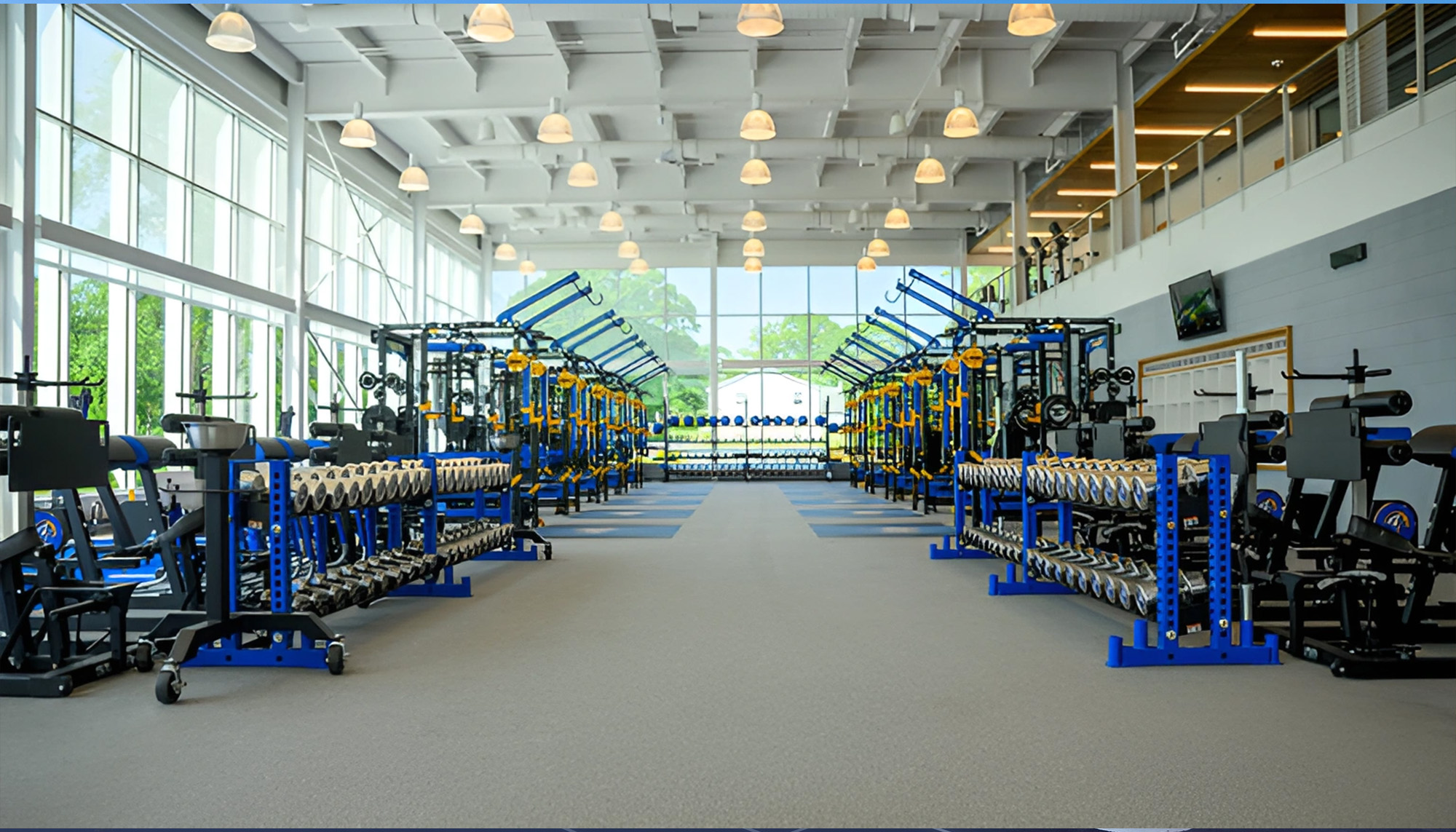
The approximately 30,000-square-foot facility was developed as a comprehensive athlete development center. Every space was designed around improving performance, recovery and team engagement.
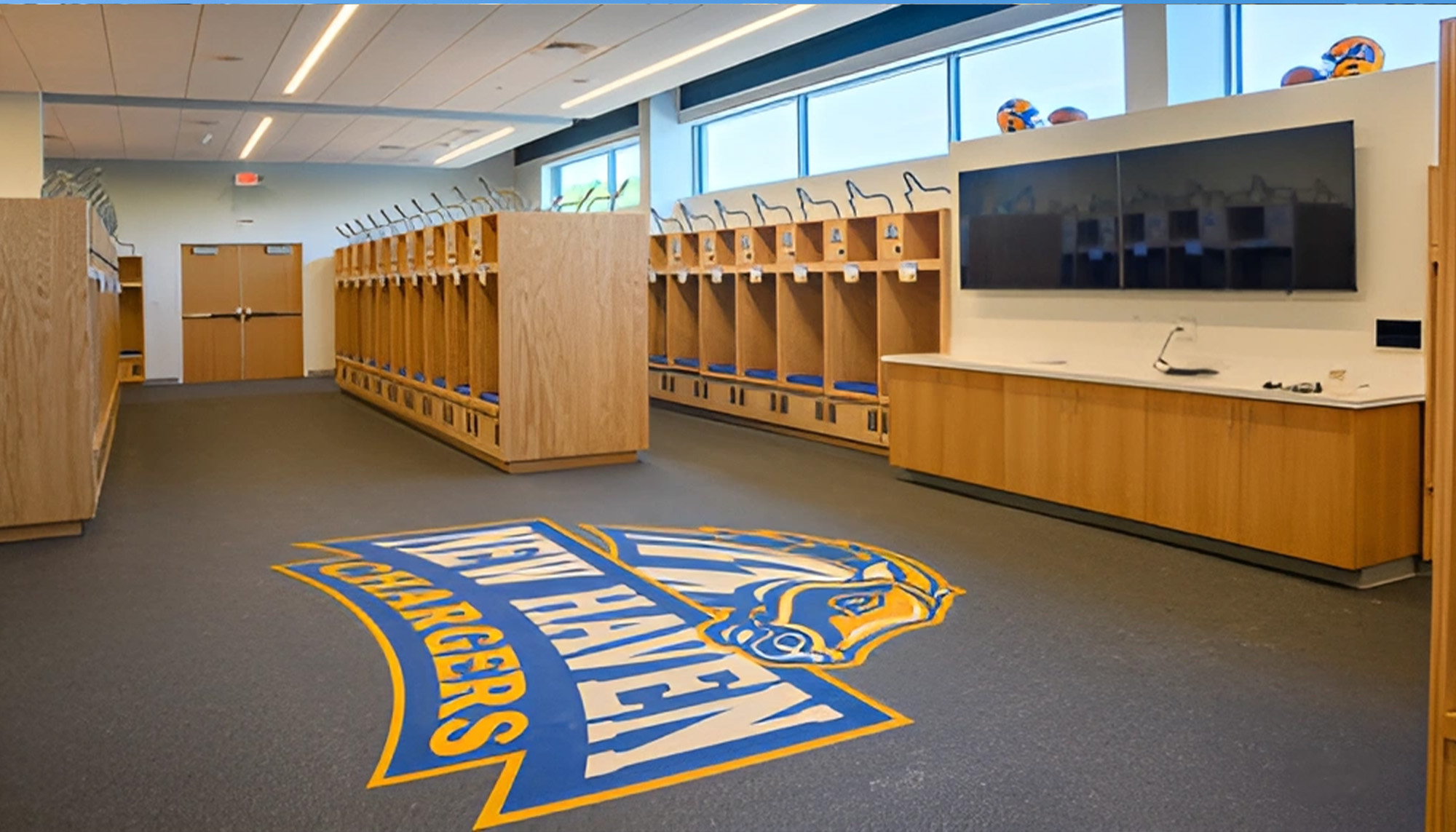
At its core is a 7,000-square-foot sports performance center featuring 20 Olympic lifting racks and a 60-yard indoor turf training field. A second-floor mezzanine overlooks the training area below and includes cardio equipment, sports medicine facilities and recovery spaces. The building also incorporates a 2,500-square-foot football locker room, meeting rooms, athlete lounges and support spaces that help create a complete performance environment.
Natural light plays a significant role throughout the building. Large curtainwall systems and expansive glazing help create an open atmosphere that encourages activity and engagement. Exposed structural elements reinforce the building's purpose while showcasing the engineering that makes the facility possible.
University leaders immediately recognized the impact the facility could have on student-athletes.
"Compared to the rest of our conference and the region, there's nothing like this," said Jonathan Mays, Ph.D., interim director of athletics. "It's state-of-the-art. It's not just weights, but it's sports performance. It's everything that goes with being a better athlete."
The Peterson Performance Center demonstrates what is possible when engineering expertise is brought into the conversation early.
Rather than forcing architectural aspirations and structural realities into conflict, the project team approached challenges collaboratively. Through early involvement, proactive communication and a willingness to explore creative solutions, the team delivered a facility that supports both performance and possibility.
Today, the building stands as a centerpiece of the University's athletic program and a powerful recruiting tool for future Chargers. More importantly, it provides student-athletes with an environment designed around their development, health and success.
For Varco Pruden™, the project reflects the value of partnership-driven innovation. By combining Conventional Steel Services expertise with a flexible hybrid steel approach, the team helped transform an ambitious vision into an award-winning reality. The project's recognition as Best in Class – Conventional in the 2025 Varco Pruden Hall of Fame Awards reinforces what can be achieved when builders, architects and engineers work together from the start.
The Peterson Performance Center is more than a training facility. It is a demonstration of how collaboration, engineering and purpose-driven design can create opportunities for student-athletes to perform at their highest level for years to come.
“The Conventional Design team was fantastic in offering solutions to unique design challenges.”
Tell us what you’re solving for. Share your challenges, timeline and aspirations, and we'll bring the engineering insight and practical creativity to shape ambitious, lasting structures, together.