Durable Performance
Engineered through collaborative design processes that help buildings perform reliably under demanding operational conditions.


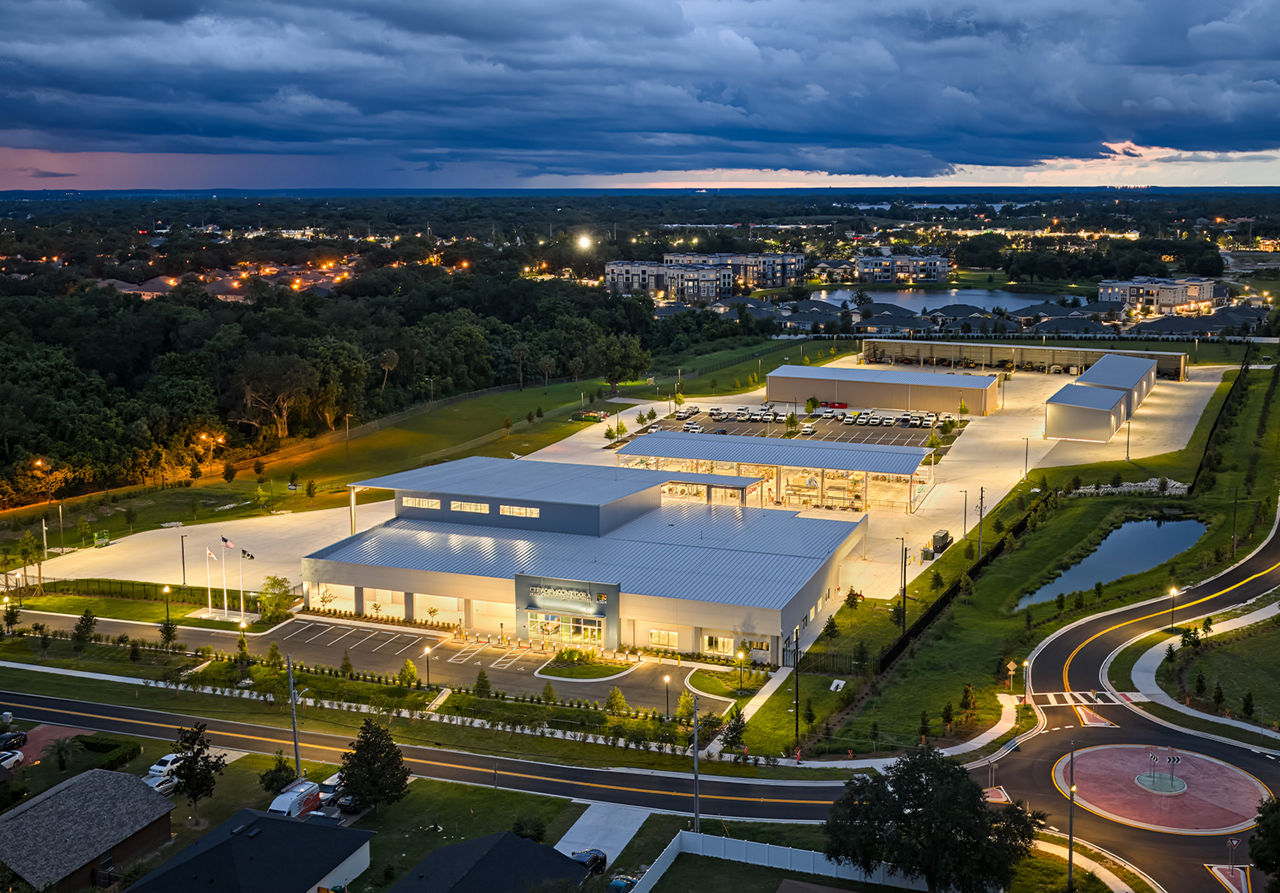
Engineered components, designed to the specifics of the project and fabricated before they ship. See what a VP PEMB makes possible.
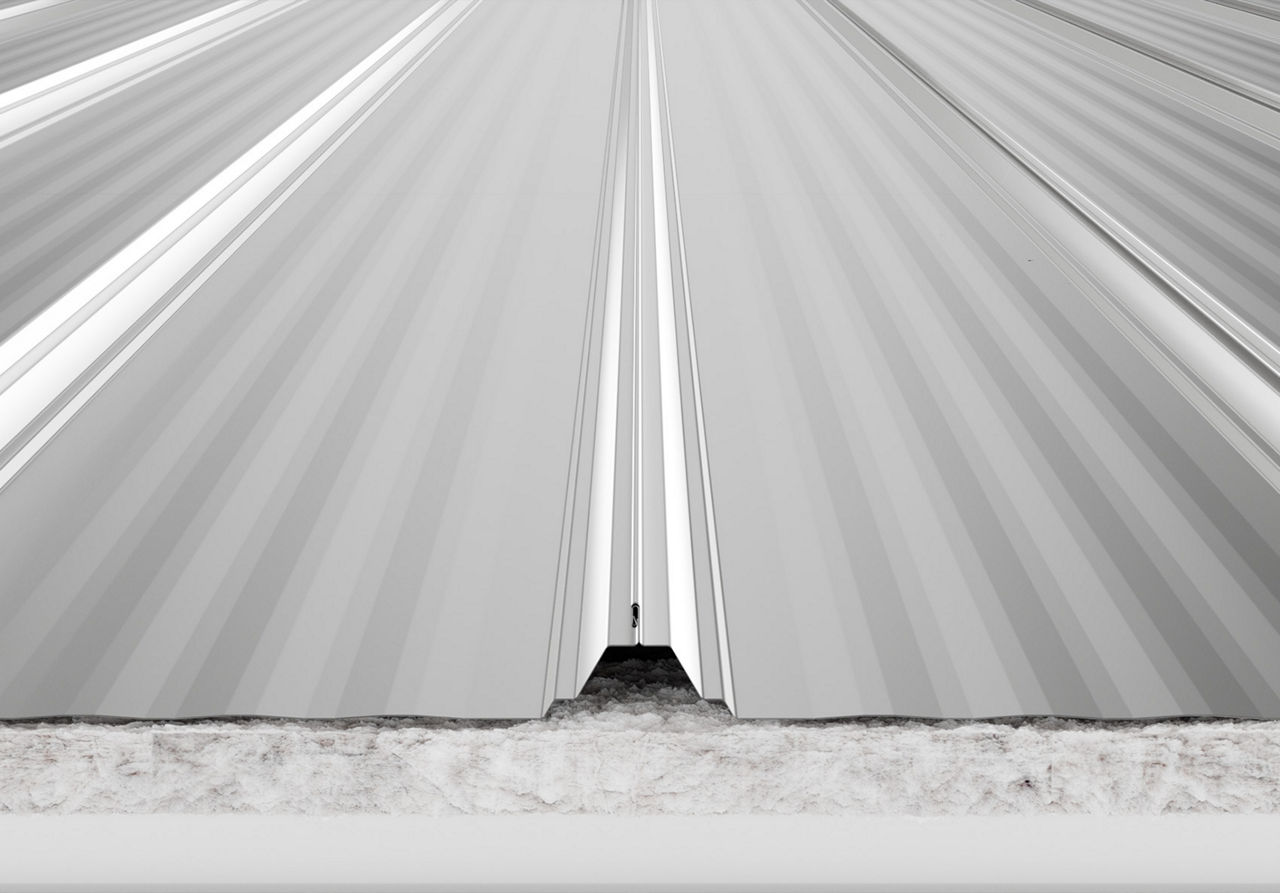
The standing seam roof with millions of square feet in service, machine-seamed into a single protective membrane.
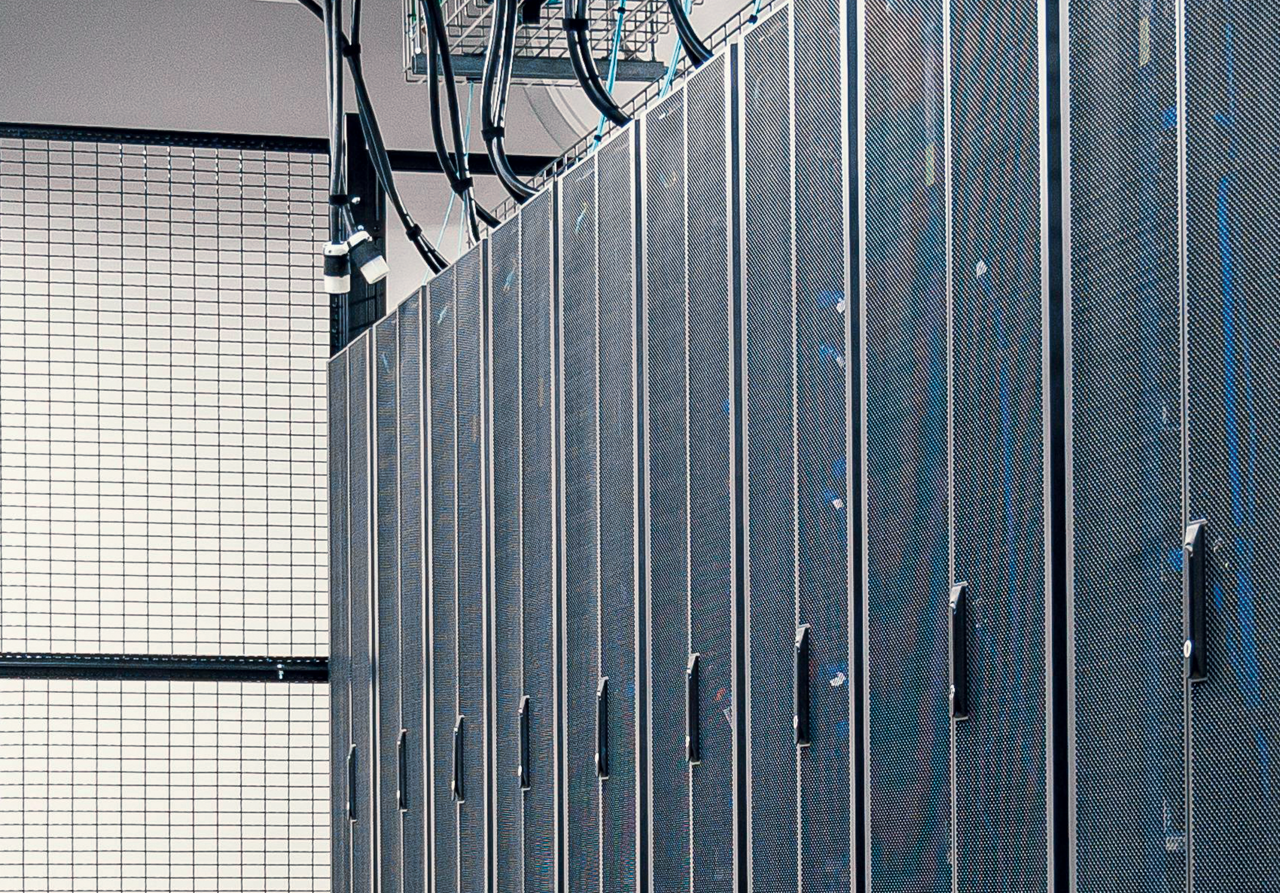
Mission-critical work calls for proven structural solutions. VP has shaped data center campuses across North America for the developers building the digital backbone.

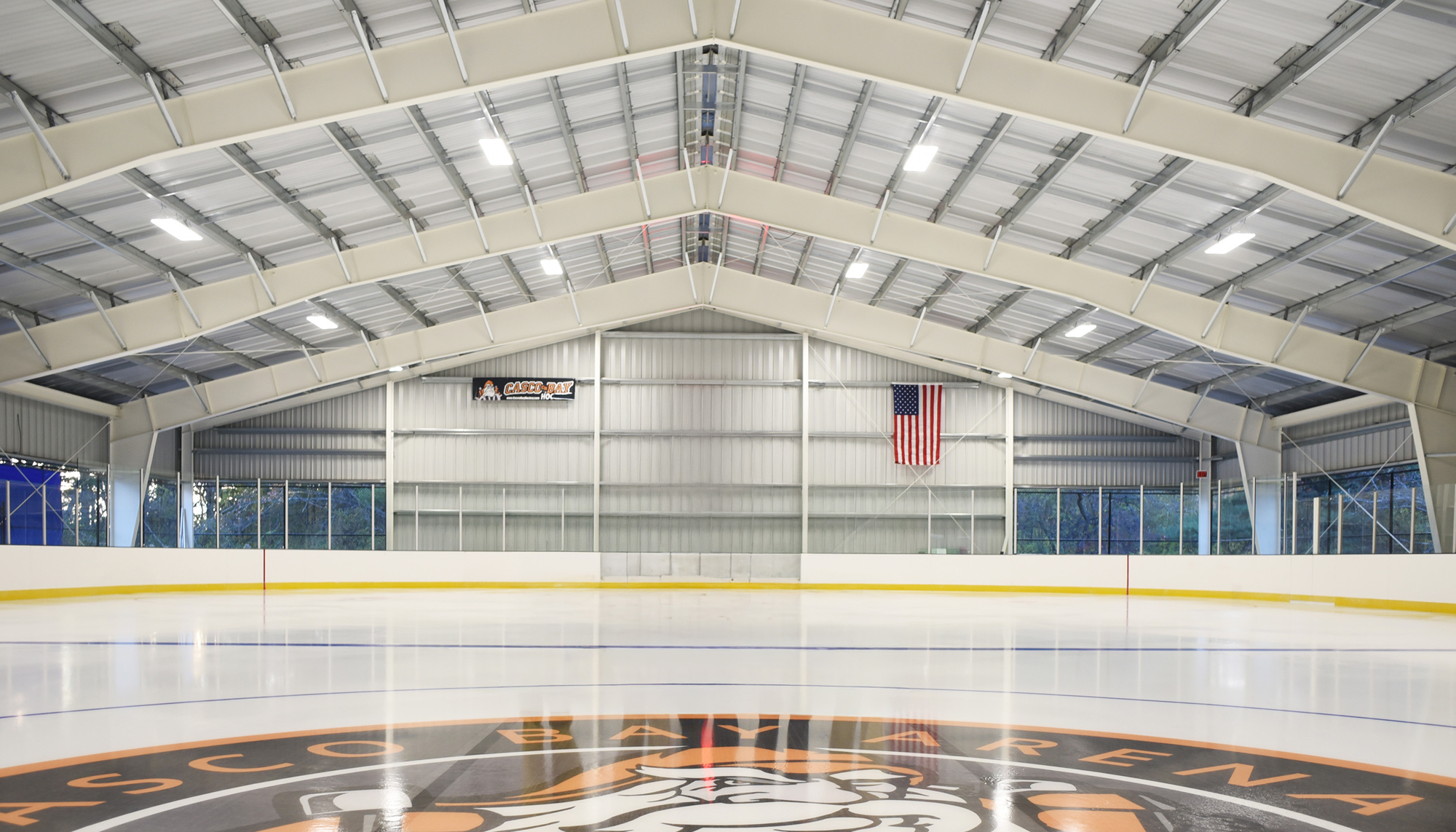
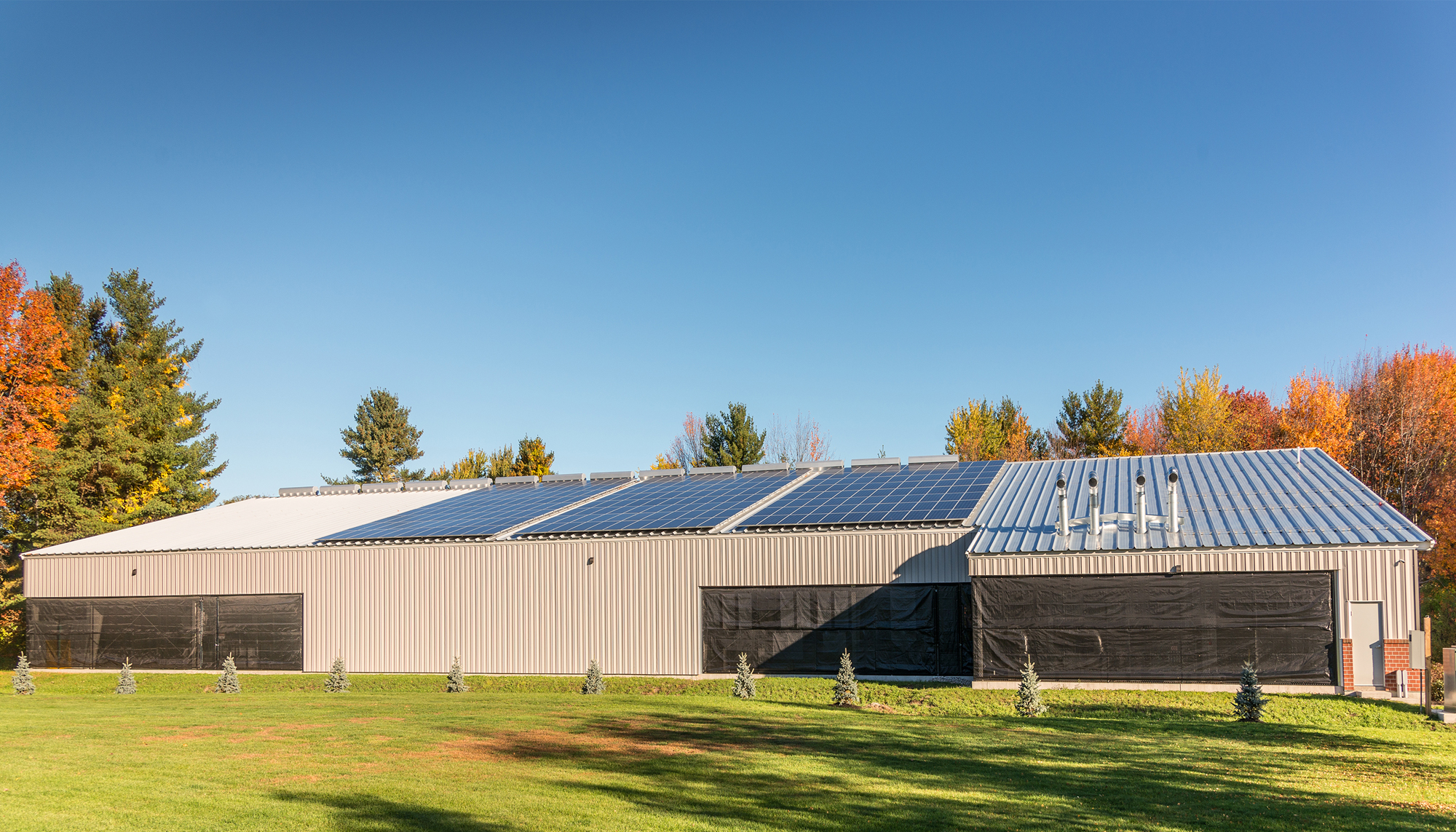
Developing an ice rink in a cold climate created an opportunity to reduce reliance on mechanical systems while maintaining performance. The challenge was balancing cost efficiency with consistent ice conditions and user comfort.
Through a strategic combination of open-air design and controlled ventilation, the team delivered a facility that supports reliable operation with lower energy demands. The result is a practical, community-focused space that meets both performance and budget goals.
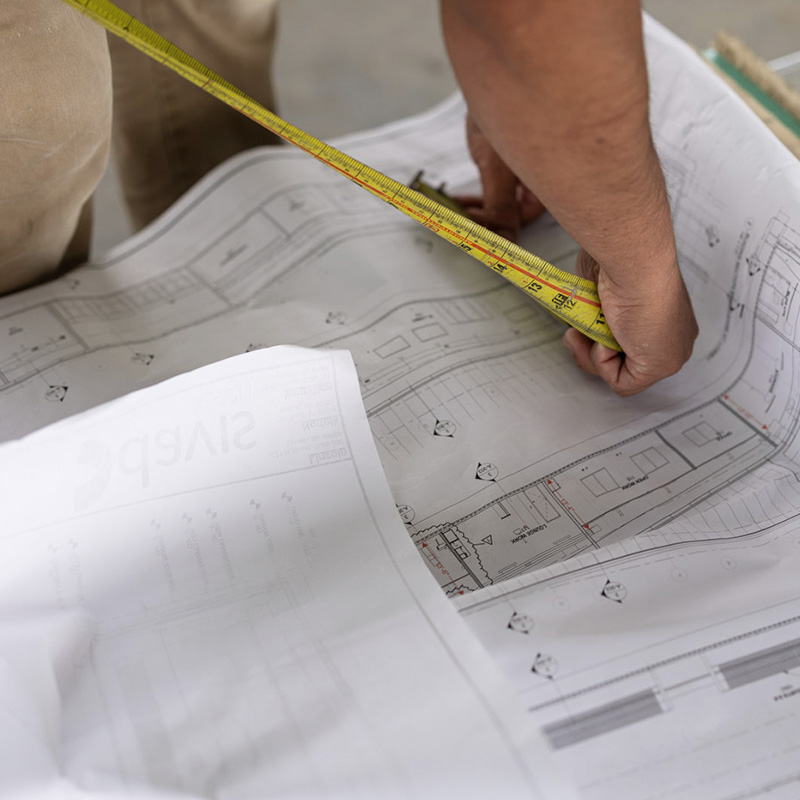
Engineered through collaborative design processes that help buildings perform reliably under demanding operational conditions.
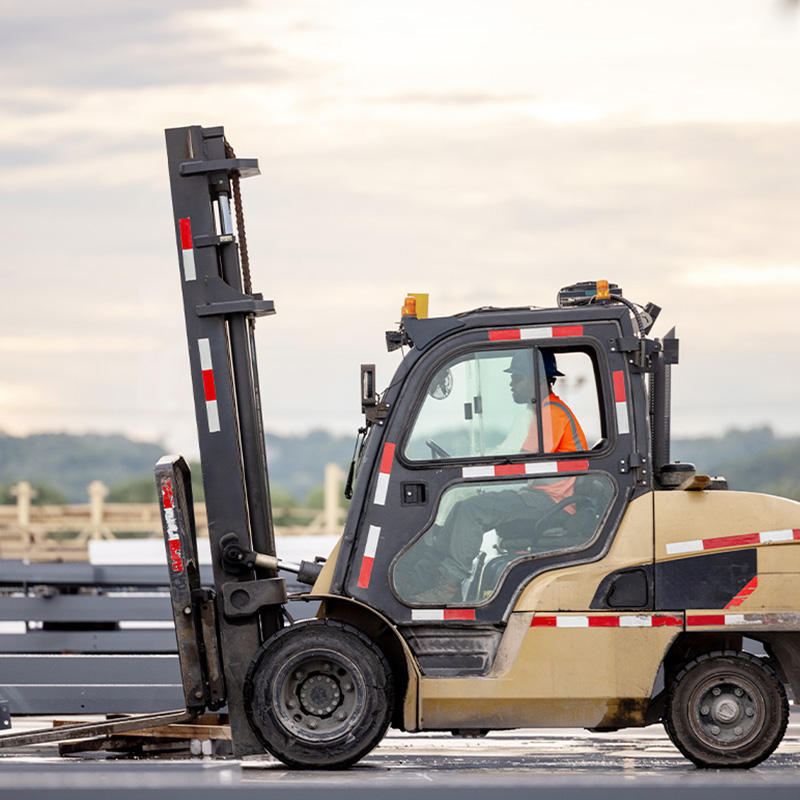
Integrated detailing help teams align systems accurately before materials ever reach the jobsite.
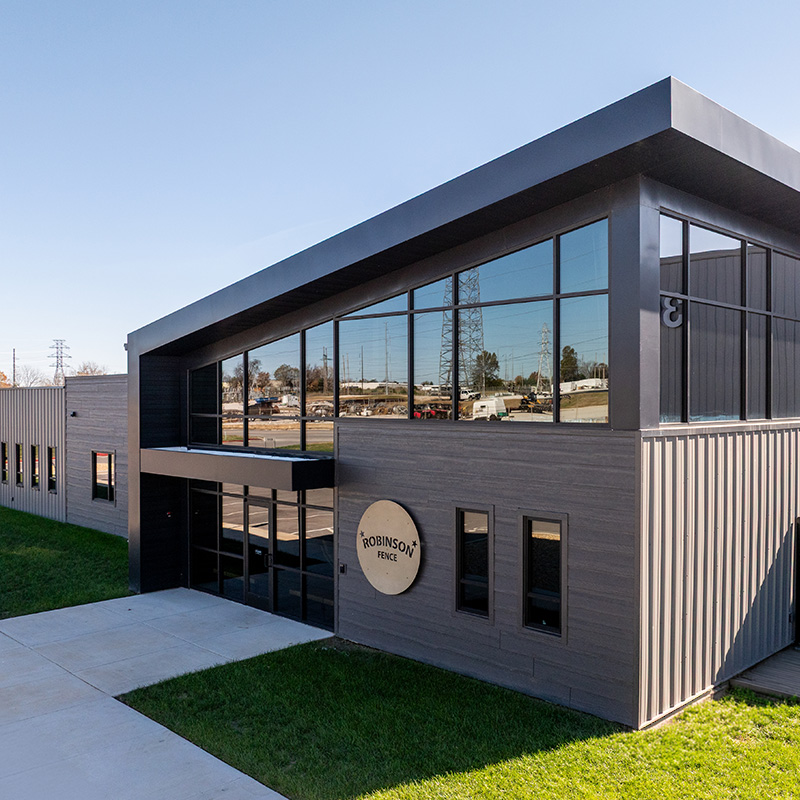
VP systems help projects respond to surrounding architecture while staying aligned with the customer’s vision and goals.
Casco Bay Arena
Not every building needs to fight its surroundings. Sometimes, the better solution is to work with them.
For the Casco Bay Hockey program in Maine, the goal was straightforward: Create a reliable indoor ice rink that could serve young athletes without introducing long-term operating costs that would strain the program.
Ice rinks are typically energy-intensive. Maintaining consistent ice conditions requires significant mechanical support, especially in enclosed environments. But Maine’s climate offered a different starting point, one that could be used to the project’s advantage.
Working with Patco Construction, Inc., a Varco Pruden™ Builder, the team explored how the building itself could reduce the need for constant mechanical input.
The solution begins with what the building doesn’t include.
Instead of fully enclosing the structure, portions of the walls were intentionally left open. This allows cold winter air to circulate through the rink, supporting ice maintenance naturally for much of the season.
Mechanical systems are still present, but they play a secondary role. An ice chiller provides support when conditions require it, rather than always carrying the full load.
This approach reduces energy consumption while maintaining the quality of the ice surface. It also simplifies operations, allowing the facility to function efficiently without relying on complex systems.
The structure itself, built using a rigid frame system, provides the clear span needed for uninterrupted play. The open interior allows players, coaches and spectators to engage with the space without obstruction.
It’s a solution that reflects the environment it’s built in, practical, responsive and efficient.
Open walls introduce opportunity, but they also require control.
Condensation can quickly become an issue in ice facilities, especially when warm air meets cold surfaces. Left unaddressed, it can affect both the building and the ice.
To manage this, the design incorporates a combination of ridge vents and roof-mounted exhaust fans. Four exhaust fans work alongside continuous ridge ventilation to maintain consistent airflow throughout the structure.
This system prevents air from becoming trapped, reducing moisture buildup and supporting stable conditions across the rink.
The roof system, built with the SSR™ Roof System, provides reliable weather protection while supporting these ventilation strategies. Vee Rib™ wall panels, combined with masonry elements, create a durable exterior that holds up under seasonal changes.
Together, these systems create a balanced environment, open where it benefits performance, controlled where it protects it.
While the ice is central to the facility, the surrounding spaces complete the experience.
A dedicated area provides shelter for spectators, offering a place to gather and watch games without being exposed to the full outdoor conditions. Locker rooms and support spaces are positioned nearby, allowing players to move easily between preparation and play.
The Zamboni and maintenance equipment are housed in a protected area as well, ensuring that operations can continue efficiently regardless of weather.
These spaces are intentionally placed close to the rink, reducing unnecessary movement and keeping the facility easy to navigate.
The result is a building that supports both performance and comfort without overcomplicating the layout.
Facilities like this are measured by how often they’re used.
For the Casco Bay Hockey program, the rink provides a place for youth athletes to train, compete and develop their skills within a consistent environment. It also creates a gathering place for families and the broader community.
By reducing operating costs through design, the facility becomes more sustainable over time, not just structurally, but financially. That sustainability supports continued access, ensuring that the space remains available to those who rely on it.
Completed in 2016, the rink reflects a coordinated effort between Patco Construction and Varco Pruden® to deliver a solution grounded in real-world conditions.
The building doesn’t rely on excess to achieve its goals. It relies on alignment between environment, structure and use.
By allowing natural conditions to do part of the work, the project reduces complexity while maintaining performance. At the same time, ventilation and structural systems ensure that the building operates reliably across seasons.
It’s a straightforward idea, executed with care.
Tell us what you’re solving for. Share your challenges, timeline and aspirations, and we'll bring the engineering insight and practical creativity to shape ambitious, lasting structures, together.