Custom Details
From trims to textures, every design detail an be personalized to your project vision.


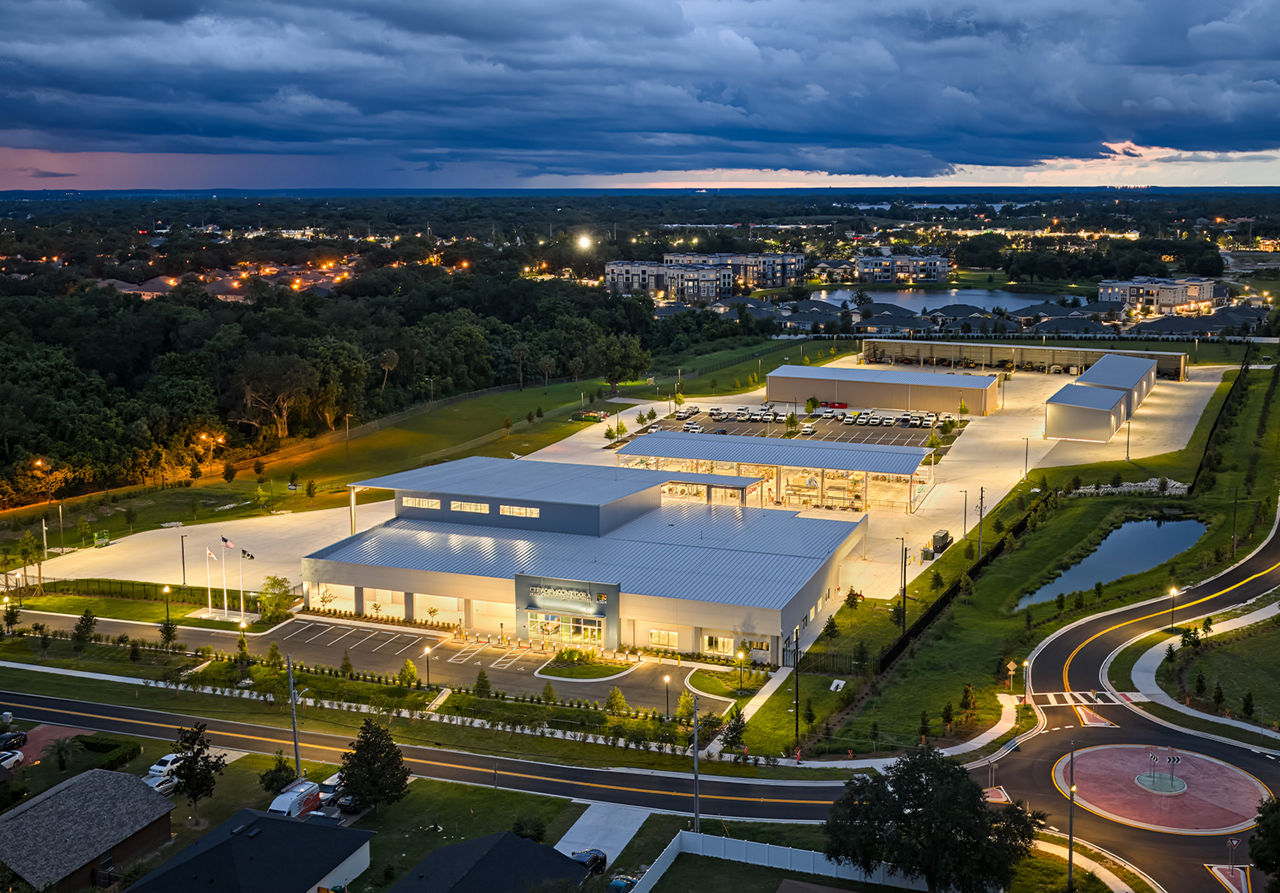
Engineered components, designed to the specifics of the project and fabricated before they ship. See what a VP PEMB makes possible.
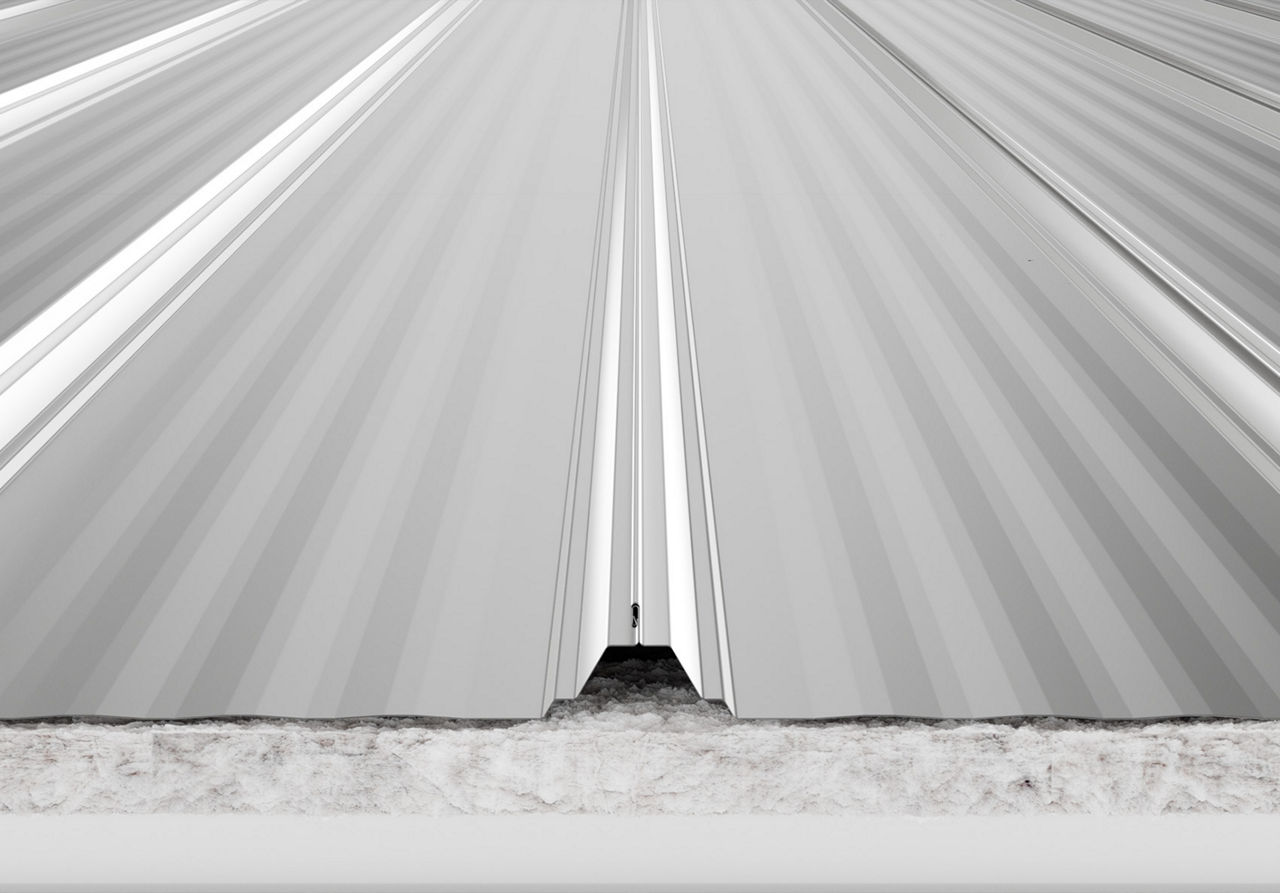
The standing seam roof with millions of square feet in service, machine-seamed into a single protective membrane.

Mission-critical work calls for proven structural solutions. VP has shaped data center campuses across North America for the developers building the digital backbone.

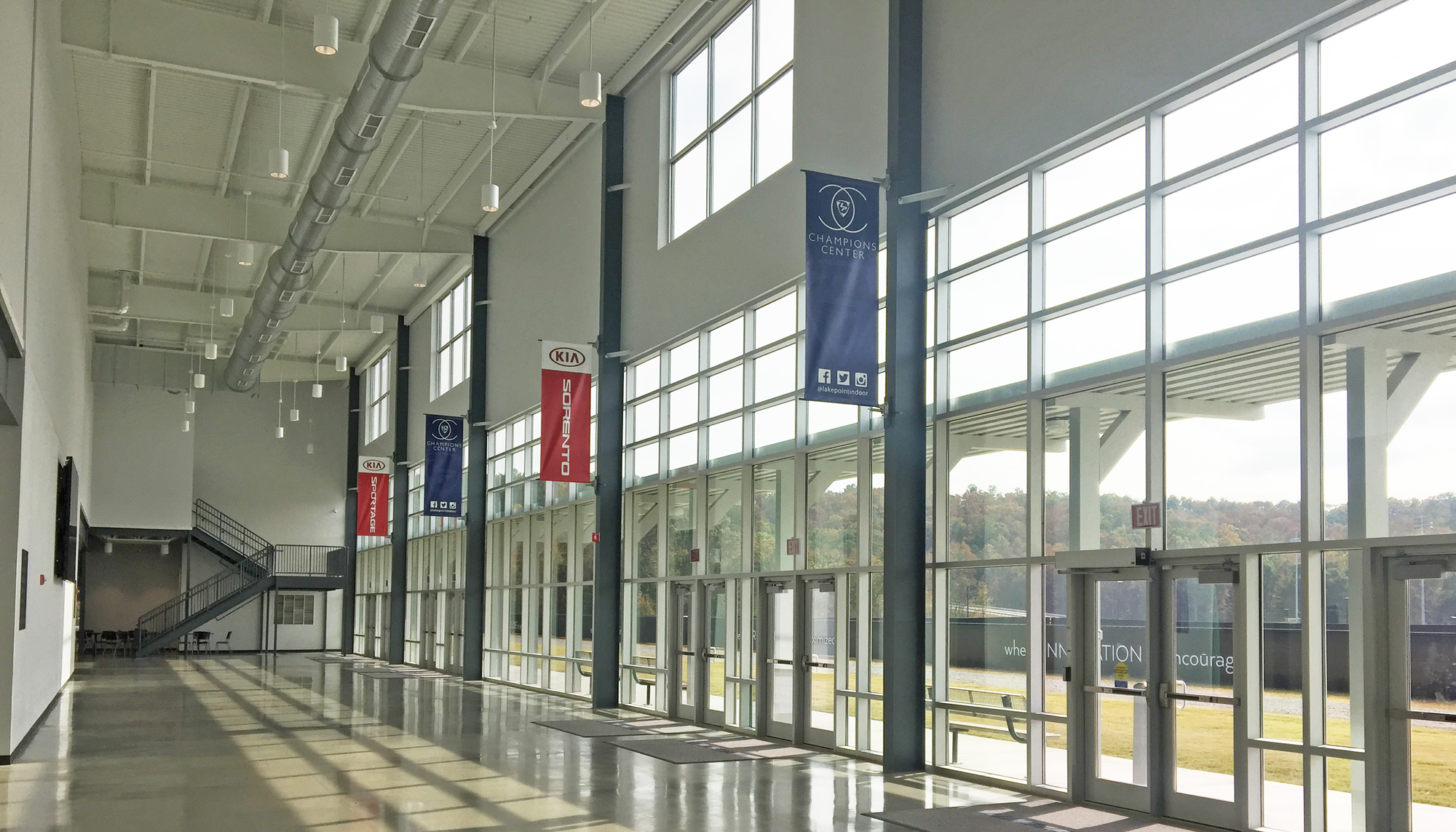
Creating a facility that could host multiple sports at once required uninterrupted space, vertical capacity and integrated spectator areas. The challenge was delivering scale without limiting flexibility.
Through coordinated structural design and system integration, the team developed a solution that supports suspended equipment, multi-court layouts and elevated viewing. The result is a facility that adapts to different events while maintaining performance and efficiency.
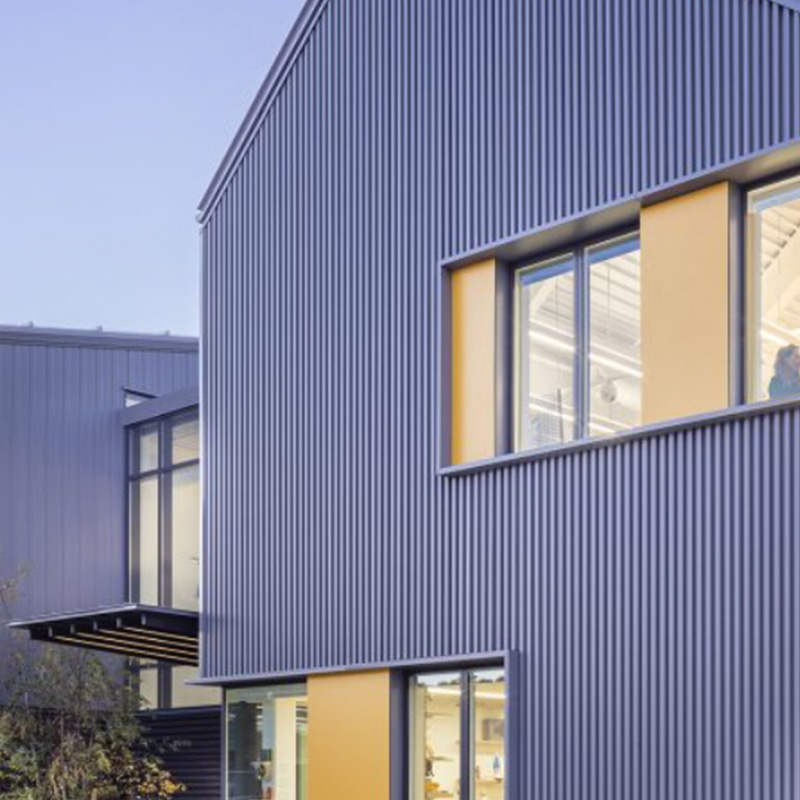
From trims to textures, every design detail an be personalized to your project vision.
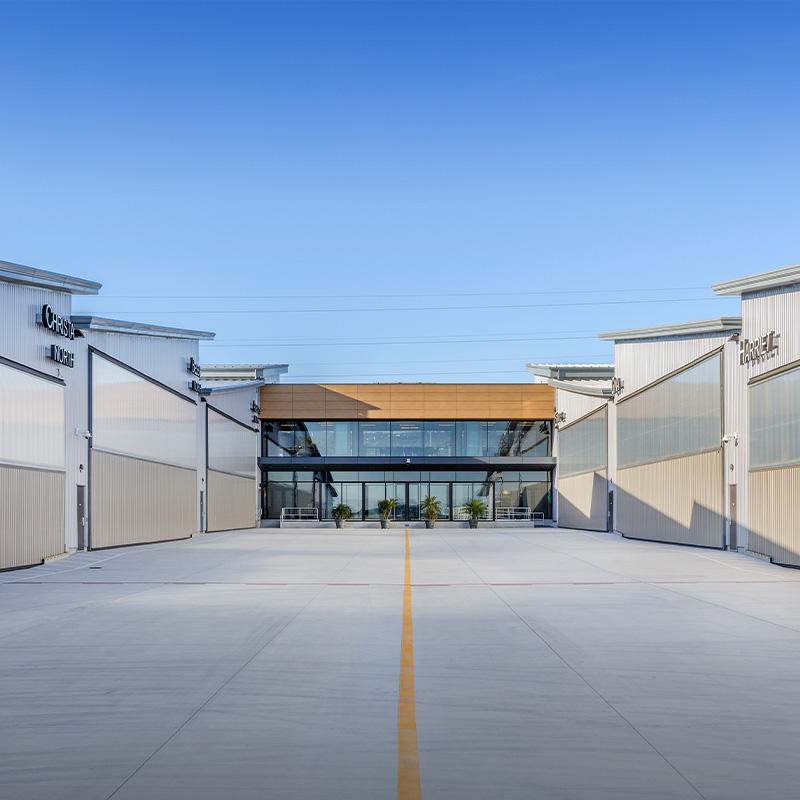
Column spacing and clearspan framing create wide-open, usable interior space.
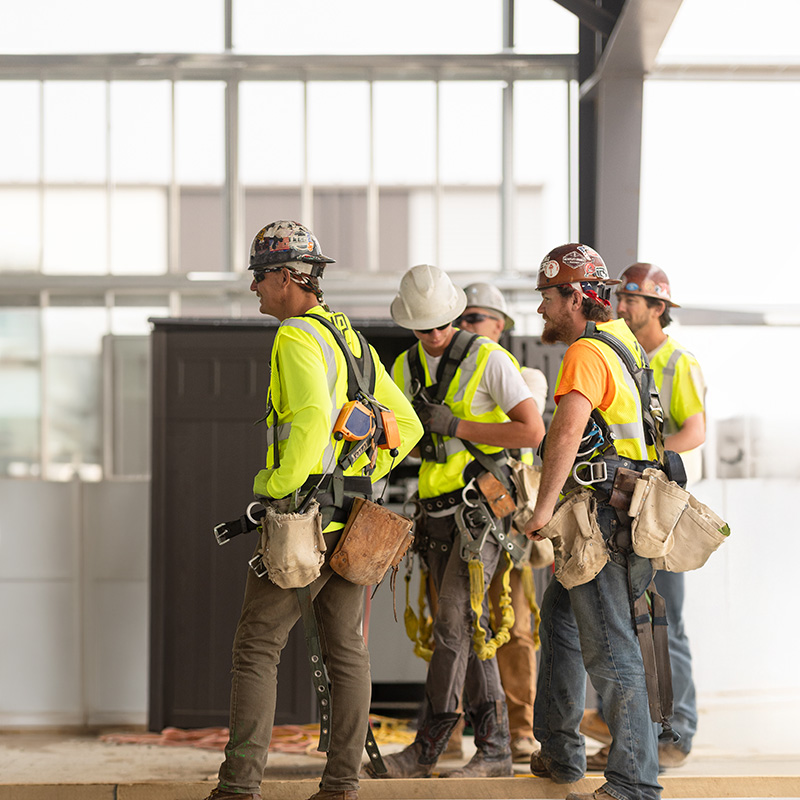
Teams work together early to improve constructability, coordination and confidence throughout the project process.
Lakepoint Sports Champions Center
Walk into the space and the scale is immediate, but what matters more is what that scale allows.
Twenty-four volleyball courts can operate at once. Scoreboards hang above each one. Movement happens in every direction without interruption. There are no columns breaking up play, no compromises in layout, no adjustments required to make the space work.
That level of flexibility starts with a single decision: Remove anything that limits how the floor can be used.
The structure spans 260 feet, creating a fully open interior that supports simultaneous play across all courts. This clear span is not just a structural achievement. It defines how the building performs.
Above the courts, a suspended system carries retractable equipment and 24 scoreboards. Instead of placing loads on the floor or introducing additional supports, the structure carries everything overhead. This keeps the playing surface open and adaptable, allowing configurations to shift based on the event.
The result is a facility that can host tournaments, practices and large-scale events without reconfiguring the building itself.
Supporting that span required coordination across multiple systems. The rigid frame and continuous beam framework together to distribute loads efficiently, while the roof system provides the structural depth needed to carry suspended elements.
This integration ensures that the building performs as a system, not a collection of parts.
Not all activity happens at floor level.
A 20,000-square-foot mezzanine provides elevated views across the courts, giving spectators, coaches and staff a different perspective on the action below. From this vantage point, the scale of the facility becomes even more apparent and more useful.
The mezzanine is not an afterthought. It is integrated into the structure, supported by systems designed to handle both load and movement without affecting the space below.
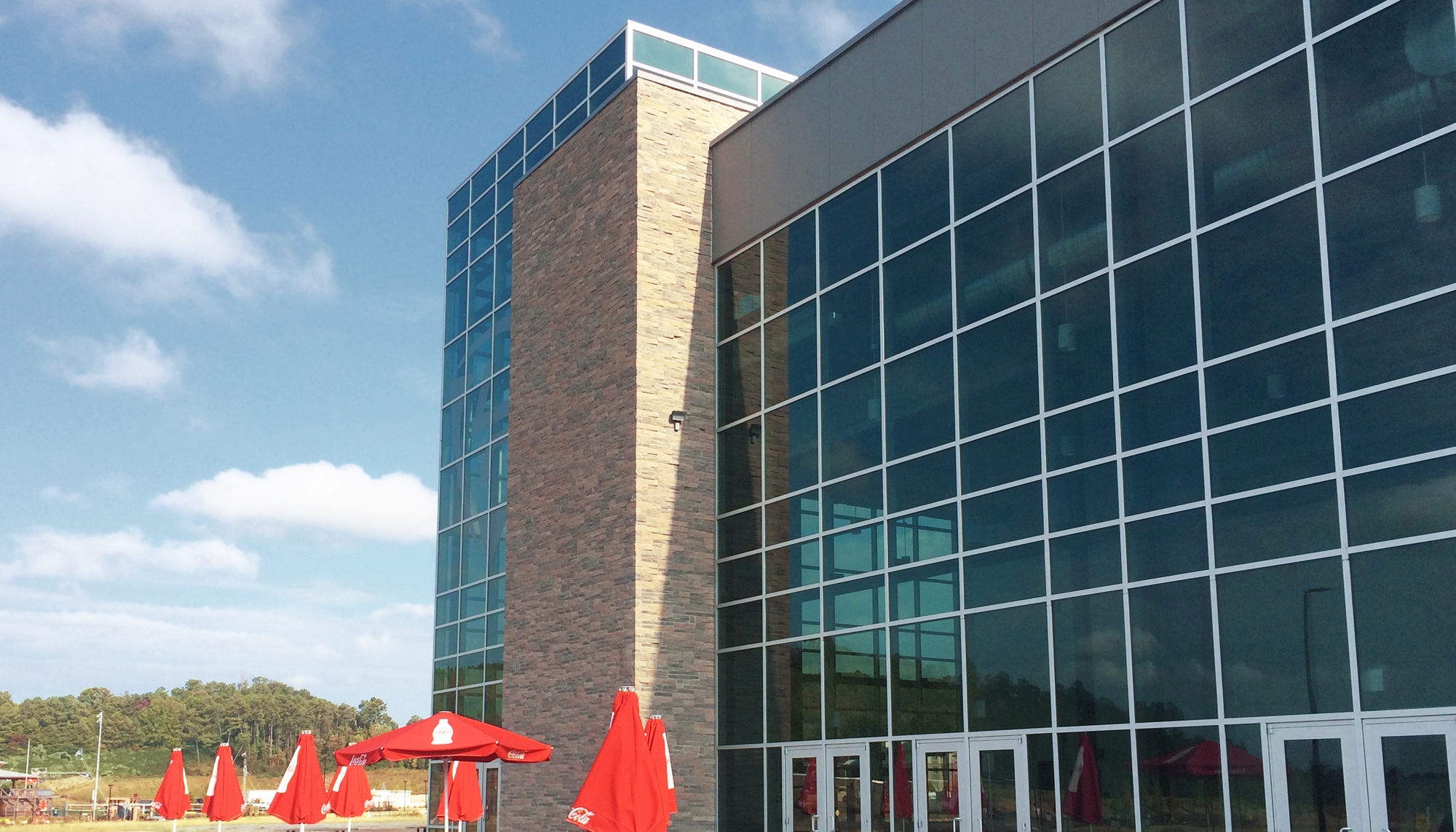
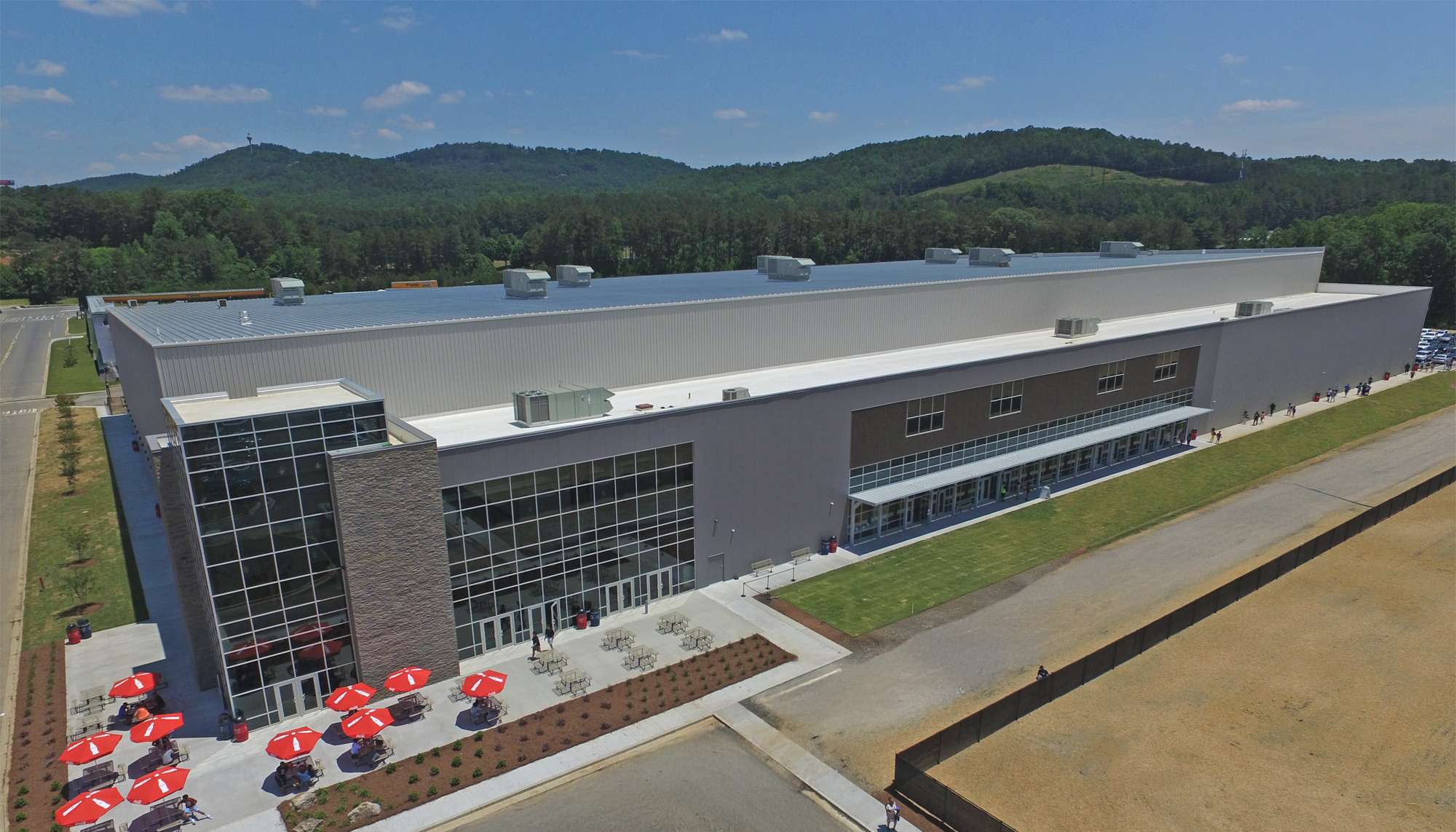
A 50-foot enclosed tower adds another dimension to the building, serving as a visual marker while also supporting internal functions. It anchors the facility within its surroundings and reinforces its presence on campus.
These elements extend the building vertically, adding function without interfering with the primary space.
While the interior is defined by openness, the exterior reflects a balance between durability and architectural intent.
Panel Rib™ and ThermaClad™ wall systems provide consistent performance, supporting thermal efficiency and long-term durability. These systems are selected for how they perform over time, maintaining the building envelope while reducing maintenance demands.
Stone and glass elements are incorporated to create variation and connect the facility to the broader campus aesthetic. These materials introduce contrast and scale, ensuring that the building reflects its purpose without appearing oversized or out of place.
The roof system, combining Deck-Frame™ and SSR™ assemblies, supports both structural demands and weather protection. Together, these systems create a building envelope designed to perform under the demands of daily use and large-scale events.
Projects at this scale require more than structural capability. They require alignment between design intent, engineering execution and construction sequencing.
Working with Abuck, Inc., a Varco Pruden™ Builder, the project team coordinated each phase to ensure that systems worked together as intended. Structural requirements for the clear span, suspended loads and mezzanine were addressed early, allowing construction to move forward with clarity.
This coordination ensured that the building could support its full range of uses from day one. There was no need to adapt the space after completion. It was designed to perform from the start.
The completed facility delivers more than capacity. It provides flexibility.
With the largest single hardwood floor in the United States, the building supports a wide range of athletic and recreational activities within a single environment. It allows multiple programs to operate at once, maximizing use without compromise.
More importantly, it gives the university a space that can adapt as needs change. Whether hosting large tournaments or daily training sessions, the building responds without requiring modification.
For the project team, the outcome reflects a clear approach: design around how the space will be used, coordinate systems to support that use and deliver a building that remains flexible over time.
In a facility like this, the structure does more than hold the roof. It defines what is possible underneath it.
Tell us what you’re solving for. Share your challenges, timeline and aspirations, and we'll bring the engineering insight and practical creativity to shape ambitious, lasting structures, together.